Pulitzer Center Update March 3, 2026
Grantee Molly Knight Raskin on How U.S. Health Aid Cuts Put Lives at Risk
Country:

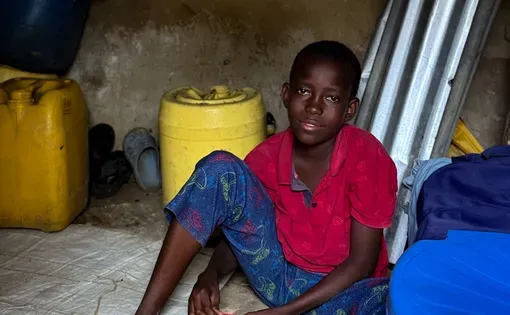
The impact of the Trump administration’s decision to shut down USAID


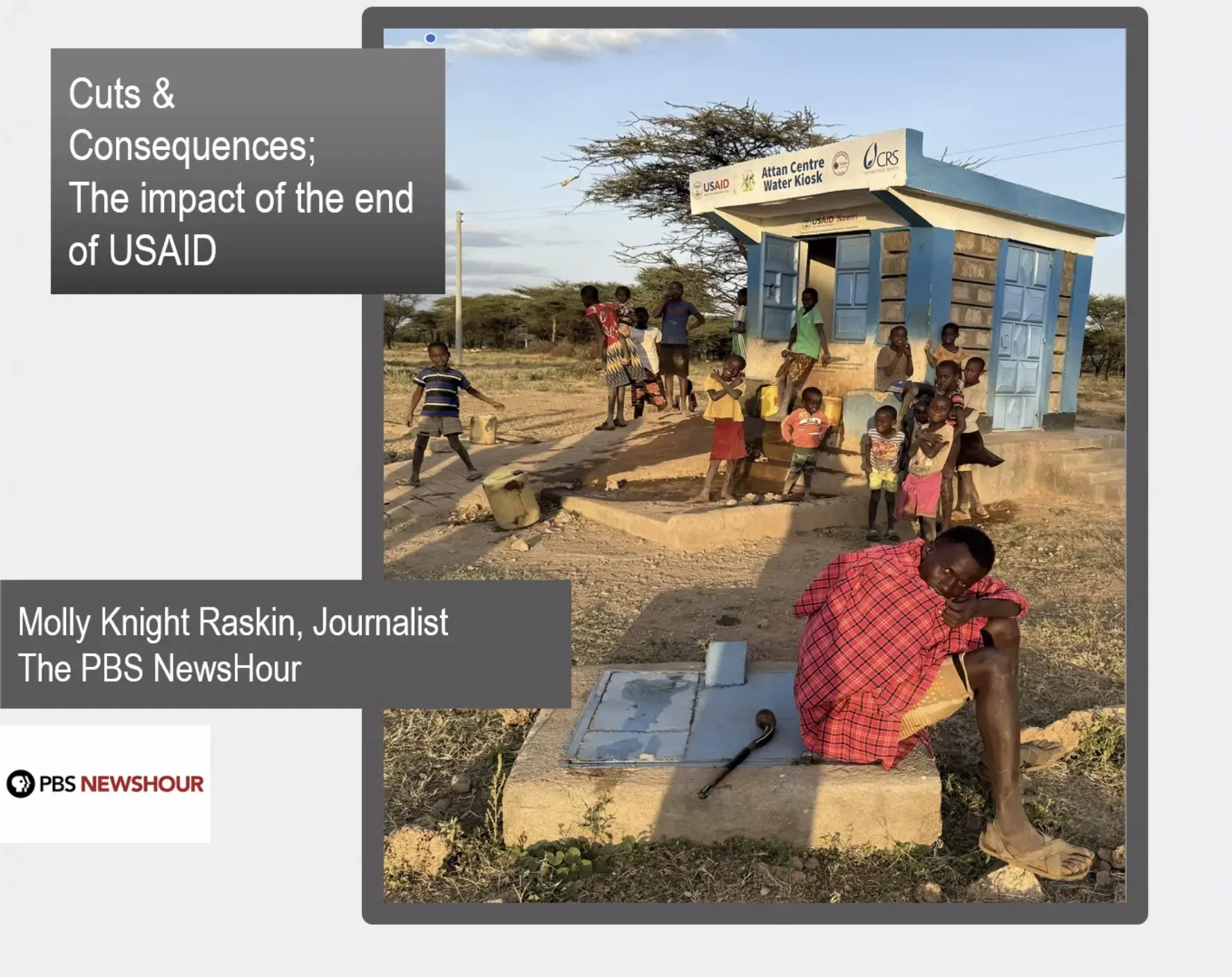
When the United States abruptly withdrew global health assistance through USAID, the effects rippled across clinics, communities, and continents. Pulitzer Center grantee Molly Knight Raskin, speaking at The George Washington University Milken Institute School of Public Health on October 23, 2025, described documenting those reverberations in her Pulitzer Center-supported series, Cuts and Consequences: The End of USAID.
Raskin, a longtime contributor to PBS NewsHour and Frontline, has spent two decades reporting on health, humanitarian crises, and the lives of people caught in global systems. “My area of interest is health—public, global, and humanitarian work,” she told the audience. “That’s where I gravitate towards.”
Her series investigates how the dismantling of U.S. foreign aid programs has endangered millions of lives. According to the Impact Counter at Boston University, she noted, 300,000 people have died so far from the reductions in American assistance—two-thirds of them children—and the death toll is rising at a rate of 103 per hour.
“All we could really do was report on the projections, which remains true even now,” Raskin said of ongoing efforts to grasp the full impact of the cuts.
In the face of ongoing evaluation of the human toll of the cuts, Raskin’s reporting traced how administrative decisions and abrupt freezes hit payment systems and local delivery networks in Ghana, Kenya, and other parts of Sub-Saharan Africa. As she told the room, “The administration appointees … had abruptly choked the payment system, and that meant even the programs with waivers were not able to effectively or efficiently implement their work.
"Local workers and clinic staff often continued to show up despite the disruption … thousands and thousands of local people in all of these countries continue to work out of good faith that we would resume those activities.”
Raskin shared direct, painful examples from the field.
A pregnant woman turned away at a clinic told them, “Surely, now my unborn child died for sure, because I have to go home without the treatment, and it's always been available here since USAID came.”
In another case, Raskin recounted, “The NGO that was providing the family with their medication had to freeze services … his 11-year-old brother, Kevin, contracted tuberculosis … he died with his brother there.”
She also described programs whose nonmedical supports were curtailed: “Part of the success of this program … they were getting reproductive health education, access to condoms … that’s not allowed anymore, and these women … had to turn to sex work to survive.”
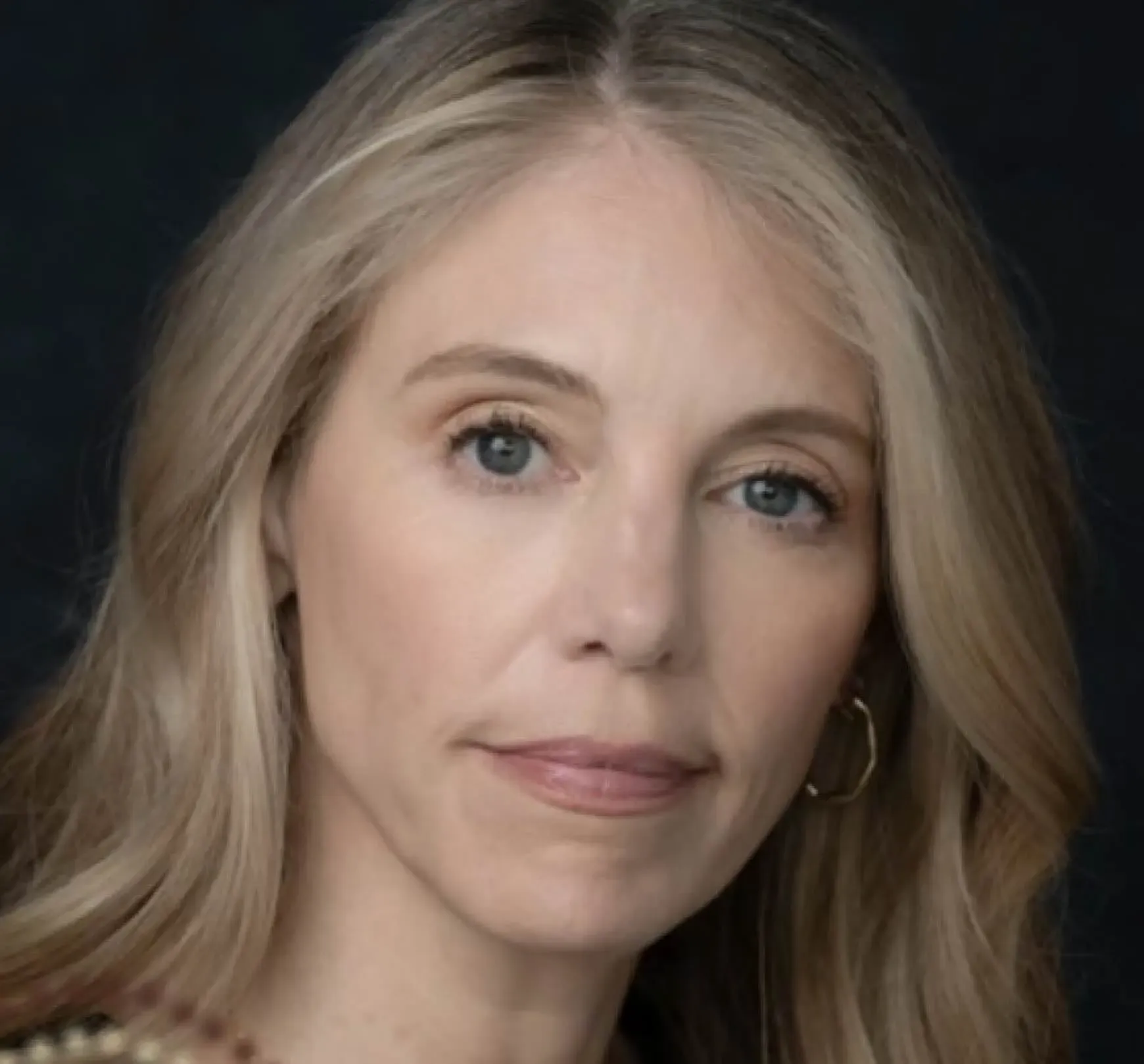
Raskin spoke candidly about the challenges of reporting amid fear and silence. “When you start reporting these stories, and no one will speak to you … it becomes really difficult,” she said. “For me, again, that’s the most frustrating and also sad part of the story.”
She described interviewing health workers in Ghana who were afraid to talk, and even being warned by officials not to approach a U.S. ambassador visiting the same region.
“We were told, very, very directly, not to get anywhere near the ambassador for any of the USAID projects in that region,” she said.
Her local driver, a single father of four, received threats for working with her team.
“That was unnerving—to think that we’re in this totally remote part of the world trying to do a story on health, and our driver’s scared.”
Despite such obstacles, Raskin said she sees hope that the programs—and the partnerships behind them—may eventually be rebuilt.
“There’s very good reason to be hopeful,” she told the audience, reflecting on conversations with former USAID staff now working in the State Department. “I think it will take some pain before they realize that just busting up the whole thing was not a very good idea … The answer is absolutely, it will come back, yes. There will be people who care very much about this. They just don’t want to speak now.”
Questions from students and faculty focused on the legal and political fallout of the cuts. Raskin said she had spoken with two former USAID officials involved in the AVAC v. USAID case, which challenged the legality of the funding shutdown.
“They are kind of creeping along slowly,” she said. “They are cautiously optimistic, and that is all I’ve heard.”
Through her reporting, Raskin said she sought to move beyond statistics to show the lived consequences of policy.
“When I speak to sources, I say, you know, this is the narrative—this is what history will say,” she said. “We have this opportunity to tell the truth about what you did, what you saw, and what it meant.”


