


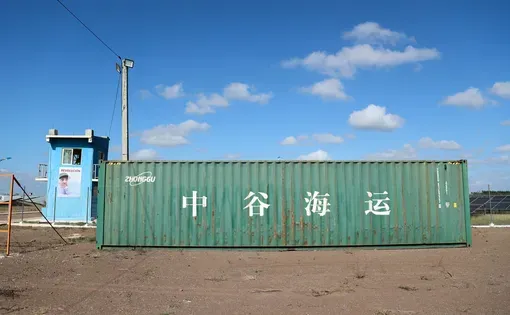
The island nation is accelerating a shift toward renewable energy.
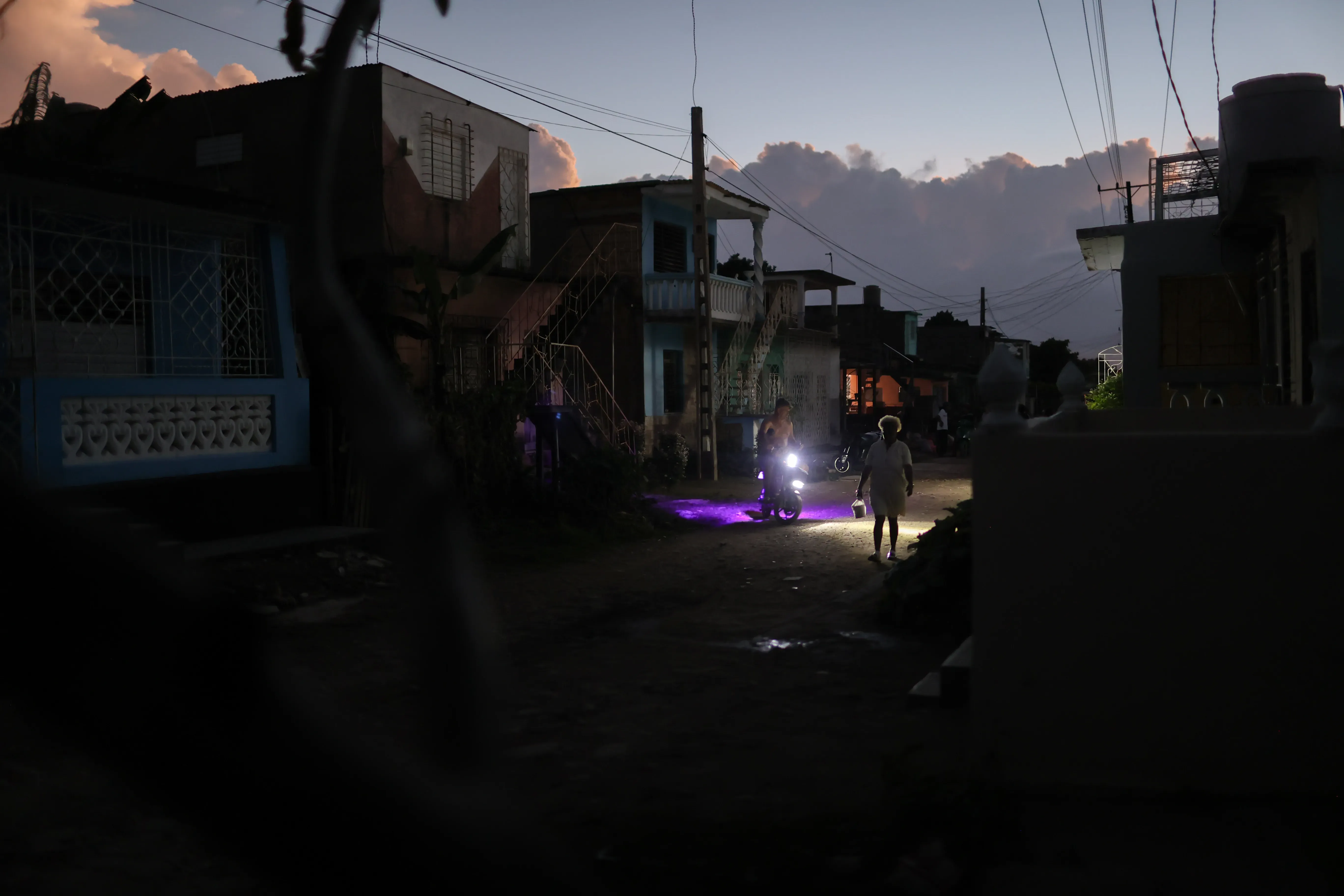
The electricity shortage was already severe. Then the United States captured the Venezuelan dictator and cut off energy supplies to Cuba.
This is an English translation of the report originally published in Finnish in Helsingin Sanomat.
CUBANS are being kept in the dark, in two ways.
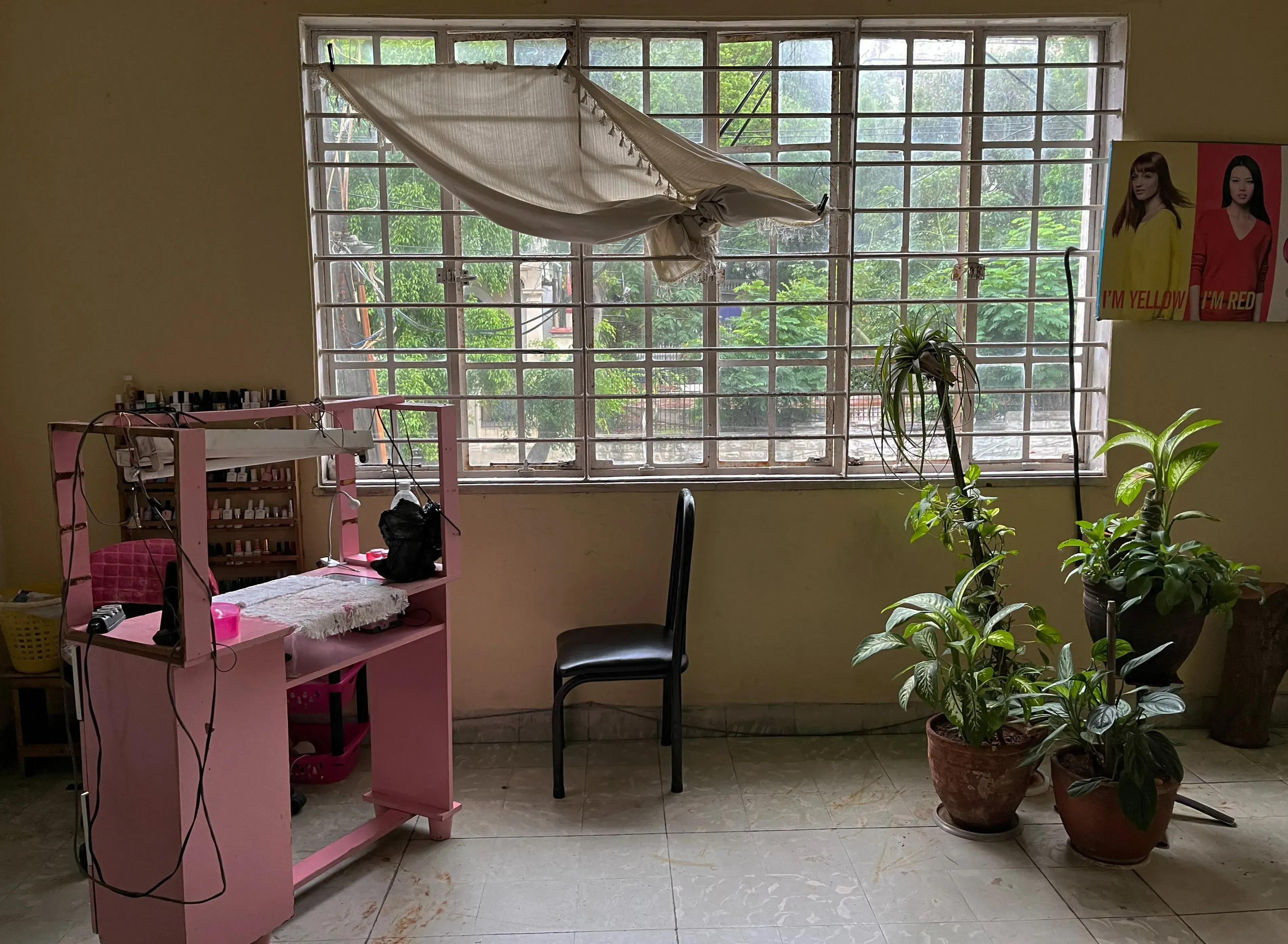
We've long since gotten used to power outages, but in the past the government would give advance notice. Nowadays they come as a surprise, complains a woman as she turns away customers from her nail salon.
Here in the middle-class Vedado neighborhood of Havana, the power went out at midnight. Now, as the morning dawns, the colorful houses in the shade of green tree rows are still dark.
The salon would need an electric nail file and a special lamp to dry the artificial nails.
“I have to take the equipment to a friend who has a backup generator to charge it,” says the owner.

As a nonprofit journalism organization, we depend on your support to fund more than 170 reporting projects every year on critical global and local issues. Donate any amount today to become a Pulitzer Center Champion and receive exclusive benefits!
"I have a daughter to feed at home and a load of laundry I can't wash without electricity. I don't know how much longer people's patience will last."
The salon owner did not want to speak by name or appear in the photo. The country's authoritarian communist regime is being vilified more openly in everyday conversations and on social media.
Many are still afraid of the consequences.
A tour of the adjacent bohemian quarter surrounded by the University of Havana shows this. A grocer, a professor, and a café owner don't want to comment on life in the midst of an energy crisis.
“We're just surviving,” replies a waiter at a bar once favored by Cuban revolutionary leader and longtime Communist Party Secretary General Fidel Castro.
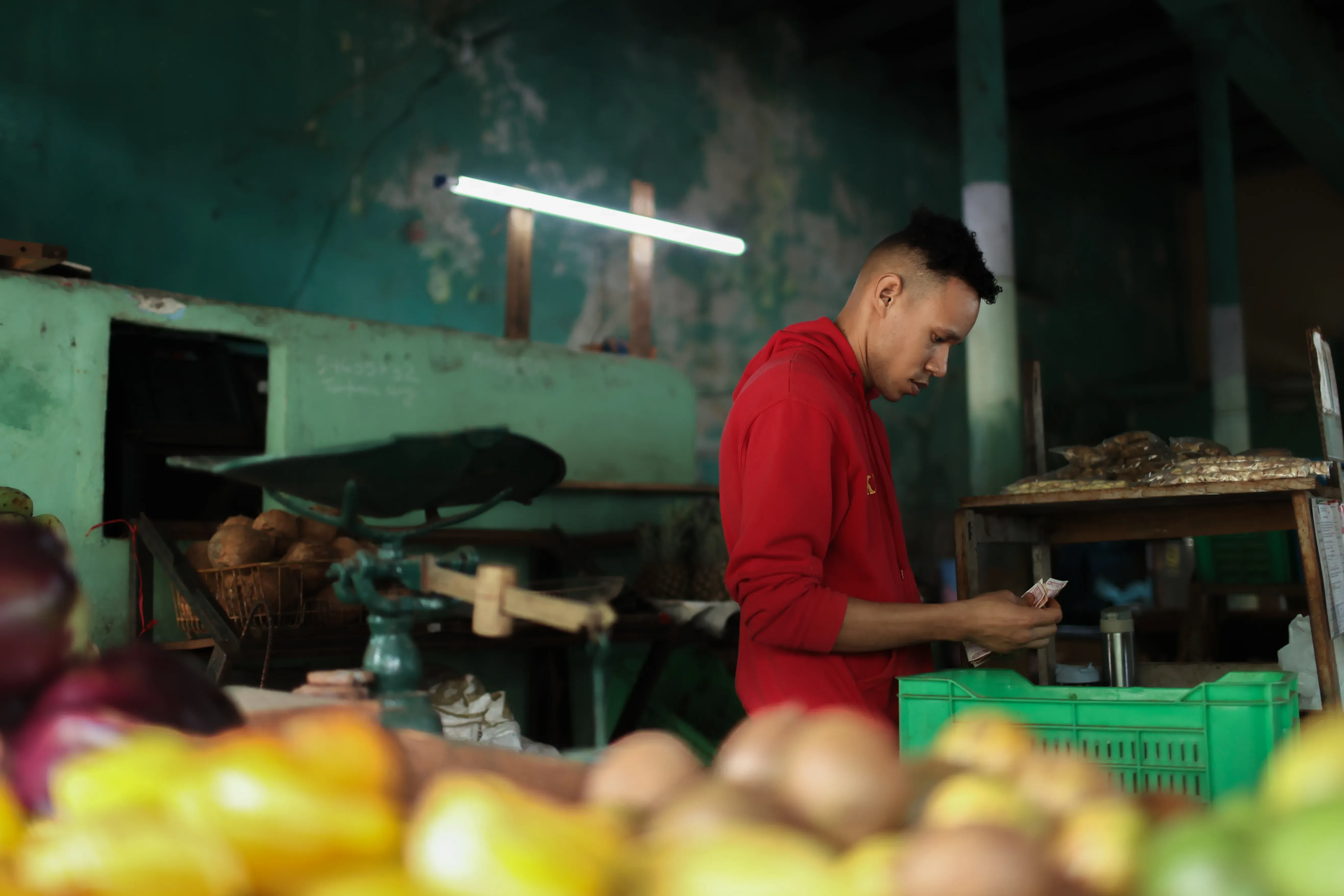
Yayder, 29, who runs a fruit and vegetable stall, agrees to be photographed and share his views. He says he is too busy to think about the country's difficulties.
“We've seen better days, but whatever you do, you have to move forward,” he says.
He has a rechargeable LED lamp at his stall in case of power outages.
In recent months, power outages in Cuba have stretched to over 20 hours. The reason is a long-standing fuel shortage.
Life for Cubans is set to become increasingly difficult after the United States captured Venezuelan dictator Nicolás Maduro in early January. Venezuela has been Cuba's main supporter, but the United States seized control of its oil reserves and cut off supplies. In addition, US President Donald Trump is threatening tariffs on countries that still export oil to the communist island nation.
Stall vendor Yayder says he hasn't really thought about the consequences of this upheaval.
"I don't really open social media, there are so many lies circulating there," he says. “I wake up in the morning, see how the day goes, and that’s it.”
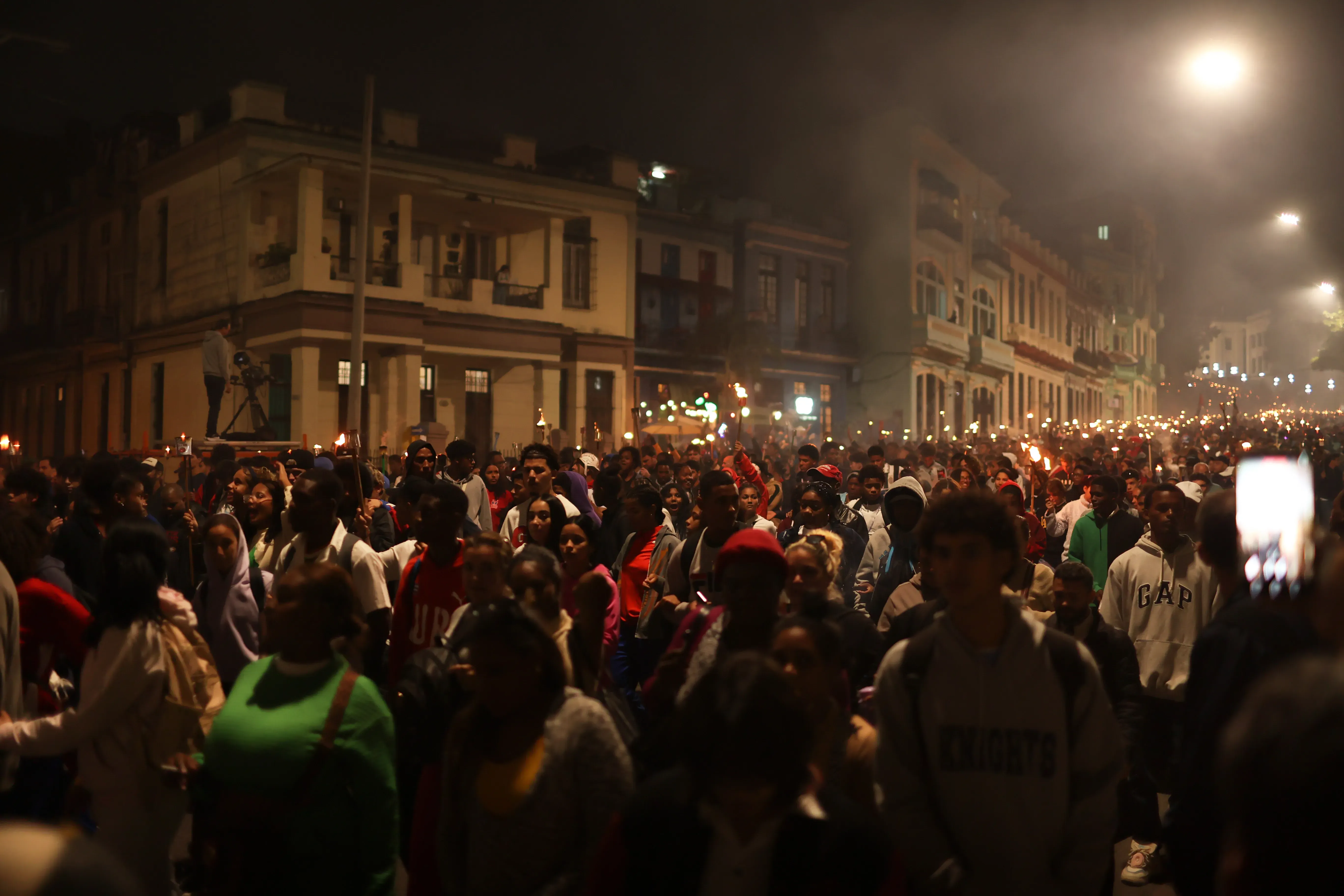
The Trump administration justifies its hard line by saying that Cuba poses an exceptional threat to US national security, including because it is allied with Russia and other hostile actors and denies its citizens freedom of speech.
Mexico overtook Venezuela as Cuba's largest source of oil last year, but Mexico's state-owned oil company, Pemex, also stopped supplies to Cuba in January under pressure from the United States. However, Mexican President Claudia Sheinbaum has assured that supplies will continue on humanitarian grounds, including to guarantee the operation of Cuban hospitals.
The last tanker to arrive so far, carrying about 85,000 barrels, arrived in Cuba from Mexico on January 9. Since then, Cuba has not received any more oil from any country.
Jorge Piñon, a Cuban researcher specializing in energy from the University of Texas Energy Institute, estimated for the OnCuba publication at the end of January that the island's oil reserves are sufficient for a maximum of 6–8 weeks.
“The consequences of running out of diesel, which accounts for 20 percent of Cuba's fuel demand, will be catastrophic,” Piñon commented.
The country's public transport and freight transport, agriculture, industry, water distribution system and partly also the country's central electricity grid depend on diesel.
It is therefore clear that the end of oil could plunge the island of 11 million people into a deep humanitarian crisis.
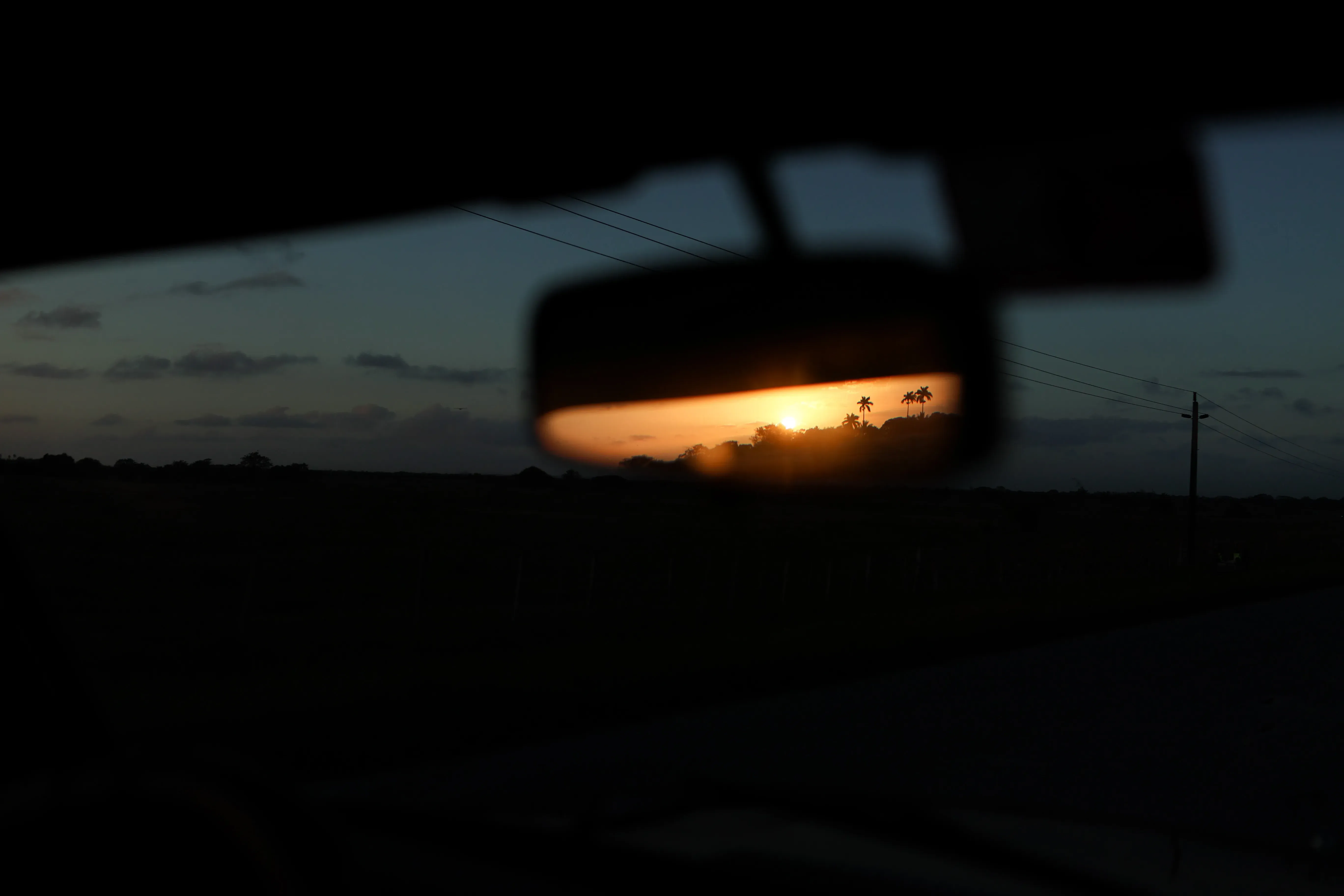
The energy crisis has hit the poor eastern part of the island hardest. When HS visited the provinces of Camagüey and Las Tunas at the end of January, electricity was out for about 15–24 hours a day.
Cars are rare on the central road that crosses the island. Many people avoid setting off, as fuel shortages mean they often have to buy gasoline on the grey market, where the price has risen to almost 2.50 euros per liter.
Fuel is not always available, so in rural eastern Cuba, many people still rely on traditional horse-drawn carriages.
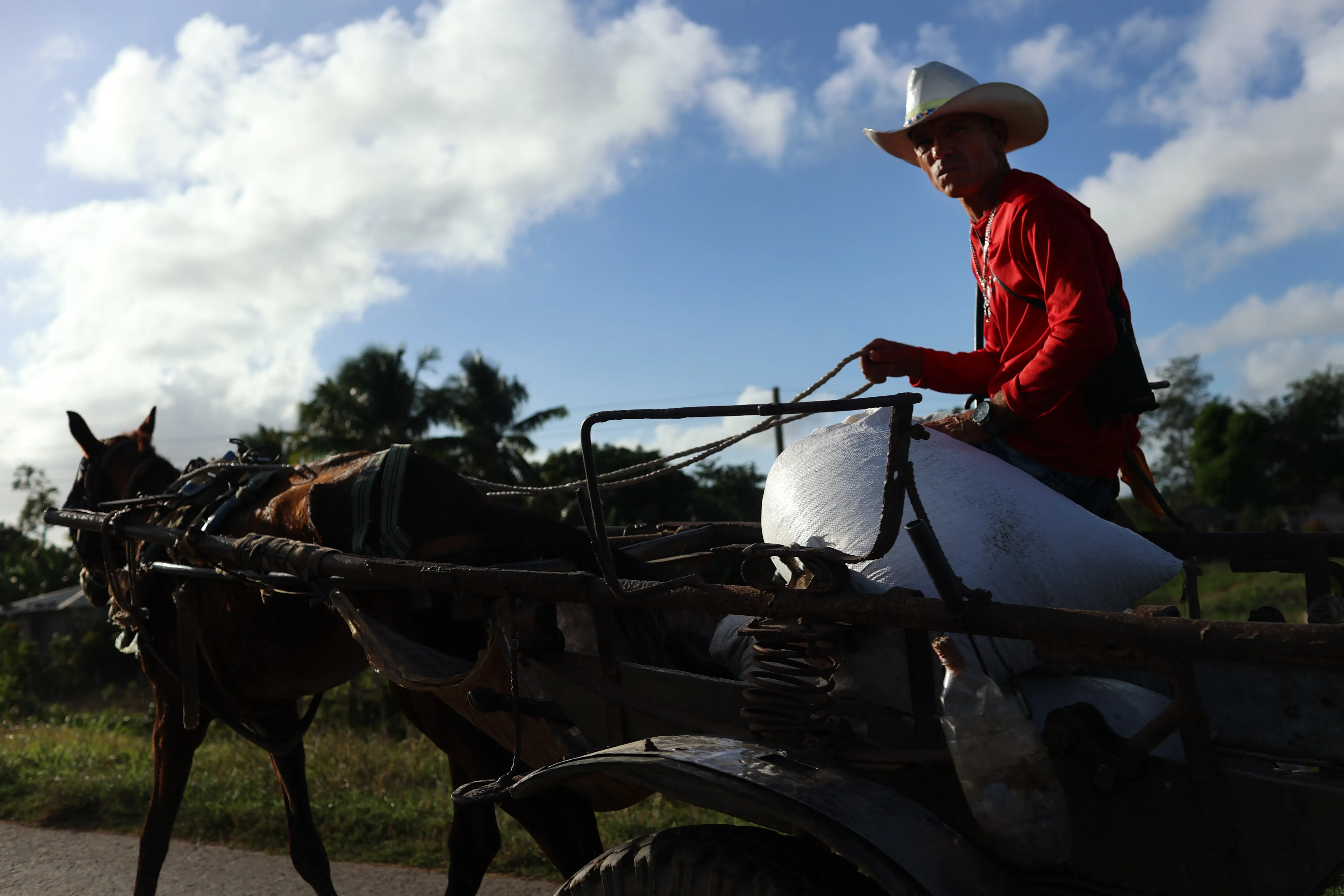
In the village of Vertientes, Camagüey province, a sweaty morning is filled with the clatter of hooves and the shouts of villagers to each other across the street.
Two farmers take a break on the side of the road. The canopy of a horse-drawn cart loaded with garlic provides protection from the scorching sun. The farmers say some villagers are now installing solar panels to cover power outages.
“I don’t have that opportunity,” says one of the farmers. According to him, one solar panel costs about 120 euros.
In Camagüey province, the average monthly salary in 2025 was around 12 euros
Solar panels or lithium generators can be afforded mainly by private entrepreneurs, such as innkeepers, or by Cubans who receive remittances from relatives abroad.
Others light rechargeable flashlights when it gets dark. Food also spoils easily when the power goes out, and nights without fans in the tropical heat are torturous.
Retired university exercise science teacher Francisco Ruiz, 68, sits in the twilight on the porch steps of his small detached house in a suburb on the outskirts of the city of Camagüey.
He blames the United States for the energy crisis.
“The Trump administration has squeezed us,” Ruiz says.
"Before the US invasion of Venezuela, conditions were at least a little better. Children have to be sent to school, but even bread is not always available because of nightly power cuts."
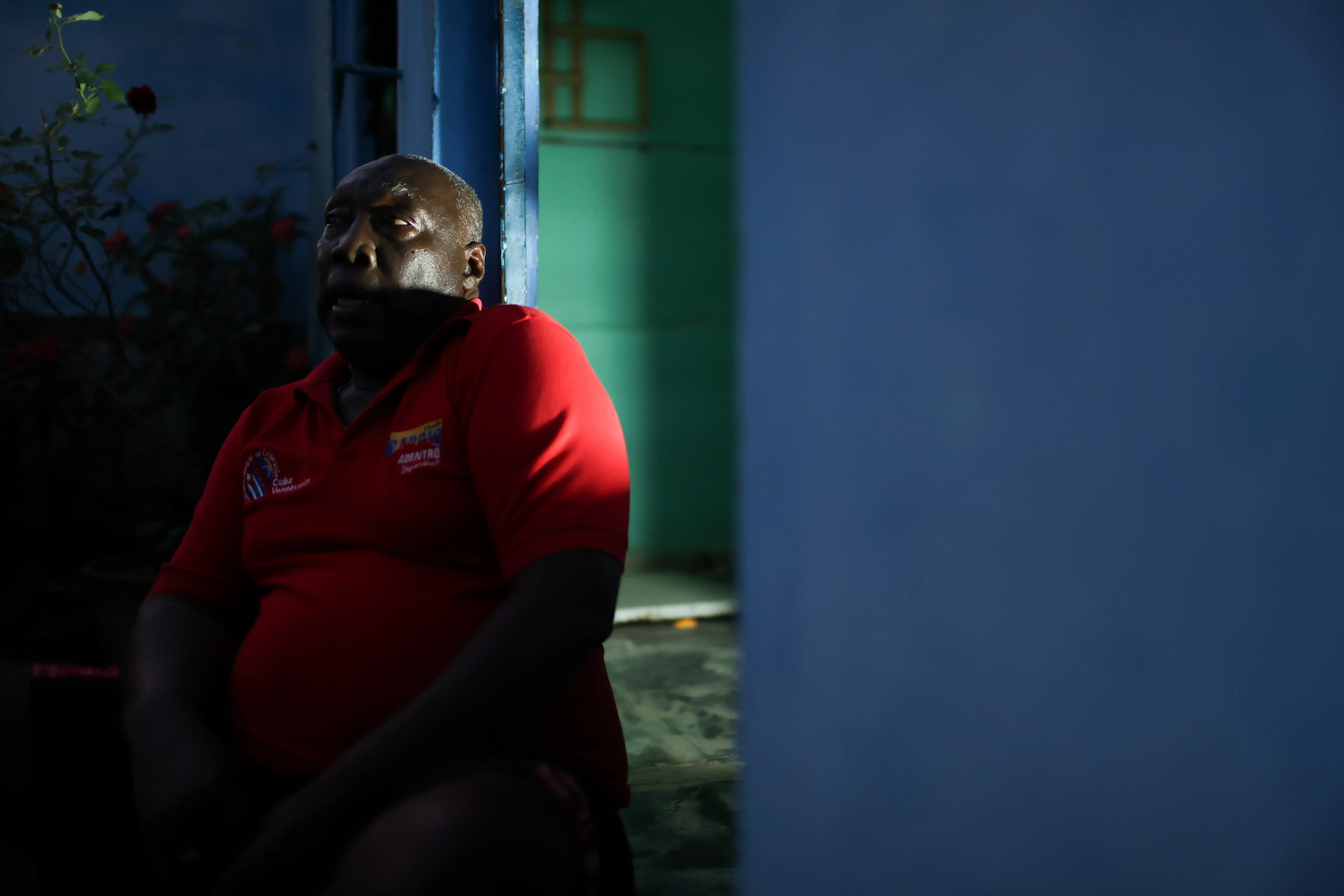
Ruiz believes that the only way to improve the situation in Cuba is to lift the US trade embargo, which has been in place since 1962. However, he admits that there is also room for improvement in the country's own system.
“The government should invest in its own agricultural production so that it can produce its own food,” he says.
“However, the Cuban system is still young compared to capitalism.”
The interview ends when Ruiz goes up to the white metal gate of his small garden to call home the grandchildren playing in front of the house.
“It’s better to stay inside after dark.”
A rusty spiral staircase rises from the blue paint to a dilapidated roof terrace in central Havana. This is the house where Alicia, now in her fifties, spent her childhood.
Alicia's current home can be seen at the end of the street. Its yellow facade is badly cracked, and a huge mountain of garbage has grown in the middle of the street.
She is tired of looking at the desolate landscape.
“You walk through your days like a zombie looking for food and medicine. In the evening you come home and you can't even cook because there's no electricity,” she says.
Alicia studied law, but now works as a cleaner and takes care of her chronically ill child.
Alicia is not her real name. Otherwise she wouldn't dare say this:
“Deep down, I hope that the same thing happens in Cuba as in Venezuela.”
 View this story on The Guardian