Pulitzer Center Update January 13, 2026
D.C. Students Contribute Artwork To Exhibit Inspired by '1619 Project'
Country:

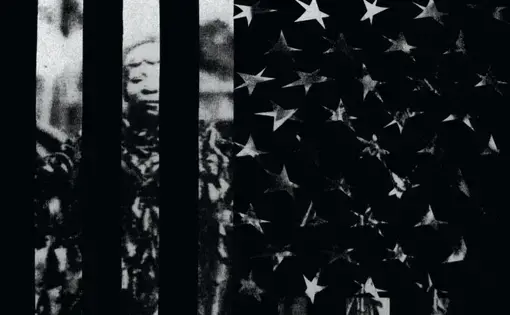
The Pulitzer Center is proud to partner with The New York Times Magazine on The 1619 Project to...


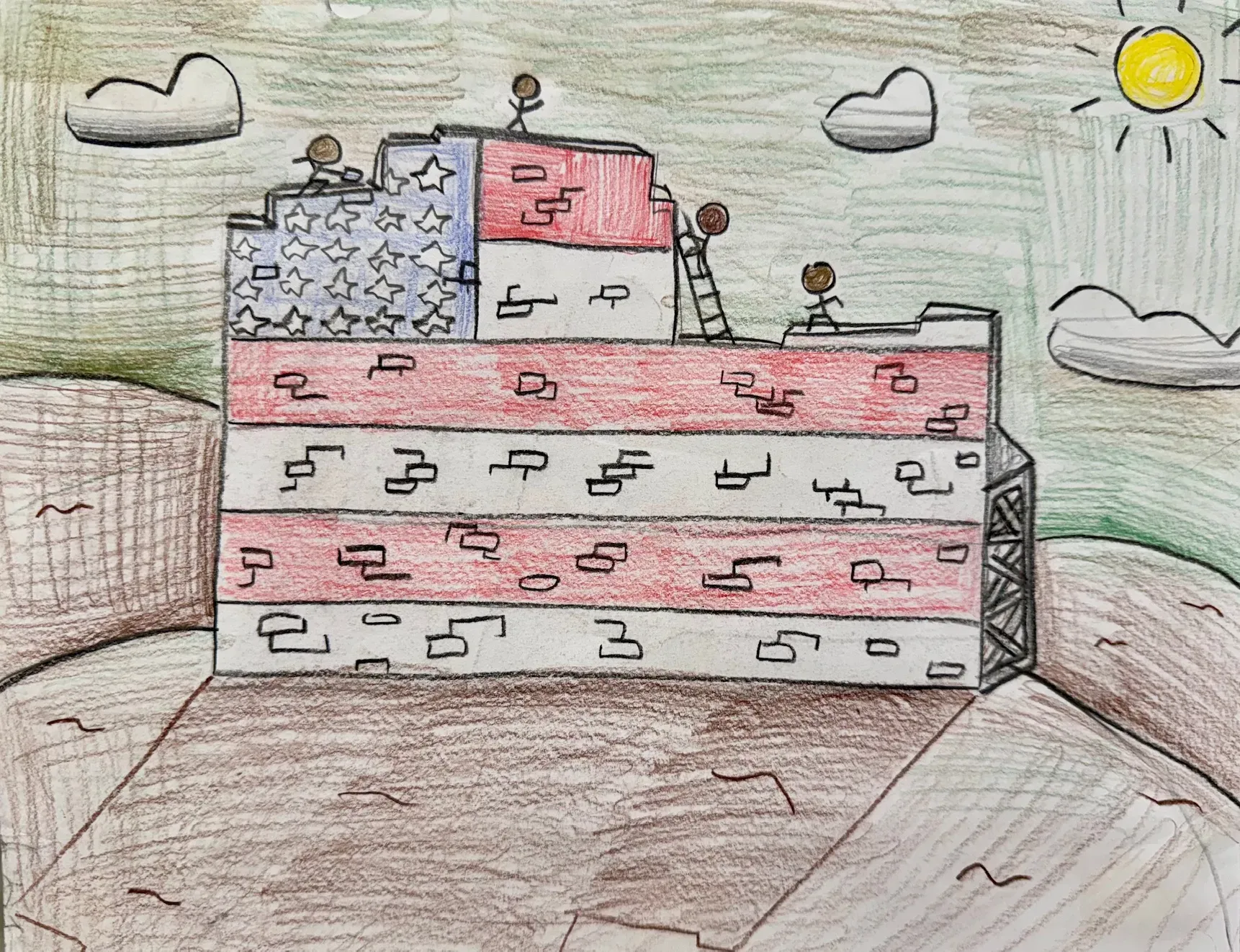
As part of a collaboration between the Pulitzer Center and D.C. Public Library for the exhibition Freedom and Resistance: An Exhibition Inspired by The 1619 Project, 157 students in Washington, D.C., created more than 280 pieces of artwork.
Opening Friday, January 16, 2026, at the Martin Luther King Jr. Memorial Library in D.C., the exhibition invites visitors to explore connections between the experiences of Black Americans and the ideals of American freedom in three sections.
In addition to the section centering D.C. student responses to the themes of freedom and resistance, the exhibition will feature artwork curated for The 1619 Project: A Visual Experience by New York Times editors and Pulitzer Prize-winning 1619 creator Nikole Hannah-Jones, as well as art and objects selected by guest curator Dominique Hazzard to connect exhibition themes to the lives of Washingtonians throughout history.
“I never thought of art and culture as a form of activism. This makes me appreciate my culture more.”—D.C. student who submitted artwork to the Freedom and Resistance exhibition
Launched in August 2019, The 1619 Project is an ongoing initiative from The New York Times Magazine that illuminates the legacy of slavery in the contemporary United States and highlights the contributions of Black Americans to every aspect of American society. As the official education partner for The 1619 Project, the Pulitzer Center has provided free curricular materials, hosted open-access events, and engaged with educators across the country who are eager to share 1619 perspectives with their students.
Pulitzer Center staff connected with educators throughout the District in fall 2025 to support student engagement in the exhibition. Students were asked to plan their pieces by analyzing a news story from a list of suggested readings curated by the Center that included texts from The 1619 Project, Center-supported reporting from media outlets throughout the U.S. that connect to 1619 themes, and articles connecting exhibition themes to D.C. history.
Students were then tasked with composing original artwork that reflected their own interpretations of the exhibition's themes.
“This piece was inspired by an excerpt from 'The Idea of America' by [Nikole Hannah-Jones]. In this excerpt she describes her shift from embarrassment to pride over Black history in America, centered around her father’s American flag,” wrote a D.C. student who submitted to the exhibition. “She walks the readers through the realization that the flag is not just a symbol of America's mistreatment of Black people, but also a symbol of their tireless work to build America and its democracy.”
“I never knew enslaved people built not only the foundation of the Capitol building but even went as far as placing the Statue of Freedom (which is kind of ironic) on the top of the Capitol dome,” wrote a middle school student about how his analysis of “The Idea of America” informed his piece for the exhibition.
Nineteen educators from over a dozen D.C. schools introduced the opportunity to create pieces for the exhibition in their art, English language arts, and history classes. Some students were tasked with composing posters for imagined concerts inspired by the exhibition themes. Others connected 1619 to photography students’ analysis of a local exhibition from Maryland artist Tawny Chatmon.
A group of high school students were invited to use any available media for their pieces as long as they applied art skills they had learned in class. Other students worked in small groups to create dioramas and mixed media installations.
Pulitzer Center staff led workshops at two schools that introduced the exhibition's themes and 1619 texts to over 100 students.
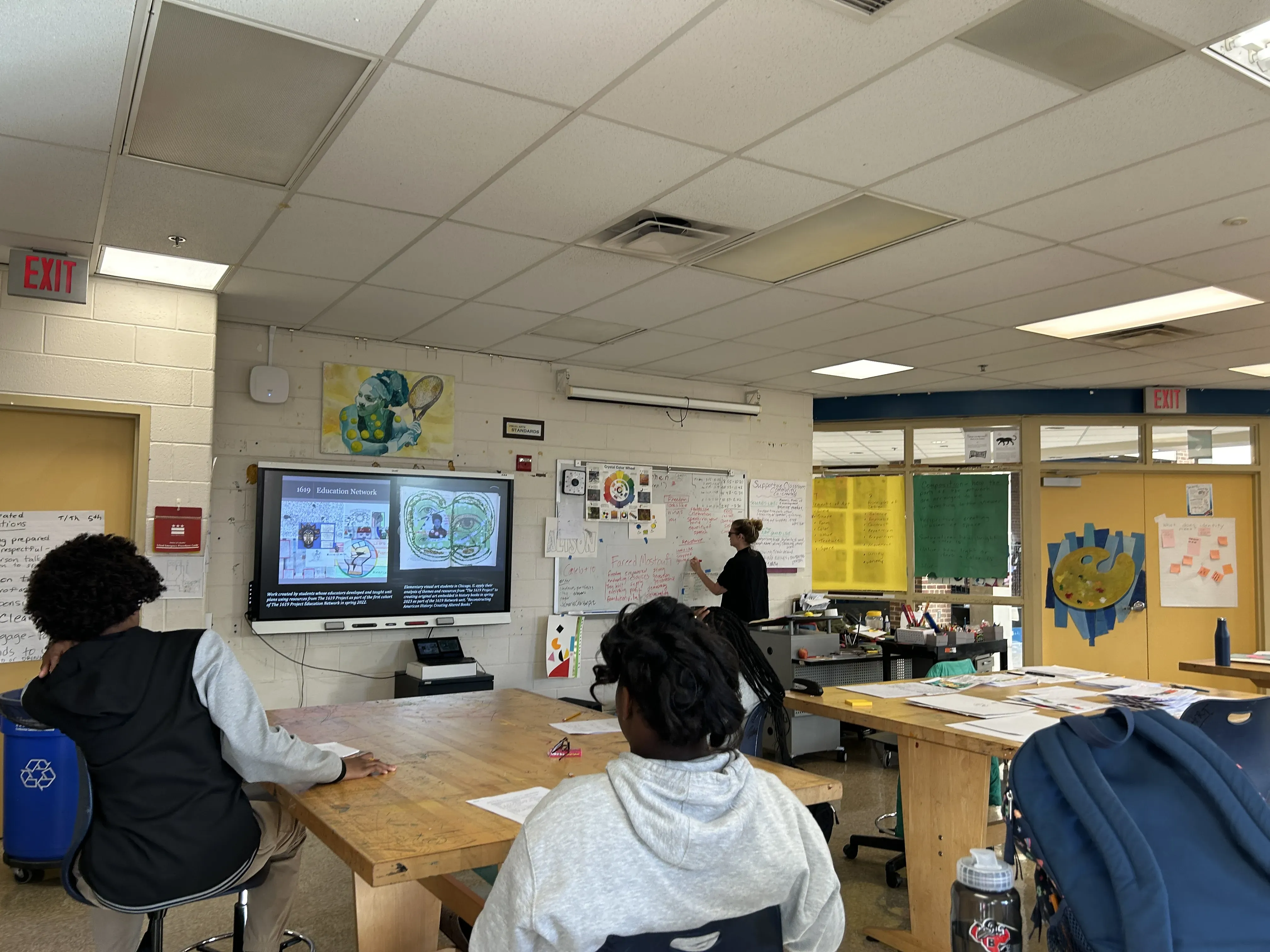
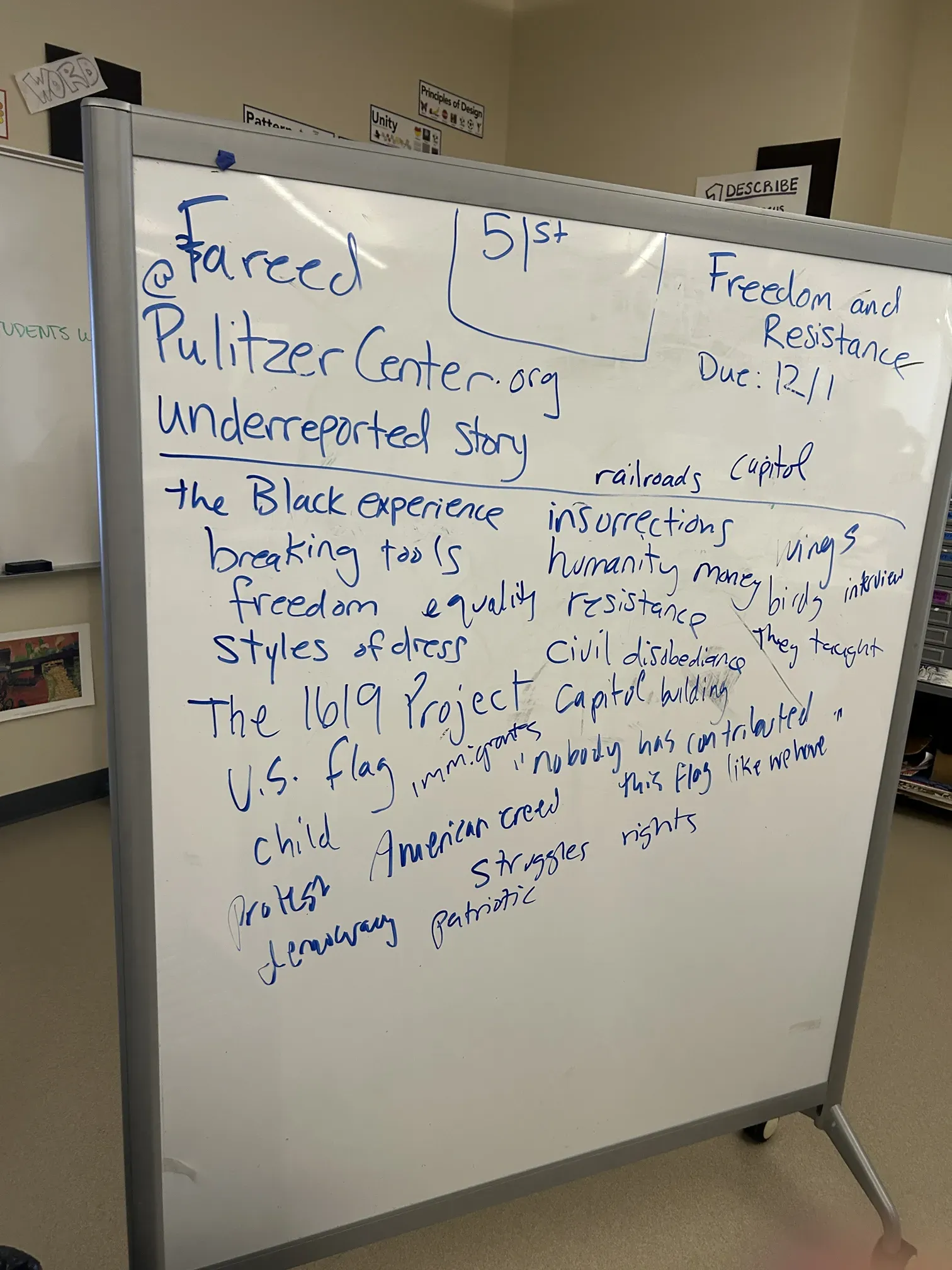
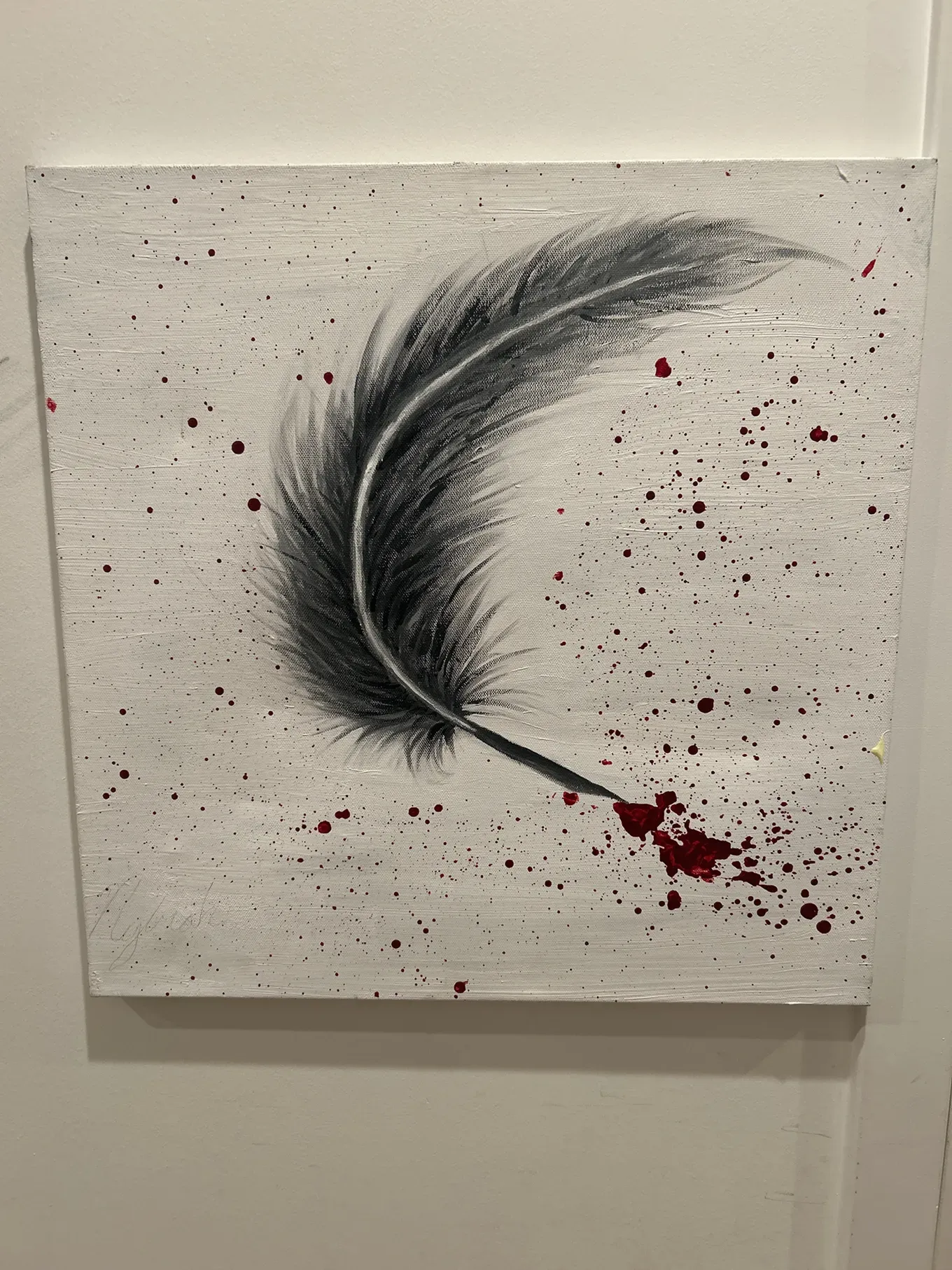
The art reflected work by students in grades 5-12 who used photography, drawings, sculptures, and paint. In addition to writing a short analysis of the article they read, students wrote short artist statements to accompany their pieces.
"I was inspired by 'The Idea of America,'” a high school student wrote in her artist statement. “My piece uses a feather to represent writing and the power of telling our own stories. For generations, we have used words to fight back against racism and erasure … By putting these images together, I wanted to honor those that came before me, who used their voices, even when it was dangerous, and who helped shape this country by writing their truth in a nation that still tries to erase and silence us.”
Freedom and Resistance: An Exhibition Inspired by The 1619 Project is open to visitors during all open library hours January 16-March 15, 2026.
Click here for open hours and more information. To learn more about the Pulitzer Center’s education resources and programs engaging The 1619 Project, visit 1619education.org.


