Pulitzer Center Update December 31, 2025
What’s at Stake When Species Disappear
Country:

Project
Species That Save Us
The decline of many species is taking a toll on human health.


What happens to people when animals disappear? Increasingly, scientists are finding that the answer is not abstract—it shows up in traffic data, hospital records, and public health crises.
Species That Save Us, a Pulitzer Center-supported project by The Washington Post, explores the growing body of research revealing how biodiversity sustains human health. Across continents, reporters and researchers are uncovering hidden connections between wildlife loss and human survival—part of an interdisciplinary approach known as the One Health Initiative, which recognizes that the well-being of people, animals, and ecosystems are interconnected.
In the U.S. Midwest and Canada, new research on gray wolves shows that their recovery has benefits far beyond conservation. By keeping deer populations in check and influencing how deer move across landscapes, wolves reduce car crashes, preventing injuries and saving lives. These findings add a new dimension to current debates over wolf protections in the United States, illustrating what’s at stake when species begin to disappear.
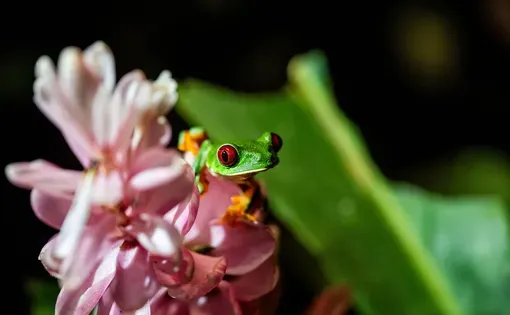
In Panama, the story begins with frogs. A deadly fungal disease, intensified by climate change and habitat loss, has devastated amphibian populations across Central America. As frog numbers collapsed, so did a crucial form of natural mosquito control: tadpoles that feed on mosquito larvae. Without tadpoles feeding on larvae, cases of mosquito-borne illnesses such as malaria surged, including regions near the Darién Gap.
India provides another stark example. After millions of vultures died from ingesting veterinary painkillers, livestock carcasses accumulated across the countryside. An ecological chain reaction followed: Feral dog populations exploded, leading to a rise in rabies infections and tens of thousands of human deaths. The excess cattle carcasses also contaminated sources of drinking water. What began as an ecological collapse became a nationwide public health crisis.
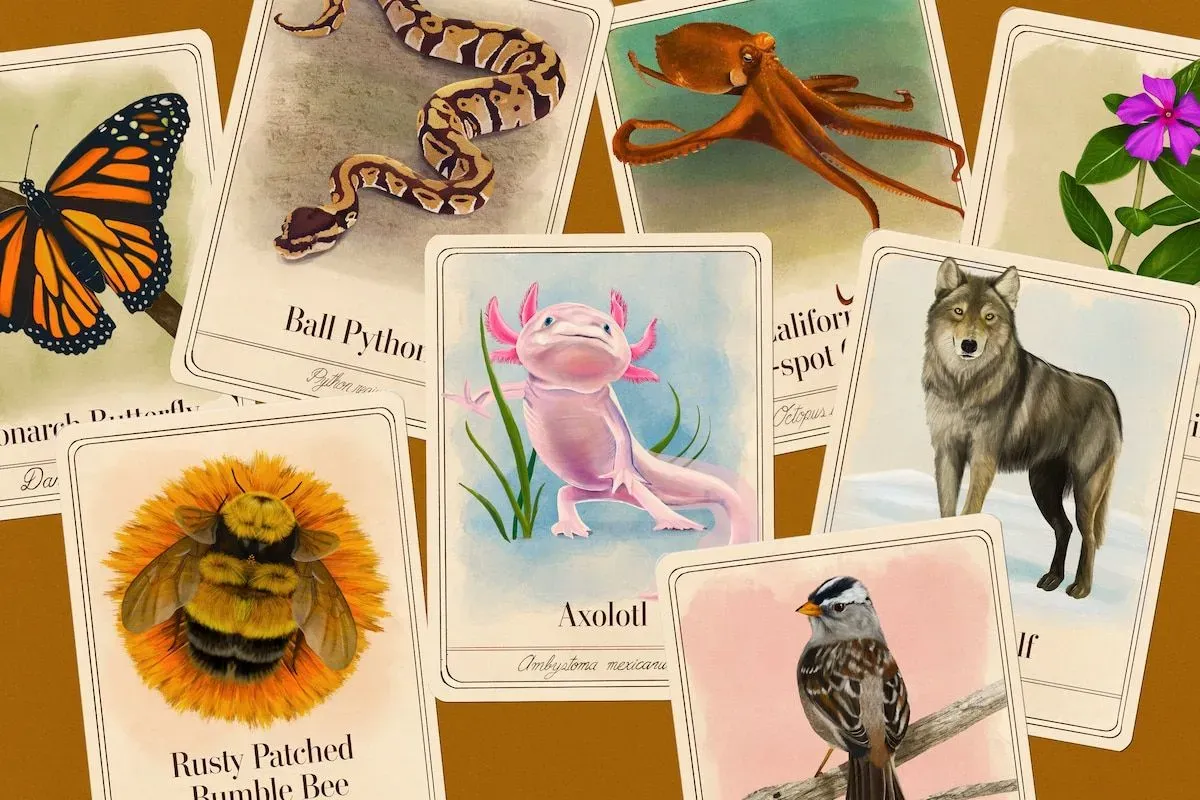
“When we endanger other species, we endanger ourselves,” write grantees Mark Johnson and Saumya Khandelwal. Explore the Species That Save Us project, complete with fascinating photography (two images are featured in our “Year in Photos”) and 50 illustrated flashcards to help humans learn more about these animals and their importance for our health and survival.

This message appeared in the January 2, 2026, edition of the Pulitzer Center's weekly newsletter. Subscribe today.



