Project December 4, 2025
What Thailand's Indigenous Peoples Rights Bill Means for Lesser Known Ethnic Groups
Country:


Thailand has more than 60 ethnic groups consisting of over 7 million people. Yet, still their basic human rights have rarely been equal to that of Thais and are often subjected to rights abuses and discrimination.
Despite voting in favor of the United Nations Declaration on the Rights of Indigenous Peoples (UNDRIP) in 2007, Thailand has yet to officially recognize it as domestic law. To have law-binding legislation, like the Philippines and Malaysia, has always been a distant dream until now.
Having lobbied the government for years, representatives from all the Indigenous groups are bonding together to work with the Thai government to create, write, and push through such a bill. In April 2025, it passed the senate and will return to the lower house to review the amendments.
One of the key points of contention is the government's refusal to use the term “Indigenous Peoples” in the law, opting instead for “ethnic groups.” This decision reflects the state's lack of recognition and understanding of Indigenous communities who have lived in the region long before the establishment of the nation-state.
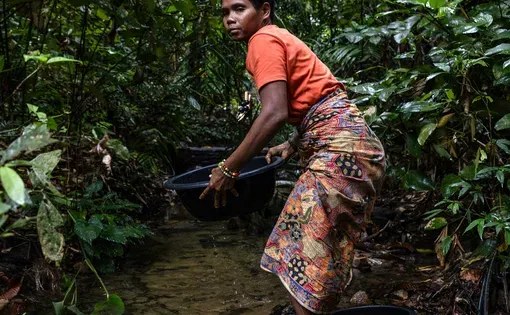
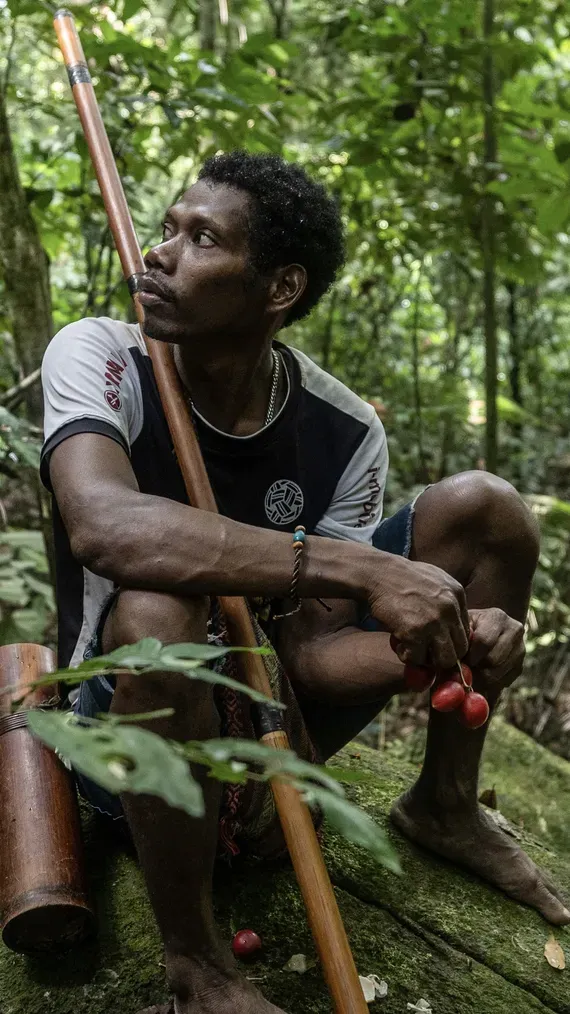
This project investigates diverse groups: the mountain-dwelling Lahu in the far north, The Kuy in the Northeast, and Thailand's last hunters and gatherers, the Maniq in the South. For many of Thailand’s smaller indigenous groups, will the new bill lead to an amplification of their voices and an improvement to their lives? Or will their rights continue to be infringed on?