Story
 November 25, 2025
Surrounded by Desert, but Encompassed by Community in Australian Outback
Country:

Indigenous communities are reawakening their languages.
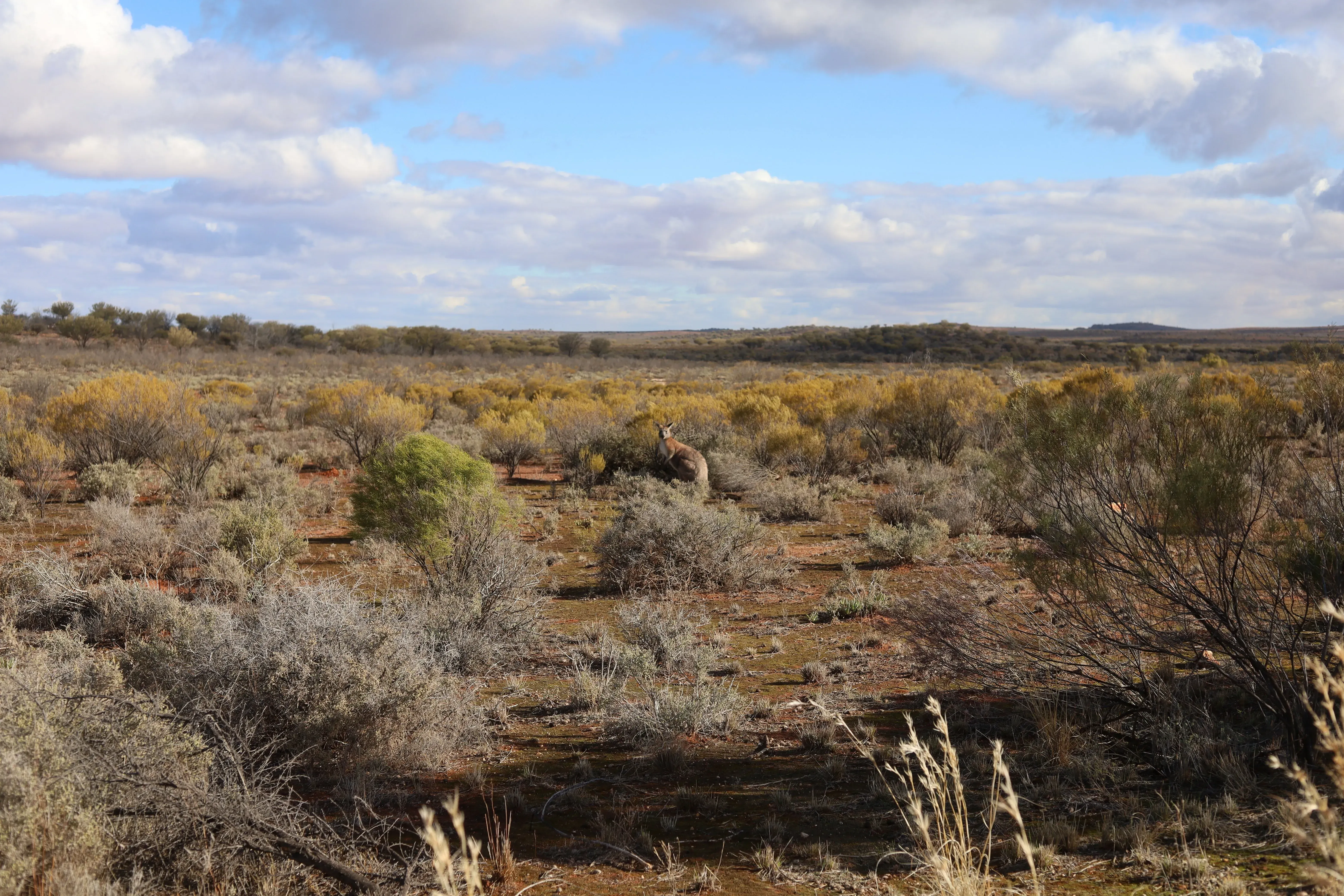
BROKEN HILL, New South Wales, Australia—As the small plane flew over the Outback, I saw nothing but red dirt and shrubs. It was beautiful, but secluded. The place I was visiting suddenly appeared in the middle of the vast desert. Once we landed, I entered the smallest airport I had ever seen.
With no cell service, I knew I still had a long journey to my hotel.
“How do I call a taxi?” I asked the only employee on shift.
“You can’t, but if you stand outside and wait, one will eventually come,” he replied.
I took my luggage and waited by the sign indicating pick-up and drop-off. Fifteen minutes went by and still no taxi had arrived. I walked back into the airport with a sliver of hope, asking if they could call a taxi for me. The answer was a simple but honest “no.”
As a nonprofit journalism organization, we depend on your support to fund more than 170 reporting projects every year on critical global and local issues. Donate any amount today to become a Pulitzer Center Champion and receive exclusive benefits!
“I can give you a lift,” said Lindsey, a man waiting with his wife, Kit, and son, Oliver, in the lobby.
They must have overheard me speaking to the employee, since the airport was so small. I was slightly embarrassed but excited that someone was willing to help.
“You could be waiting out there for hours,” he said.
Kit was taking a short trip to Sydney, while Linsdey and Oliver were giving her company before her departure.
Grateful, I accepted his offer, as I knew this was most likely my only way into town. As we traveled, I learned about the history of Broken Hill, the town I was staying in.
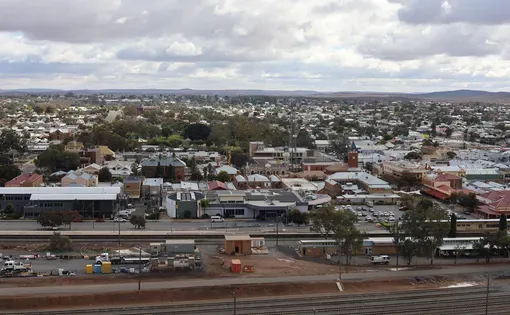
Broken Hill was Australia’s first Heritage Town, protected by its rich history of mining. Many of the buildings also served as historical monuments. It was a quaint town. Most of the population is over the age of 40. While Broken Hill may have been secluded from the rest of Australia, the residents had their community. It was one of those towns where everyone knew everyone, and if you didn’t, then you were definitely a tourist.
As I made my way into town, I learned they did not receive many Americans on their side of the Outback. I explained my reason for visiting, and the locals were both confused and excited someone flew across the world to visit their town.
It began to rain on my first day, and continued almost every day of my visit. Many roads were closed due to flooding; the town simply did not have the infrastructure for the inappropriate weather. The residents claimed it was the most amount of rain they’ve seen in their lifetime. Some blamed climate change, others just shrugged it off.
A few days went by and I became acquainted with Charlie, a man of many careers in his lifetime, who now managed the lawn bowling club. Bowling was a popular sport in Australia, but very different from the bowling I knew in the United States.
The objective was to roll your ball, or bowls, closest to the target, or the “jack.” It was played outside on turf or grass, and seemed to be a popular activity for many residents.
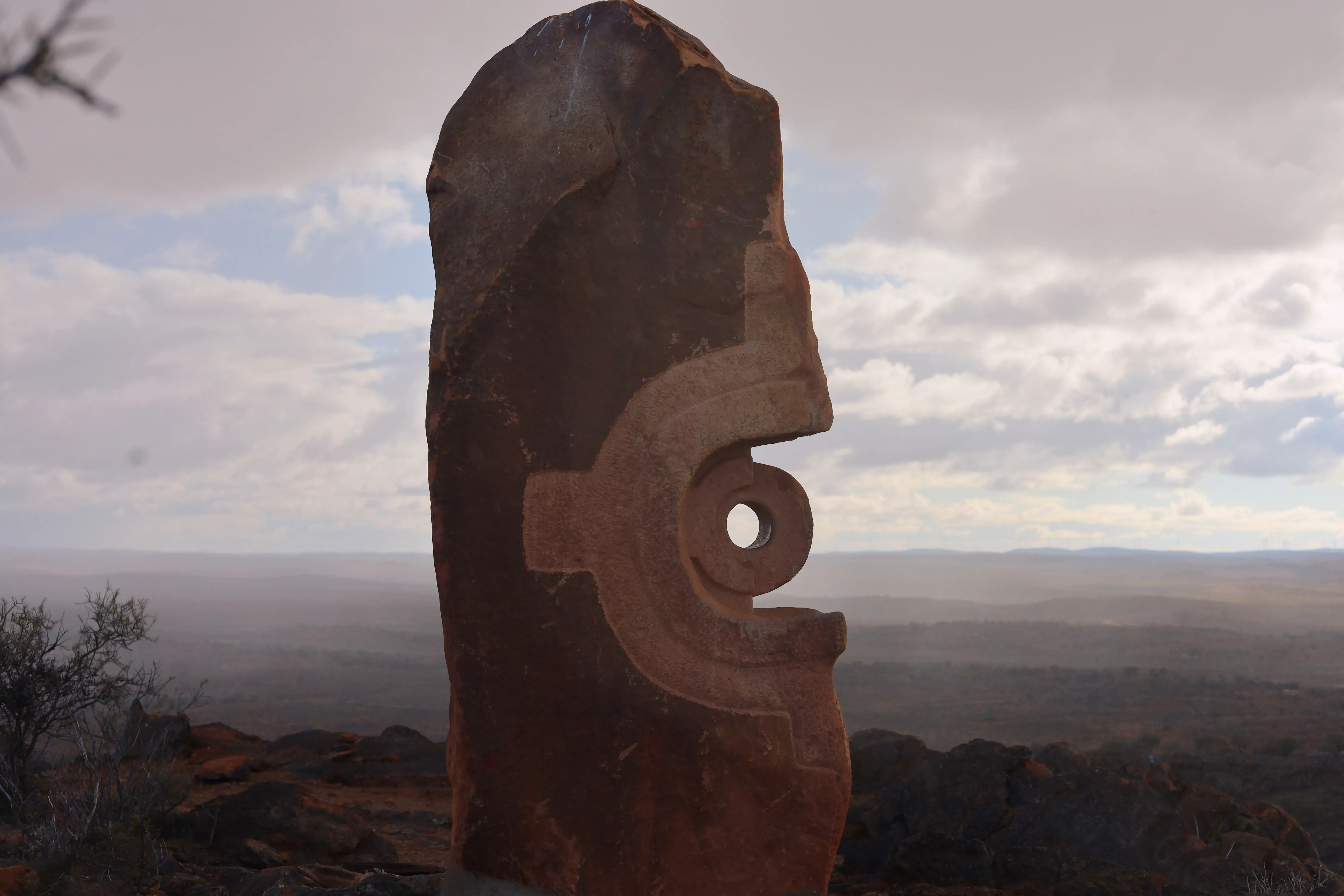
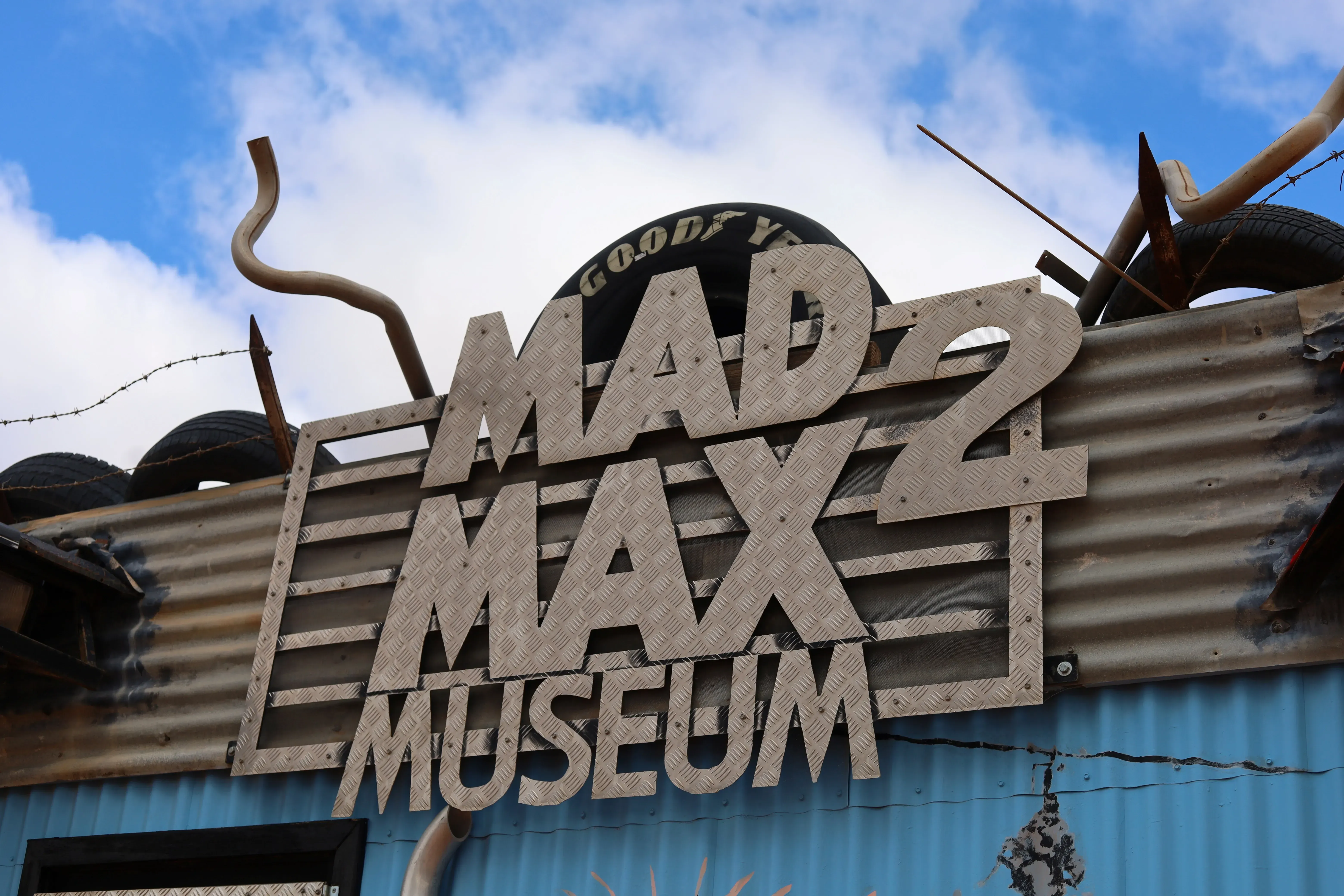
With Charlie as my local guide, I later did some typical tourist activities. First we visited Silverton, a town nearby where Mad Max 2 was filmed. Then we saw the Living Desert State Park, which has sculptures made from artists around the world. At the top of the hill, I was enjoying the view when rain suddenly covered the desert around me. I ran back to the car to save my camera from the unapologetic rain.
One of the last stops on my trip was the Royal Flying Doctor Service Museum. The Royal Flying Doctor Service (RFDS) is a transport and medical service provided to rural Australians who do not typically have access to hospitals. Due to the remoteness of the Outback, it's often impossible to travel for hours on unfinished dirt roads while experiencing a medical emergency. So, the RFDS was founded as a way to give those living in rural areas of Australia a new way of receiving medical care, through the air.
It was at the museum that I began to realize the intensity of seclusion in the Outback. Not only did it affect access to medical care, but it impacted sports, education, community, and language. It was a part of the reason so many Aboriginal languages were endangered.