Pulitzer Center Update October 17, 2025
New Grant Program Will Bring Global Health Issues to Classrooms


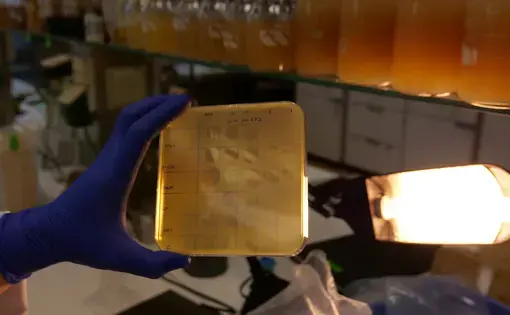
The relationship between conflict and the spread of “superbugs” has been one of increasing concern.


Lesson Plan
Living With Lead Exposure
Reporting on lead exposure inspires students to investigate levels of lead pollution in their own community and public awareness of the longterm exposure risks.

When we invited U.S. teachers to apply for a fellowship program last fall focused on global health, we wondered: Can engaging students in global health reporting bridge divides, surface solutions, and inspire action that improves health outcomes?
The 14 educators who joined the program brought these questions to over 1,500 students, and the response exceeded our highest expectations.
New York City journalism teacher Vadim Feyder wrote that his students were “immediately engaged” by the reporting on lead exposure that he shared “because they could see how it affected them directly.” Chicago educator Shanna Pierce, who shared a story about Vitamin A deficiency in Uganda, wrote that students were "often making connections to their own lives that I didn't see.”
Teacher Fellows told us that the in-depth, compassionate storytelling by our grantees inspired empathy and action.
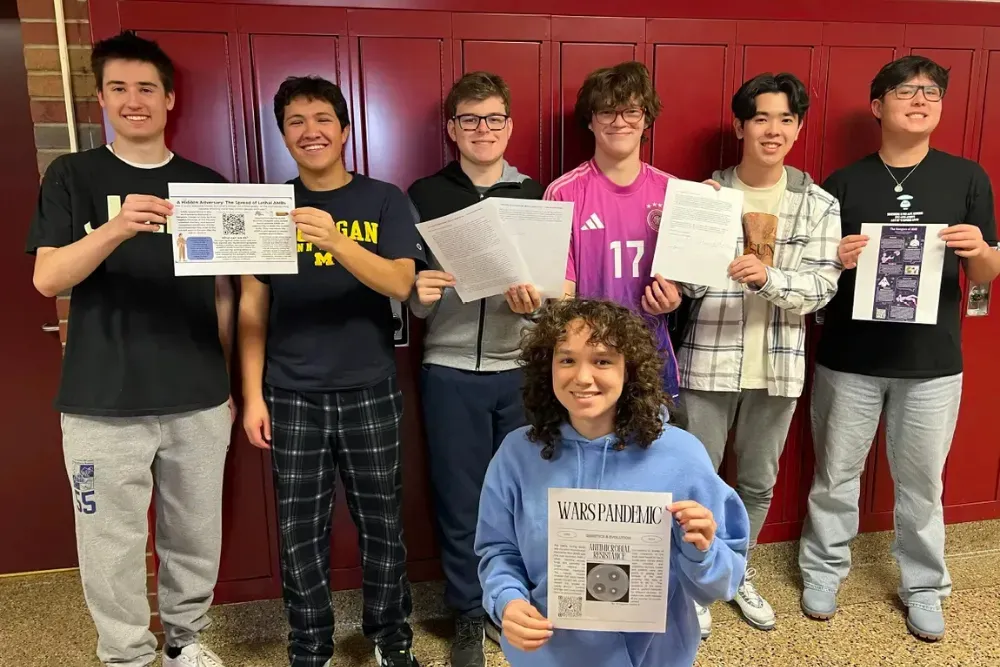
“Their reading of the Pulitzer Center story ‘Could a Conflict-Borne Superbug Bring on Our Next Pandemic?’ indeed hit close to home,” wrote Amy Frontier, a high school English teacher in Ann Arbor, Michigan. “They eagerly got to work raising awareness and advocating that more attention and funding be allocated to this issue.”
Last Saturday, a new Fellowship cohort met to discuss how members will connect over 1,000 students to projects such as The Insulin Oligopoly and the Diabetes Epidemic in Latin America from Salud con Lupa, Meet the Bangladeshi Scientist Who’s Helping the World Fight Cholera from Science, and Cuts and Consequences: The End of USAID from PBS NewsHour.
This week, we are excited to launch a call for proposals to our first K-12 Education Grant Program. Applicants will propose an educational project that creatively engages U.S. students and/or educators in global health topics using Pulitzer Center journalism. Selected participants will refine their proposals through a short workshop series in order to secure grants of up to $1,500 to implement their projects. We welcome applicants who serve students and/or educators in diverse contexts, including schools, libraries, museums, small businesses, and municipal programs. Please help us spread the word!
By connecting students and educators to the powerful health reporting we support, we believe that the next generation will gain the information and inspiration necessary to build a healthier future for everyone.
With gratitude,

Impact
Pulitzer Center grantee and Financial Times reporter Breech Asher Harani presented his film Chocolates Melting Away during the plenary session of the U.N. World Food Forum, attended by world leaders and advocates for sustainable food systems.
A collaboration between One World Media and the Financial Times, and with support from the Pulitzer Center, the film explores the lives of cacao farmers in Davao, Philippines, highlighting innovative solutions to the climate challenges threatening their crops.
The Pulitzer Center will soon select a filmmaker from the Global South to continue this media partnership with a new focus on health.
Photo of the Week

This message first appeared in the October 17, 2025, edition of the Pulitzer Center's weekly newsletter. Subscribe today.
Click here to read the full newsletter.
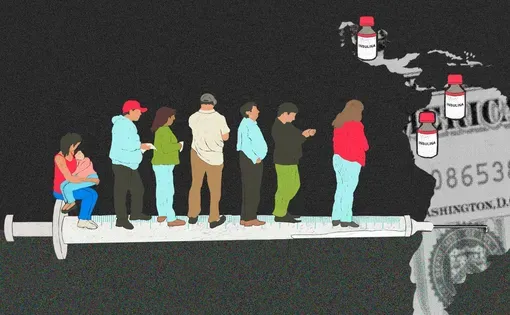
Latin American users often have to spend an entire minimum wage to obtain the medication.


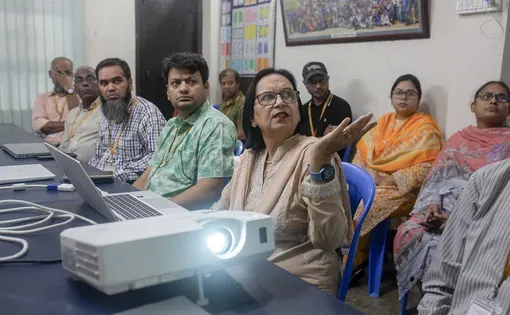
She leads the fight against cholera, a deadly infection that has surged globally.

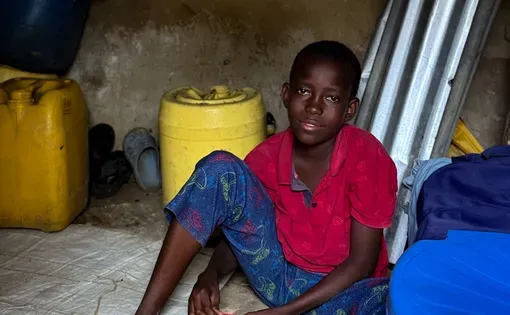
The impact of the Trump administration’s decision to shut down USAID



Project
Chocolates Melting Away
Climate change is an increasing threat to the crop and livelihoods in the Philippines.


The catastrophic effects of Unomia Stolonifera