Pulitzer Center Update October 15, 2025
The Power of Impactful Journalism at Festival Gabo
Country:


For a third year, the Pulitzer Center partnered with Festival Gabo, one of the most important cultural events for journalists and storytellers in Latin America. Through a masterclass, panel discussions, and workshops, the Pulitzer Center engaged audiences at the annual festival, held in Bogotá July 26-27, 2025.
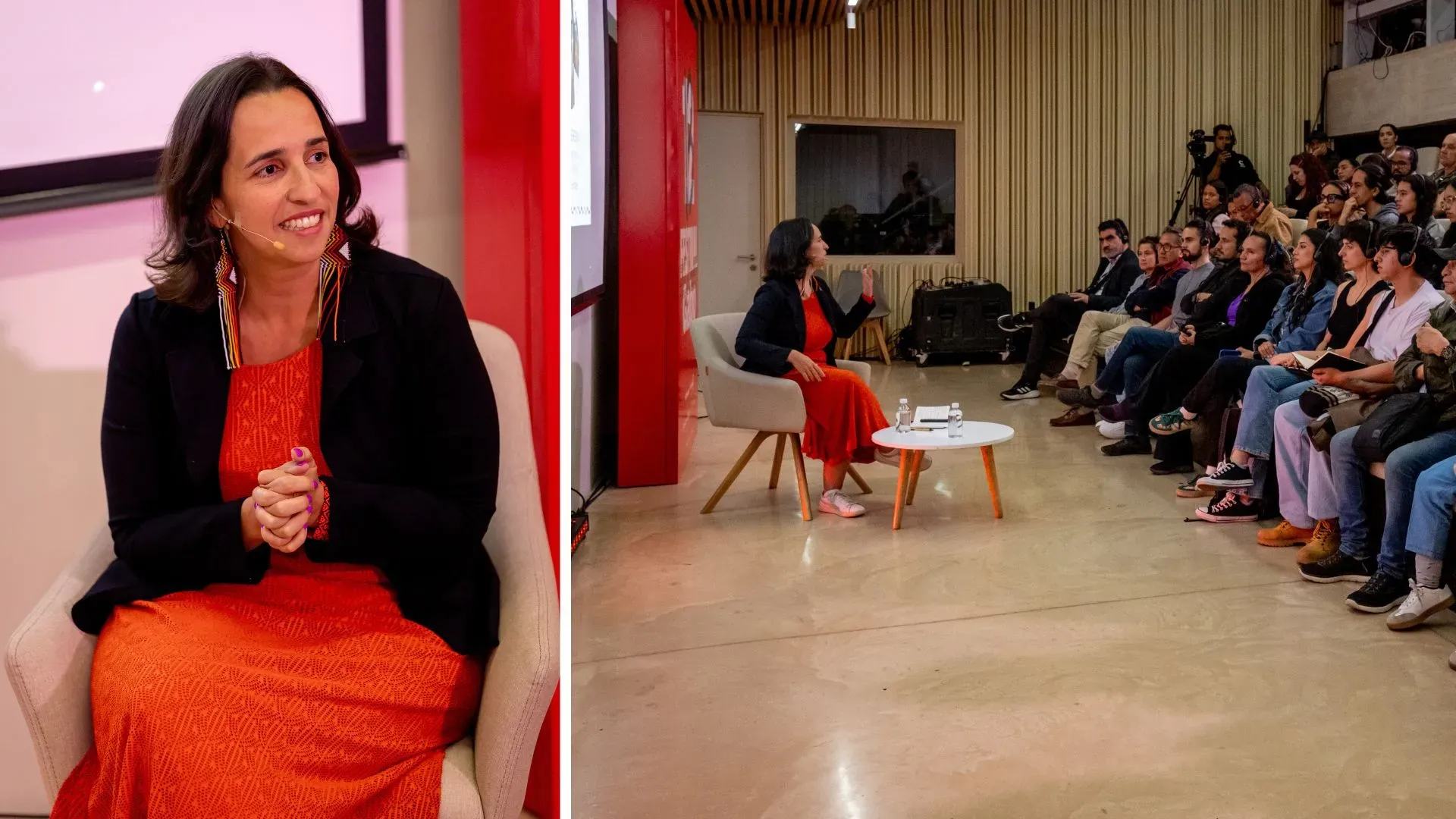
Chief Engagement and Education Officer Flora Pereira anchored this year's keynote session with a masterclass that explored how stories can be the vessel to build connections with the audience, enabling readers to take action and participate as changemakers.
Pereira also shared the Pulitzer Center’s impact model and methodologies for connecting research with communities, students, and decision-makers. She noted the importance of being intentional about the impact we seek to achieve through journalism: "There is a need for strategic approaches that place audiences and communities at the center, guided by clear theories of change that can generate measurable impact.”
Further, the masterclass looked at ways to measure impact beyond digital reach—by creating new beats, identifying gaps, and creating spaces for active citizen participation. There were about 80 participants at the session.
Fostering multi-stakeholder dialogues
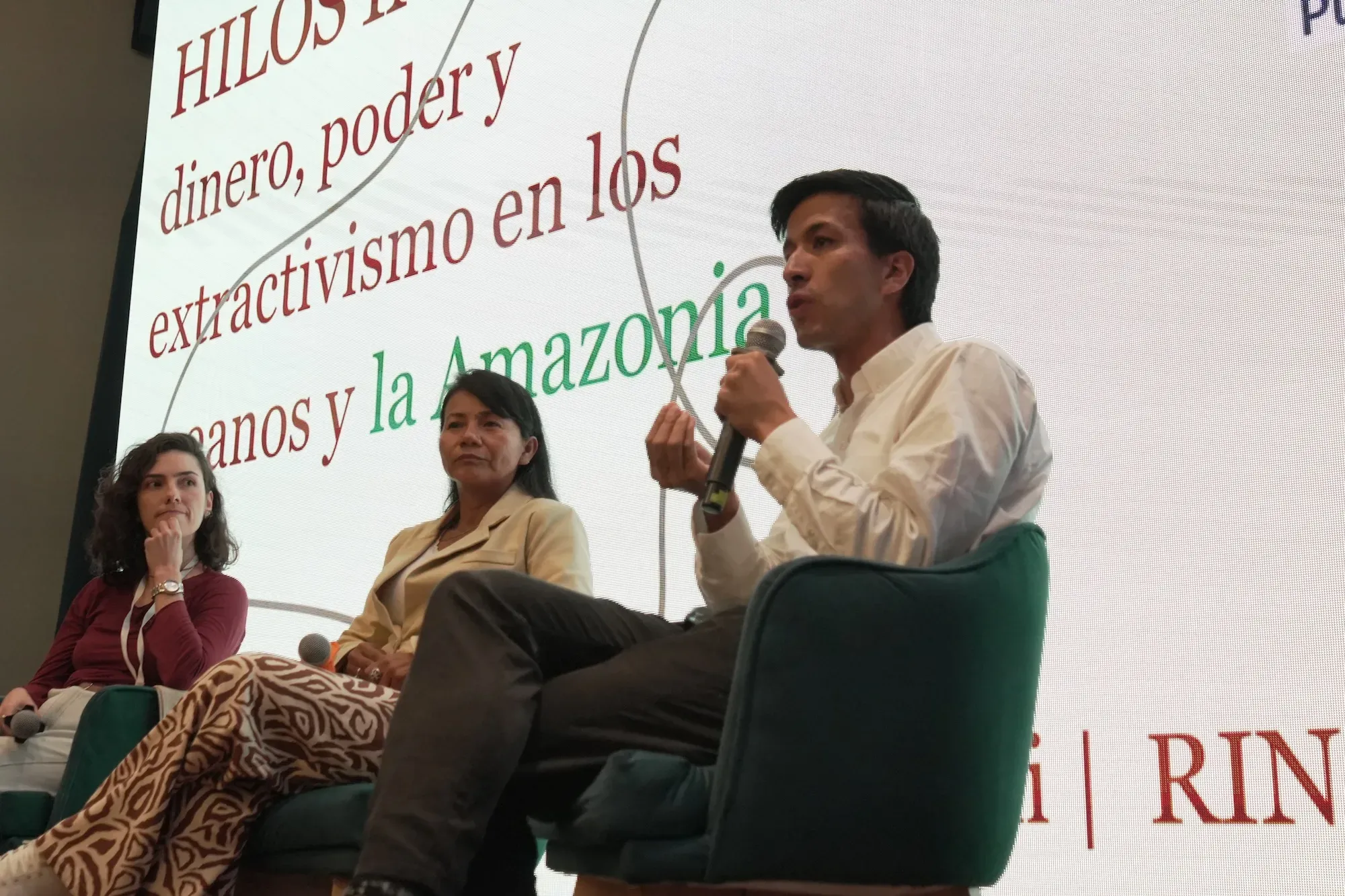
Engagement Manager Jonatan Rodriguez led a panel discussion titled “Invisible Threads: Money, Power, and Extractivism in the Ocean and the Amazon.” With more than 100 people in the audience, the discussion hosted journalists and civil society leaders—Lisseth Boon, a Venezuelan journalist and an Ocean Reporting Network Fellow; Bruna Bronoski, Brazilian journalist and Rainforest Investigations Network Fellow; and Anitalia Pijachi, Indigenous leader of the Okaina people. The two Pulitzer Center Fellows and Pijachi connected socio-environmental investigative journalism about ocean and the Amazon with the Indigenous voices that defend it.
Pijachi spoke about recognizing Indigenous communities as the primary defenders of the Amazon rainforest. She highlighted the need to build genuine trust and collaborations that empower these communities to act as agents of change and to explore their own solutions to the challenges affecting them and their territories.
Bronoski agreed on the importance of partnering with local communities to produce reporting that truly engages and connects with audiences, especially on complex issues such as the role of financial markets in driving deforestation in the Amazon rainforest.
Boon remarked on the value of collaborative reporting, stressing the need to extend efforts to crucial issues such as the future of the ocean. She emphasized the importance of using methodologies and storytelling approaches that link coastal communities with complex realities in Venezuela and across the region.
Journalism for lasting impact
Gustavo Faleiros, director of environmental investigations at the Pulitzer Center, gave a workshop that explored how organized crime, climate change, and supply chains require collaborative approaches by media outlets and countries.
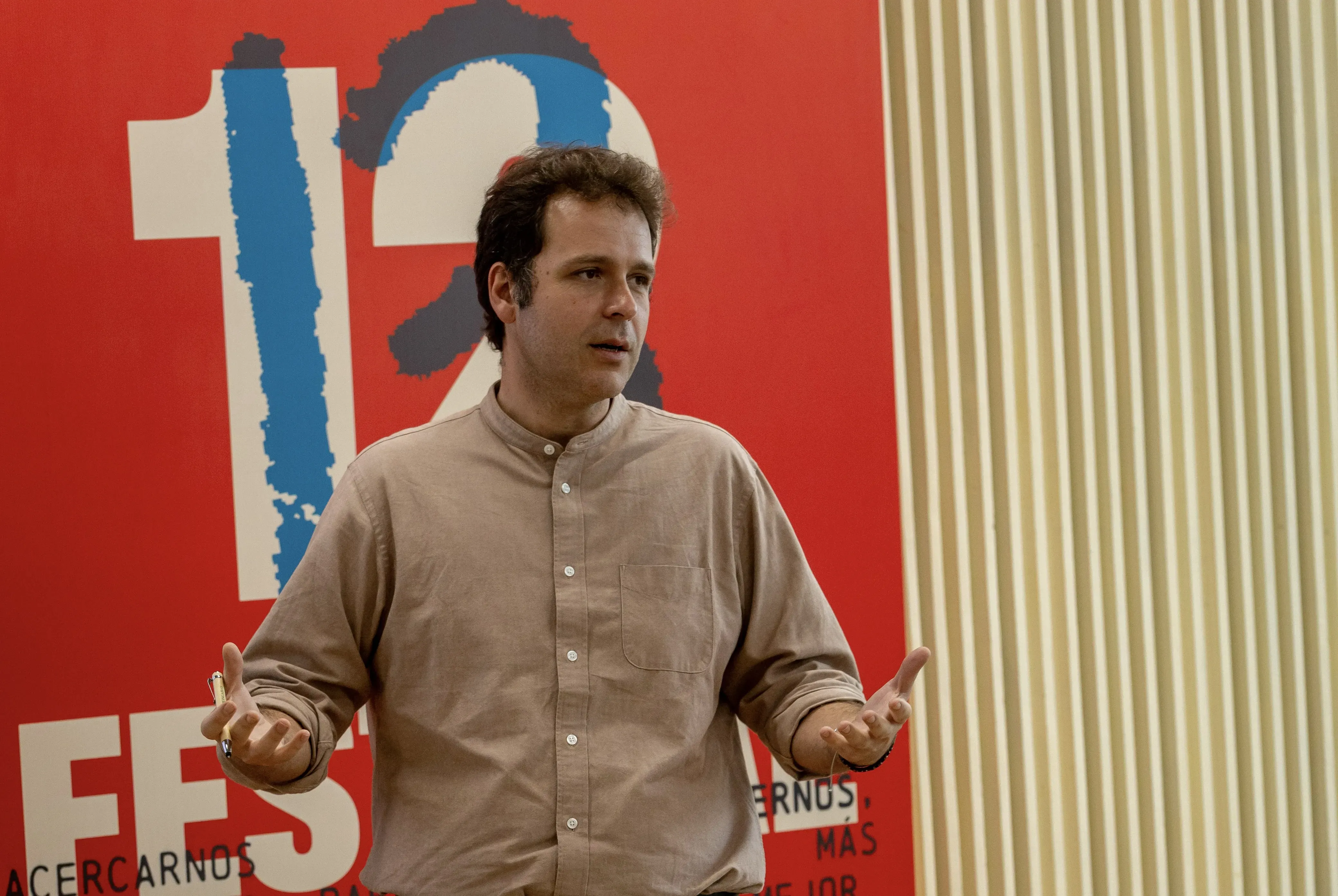
During the session, attendees learned about key tools and practical examples to strengthen leadership in investigations with a collaborative approach. Further, Faleiros presented key lessons and case studies from projects supported by Pulitzer Center.
A participant thanked the Pulitzer Center, and said these trainings help journalists move beyond a solo freelance approach toward a more collaborative and strategic model for managing reporting projects, ultimately creating greater impact.
Thirty-two journalists from across Latin America took part in the workshop.