Journalist Resource
 September 25, 2025
How We Investigated the 'Backyard of AI' in Spain, Chile, and Mexico

Project
The Backyard of AI
The boom of generative AI has launched tech giants into a race to increase their computing...

In October 2024, I came across a video in which Eric Schmidt, former CEO of Google, spoke bluntly about the environmental costs of artificial intelligence (AI). Schmidt, one of Silicon Valley's wealthiest figures, acknowledged that he preferred to “bet on AI solving the problem” of climate change rather than limiting its development, even though he knew that its “infinite” resource needs would exacerbate the current planetary emergency. “We're not going to hit the climate goals anyway,” he said.
By then, I had been researching the expansion of data centers by large U.S. technology companies in Spain for almost a year. I started with a mega-project by Meta that the company moved to a small Spanish town hit by unemployment and depopulation after being rejected in the Netherlands. Schmidt's words reinforced my idea that this was a long-term issue with much to investigate.
Weeks later, with the support of the Pulitzer Center, I embarked on a more ambitious project. I broadened my focus to two other countries, Chile and Mexico, to find out what was happening in three specific regions. These places are separated by thousands of miles but united by a common link: Amazon Web Services (AWS), Microsoft, and Google—the three giants, along with Meta, that dominate the infrastructure behind the AI business—were planning or had already built large data center complexes there.

As a nonprofit journalism organization, we depend on your support to fund more than 170 reporting projects every year on critical global and local issues. Donate any amount today to become a Pulitzer Center Champion and receive exclusive benefits!
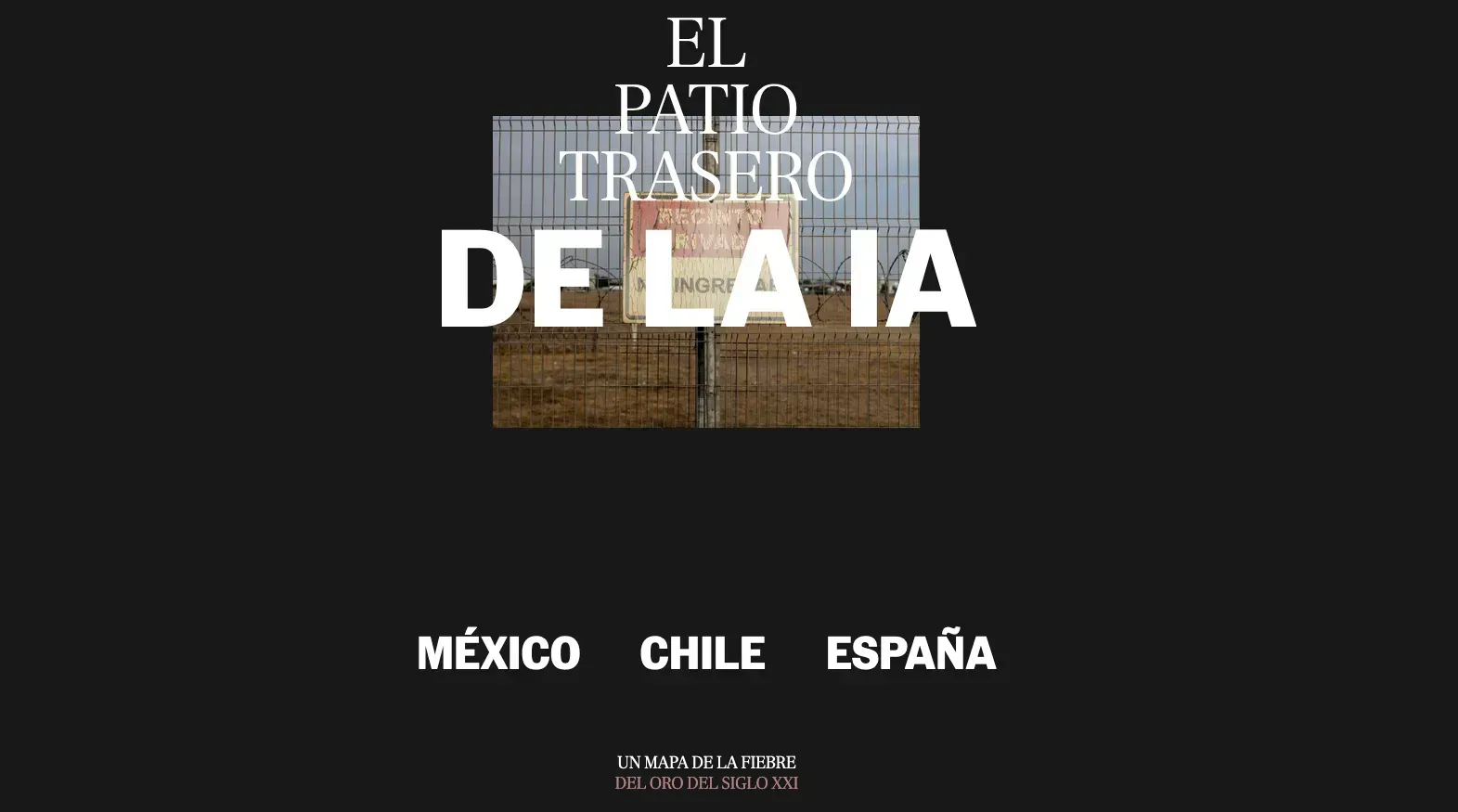
Last August, I published a feature piece in El País with several of the findings from this investigation: "The Backyard of AI: A Map of the 21st-Century Gold Rush" (English version here), a tour with stops in Aragón (Spain), Santiago (Chile), and Querétaro (Mexico) to explain a global phenomenon. It reveals how the tech oligarchy is searching almost desperately across the globe for land and natural resources to feed its server farms.
Following the emergence of ChatGPT, the use of basic resources such as energy and water by Big Tech has skyrocketed. This is largely due to the growing needs of this global web of data centers. These buildings are now designed for the largest and least sustainable generative AI models, the very ones that these companies promote.
From the outset, this project sought to learn the stories of the communities affected by extractivism which, as in other links in the production chain of the large AI industry, characterizes these infrastructures. But it also sought to investigate the role played by the different actors involved in this phenomenon. From the companies to the public authorities that grant them permits, to the civil society organizations that oversee these projects.
How we did it
While the work in Spain was already underway with a focus on the Aragon region, the selection of locations in Latin America followed a specific criterion: emerging regions for this industry that would mirror what is already happening in other parts of the globe. Key to this was local press coverage of these investments and the work done by researchers Ana Valdivia in Mexico and Marina Otero Verzier in Chile.
To investigate in both countries, I decided to look for two local journalists to collaborate with. Muriel Alarcón (Chile) and Daniela Dib (Mexico) accepted my proposal and became two key pieces of the project. In my first meetings with Muriel and Daniela, I told them I was interested in getting new info and data on three main topics:
- The strategies Big Tech companies are using to build their centers in Santiago, Chile, and Querétaro
- The impact these complexes have on the local communities where they're built and
- The environmental effects on the ecosystems where they're located
At the same time, I was making progress in Spain on my own, following a similar roadmap. Months earlier, in June 2024, I had begun sending requests for access to public information to various administrations:
- Local governments (ayuntamientos) and the regional government (Comunidad Autónoma) in Aragon
- Spanish government
- European Commission
I asked all of them about the annual water consumption of three complexes that AWS opened in Aragon in 2022, a project that aspires to be the largest regional network of data centers in Europe. I asked for this data so that I could compare it with the estimates that the company had given before construction. In some cases, I also asked for other data on their environmental impact.
In Spain, each administration applies transparency laws differently and through various channels. I wrote each request, both in Spain and in Europe, according to the regulations applicable to each location. I also looked for loopholes through which to obtain a favorable response. For example, I did not ask local governments for data on the water usage of a specific company, but rather on the annual variation recorded in the industrial areas where these centers had been built.
However, six months after starting this task, the results were far from my initial expectations. The authorities who responded—several did not—claimed that they either did not have the data or could not give it to me because of its confidential nature. They also argued that it posed a risk to the commercial interests of the companies.
It is very common for Big Tech companies to require local authorities and communities to sign strict non-disclosure agreements (NDAs) as a prerequisite to any agreement. Similarly, neither AWS nor the other Big Tech companies allow journalists to enter their data centers.
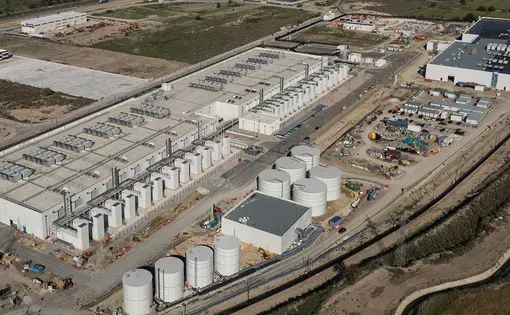
Knowing these two constraints, I traveled to Aragon for the first time in December 2024. Several visits to the exterior of the AWS complexes helped me understand many of the technical details I had previously read in the environmental assessment reports submitted to the authorities. It also helped me to verify some of their content.
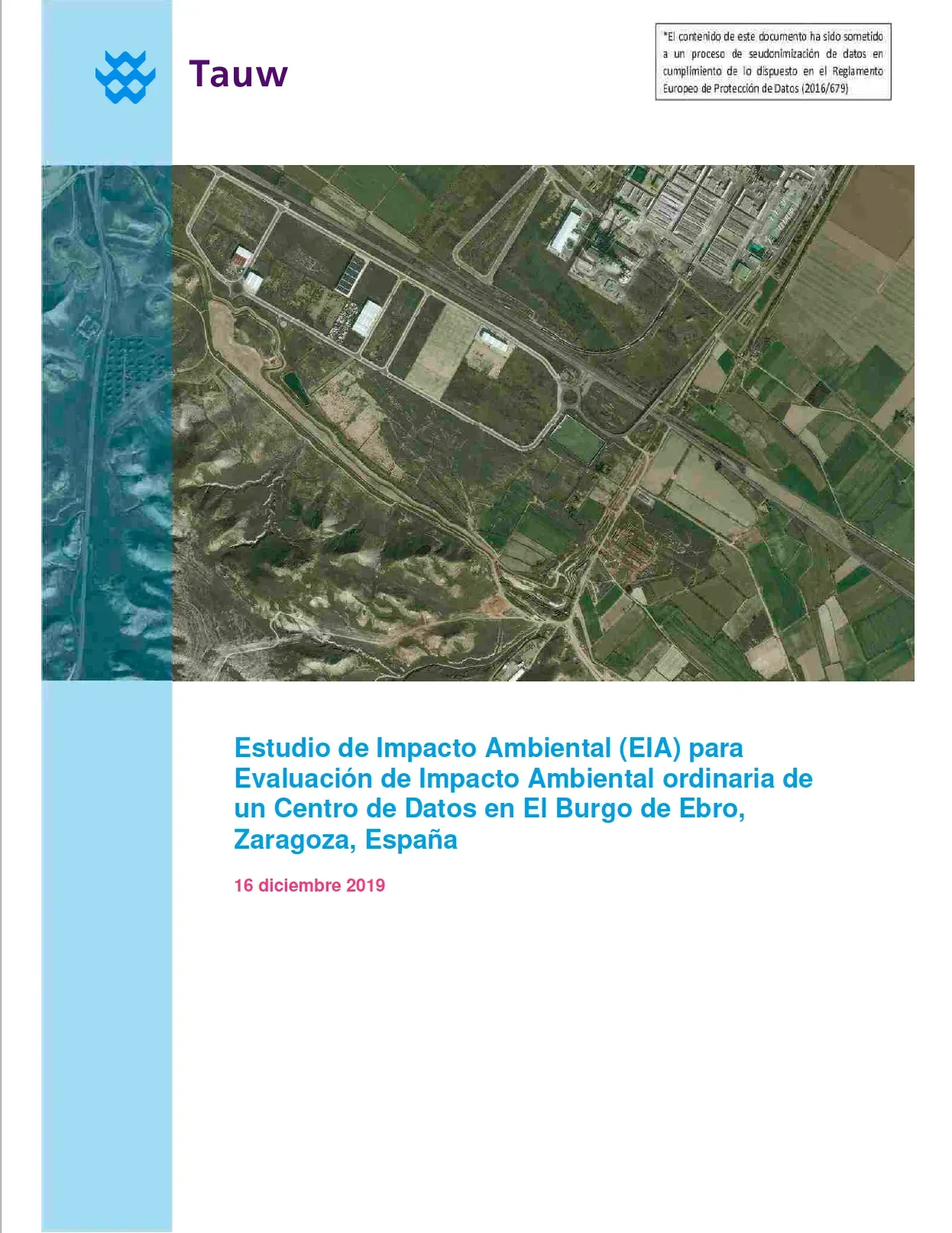
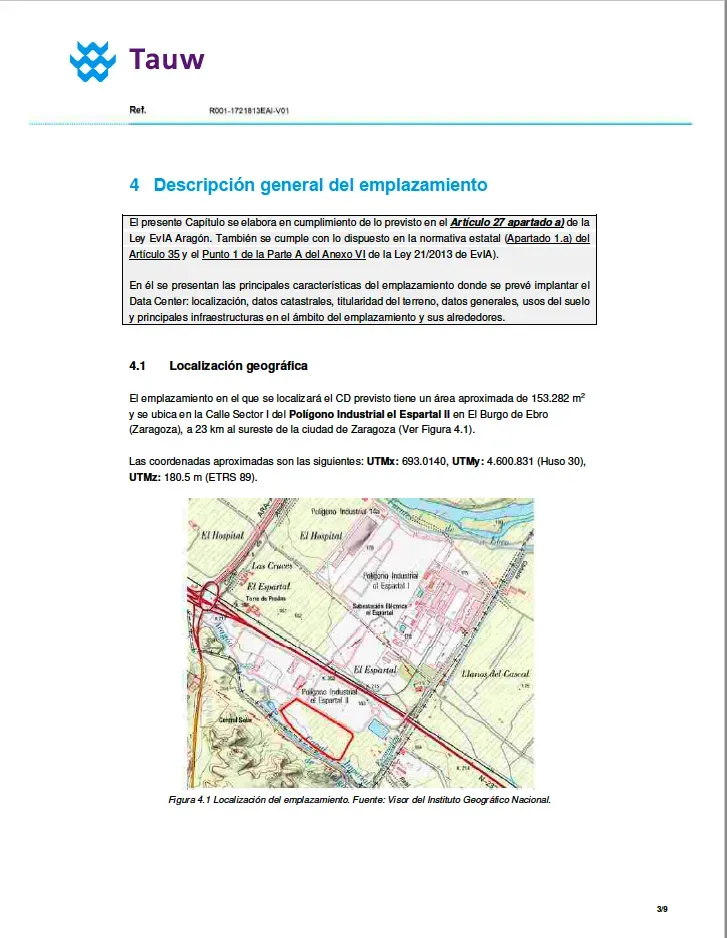
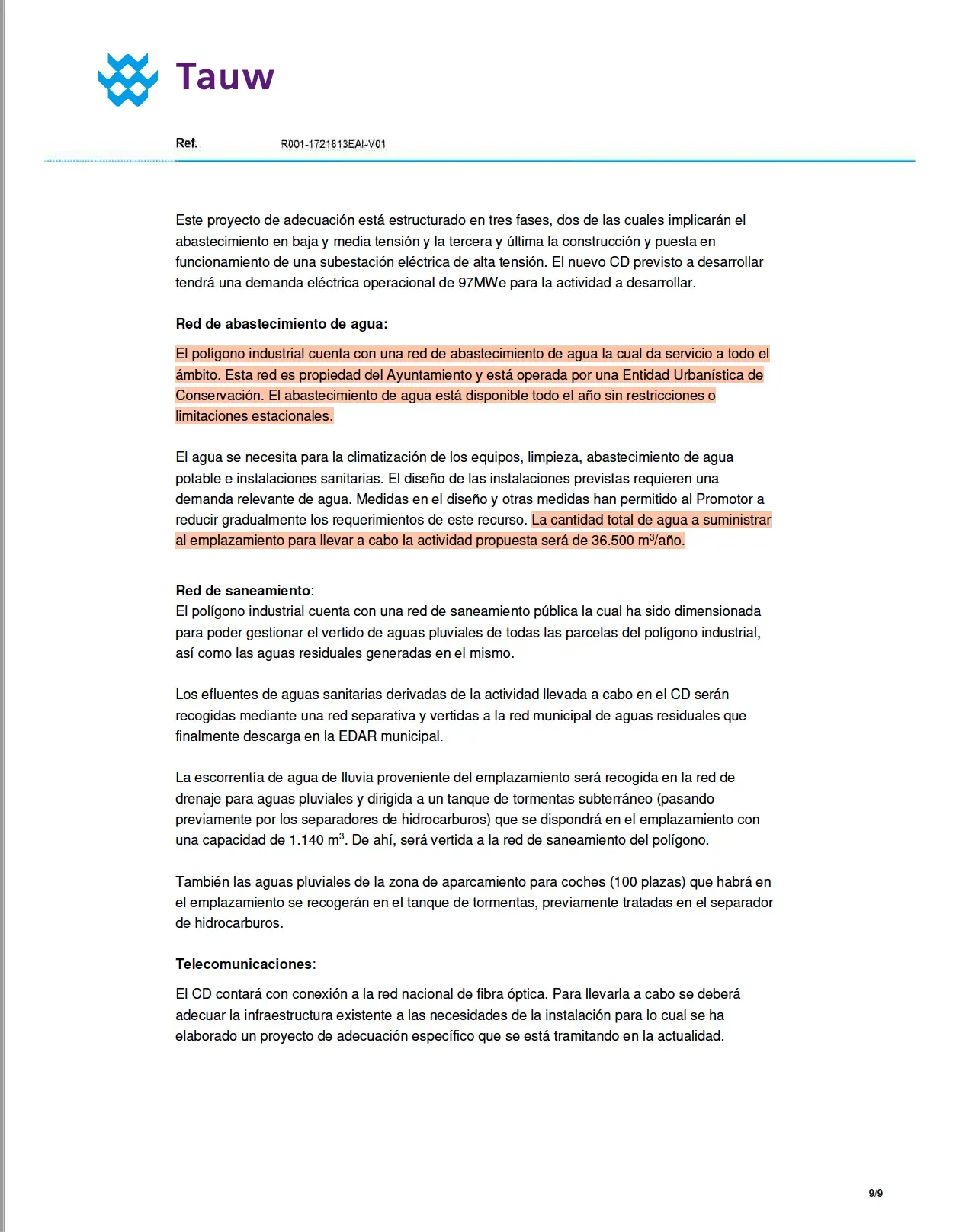
These technical documents, when available, are a key source of information for investigating the impacts of any data center. They are usually documents that exceed a hundred pages and therefore require patience and a clear strategy on what data to look for. It is also important to keep in mind that these are reports produced by the company itself (usually through a consulting firm paid for this purpose) that may be inaccurate and become obsolete over time.
This first field trip to Aragon—I would return again in May 2025—helped me establish links with various sources that have proved key to the project as a whole.
With these ingredients, in March we published a long feature on the opacity surrounding the water impact of AWS data centers: "Deciphering AI's Water Consumption: How Amazon Hides How Much Its Cloud Drinks in Spain." In addition to explaining the lack of public mechanisms to regulate this industry, we also revealed exclusive data—obtained through a transparency request—that indicated that one of the three centers was using much more water than the company had acknowledged. Just a few days later, the company itself confirmed our hypothesis and admitted to using 48% more water than it had reported years earlier.
Chile
One of the first steps we took in Chile was to interview a senior official from the Environmental Assessment Service (SEA). This public body is responsible for evaluating private projects with a potential environmental impact in the country. The interview gave us the keys to better explore the SEA website, an almost inexhaustible source of documents and information on data centers already built or planned in the country.
Unlike in Spain and Mexico, in Chile, several social organizations have in recent years consistently opposed (or at least questioned) the arrival of large centers in their communities. There is therefore a wide range of voices in the country that have first-hand knowledge of these experiences, either because they have led them or because they have studied them in detail.
Throughout the project, we have spoken with Sebastián Lehuedé, Nicolás Díaz, Paz Peña, Rodrigo Vallejos, Alexandra Arancibia, and Tania Rodríguez, among others. All of them have provided us with key insights into what has happened in Chile over the last five years and the experiences of resistance to this industry.
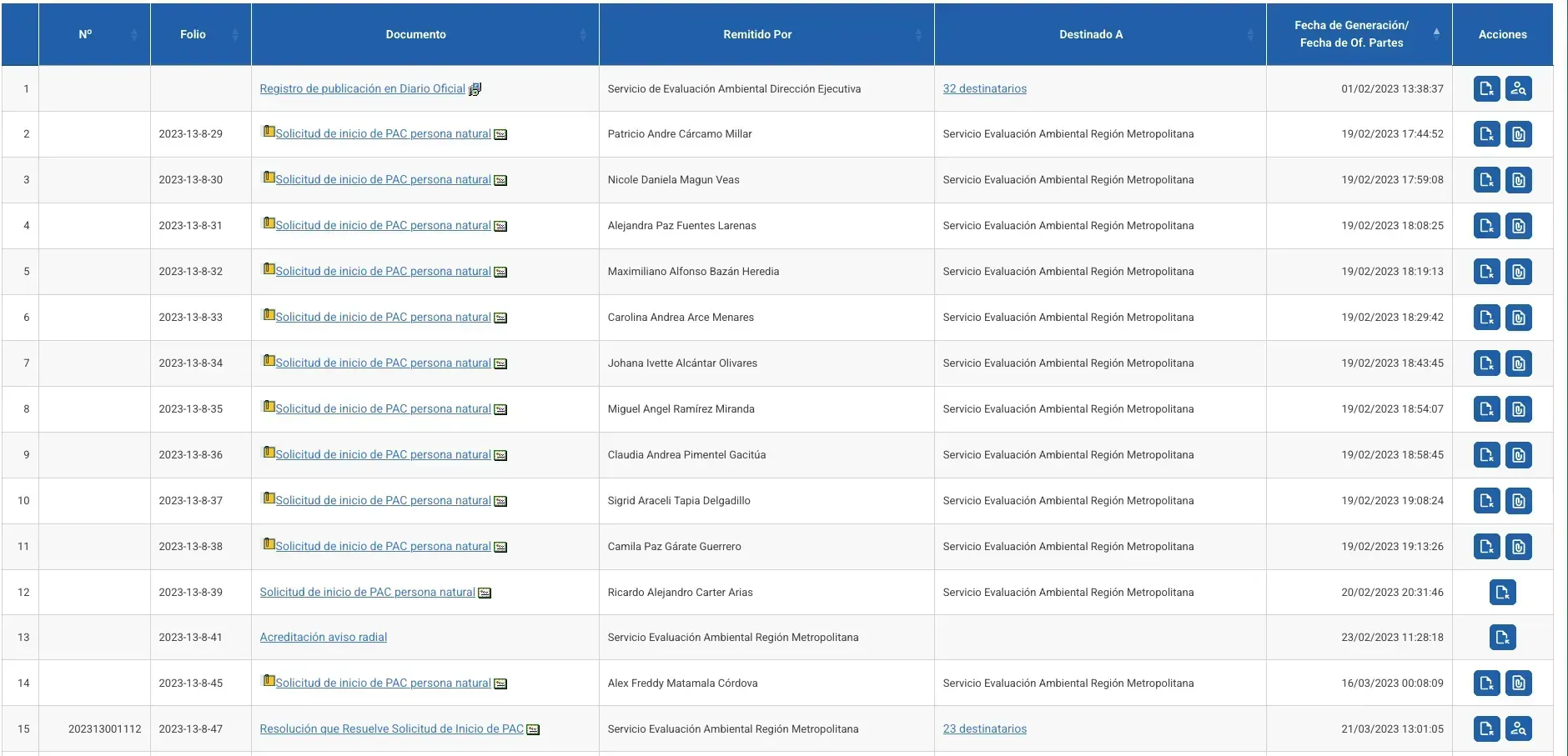
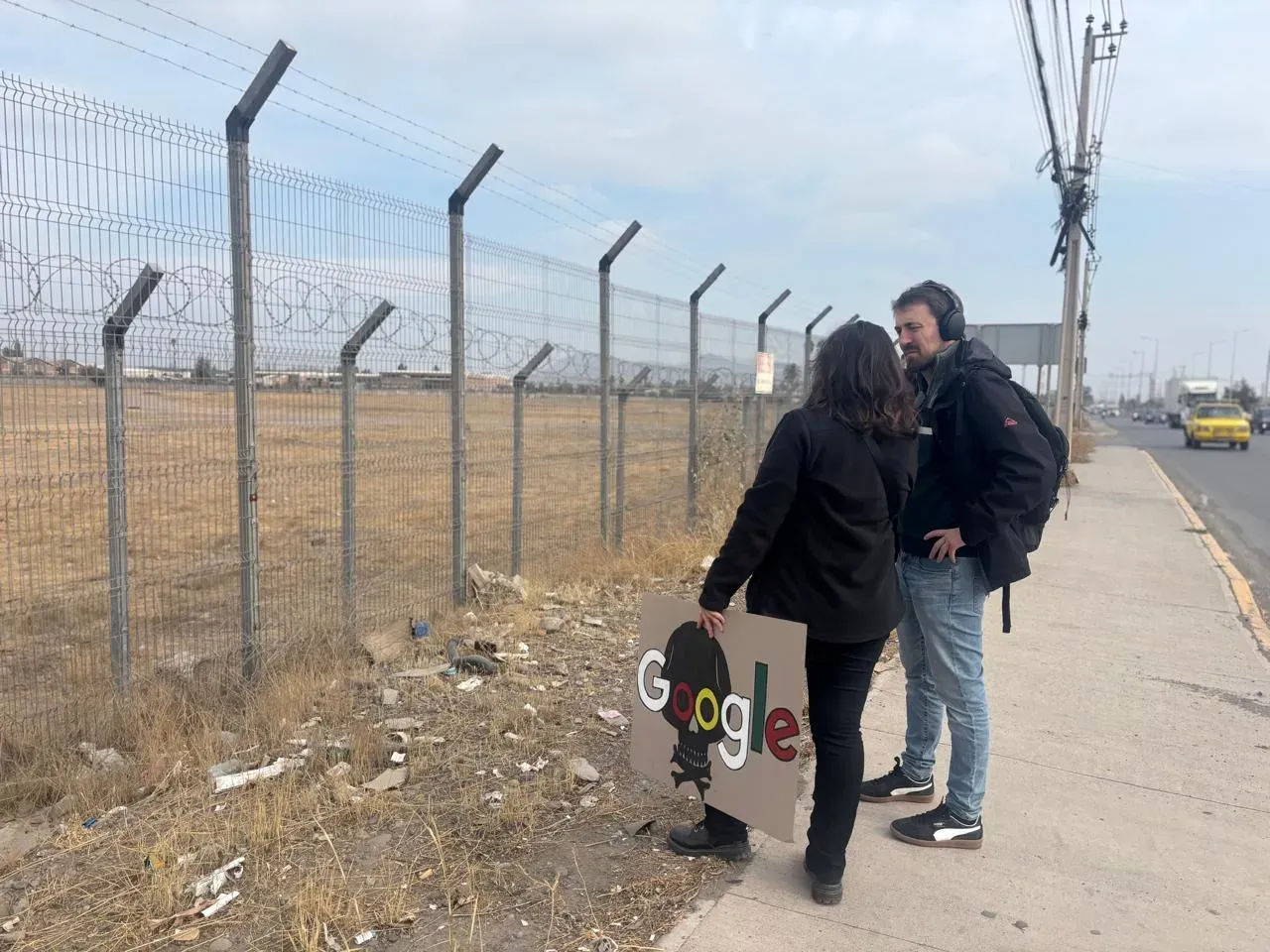
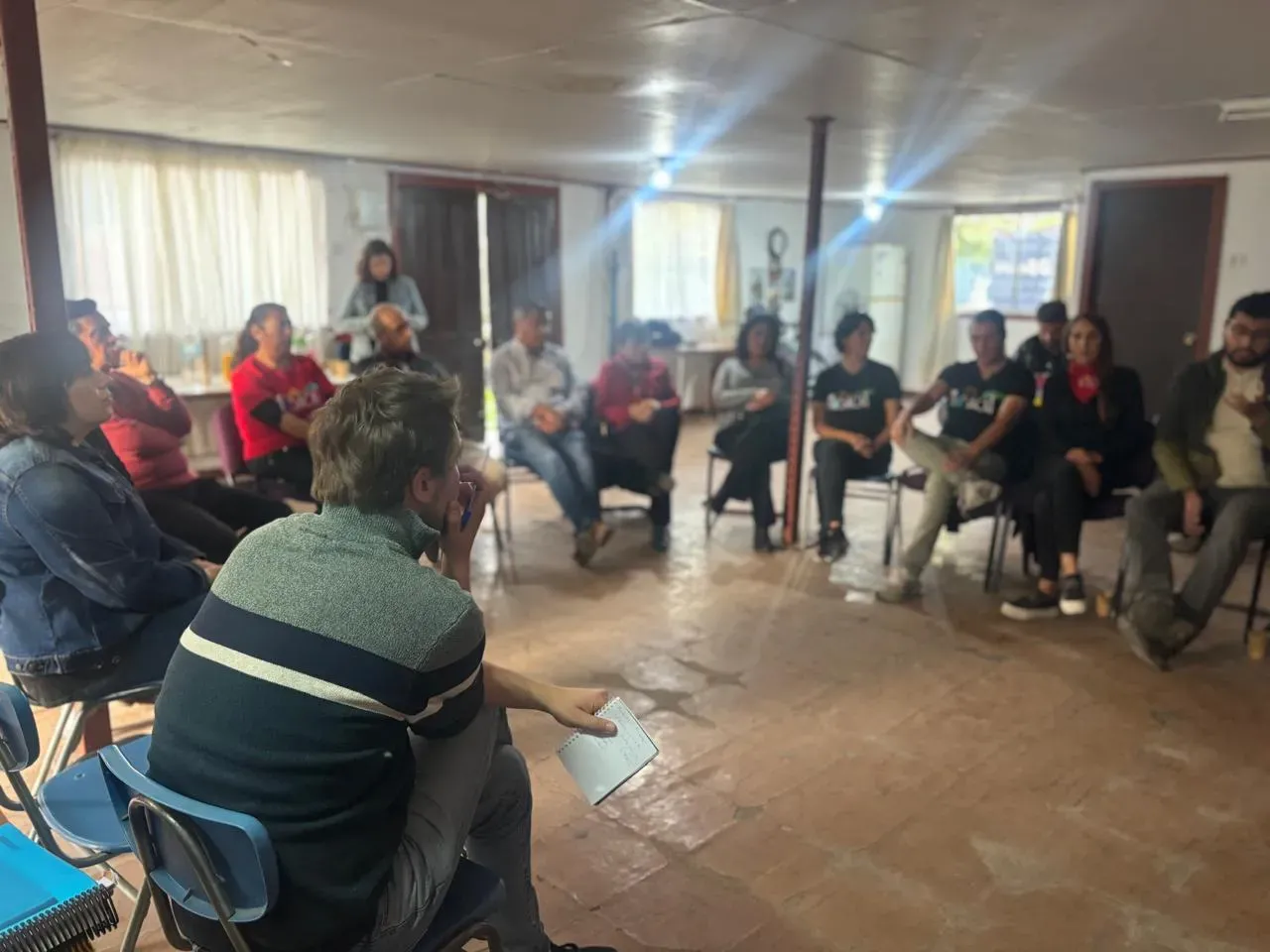
In April 2025, Muriel and I met in Santiago, Chile, to report on the ground. She had already reported on this topic, so she had relevant contacts to get to some of the stories that best exemplify the tension between the corporate interests of Big Tech and the needs of local populations. During those days, we conducted more than a dozen in-depth interviews and established links with voices in three comunas (municipal districts) of the Chilean capital: Cerrillos, Quilicura, and Huechuraba.
We found one of the most novel stories in Huechuraba. In this working-class district on the northern outskirts of Santiago, AWS is building one of its three new complexes in Chile. In recent years, we have seen several cases in which large technology companies have concealed their real identity in the early stages of a project, thus avoiding having to be accountable to the public and the authorities. In Huechuraba, we found a twist on this corporate strategy: the use of shell companies to conceal the land grab for the energy infrastructure that will power in the future the expansion of the data center.
Since discovering AWS's intentions, local residents have opposed the construction of the complex. Among other reasons, they are concerned about its impact on the hill surrounding their homes, the only green space in the area, through which a line of 24 high-voltage towers would pass. The company has officially disassociated itself from the towers and claims to have nothing to do with them.
Patricio Hernández, a resident of Huechuraba, has compiled multiple pieces of evidence in recent months that directly link AWS to this project attached to the data center. Our work consisted of verifying the long list of company names and dates through Chile's land registry and other public sources of information. This data allowed us to trace a clear chronology of the steps taken by AWS in this project and thus demonstrate how the company hides its identity in order to avoid greater resistance at the local level.
Mexico
One of the challenges of working on the same story in three different countries is adapting your approach to the local reality. The Mexican state of Querétaro has become a destination for dozens of large data centers in record time. But unlike Chile and Spain, here companies do not have to submit environmental assessments in advance to obtain approval from the authorities.
For several months, Daniela Dib made multiple transparency requests to different public bodies. Among other questions, she asked about possible technical reports and data related to the use of water by these centers in a region suffering from severe drought. One of the initial obstacles in this task was that we did not know the names of the subsidiaries with which Microsoft, AWS, and Google operate in Mexico in the cloud business.
Fernanda Buffa and Alexandra Waddell, from the Pulitzer Center's Data and Research team, helped us find them through searches in public records and on OCCRP's Aleph platform. Similarly, based on the clues we already had, Eduard Martín-Borregón, a data journalist at Abrimos.info and an expert in transparency, helped us dive into the history of responses to transparency requests in the country.
One of the documents we found in that information dump—a license to exploit an underground well in Microsoft's name—allowed us to confirm one of the hypotheses drawn from our fieldwork: that large data center operators in Querétaro are extracting water from already overexploited aquifers.
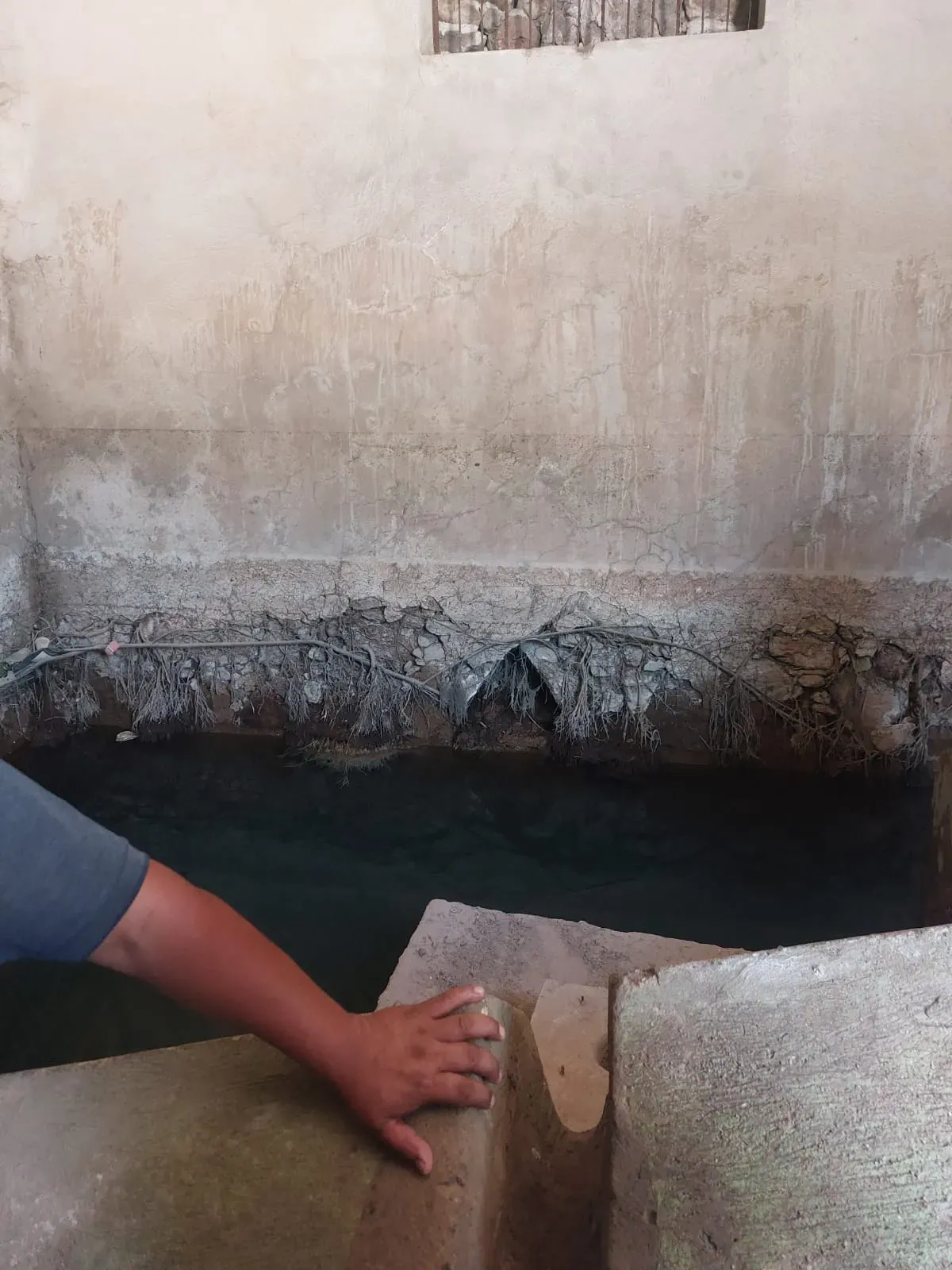
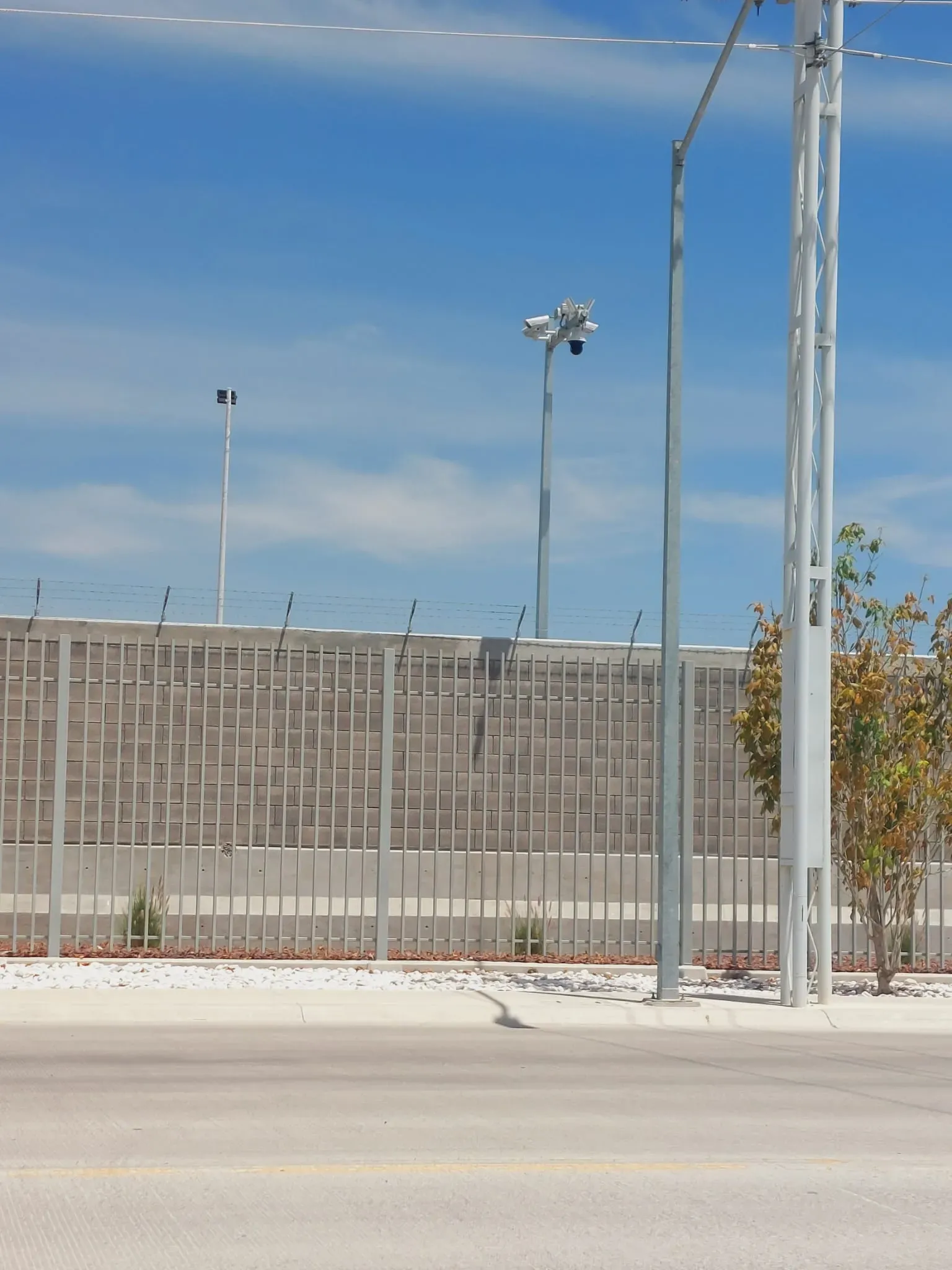
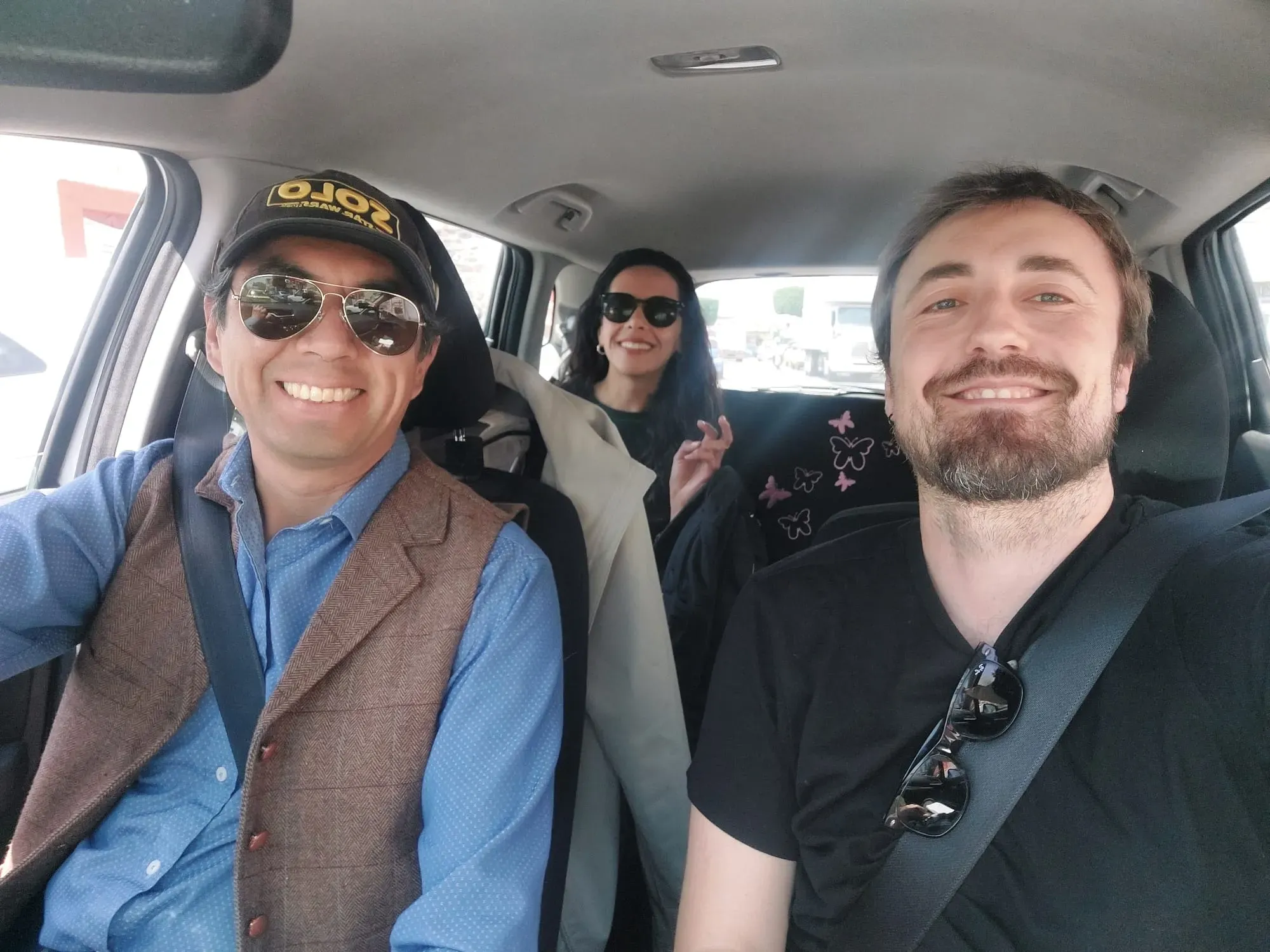
After passing through Santiago, Chile, in April 2025, I traveled to Querétaro with Daniela. One of our objectives on the ground was to try to locate Microsoft, AWS, and Google data centers in the region on the map. Neither the state government nor the companies themselves make this information public. To add to the difficulty, in Querétaro these centers are usually located within private industrial parks that are not easily accessible.
A key source in Querétaro was researcher Lorena García Estrada. This environmental geographer put us on the trail of, among other things, a report by Microsoft and UN Habitat on the communities near the data centers. This work highlights the shortcomings faced by the populations in the area and the problems of access to water. It mentions, for example, communities such as Viborillas and La Esperanza. There, we collected testimonies and information to understand how the drought of recent years has transformed this region north of the state capital.
Lessons learned:
Over the past two years, journalistic work on the infrastructure that underpins the AI business has intensified. There are therefore many ways to investigate the impacts of data centers. There are also many possible approaches to telling relevant stories. Based on my own experience with this project, here are some of the lessons I have learned:
- Work as a team. This is a complex issue that requires resources to investigate, especially if your goal is to cover several countries simultaneously. Involving Muriel in Chile and Daniela in Mexico allowed me to go much further in two countries where I had never worked before. During the course of the project, I also sought help from journalists with special expertise (transparency and data, OSINT techniques, etc.).
- From local to global. As a global phenomenon, the expansion of data centers across multiple regions offers many places to look. It is easy to get lost among the succession of centers announced or built. Based on your interests and available resources, choose carefully where to focus your efforts—it could be a company, a region, or even a specific investment. This local perspective will allow you to tell human stories that will spark the interest of non-specialist readers and serve as a thread to explain global dynamics driven by transnational companies.
- Follow the trail of public documentation. Pointing out the opacity surrounding this industry is nothing new. Even so, even in places where the lack of transparency is most pronounced, there will be a trail of documentation in the hands of the authorities (prior environmental assessments, permits, monitoring reports, etc.) that will be very useful to you. The techniques for obtaining them can be varied (transparency requests, industry sources, public information portals, etc.) and also frustrating—sometimes it takes months of work to obtain a single document… or nothing at all. But the reward, when you do get the right information, is very high.
- Go out into the field. Data centers are ugly buildings surrounded by heavy security and usually located in industrial areas. Going to the field may seem pointless, but it isn't. Do the necessary pre-reporting work through the sources you already have (documents, data, insiders, etc.) and identify the elements of the infrastructure or its surroundings that interest you most. This might be the water system used to refrigerate the servers or the buzzing sound surrounding the complex. If there are towns in the immediate vicinity of the center, it is also essential to listen to the communities that live there. These insights collected in the field will lead you to new discoveries and provide your future stories with the level of detail needed for a rich, human-centered story about the physical elements behind AI technologies.
- Build alliances. Academic researchers and civil society are increasingly taking interest in understanding the implications of the data center industry, beyond the self-serving narrative of Big Tech and other private actors. Among them, of course, are the local resistance groups that are emerging in many places. Listening to them, sharing knowledge, and establishing as balanced a relationship as possible—far removed from extractive journalism—are guidelines to follow.