Story
 October 1, 2025
Caught Between Oceans and Markets: Illegal Hammerhead Shark Fishing in Costa Rica
Country:

The country has fallen behind in marine protection.
In Costa Rica, the fight to protect hammerhead sharks is faced with the realities of illegal fishing and government inaction. The apex predator, though feared by some sea life, is actually one of the most fragile shark species in the world, according to the Save Our Seas Foundation. Upon capture—even if accidental—they have a high mortality rate.
In June 2023 the Costa Rican supreme court decreed that hammerhead sharks are wildlife; therefore, they cannot be commercialized or exported out of the country. Yet, this is still happening through “bycatch”—accidental capture that lets fishermen, both small-scale and commercial, get away with making some extra cash.

As a nonprofit journalism organization, we depend on your support to fund more than 170 reporting projects every year on critical global and local issues. Donate any amount today to become a Pulitzer Center Champion and receive exclusive benefits!
“It's illegal to export any of these threatened sharks that are listed under the CITES convention [Convention on International Trade in Endangered Species of Wild Fauna and Flora],” said Randall Arauz, a marine biologist and hammerhead shark advocate. “And here we are doing it.”
The following images capture small-scale fishermen at work off the coast of Paquera, shark meat found in fishing markets in Puntarenas, and a team of marine biologists out in the middle of the Pacific Ocean to tag hammerhead sharks.
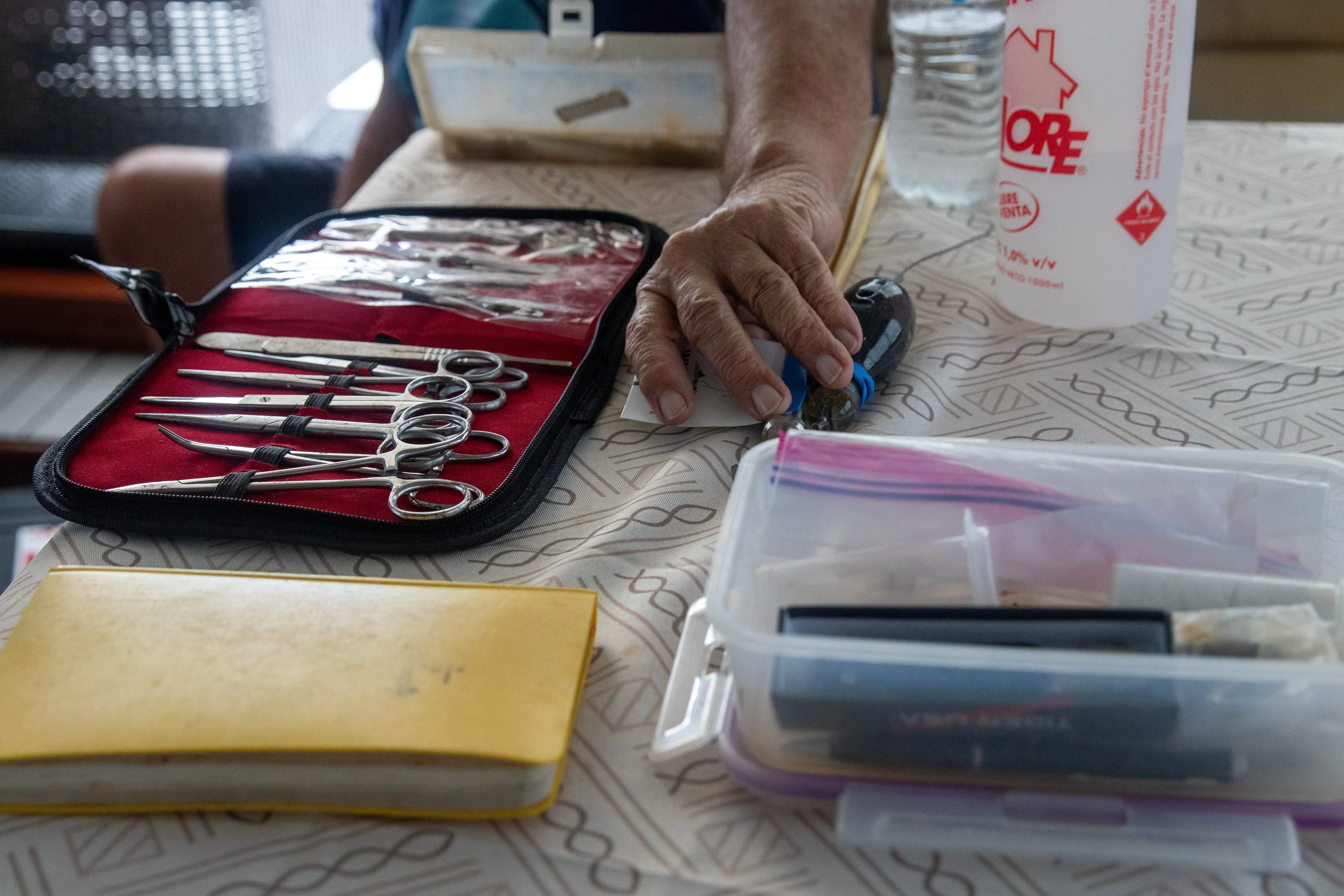
Marine biologist Randall Arauz grabs a passive archived transmitter after laying out supplies necessary to tag thresher and hammerhead sharks with his team of marine biologists on June 17.
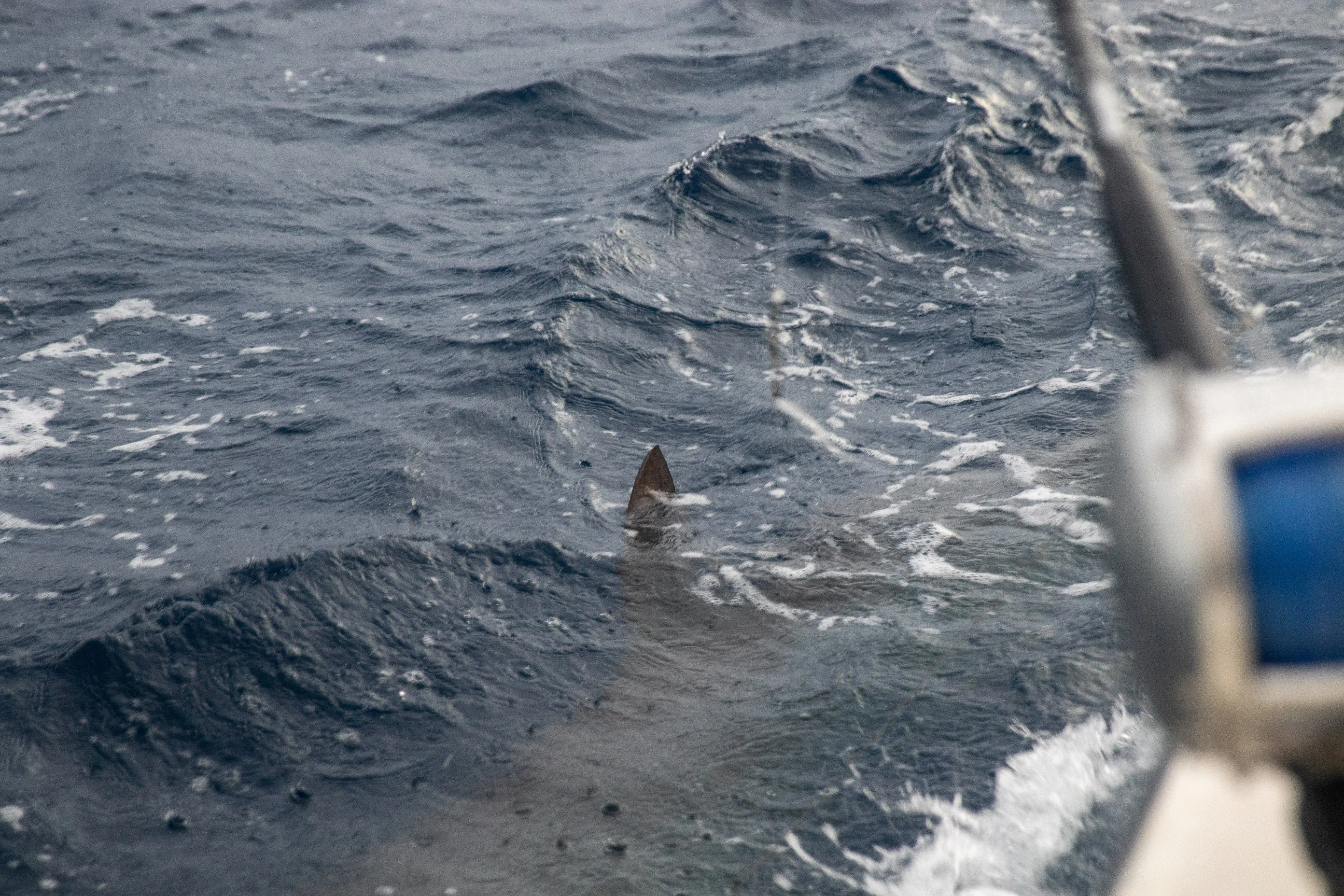
A hammerhead shark is spotted lurking by the boat The Thumper on June 17. Fishing lines were cast out so Randall Arauz and his team of marine biologists could catch and tag the shark.
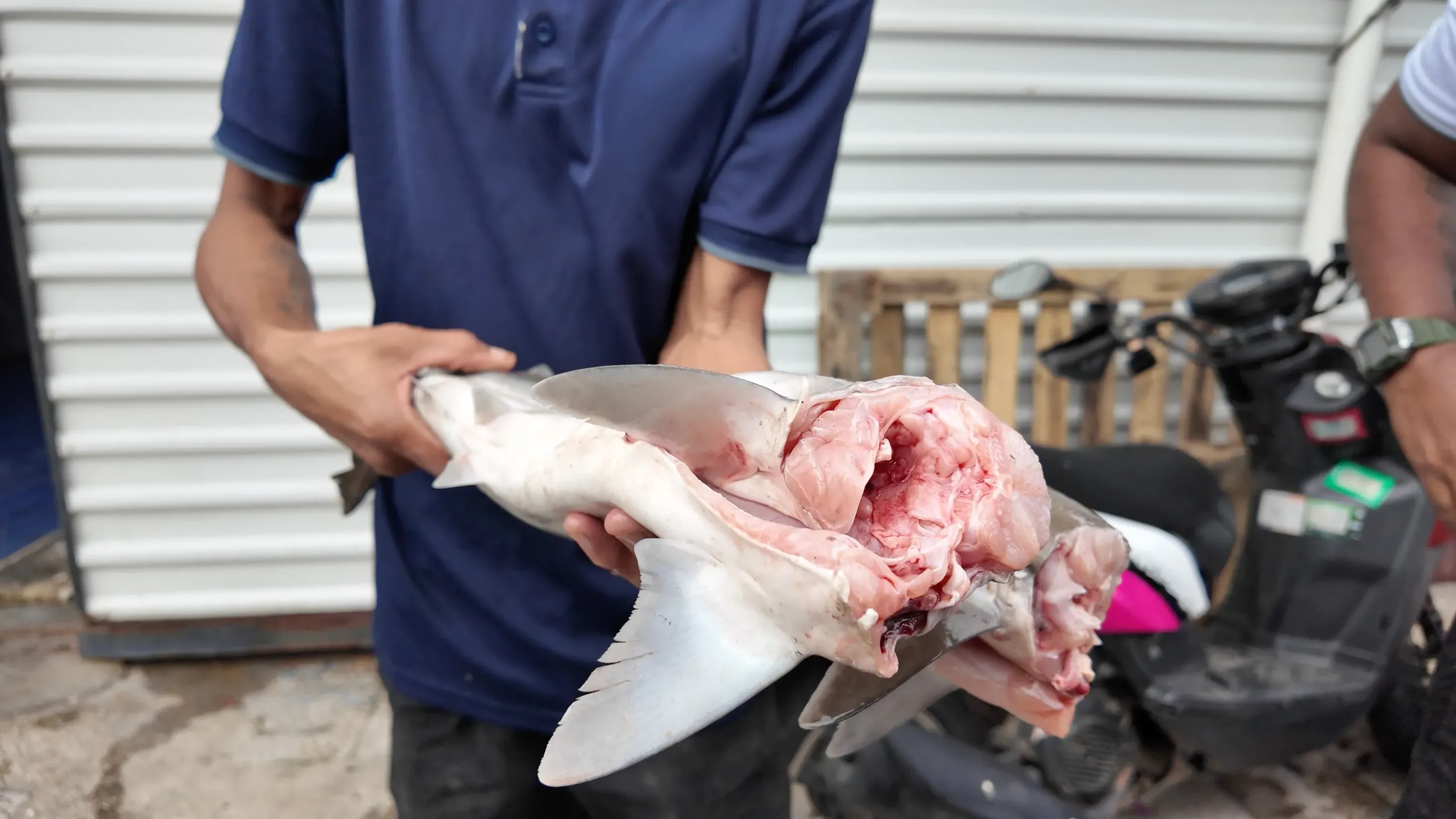
A market butcher holds up two baby sharks that Randall Arauz suspects were hammerheads on June 12.
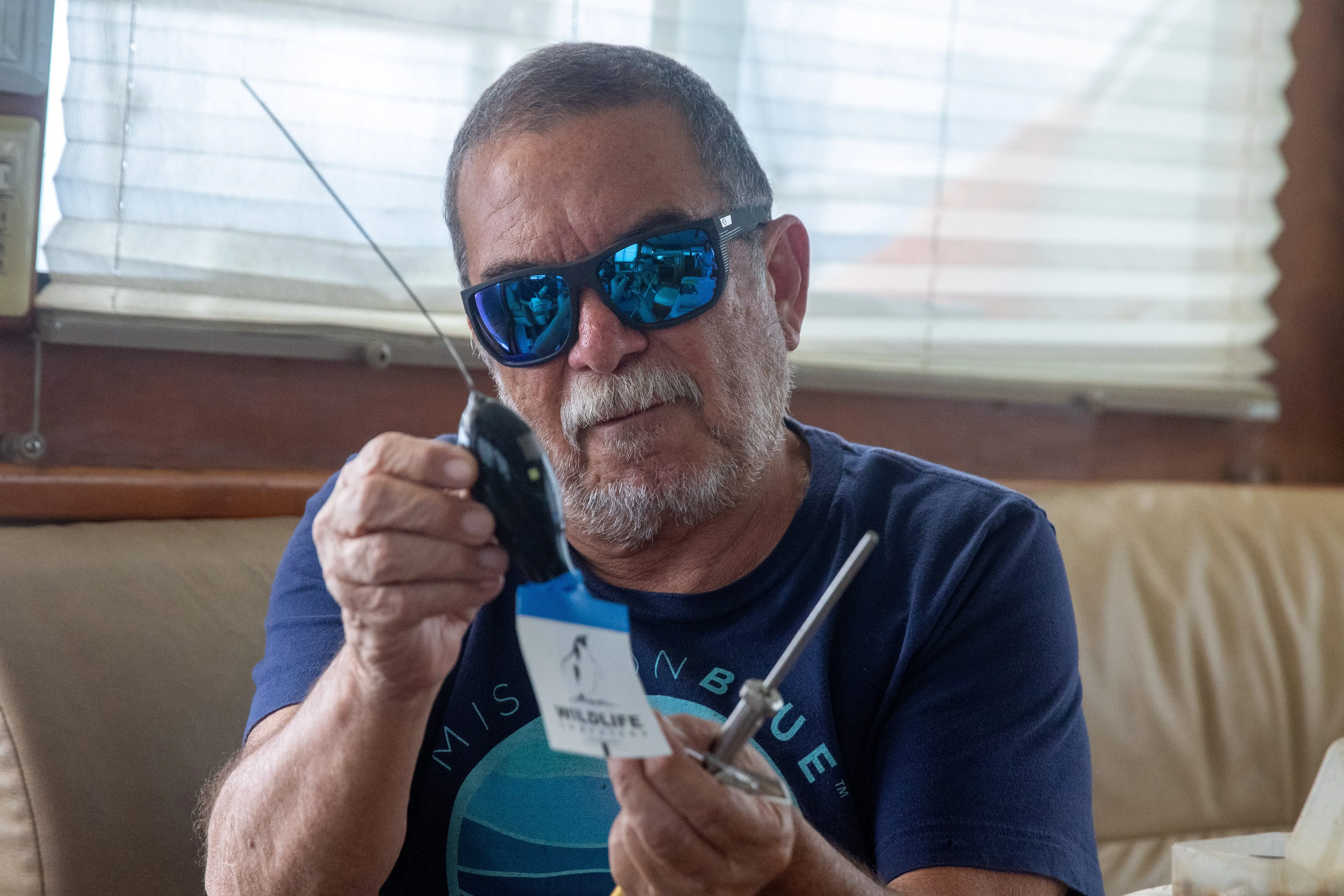
Randall Arauz holds up a passive archived transmitter, which he intends to attach to five hammerhead or thresher sharks. Each transmitter costs roughly $3,000.
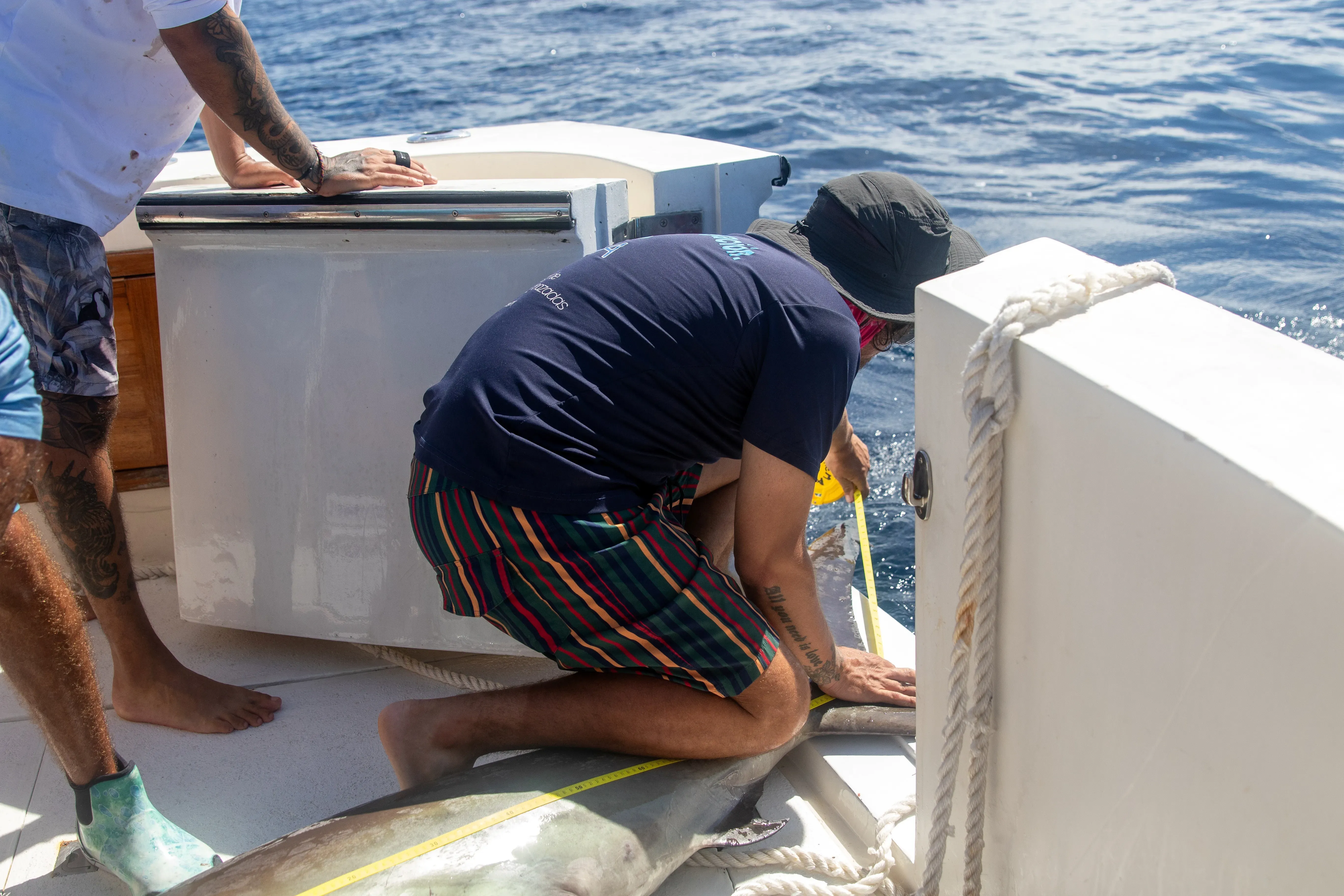
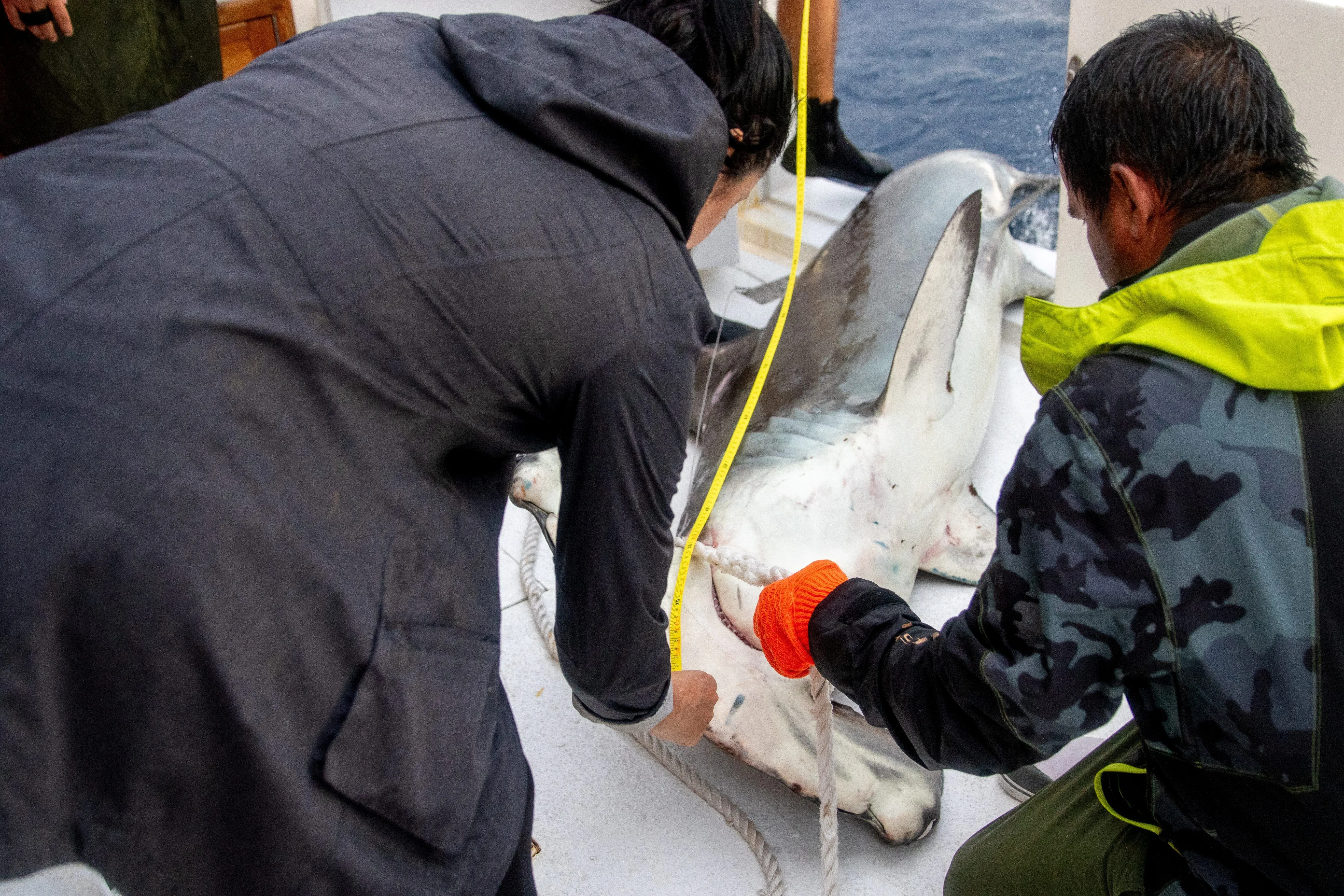
Daniel Arauz, a marine biologist and Randall Arauz's son, bends down to measure the length of a hammerhead shark on June 17.
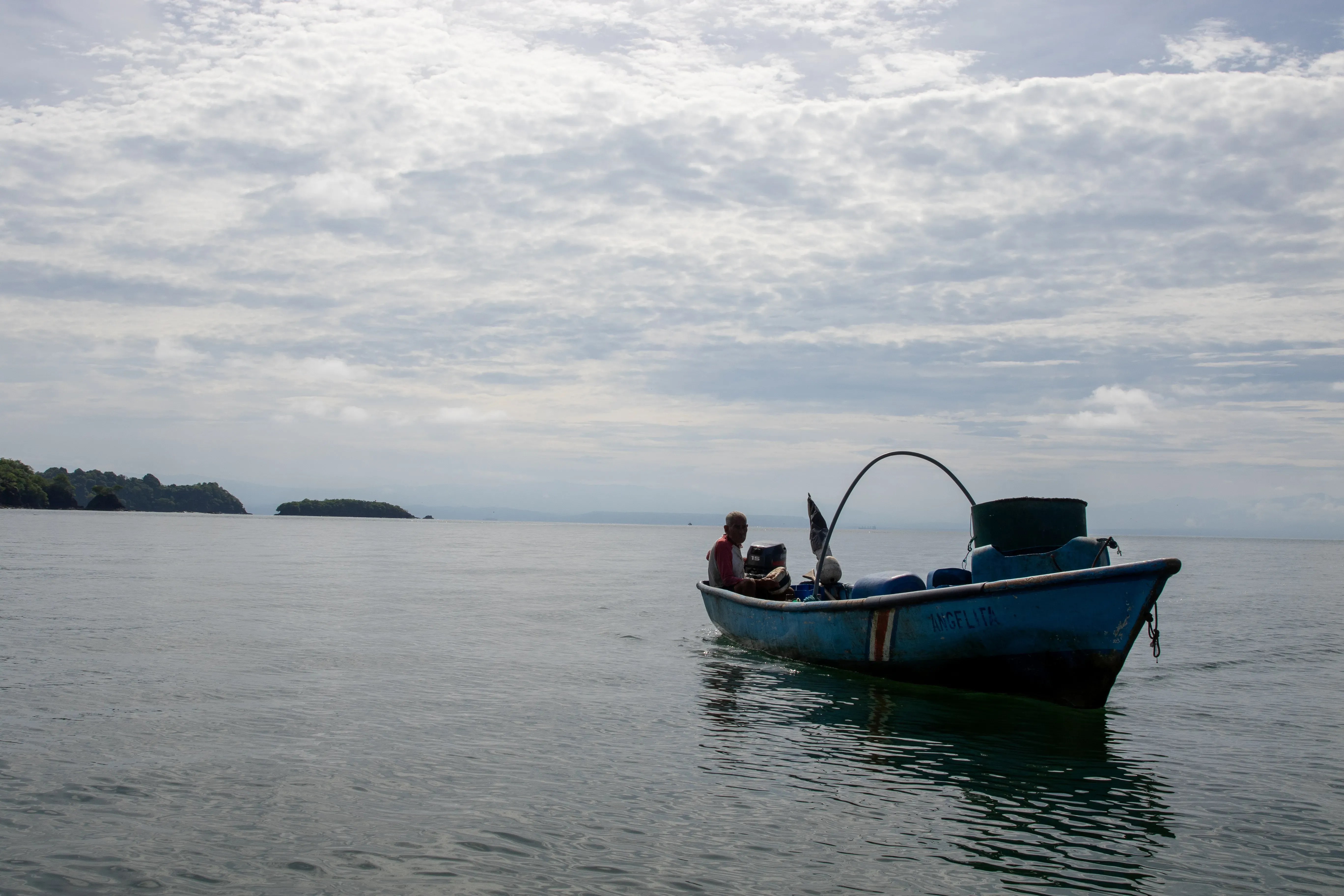
A traditional fisherman returns to the bay after spending the early morning fishing for red snapper on June 11. Wanting to remain anonymous due to the risk of their fishing license being revoked and for their safety, artisanal fishermen say that they don’t see as many hammerhead sharks within the coastline anymore.
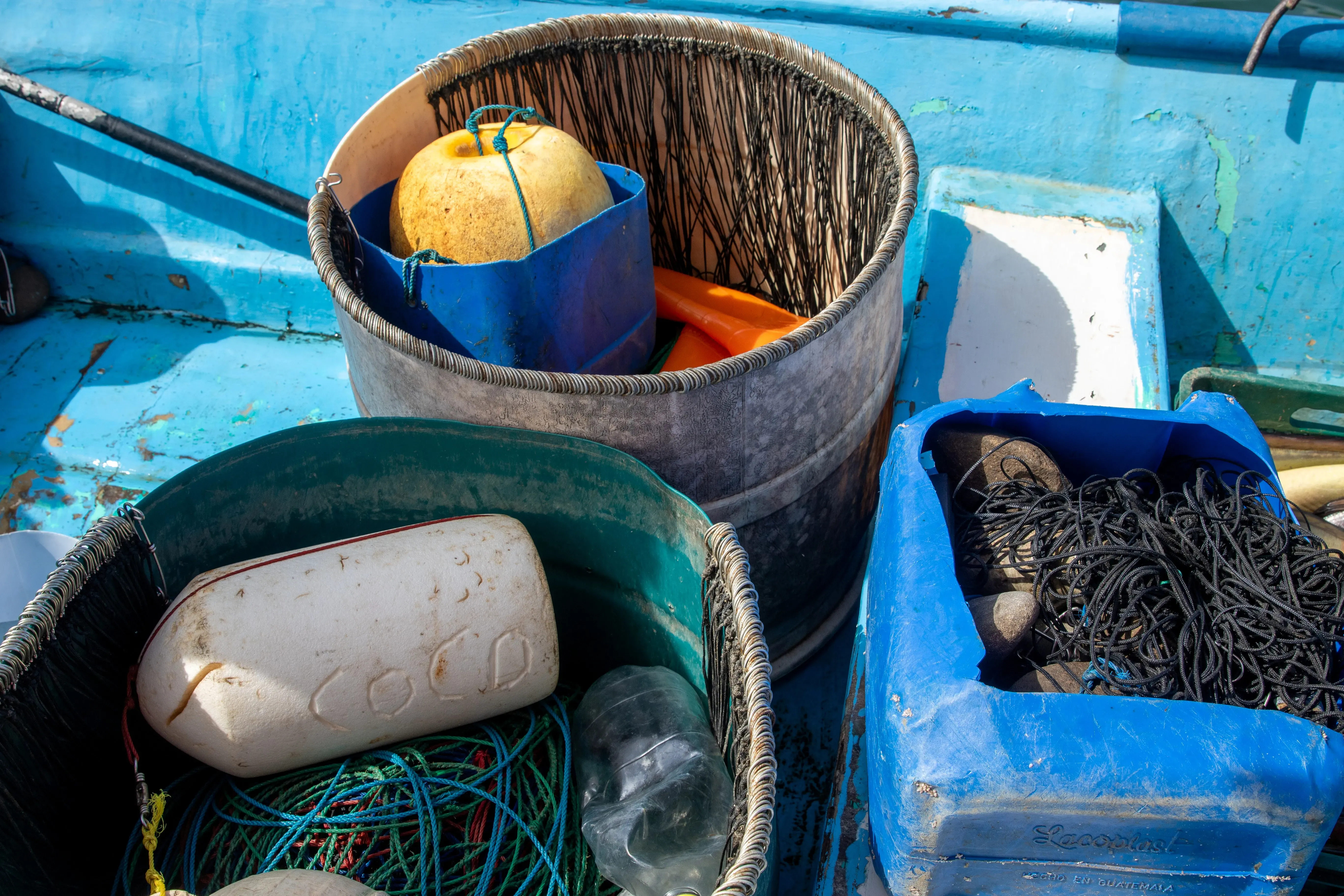
Dozens of hooks and lines are hung along the edges of plastic cylinders along with other fishing supplies on June 11.
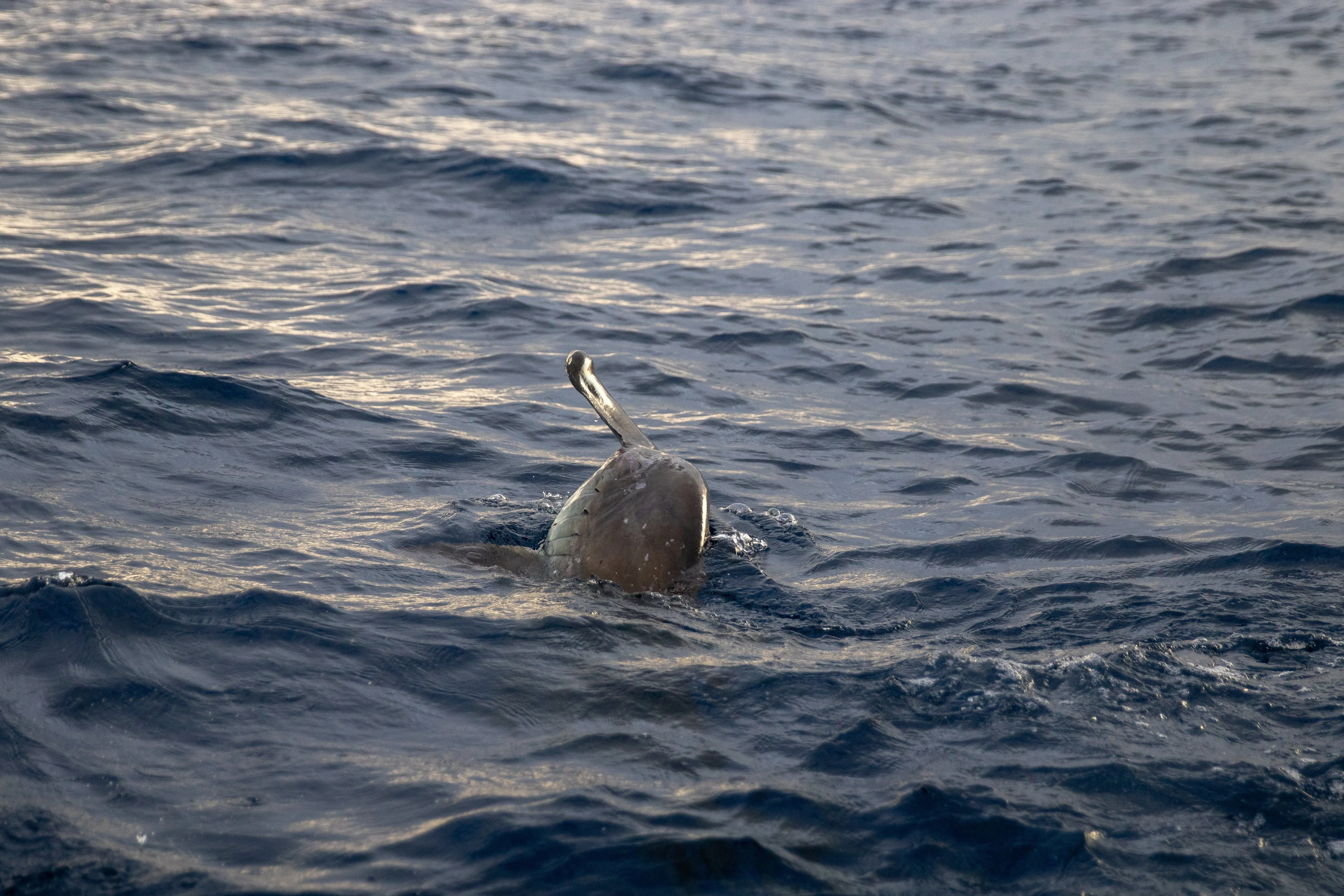
A hammerhead shark swims back into the ocean at sunset after being tagged by a team of marine biologists on June 18.
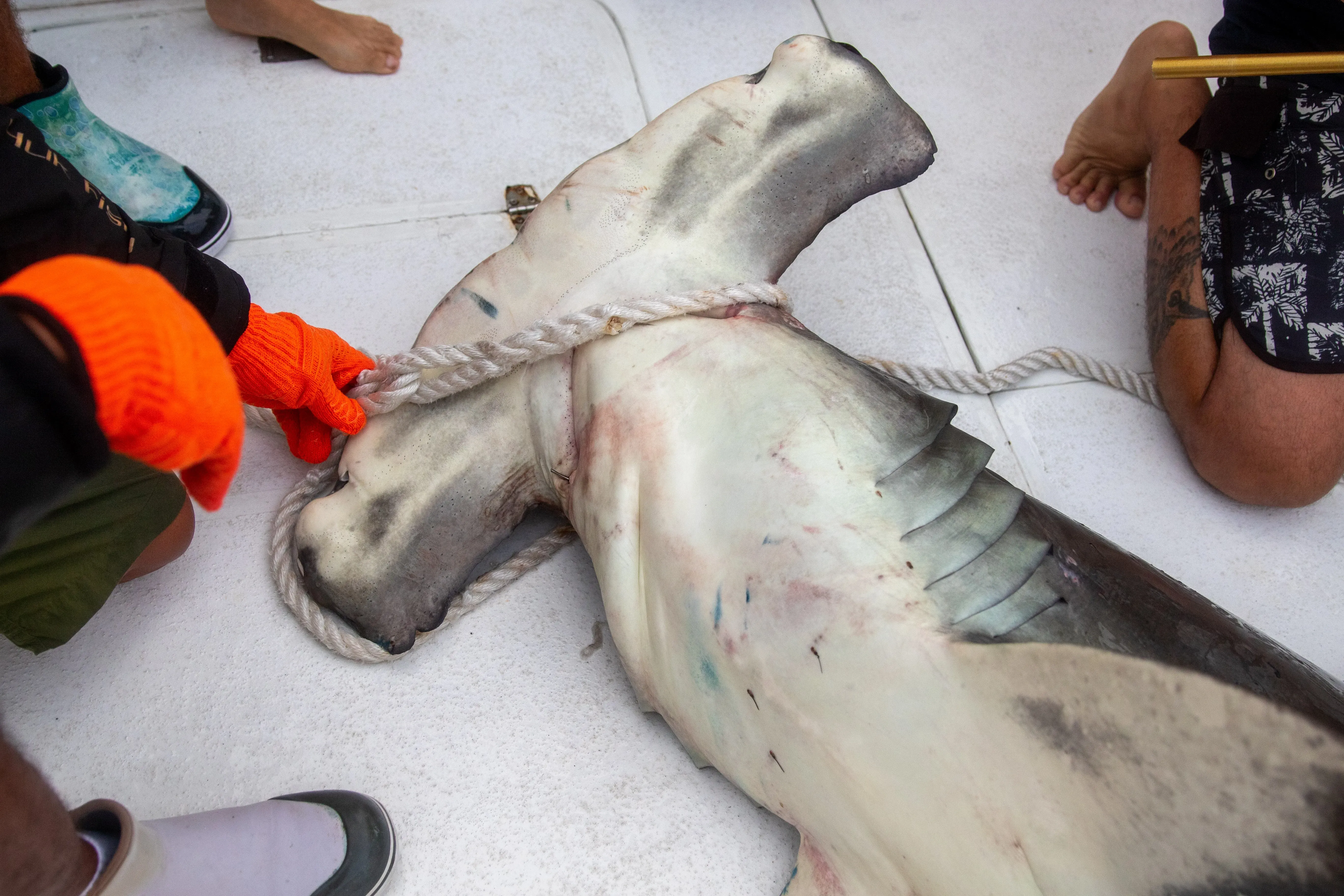
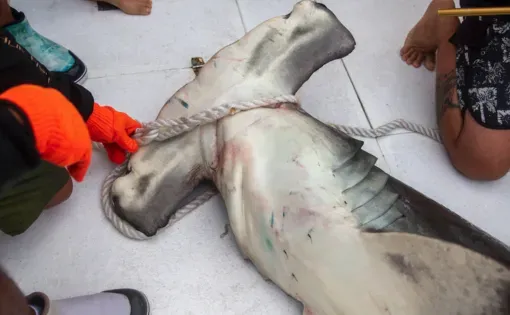
A hammerhead shark on the deck of the boat after being caught by a team of fishermen. Marine biologists quickly tagged the shark on June 18.
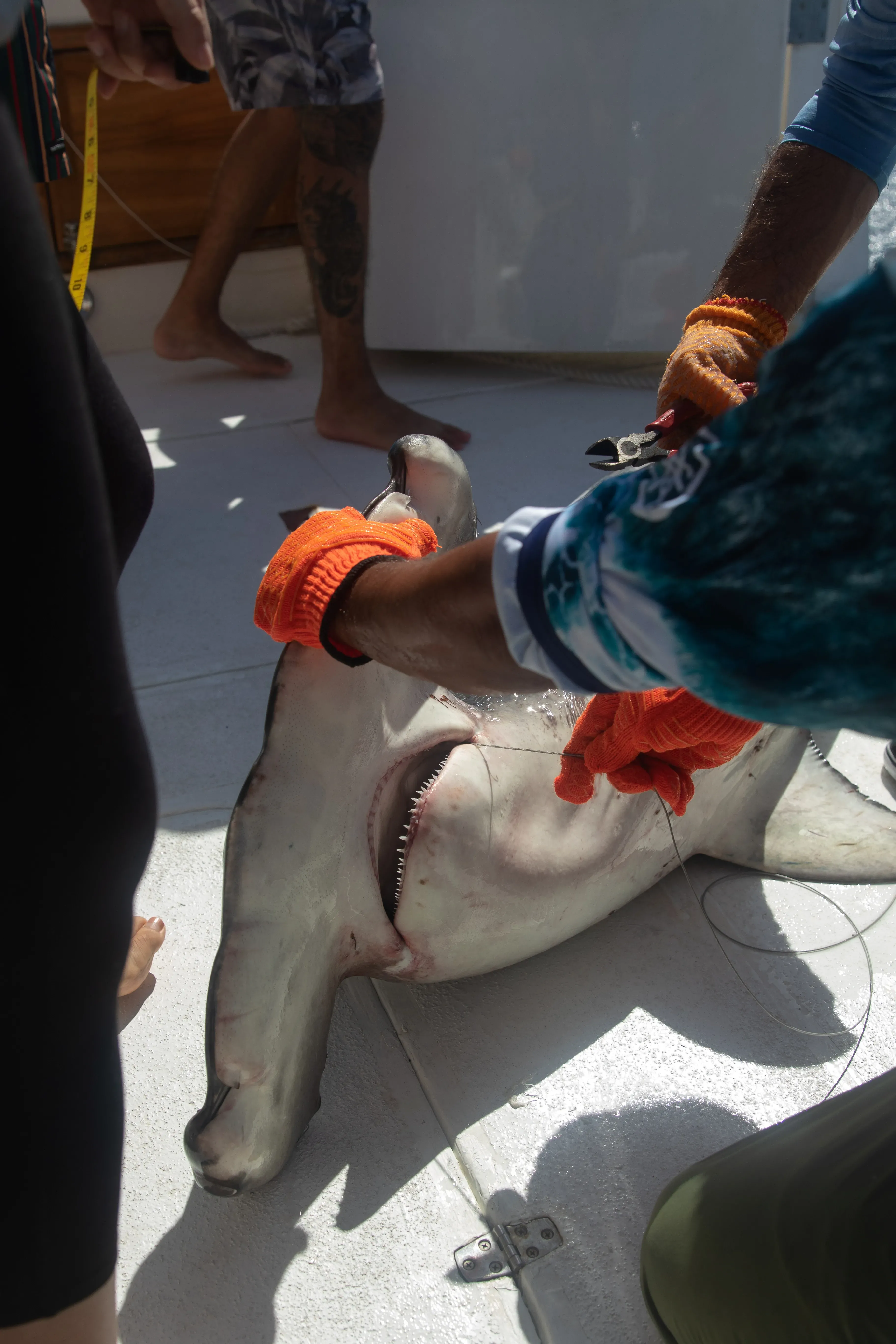
A fisherman holds down a hammerhead shark as another fisherman reaches to cut the line from the shark’s mouth on June 18.
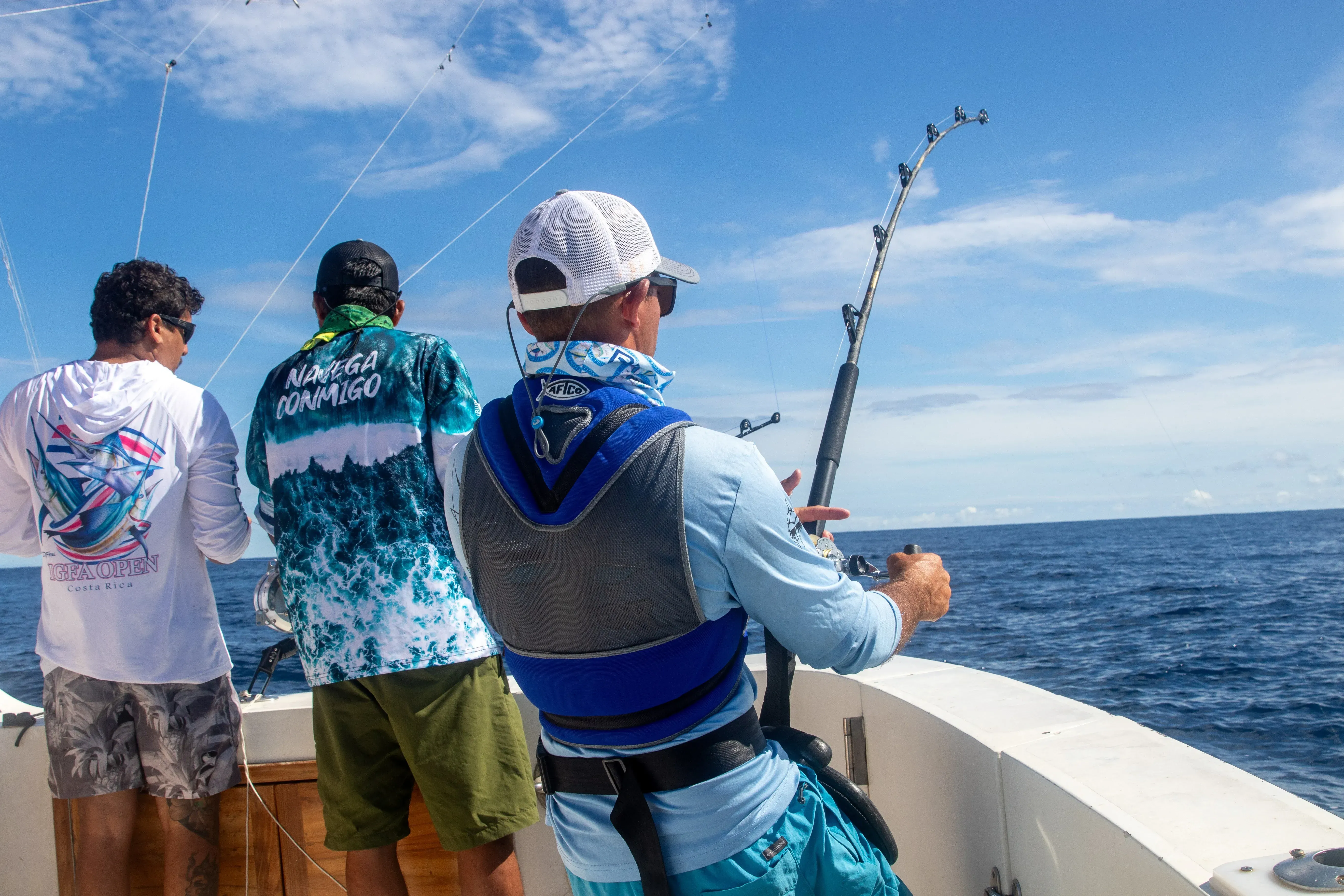
Gabriel Uieña Parin, a fisherman, reels in a hammerhead shark using his entire body weight on June 18.