Pulitzer Center Update September 1, 2025
Chicago Students Analyze: 'Can GMOs Be Part of a Healthy Diet?'
Country:

Lesson Plan
Genetically Modified Organisms
Students engage with reporting about a health issue in Uganda, connect to their personal lives, investigate healthy diet and GMO, and then defend their response to the essential question, "can a...
Shanna Pierce teaches math to high school students in Chicago. Pierce created the lesson plan “Genetically Modified Organisms” as part of the fall 2024 Pulitzer Center Teacher Fellowship program "Making Local Connections to Global Health Stories.” Click here to view her full lesson.
At the conclusion of the Fellowship, Pierce shared the following reflections on her experience developing and teaching the lesson.
What is the focus of your lesson plan, and why did you write this lesson for your community?
This lesson focuses on students answering the question “Can GMOs be part of a healthy diet?” Before a brief introduction to genetically modified organisms (GMOs), the lesson begins with students making connections to the food in their own lives.
Students then engage with the reporting in the Pulitzer Center-supported story “This ‘Super Banana’ Was Designed To Save Lives. Will It Matter That It’s Orange?" by Agostino Petroni for National Geographic. ("Thousands of children die in Uganda every year from vitamin A deficiency. This groundbreaking—and vitamin-packed—genetically modified banana could change that," the article reads.)
Students also complete the Article Analysis Sheet I created.
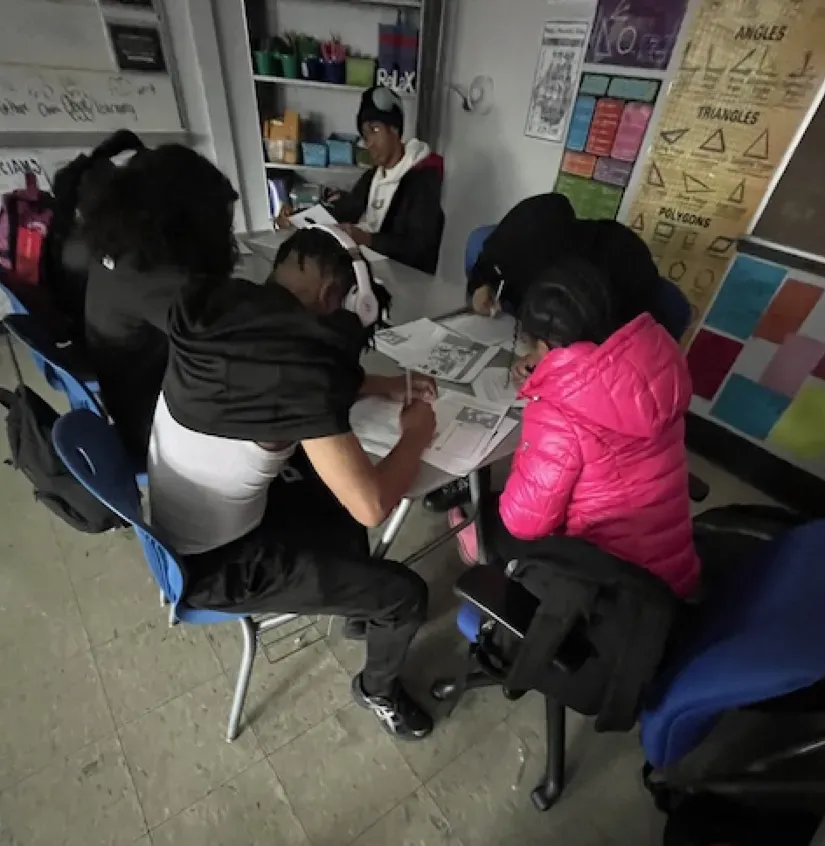
Next, students start to dig into different aspects of GMOs and nutrition through five stations. There, students explore their own diets, examine research on GMOs in the U.S., investigate the use of GMOs in other countries, develop their own opinion of GMOs supported by data, and think about what GMOs could help a teenager’s diet.
I decided to write this lesson because nutrition has been something I speak with my students about regularly because of the foods I see them consuming. This lesson allows students to explore their own nutritional needs while empathizing with the plight of others across the globe.
How did you build this lesson with your community in mind?
My students and I are in a major city far removed from farming and food production. In our school, 99% of students qualify for free or reduced lunch. Many of my students come from neighborhoods that would be considered “food deserts” and are regularly getting food from gas stations and convenience stores.
Because of this, I knew my students would need some front-loading of information about food sources and genetically modified organisms. I also understood that students were going to need graphic organizers to ensure they could record their thinking throughout the lesson to refer back to. As many of my students struggle with reading and are unfamiliar with the topic, I provided some built-in scaffolding to assist with new vocabulary and places.
What did your students learn while engaging with the lesson?
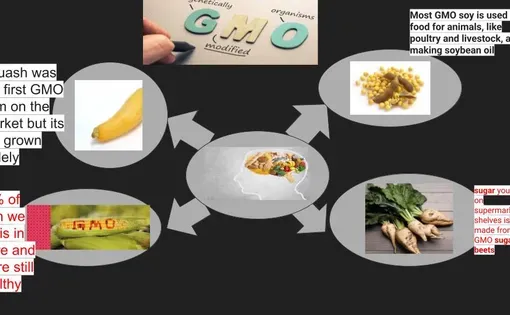
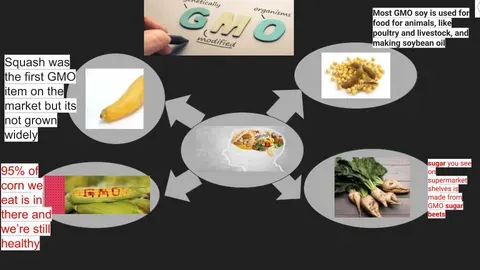
Students analyzed graphs, compiled statistics, and used resources to develop a claim that answers the question of this lesson: “Can GMOs be part of a healthy diet?” Students demonstrated their learning through discussion and analysis and answering questions before creating infographics.
One connection that several of my students made to the article was attending a funeral at a young age. This got me thinking about the epidemic of gun violence in our city and how that could relate to this article.
Students also noticed other parallels: Solutions that have been tried thus far have not been successful in our city. They also pointed out that, like the government in Uganda, the U.S. government has blocked some measures that could assist with the issue.
What were your takeaways from this experience, and what advice do you have for other educators who may want to engage with your lesson?
After implementing this lesson, I have come up with even more ways to analyze this piece of reporting and make connections to the students in my classroom. I feel more confident in looking for and bringing in more articles to the math classroom and finding ways to creatively align my content with the analysis of reporting.
For other teachers interested in engaging with the lesson, I would advise that students have experience creating infographics before beginning this short lesson series. I also would encourage teachers to make their own connections to their students. This lesson is adaptable to different possibilities that may relate more to your students. Teachers should be open to the possibility of this lesson and discussion to build organically and be ready to adjust to follow where the lesson goes.
As part of the fall 2024 Teacher Fellowship program “Making Local Connections to Global Health Stories,” 14 educators from nine states created and taught lessons to engage their over 1,500 students. Click here to learn more about the Fellows and their collective impact.