Story
 April 18, 2025
How International Politics Affects Antarctic Krill Shrimp (Korean)
Country:


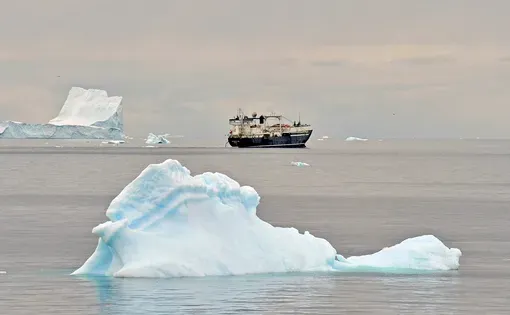
Norwegian and South Korean boats are fishing hard for Antarctic krill.
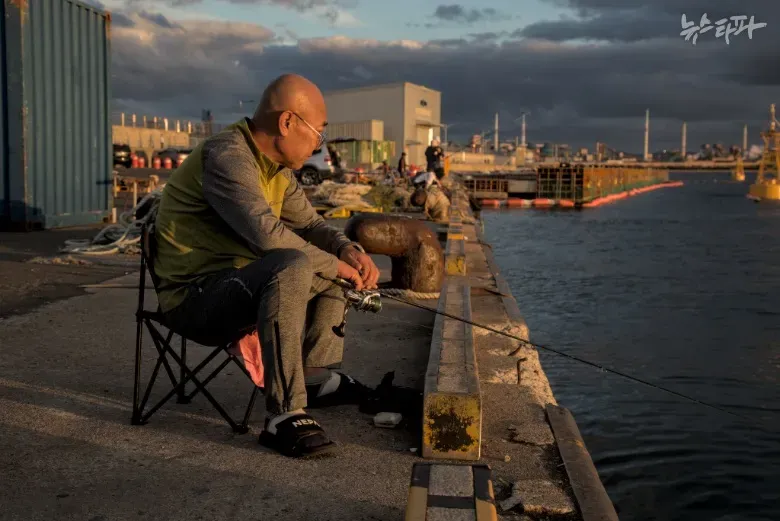
An English summary of this report is below. The original report is published in Korean in Korea Center for Investigative Journalism (KCIJ)-Newstapa.
Antarctic krill plays a critical role in the marine ecosystem, but it has been facing significant challenges due to overfishing and geopolitical tensions. Antarctic krill are small zooplankton, measuring between 2 to 6 cm, that are essential to the Antarctic food chain. They serve as the primary food source for various marine animals, including whales, seals, and seabirds, and are consumed in vast quantities—around 80 million tons annually. The potential disappearance of krill would drastically affect the entire Antarctic ecosystem, exacerbated by climate change and environmental issues such as melting ice and microplastics.
The Commission for the Conservation of Antarctic Marine Living Resources (CCAMLR) was established to manage krill fishing and protect the Antarctic ecosystem. However, recent geopolitical conflicts among member countries have weakened its effectiveness, leading to the expiration of key conservation measures. Historically, the Soviet Union began krill fishing in the 1960s, initially targeting whales. Research from the 1980s set catch limits based on outdated data, which has led to ongoing concerns about sustainability.

As a nonprofit journalism organization, we depend on your support to fund more than 170 reporting projects every year on critical global and local issues. Donate any amount today to become a Pulitzer Center Champion and receive exclusive benefits!
Currently, Aker BioMarine, a Norwegian company, has revolutionized the krill fishing industry with new fishing methods, resulting in a significant increase in catch. Other nations, including South Korea and China, also participate in krill fishing, but profitability remains a challenge due to high operational costs and fluctuating market demand. Environmental and economic concerns are prevalent, with debates surrounding the ecological impact of krill fishing. Experts worry that overfishing could lead to a collapse of marine ecosystems. Additionally, many krill oil products have faced scrutiny over safety and efficacy, leading to decreased domestic demand in South Korea.
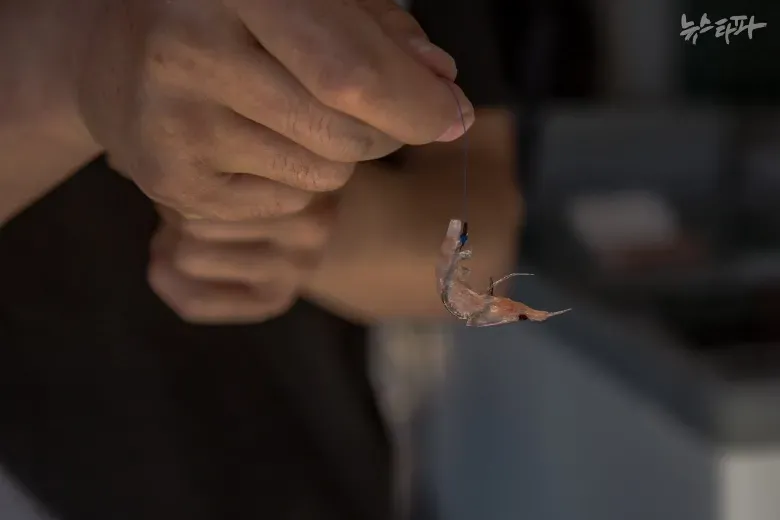
Looking to the future, experts predict a bleak outlook for Antarctic krill populations due to climate change and the potential for increased fishing without effective regulations. The CCAMLR's inability to reach consensus on conservation measures poses a significant risk to the Antarctic ecosystem. Geopolitical tensions among CCAMLR member countries have intensified, complicating decisions on fishing quotas and conservation strategies. This political landscape further complicates efforts to protect krill populations and the broader Antarctic environment. In conclusion, the future of Antarctic krill and the sustainability of their fishing are uncertain, marked by ecological, economic, and geopolitical challenges that require immediate attention and action from the global community.