Pulitzer Center Update April 10, 2025
Workshop in Gabon Focuses on Solutions Journalism and the Elephant Dilemma
Country:


The coveted forest has been destroyed by foreigners, impacting communities.

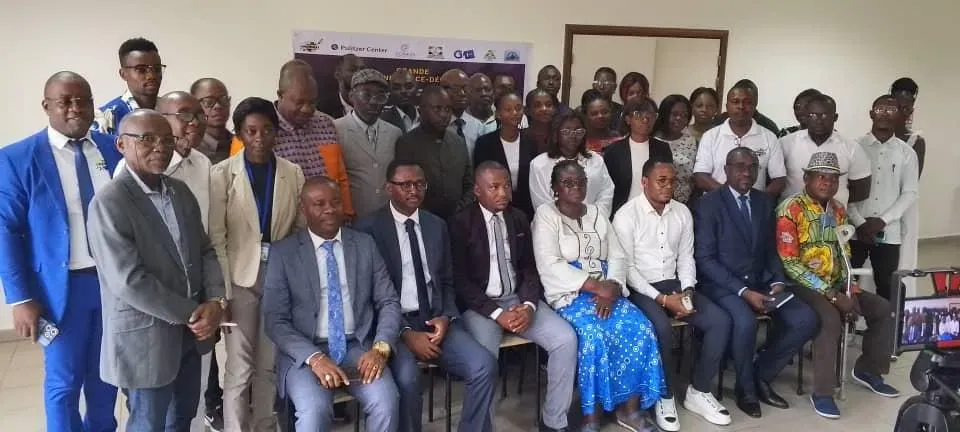
The celebration of International Radio Day on February 13, 2025, was an opportunity for journalists, young professionals, civil society, and public authorities in Libreville, Gabon, to discuss applying solutions journalism to the protection of biodiversity.
The event organizer, RENAJI, was inspired by the Pulitzer Center-supported story "Human-Wildlife Conflict: An Electric Fence Pushes Elephants Away From the Fields of the Bomassa Communities," by Marien Nzikou-Massala, in order to facilitate the discussion on a solutions-oriented journalistic angle to highlight the challenges of biodiversity, as illustrated by the conflict between humans and elephants.
The story raised many questions and served as a basis for a discussion between panelists and participants. The discussions called for a holistic solution that would address the conflict.
"While the solution in this story is the installation of electric fences, it is nevertheless not the only solution and has also proven its limitations in Gabon. The conference debate, meanwhile, is the time to explore other potential solutions, such as the involvement of solution journalism and all the other stakeholders in a free dialogue with young professionals to come up with innovative ideas," explained Jean-Ferry Essono of RENAJI.
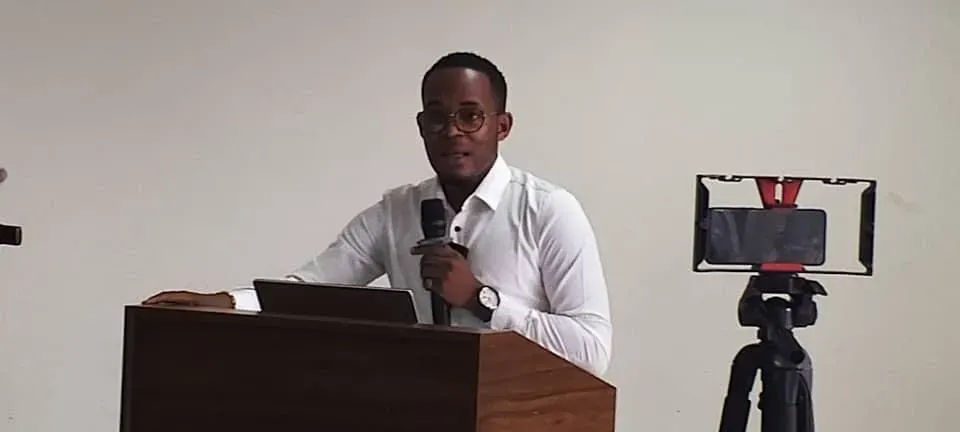
For another participant, the only solution would be administrative culling to reduce the elephant population, which is quite considerable today in Gabon. But this solution cannot be implemented without following the relevant regulations, which only allows it in cases of self-defense.
Panelist Gérauds Wilfried Obangome, a solutions journalist and international correspondent for Reuters and Africanews TV, said the electric fence solution was inappropriate and unsuitable for Gabon because it takes into account several other mechanisms, including cost and maintenance.
He focused on finding solutions by involving local communities.
"No solution that we provide or that we want to impose on the communities can work. We need to listen to them and take into account their knowledge of traditional repellents," he concluded.
More specifically, Gabon's forest and biodiversity conservation policy has seen an increase in its elephant population, making the country the last bastion of forest elephants in the world.
Today, the elephant-human conflict is becoming a major challenge in Gabon's rural areas, with a dual impact on elephants' destruction of subsistence agriculture. In addition to this problem, there are also the human losses caused by elephants attacking villagers.
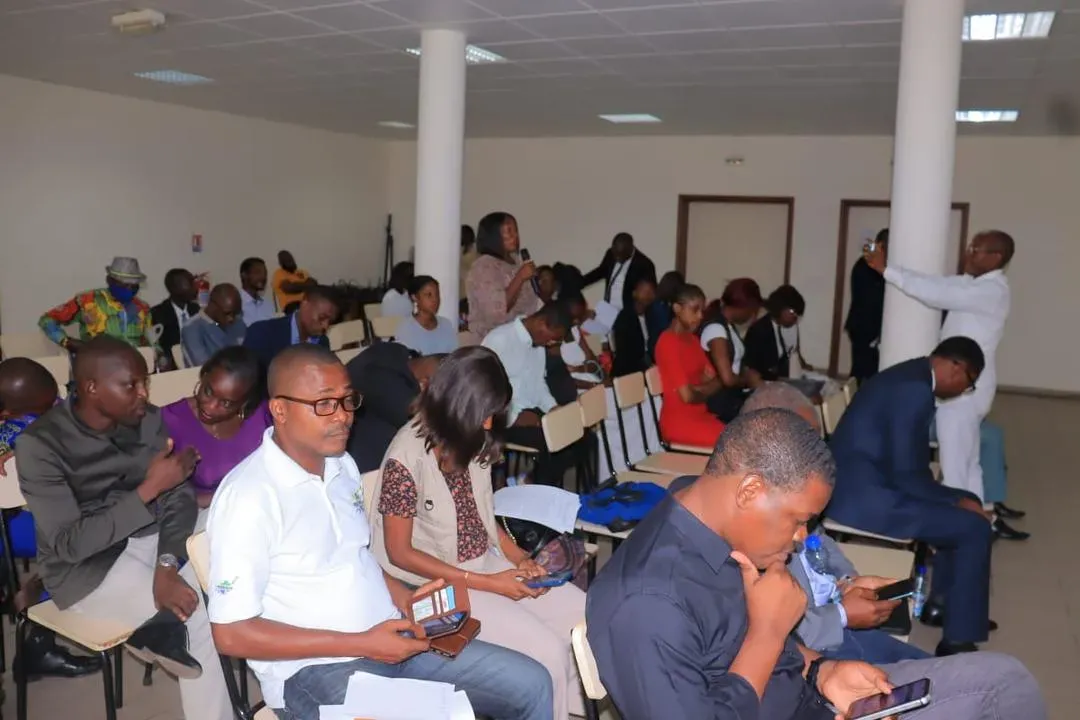
Forestry expert Elvya Ayetebe Nguema, in charge of land governance at the NGO Brainforest and an expert in independent forest monitoring, explained how Gabon is home to one of the largest elephant populations in the Congo Basin subregion, with 95,110. In terms of solutions, the panelist said, "It is necessary to encourage real collaboration between the state, civil society, and communities, as well as scientific research."
The panelist considered the elephant to be a very intelligent animal that seems to be able to adapt to the various methods that are used to push it back, such as electric fences.
"We have had reports of elephants knocking down the post that supported the fence. Others have suggested that some elephants uproot, lift, and carry trees to place them on the electric fences in order to get through," she added.
Overall, the participants gave positive reviews of the workshop, according to a survey. Some expressed that they want to learn more about the Pulitzer Center.
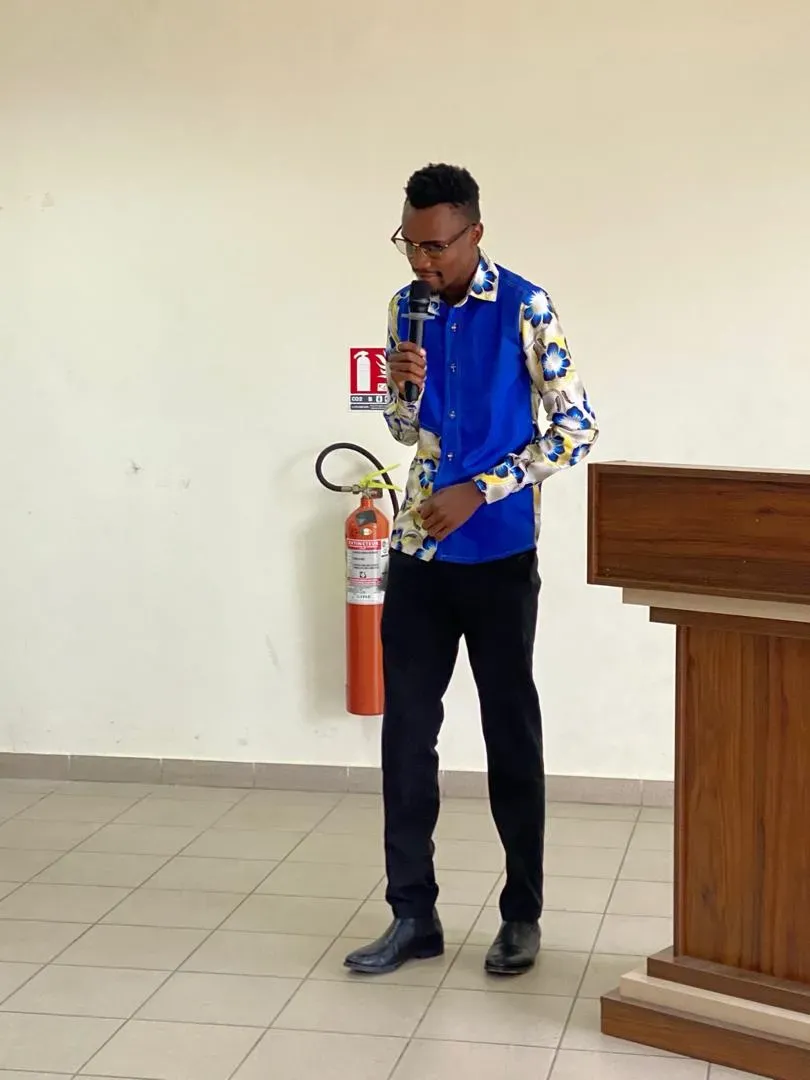
The performance of Bradley Nziengui, a poet who participated in the workshop, provided an artistic interlude.
Nziengui addressed the conflict between man and elephant as a source of serious harm: "Is cohabitation no longer possible between these two living creatures? Who will give up their space to whom? Who will be the stronger? So much death! So much loss!"