
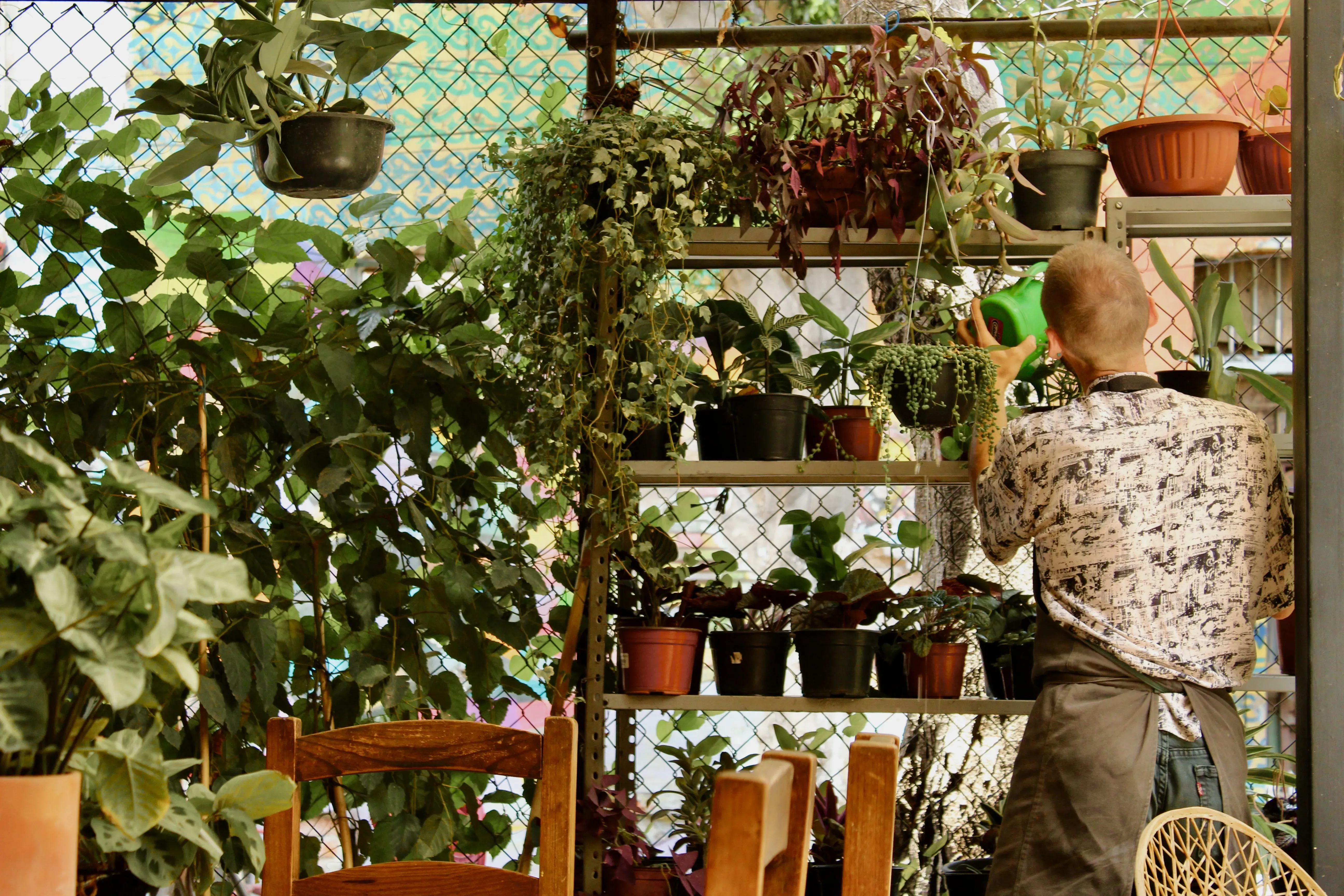
In Mexico City, urban gardening is an ancient practice. Chinampas—man-made floating gardens—once flourished across the land and lakes surrounding the Aztec capital, Tenochtitlan. Like the many community gardens wedged between buildings and concrete in urban areas worldwide, chinampas thrived with limited space and fed a city’s burgeoning population. It wasn’t until the Spanish conquered the Valley of Mexico in the 1500s, draining the lakes and chinampas for dry-land agriculture, that Mexico City began its own proliferation.
In the past few decades, a handful of passionate city residents have re-created modern manifestations of the chinampas to nourish and empower their own urban communities. In the early 2000s, a group called the Sembradores Urbanos (Urban Growers) started reclaiming unused, abandoned, or vacant urban spaces to be transformed into productive community garden spaces. A decade later, the group split into leadership roles across its now-dense network of gardens across the city. Its goal, however, remains unified: Revolutionize the city into a more sustainable future to fight the climate crisis. As plants once again bloom from these pockets of urban, ancestral land, the communities surrounding them grow stronger too.
In the midst of global wars and climate change driving refugees away from impacted rural lands, urban areas are expanding rapidly worldwide. In these densely populated, economically strained cities, issues of human health, malnutrition, environmental degradation, and poverty are of grave concern. What can we learn from the green revolution in the largest city in North America?

