Story
 November 12, 2025
Religious Heritage in the Shadows of Reconciliation: Cyprus' Journey Toward Unity
Country:

How can inter-religious dialogue and restoration of damaged religious heritage pave the way for...
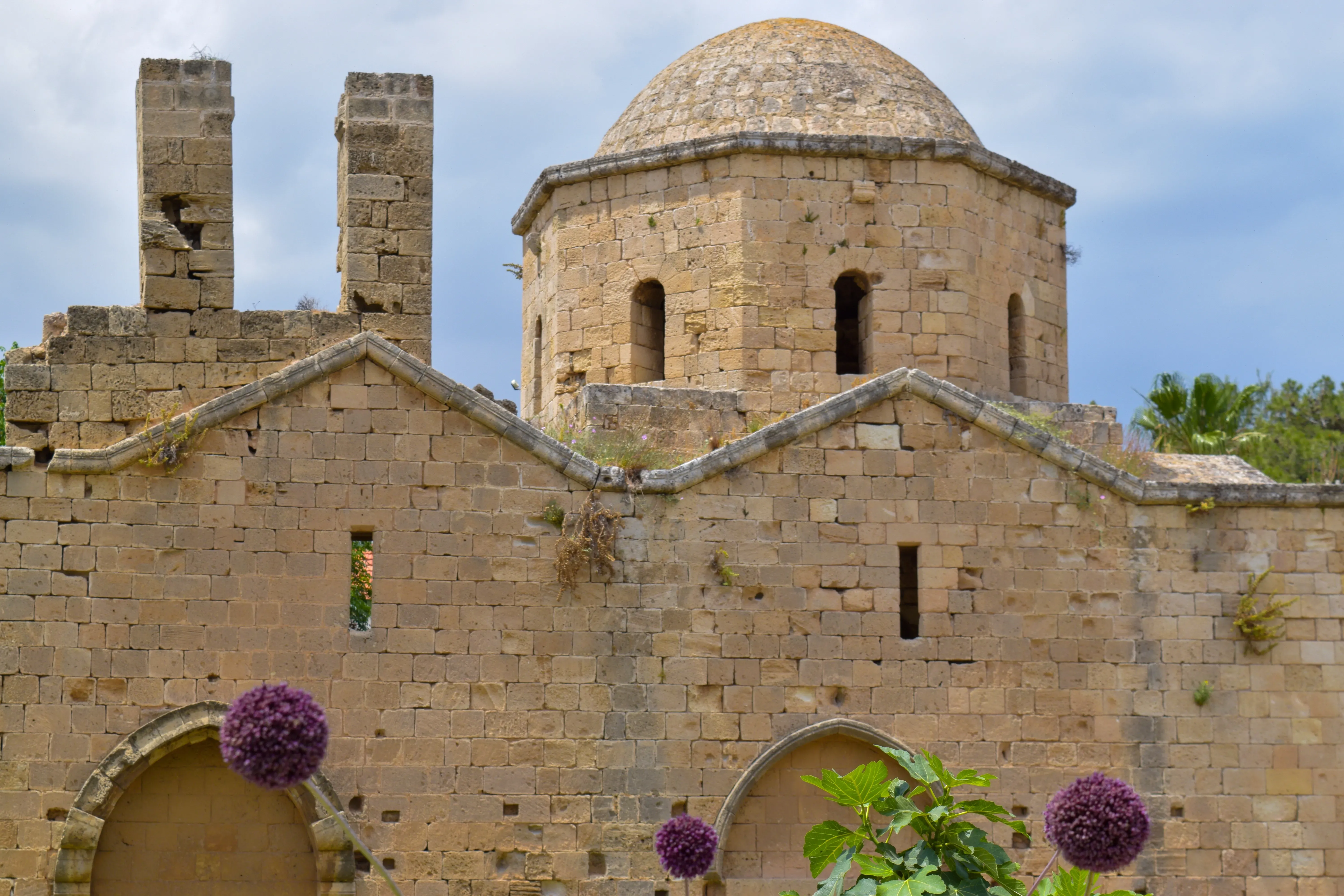
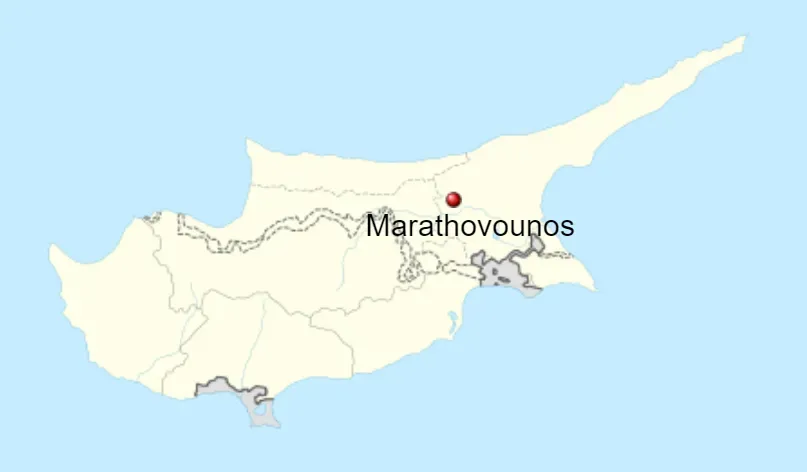
On the fateful Saturday morning of July 20, 1974, in the Cyprus village of Marathovounos, the matins service commenced as usual. The air was filled with anticipation as the devout prepared to honor the Feast of the Prophet Elias (Elijah), a cherished celebration synonymous with the village's identity and deeply intertwined with its spiritual fabric especially since the church bore the name of the revered prophet. However, this July 20 would be different—for the first time, the divine liturgy was canceled on this sacred day.
Bathed in the morning light, 17-year-old Panayiotis directed his eyes upward and encountered a troubling sight: Turkish planes flew ominously north of the village of Marathovounos. He closely watched the planes drop supplies into the Turkish-controlled enclave nearby, stirring unease and disrupting the peaceful atmosphere. Soon, the doubts of Panayiotis were confirmed. “Turkey unloaded troops in Kyrenia,” relayed the voice on the radio.
Urgency gripped the boy, prompting him to rush to the church and warn Father Kyriakos of the impending danger. The gravity of the situation compelled Father Kyriakos to make the tough decision to send the parishioners home for their safety.
As a nonprofit journalism organization, we depend on your support to fund more than 170 reporting projects every year on critical global and local issues. Donate any amount today to become a Pulitzer Center Champion and receive exclusive benefits!
For Panayiotis, who was later ordained a priest, July 20 holds profound significance. It marks the day he was forced to interrupt the divine liturgy to deliver the warning of the Turkish invasion. It remains the day the service honoring Prophet Elias went uncelebrated.
Separation from Marathovounos
Marathovounos holds a dear place in the heart of Father Panayiotis Papageorgiou. It is the village he was raised in, where he spent all his childhood years and was first introduced to Orthodox Christianity. Growing up, young Panayiotis especially cherished the guidance of his beloved grandfather, Father Georgios. As the respected priest at the Church of Prophet Elias until his death in 1971, he instilled a deep love for God in his grandson, inspiring Panayiotis to become a priest himself.
For the inhabitants of Marathovounos village, the years before the invasion were marked by peaceful coexistence, as the village did not experience inter-communal violence between Greek and Turkish Cypriots throughout the 1950s and 1960s. This harmony starkly contrasted the turbulent events that would later shape the village’s history. The 1974 Turkish invasion forced the Papageorgiou family to flee to the United States.
Having to rebuild his life from scratch, young Panayiotis embraced new opportunities in the U.S. Yet, a constant yearning to return to his homeland gripped his heart. This feeling intensified as he came to realize that returning was no longer possible. Before the checkpoints opened in 2003, Greek Cypriots were forbidden from entering north of Cyprus, just as the south remained inaccessible to Turkish Cypriots.
A painful return
After 40 years of painful separation, Father Panayiotis finally set foot again in the land where he had spent his childhood, mustering the courage to enter the occupied territories. One thing soon became clear—in Marathovounos, time had not frozen since July 1974; new inhabitants had replaced the old. He might have brought back the key to his childhood home, but there was no door to be found—his ancestral house had been completely demolished. Marathovounos was barely recognizable. Only through the remains of destroyed buildings and abandoned landmarks could one glimpse the beauty that once defined Marathovounos, now preserved only in the memories of its former inhabitants.
Apart from his childhood home, Father Panayiotis yearned to visit the Church of Prophet Elias, a sacred place he was forced to leave behind during the turmoil of the invasion. He soon discovered entry into the church was no longer allowed. Part of the village, including the church, had been turned into a military base for Turkish soldiers and was covered in barbed wire. During the shelling, mortar fire caused the dome to collapse and the cross was missing from the bell tower.
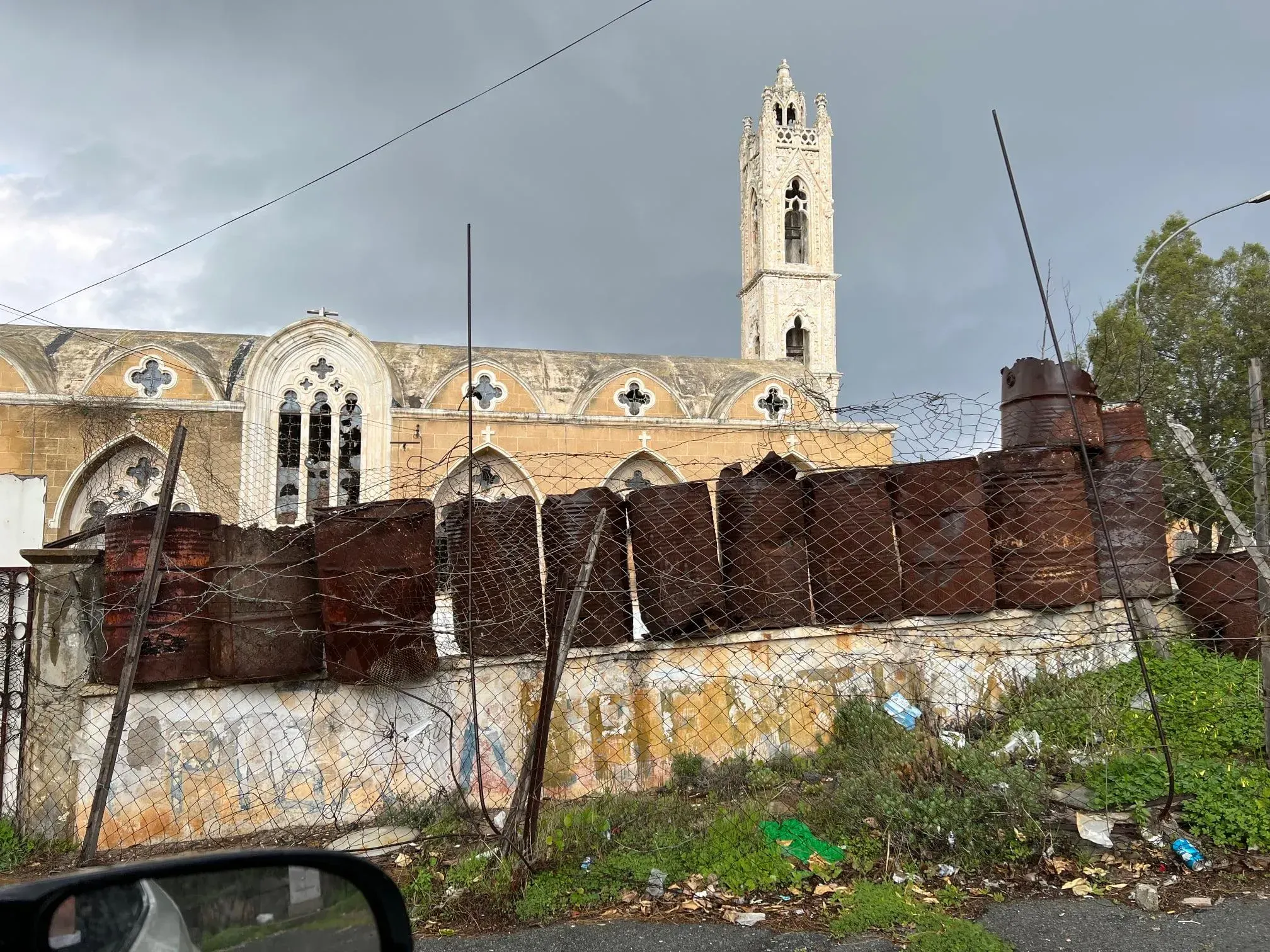
As Father Panayiotis stood and watched the church dear to him demolished, Turkish soldiers soon approached and requested he stop filming, as the church now belonged to the military base. Unable to stay longer, he turned his thoughts to one last location: the village cemetery, where his beloved grandfather, Father Georgios, was buried.
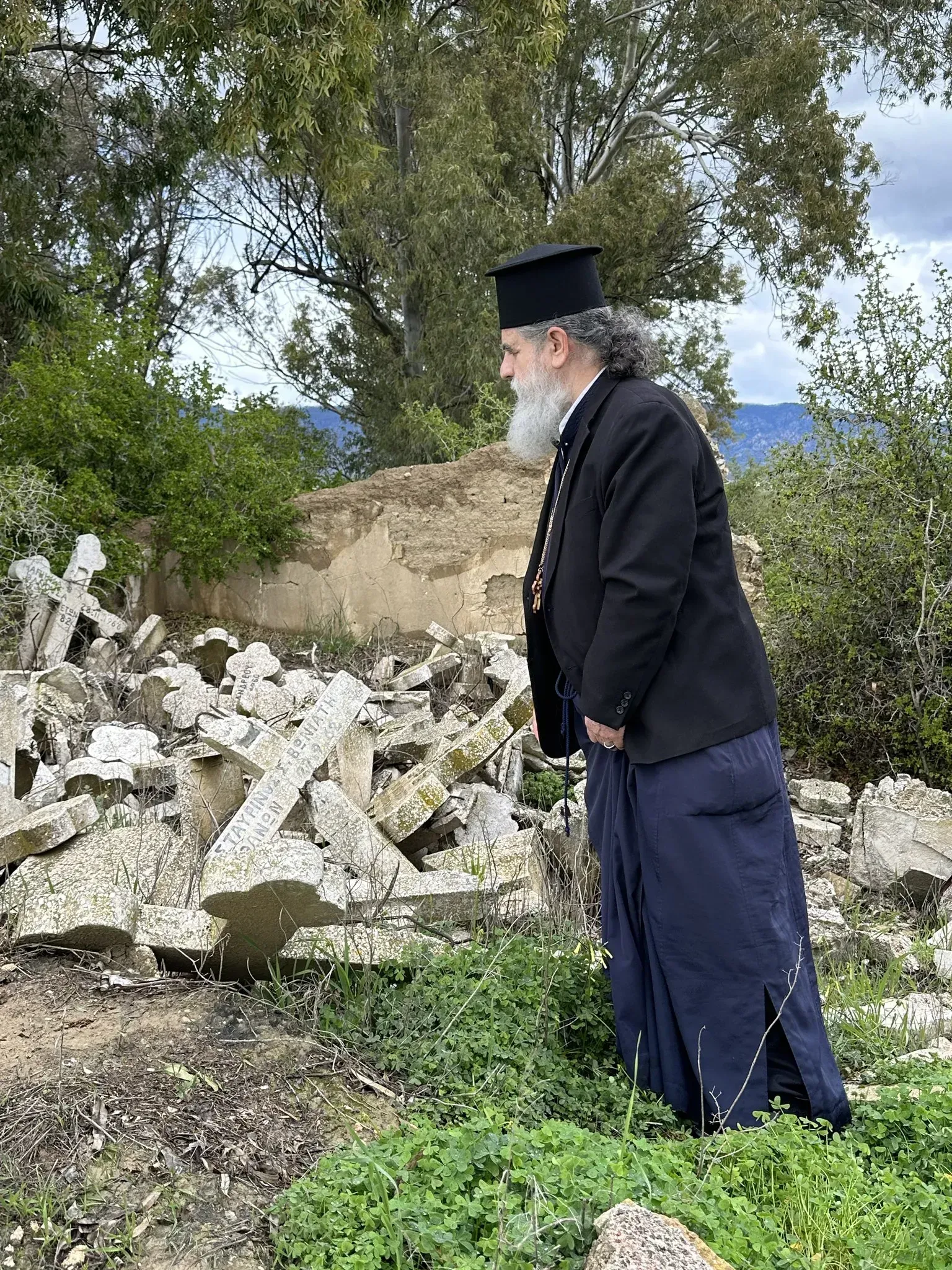
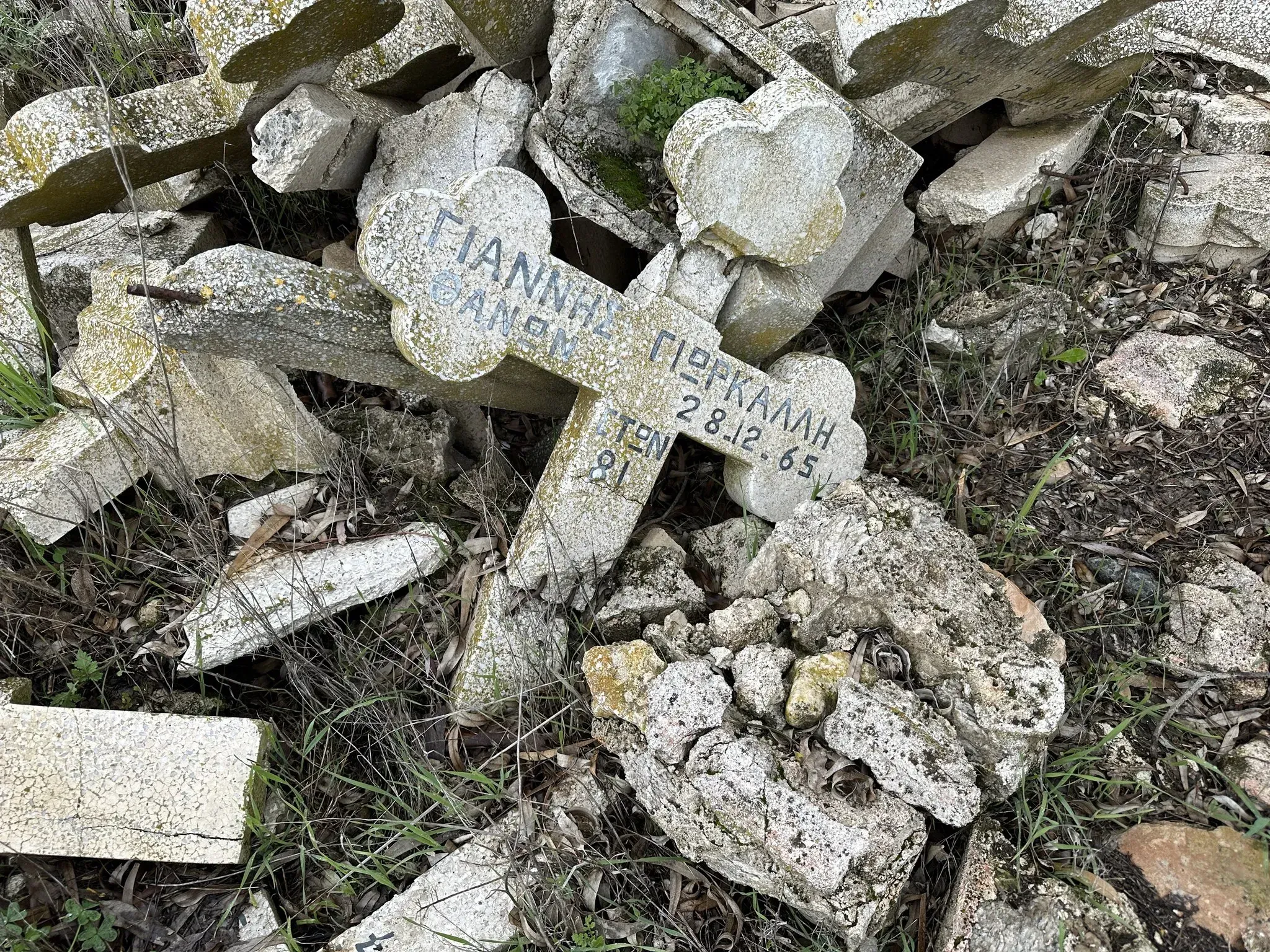
When he arrived at the cemetery, the sight broke his heart. All the village cemeteries had been desecrated, with tombstones shattered and crosses broken. It was not long before Father Panayiotis saw a familiar name on one of the shattered tombstones—Father Georgios. His grandfather's grave had suffered the same fate as the others. Holding back tears, he held a memorial service for his grandfather.
“For a Greek Cypriot, going back to the cemetery to do a memorial for their parents and witnessing the desecration of their cemeteries is like daily salt on a wound. You do not play with the sacred.”
Religious heritage in Cyprus
Father Panayiotis’ story resonates with many Cypriots, as the 1974 invasion displaced over 165,000 Greek and 45,000 Turkish Cypriots. The presence of both homogeneous and mixed villages across the island meant that the events of 1974 and the inter-communal violence of the prior decade not only forced large portions of the population to move indiscriminately but also seriously endangered common Cypriot heritage.
People's identities are closely tied to their cultural heritage. This connection runs even deeper when those places hold sacred significance, adding an extra strain to reconciliation in Cyprus. Monuments carry symbolic weight, and their erasure can threaten the identities of those who hold them sacred. While physically just assemblies of stones, these structures hold invaluable meaning for their communities.
Religious heritage is endangered across the island, experts say. Issues include restrictions on freedom of practice, looting of sacred objects, and the conversion of churches into mosques. These problems are especially pronounced in the north, in areas controlled by Turkish Cypriots.
“Unlike Greek Cypriots, the majority of Turkish Cypriots are secular, and for them, religious heritage matters primarily because of its cultural significance,” said Serdar Atai, Turkish Cypriot representative of the Technical Committee for Cultural Heritage (TCCH) in Famagusta. He emphasized that regardless of the varying degrees of secularity among Greek and Turkish Cypriots, restorations must happen across the island to support reconciliation efforts.
In the north of Cyprus, the fate of the hundreds of churches and monasteries is grim: The majority have either been destroyed, looted, or abandoned to be reclaimed by nature. Currently, only three churches are officially permitted to hold liturgical services: Apostolos Andreas Monastery, the Monastery of Saint Barnabas, and Saint Mamas Church. In addition, for special occasions, religious leaders must submit approval requests to the Turkish Cypriot Ministry of Foreign Affairs months in advance, often facing lengthy waits only to receive rejection letters.
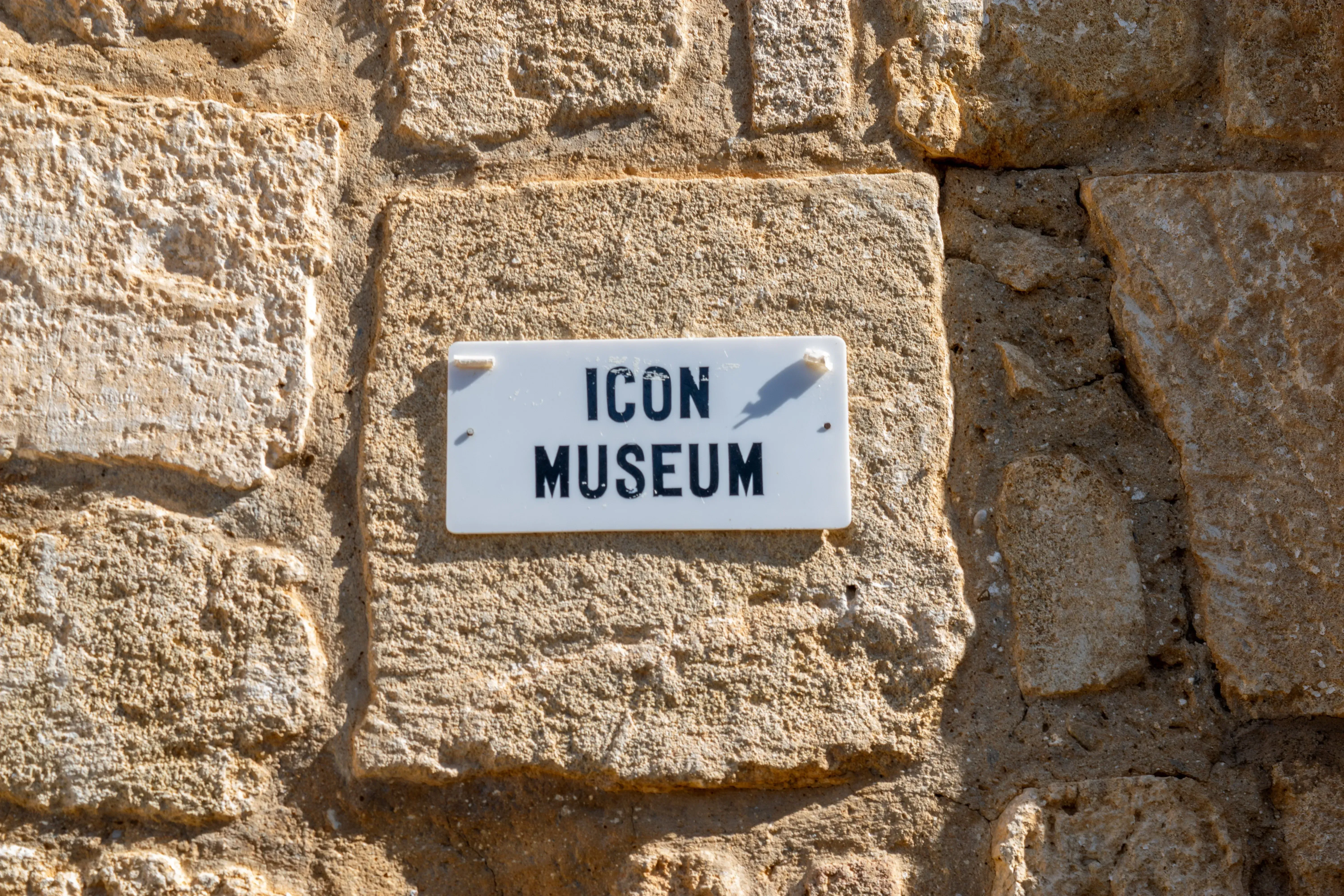
It is commonplace for once-revered places of worship to be turned into museums. During my visit to Saint Barnabas Monastery, I was greeted by the words “Icon Museum,” which made me wonder if the church was located elsewhere. Following the 1974 invasion, the monastery was converted into a museum by the Turkish Cypriot authorities, reducing it to a space where Greek Cypriots can only visit as spectators, rather than a spiritual home.
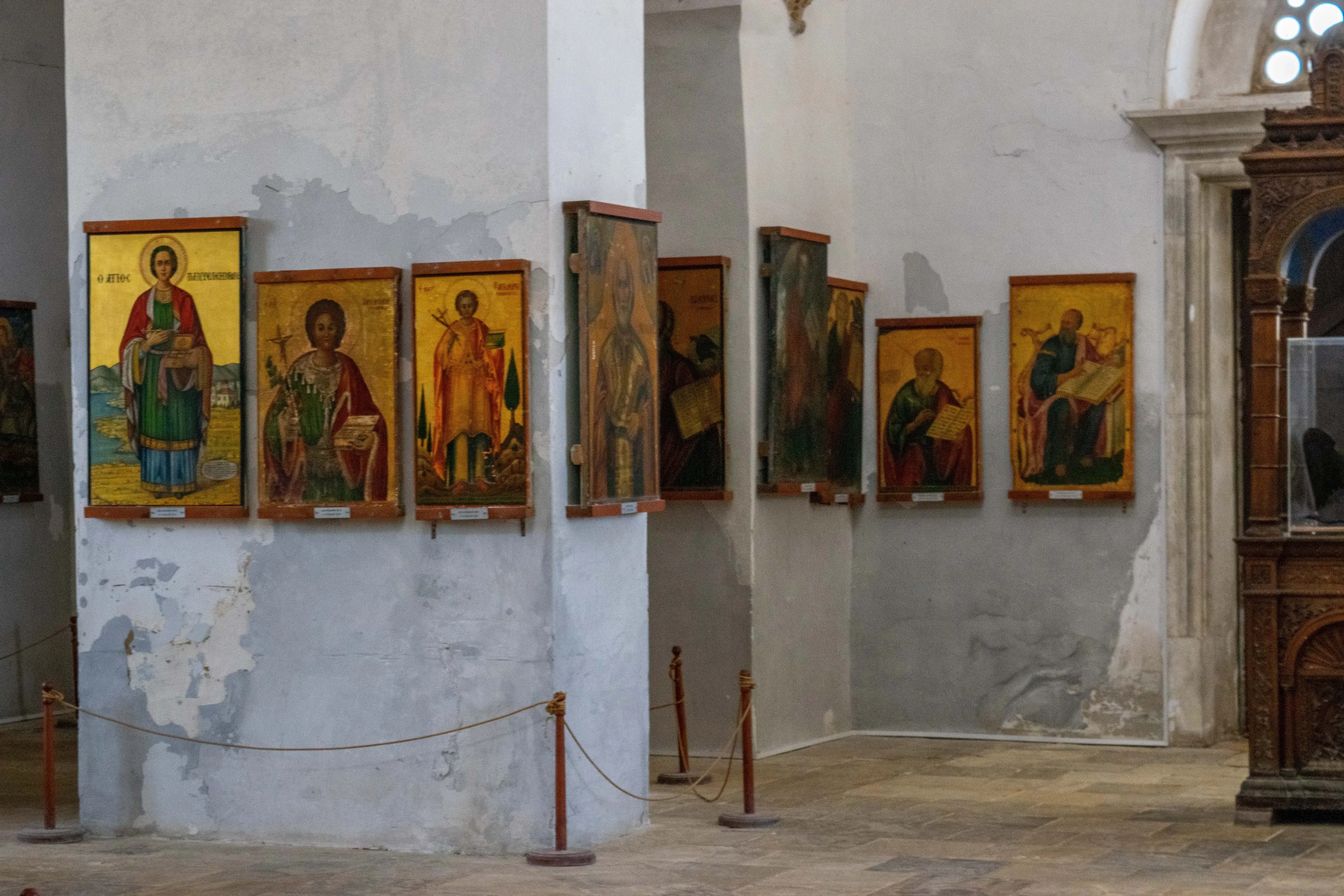

Inside the church, the walls displayed signs of damage from humidity and neglect, with the outer layer peeling off. Icons were lined up like museum exhibits, as hardly any space remained between them. A string barrier blocked Orthodox Christians entry up to a certain point. Such restrictions can diminish the religious significance of the church for believers, compounded by entry fees that obscure the original spiritual purpose of the place.
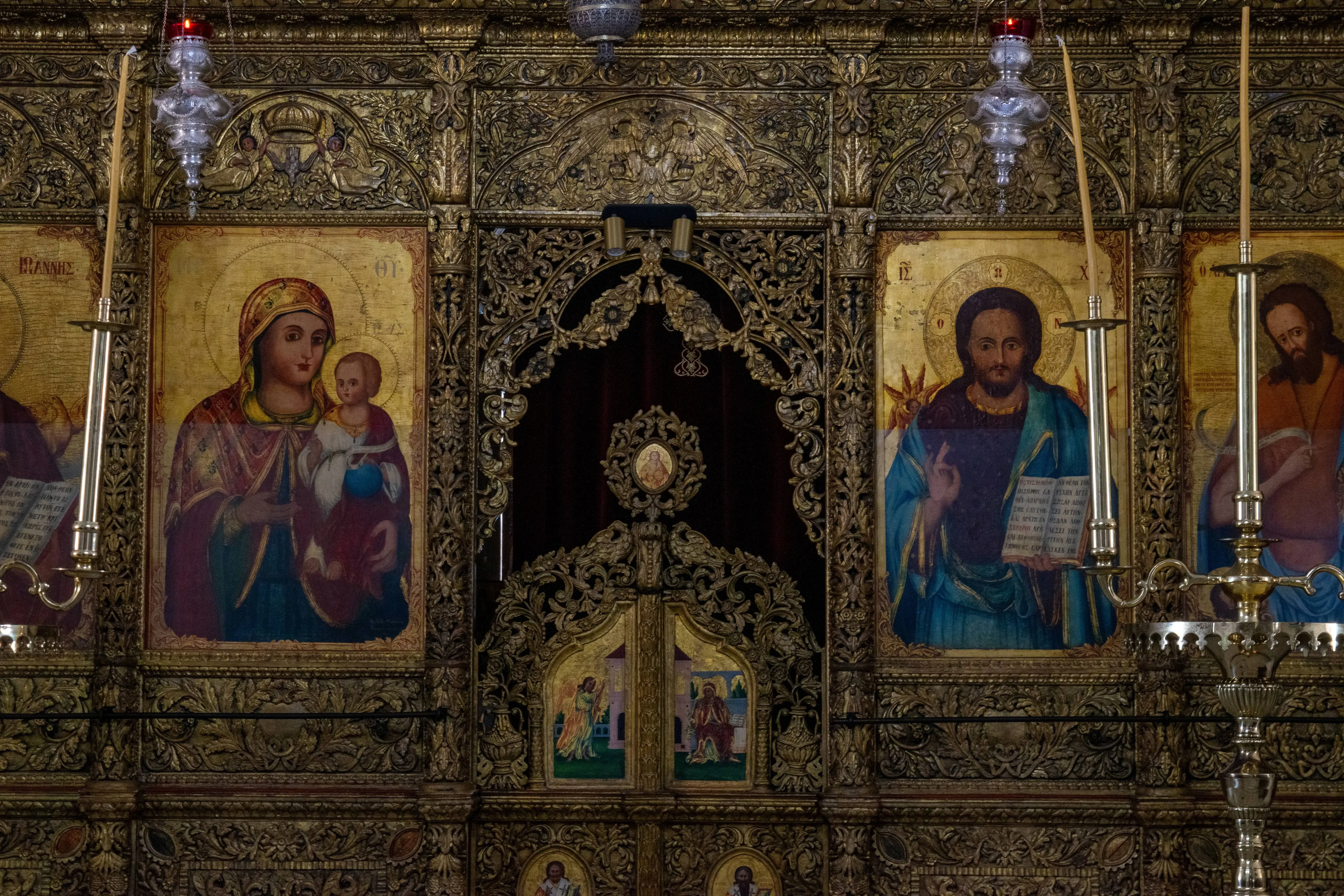
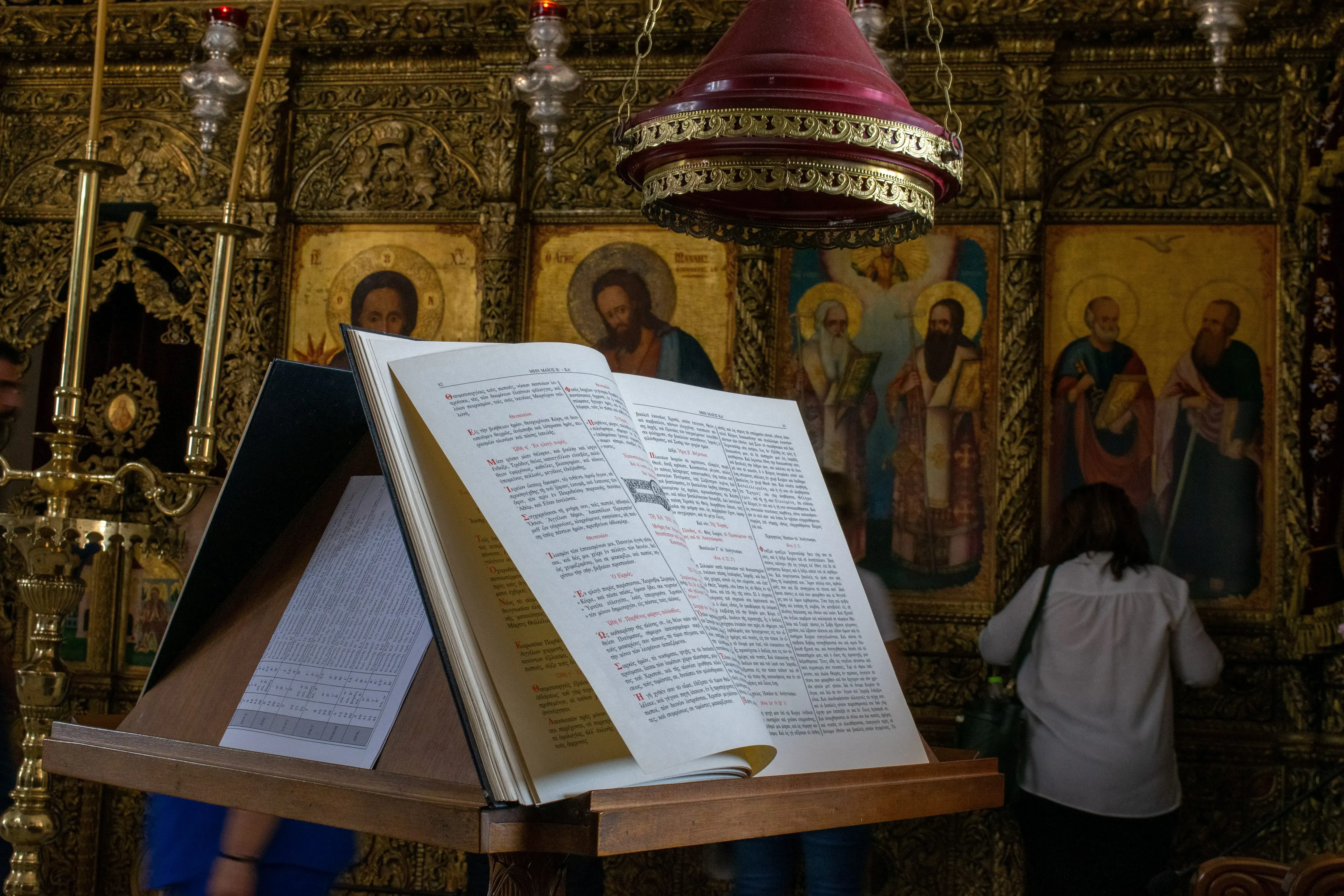
Another significant issue concerns not only the destruction of the physical buildings but also the looting of religious artifacts. Sacred objects are often missing from the iconostasis; many have been sold on the black market. While the buildings might still stand, their sacred objects are long gone.
In the south, mosques formerly attended by Turkish Cypriots face challenges as well—many have been abandoned, dozens destroyed, and the rest are on the verge of collapse. As of a 2020 report by the U.S. State Department, only eight mosques are functional, which reflects the broader impact of the island nation's division on religious and cultural sites.

Restoration efforts
Acknowledging significant shortcomings in protecting religious heritage, Cypriot civil society has taken proactive steps toward restoring damaged sites. Specifically, the work of the Technical Committee for Cultural Heritage stands out in this respect. TCCH comprises a bi-communal network of heritage experts from Greek and Turkish Cypriot communities. Established in 2008, it has restored dozens of churches and mosques across the island.
Some of the landmark projects carried out by TCCH are the restoration of Apostolos Monastery in Rizokarpaso and Hala Sultan Tekke mosque in Larnaca.
The Apostolos Andreas Monastery is considered one of the holiest places on the island for Christians. It is built on the site where, according to tradition, the ship carrying Saint Andrew to the Holy Land veered off course and struck the rocks. Restoration works at the monastery began in 2013.
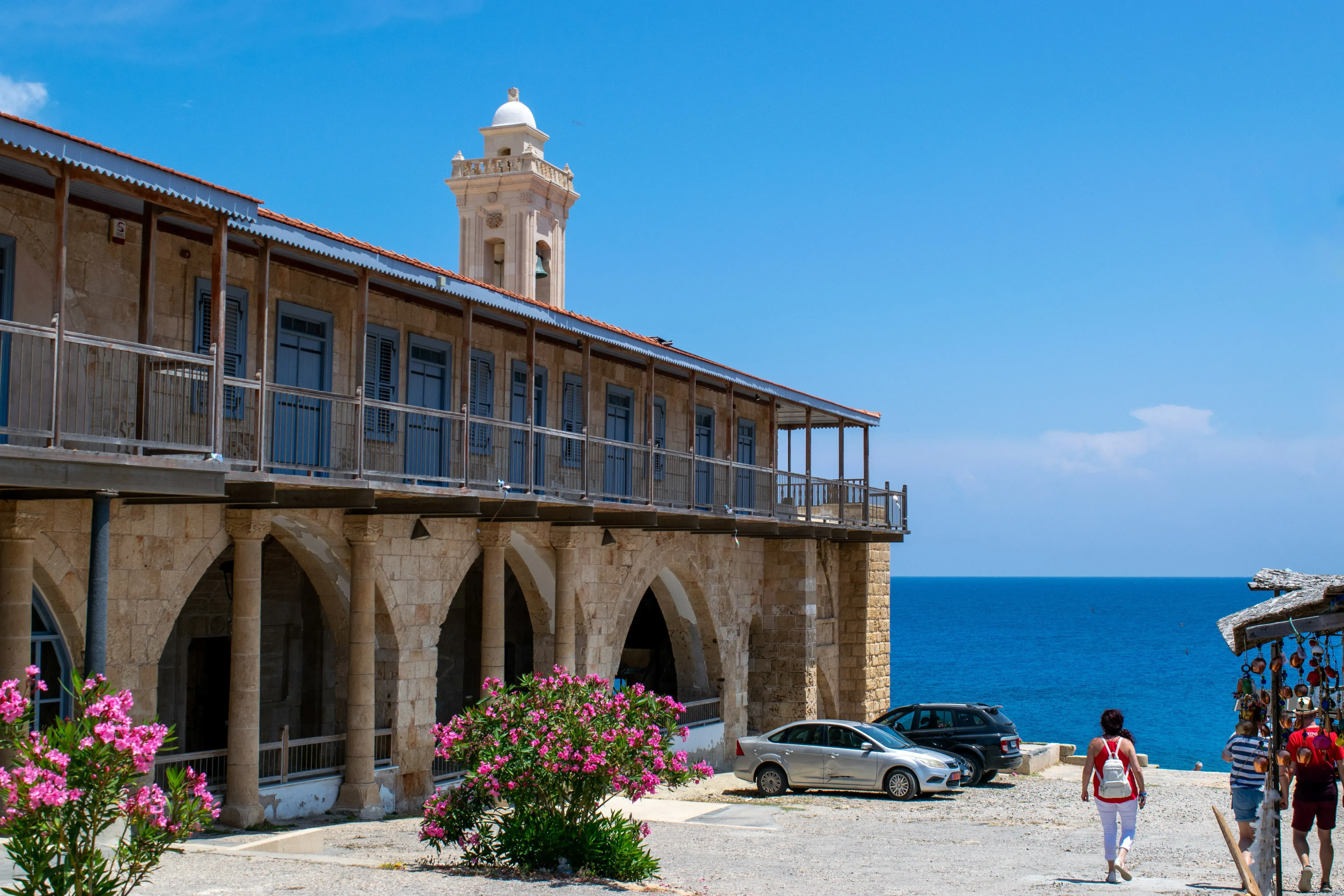
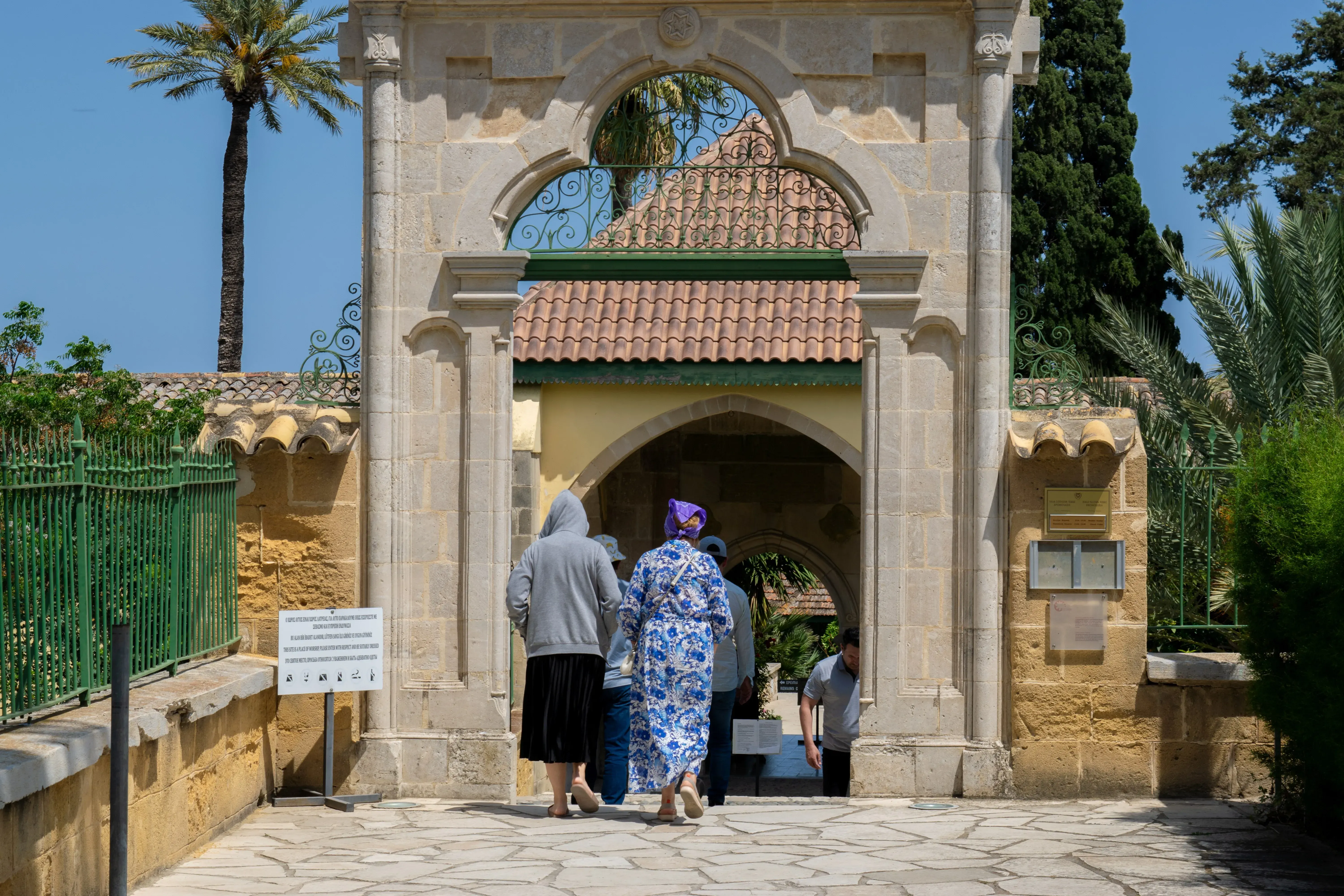
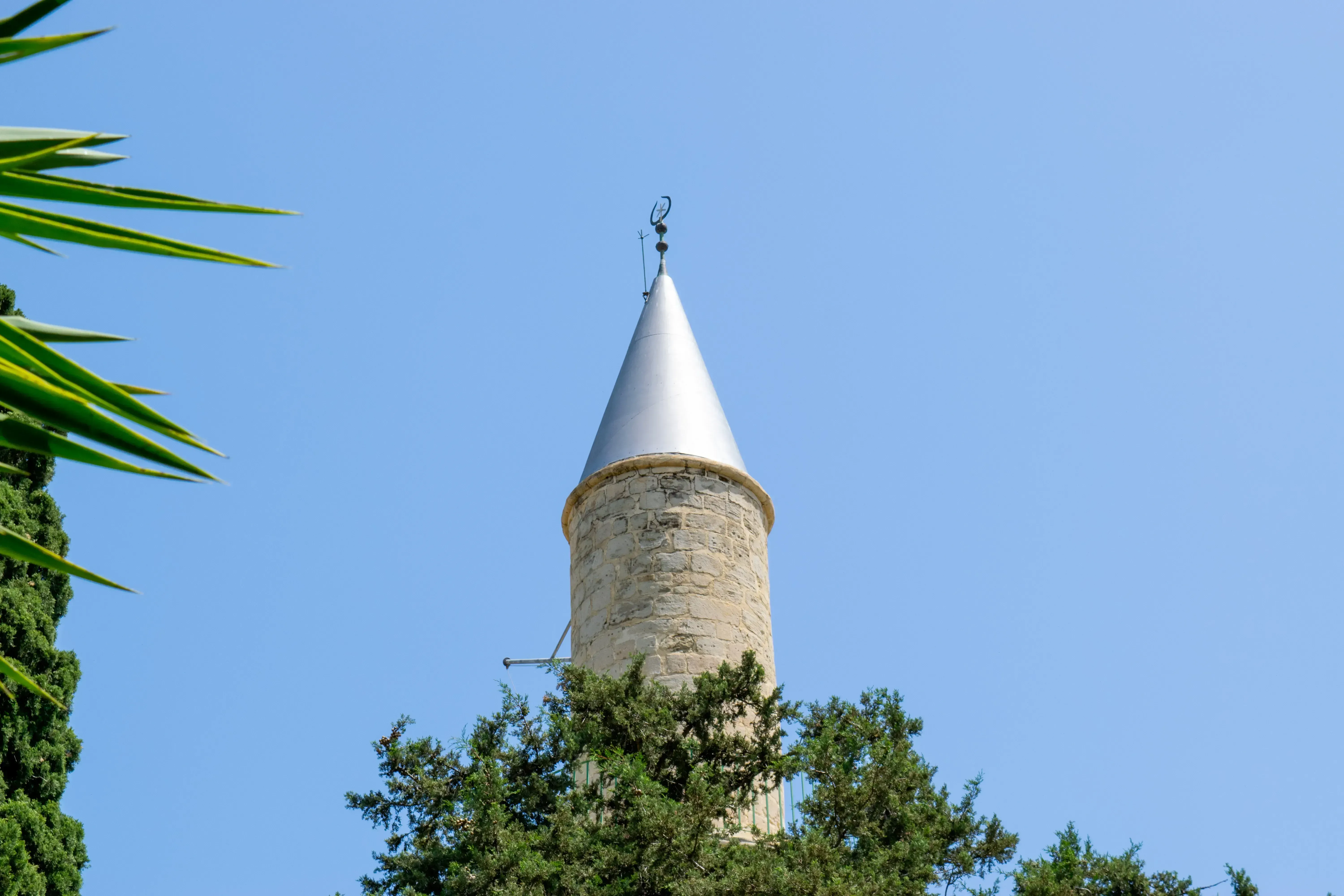
What distinguishes TCCH's work is not only its restoration efforts but also its collaborative approach. Greek and Turkish Cypriots work side-by-side to restore the island’s shared heritage. This joint effort symbolizes a significant step toward unity and reconciliation amid a troubled history.
Nevertheless, TCCH’s work is not without criticism. Despite the benefits of restoration, there are often complaints about the lack of consultation with local communities for whom this religious heritage is especially important.
“It is different when you are fixing a well versus when you are fixing a church or a mosque … You do not just want to fix a monument without knowing the sensitivity of what you are fixing,” said a respondent who chose to remain anonymous.

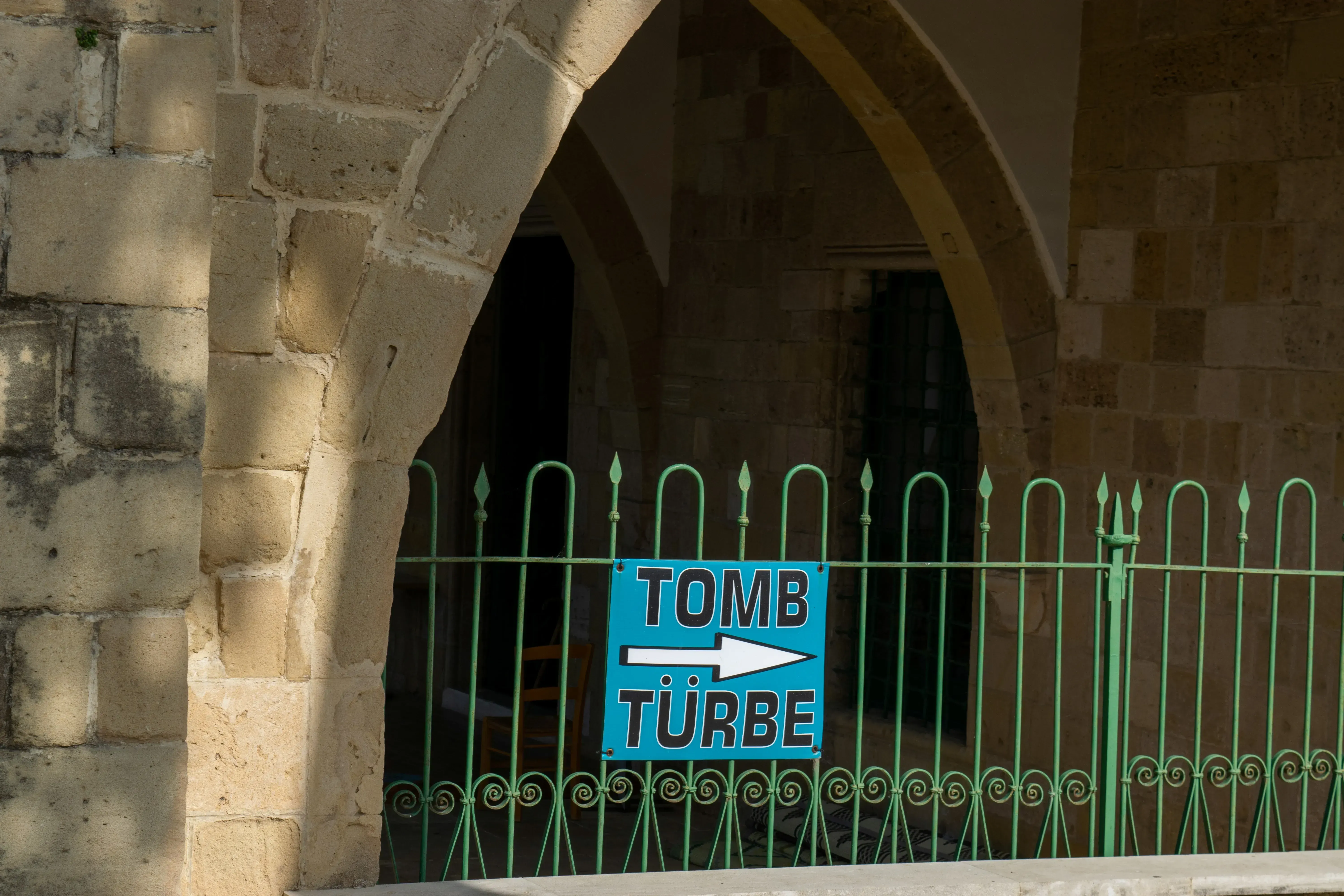
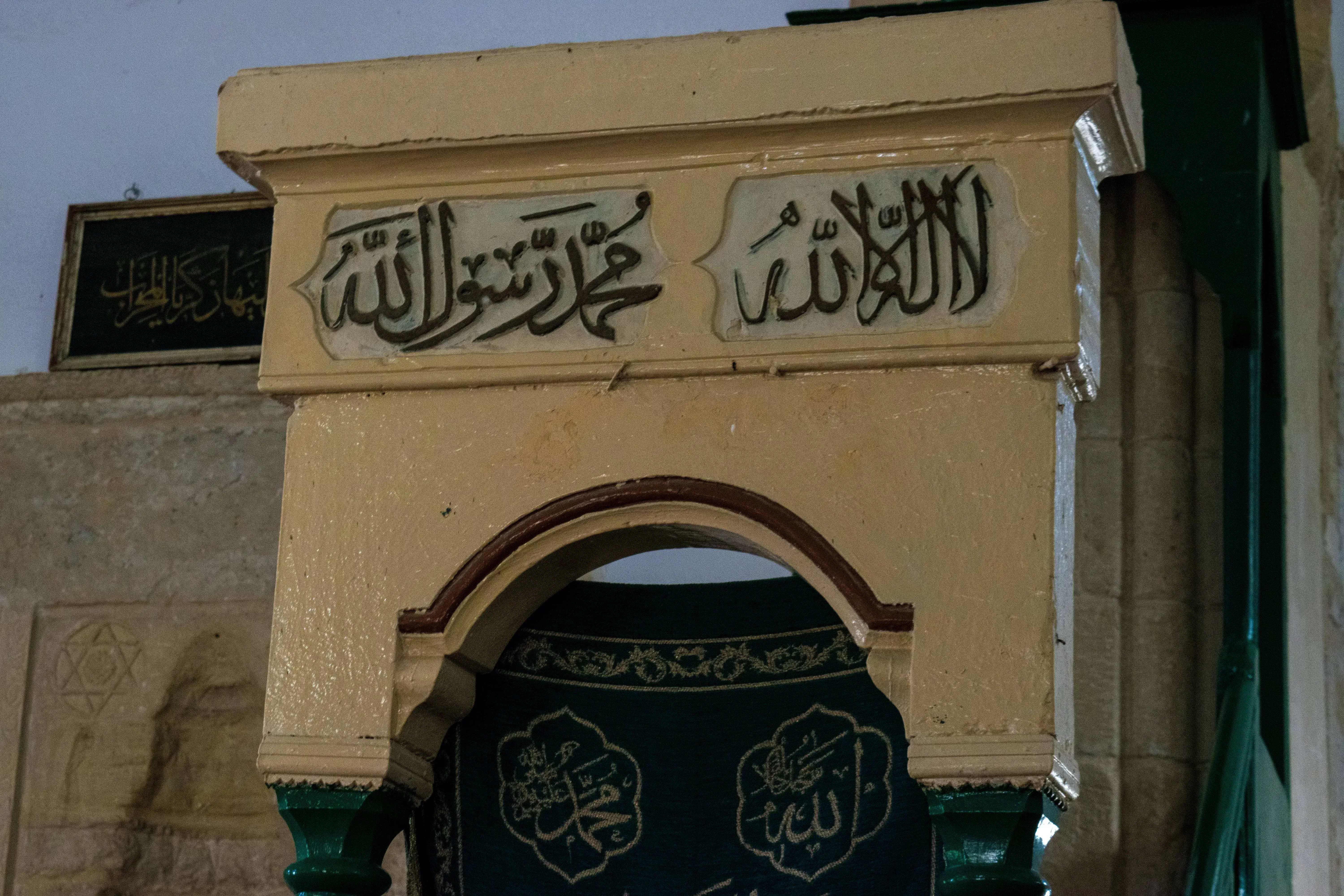
For instance, while restored mosques in the south can be in excellent condition, they may lack ablution spaces, which strips away part of a religious rite for Muslims participating in a washing ritual. Similarly, with the restored churches, the TCCH has systematically dismissed requests to repair the iconostasis, restore lost icons, or build a bell tower. The TCCH downplays the importance of going beyond structural restoration.
Although monuments can be restored and renovated, it is common for them to remain closed to visitors after their formal inauguration.
The small Mediterranean island of Cyprus has come a long way in advancing toward reconciliation, but significant work remains. As Cyprus continues its journey toward healing, some say it is crucial that restoration efforts not only preserve physical structures but also honor the deep, spiritual significance the sites hold for communities.