Browse and adapt hundreds of standards-aligned lesson plans for K–12 classrooms. Lessons encourage students to make local connections to global news stories, while strengthening skills such as critical thinking, media literacy, and communication. Click here to send feedback to our team.
-

Lesson Plans
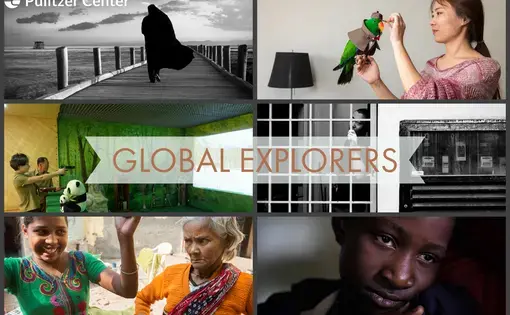
Global Explorers [Workshop]
Students explore how to seek out under-reported global stories and make local connections to them in this workshop.
-

Students learn about elements of narrative nonfiction through reporting on uranium mining in the U.S. They then plan and conduct their own reporting trips and write travelogue essays.
-
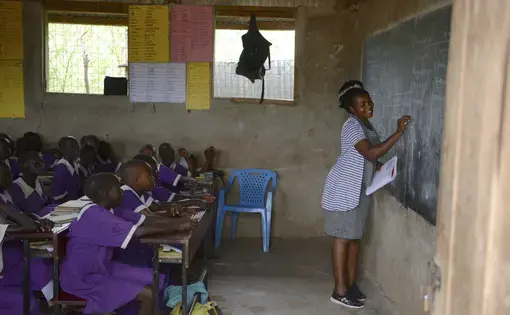
Students will explore literary journalism by learning about what life is like for children who live in and got to school at Kakuma refugee camp.
-
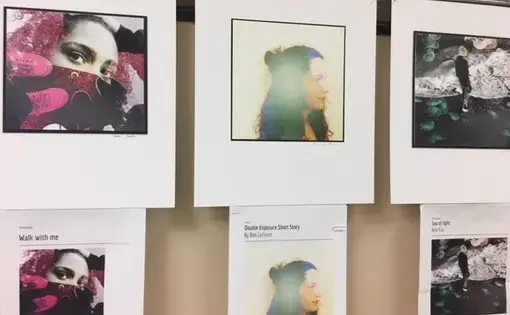
Students explore how grantee Daniella Zalcman communicates reporting through double-exposure portraits in order to apply image-blending techniques to evaluating content for English, History, Spanish...
-
Students will learn about the geography and history of uranium mining on the Colorado Plateau. They will then create their own maps as visual narratives about the topic.
-
In this lesson, students read a short text [5-10 minutes] about how exotic pet ownership leads to loss in biodiversity, and respond to writing prompts. Students can be introduced to the subject with...
-
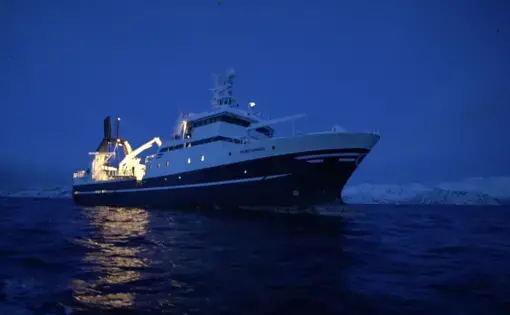
Students will learn about how climate change impacts the Arctic Ocean. They will also explore how scientific information is communicated to the public.
-
Lesson Plans
5 Lesson Plans to Celebrate World Press Freedom Day
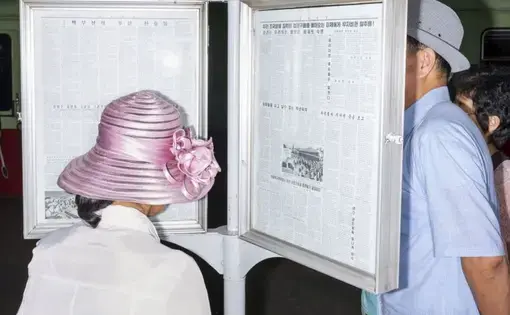
In celebration of World Press Freedom Day, we've compiled our top five lesson plans on the importance of a free media, and how journalists and citizens stand up for it around the world.
-
Lesson Plans
Resources for Global News Discussion
Students select a story to explore on their own, and then work in small groups to identify connections between global news stories and their own lives.