Journalist Resource December 2, 2024
Reporting On (and With) Artificial Intelligence

The Pulitzer Center’s AI Accountability Network is dedicated to a radical transparency of methods and data in order to make reporting on and with AI more accessible. This is a space where journalists can explore the wide range of approaches used by our grantees and fellows that can serve as blueprints and inspiration for future reporting projects.





REPORTING ON AI
How do you hold AI technologies (and the humans behind it) accountable? Here you will find how AI Accountability Fellows and Pulitzer Center grantees used a variety of approaches—including data analysis, records requests, cross-border collaboration, and shoe-leather reporting—to delve into the real-world impact of AI on policing, social welfare, surveillance, and more.

INFORMATION & AI METHODOLOGY RESOURCE
From Hype to Reality: Demystifying AI Through Baseline Research
The perception that artificial intelligence has transformed the way we live, work, and interact has been surrounded by hype, misunderstanding, and misinformation. Aiming to address this shortfall, the Pulitzer Center has developed a baseline study to support initiatives that contribute to more impactful AI storytelling.

INFORMATION & ARTIFICIAL INTELLIGENCE METHODOLOGY
The Path Behind the Invisibles Project
It all started with a question that kept coming up in team meetings at Salud con Lupa: Why is it so common for older adults to be excluded from Pensión 65 without any explanation? To understand this, they had to look closely at the system that decides who receives support from the Peruvian government. It’s a system that merges databases, surveys households, runs scores through an algorithm… and if the numbers don’t fit, people get excluded.
INFORMATION & ARTIFICIAL INTELLIGENCE METHODOLOGY
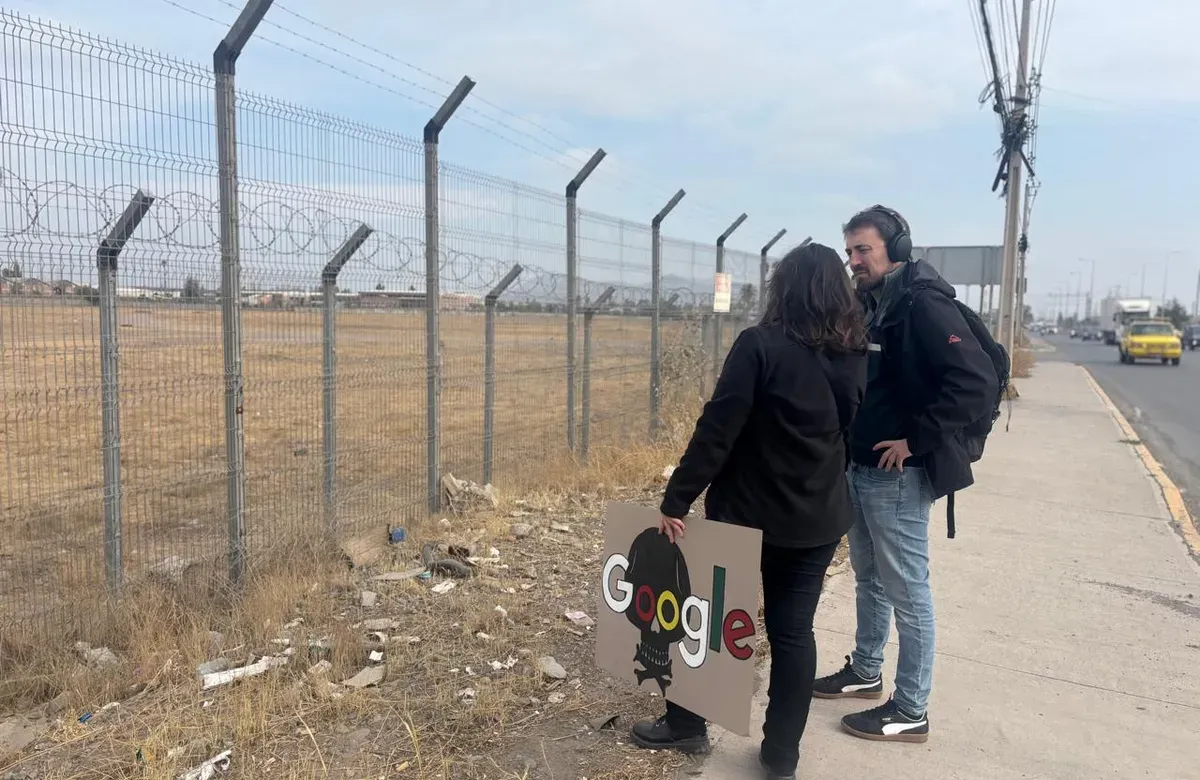
How We Investigated the Backyard of AI in Spain, Chile, and Mexico
Pablo Jiminez Arandia leads a cross-border investigation to show how the tech oligarchy is searching almost desperately across the globe for land and natural resources to feed its server farms. He found communities separated by thousands of miles but united in their struggles with extractivism and water stress.

INFORMATION & ARTIFICIAL INTELLIGENCE METHODOLOGY
How We Investigated AI Hype To Serve and Empower African Audiences
"As we navigated everything from Mindrift’s recruitment pipeline and its star-studded client base, to the overall purpose of this grand operation, we frequently ran into dead-ends. We constantly faced new questions and had to change our hypothesis over and over again. We learned quite early on that we needed to become comfortable with being wrong."
INFORMATION & ARTIFICIAL INTELLIGENCE METHODOLOGY
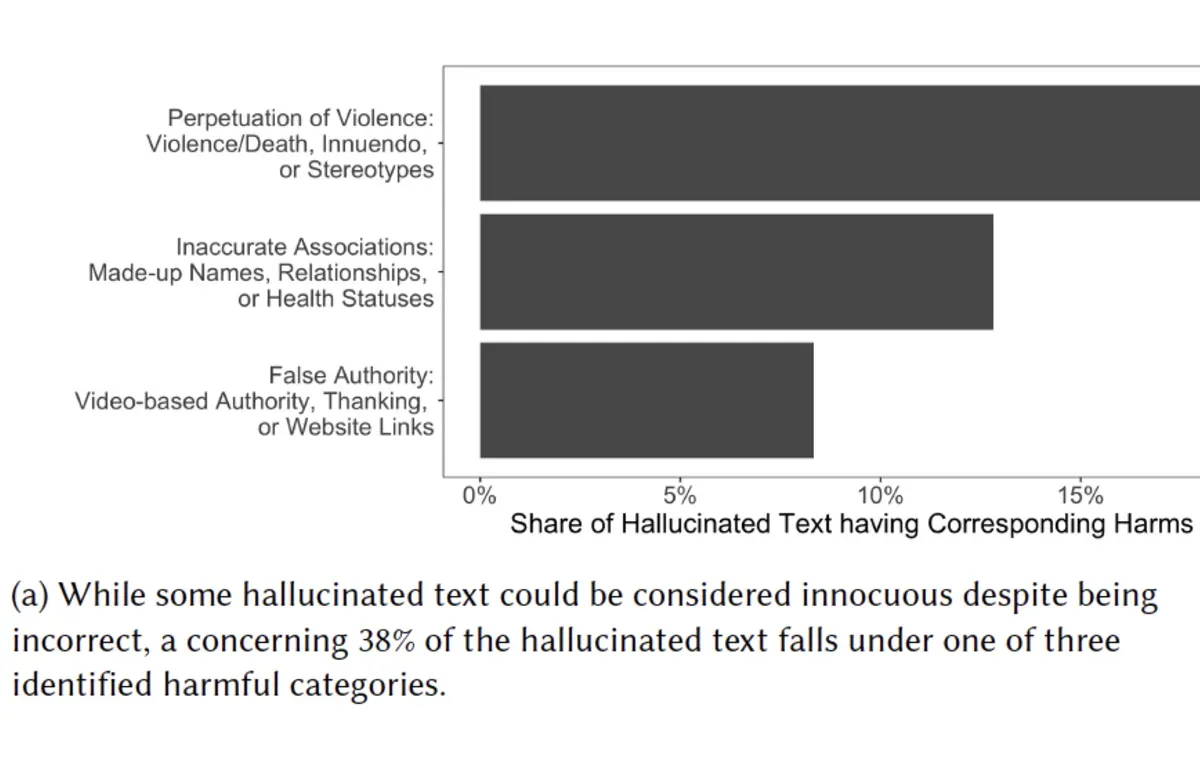
How I Teamed Up With Academics To Investigate Transcription Software
"The story came together in an unconventional, novel way that I believe points to a model reporters, and especially freelance journalists like myself and small newsrooms, can adopt for in-depth data and AI accountability-driven stories, which otherwise would be impossible to conduct."
INFORMATION & ARTIFICIAL INTELLIGENCE METHODOLOGY
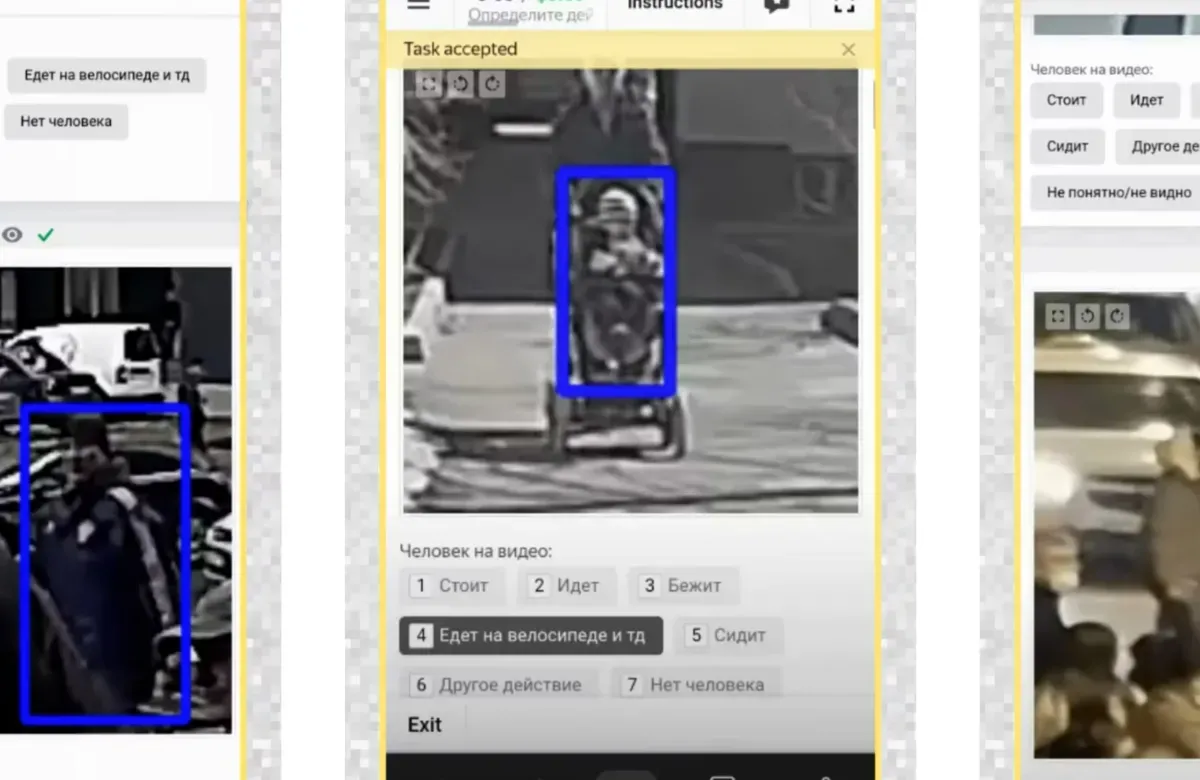
How I Investigated the Gig Work Feeding the Global Surveillance Industry
Niamh McIntyre was interested in the intersection of two harms: working conditions for data workers and people who were subject to excessive surveillance by companies or law enforcement.
What she found linked a network of gig workers in the Global South with Russia's extensive state surveillance system.

INFORMATION & ARTIFICIAL INTELLIGENCE METHODOLOGY
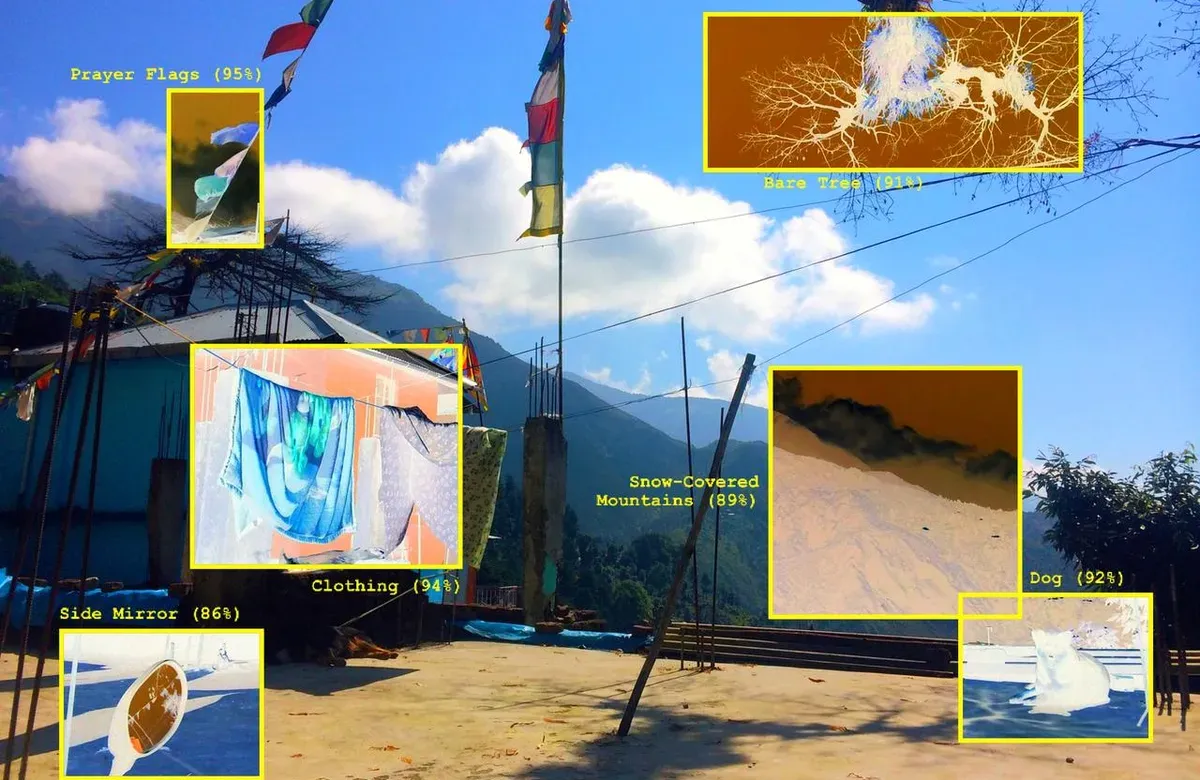
How I Reported on AI Tools That Can Help or Hinder People With Disabilities
Joanna Kao designed her AI Fellowship investigation into how disabled people experience the AI boom in a way that many AI companies marketing accessibility products have failed to do: by centering the individual, their experiences, and their environments.

INFORMATION & ARTIFICIAL INTELLIGENCE METHODOLOGY
How PCIJ Investigated Grab’s Surge Pricing Model
Working with 20 researchers, AI Accountability Fellow Karol Ilagan teamed up with data specialist Federico Acosta Rainis to spend more than six months examining ride-hailing app Grab’s algorithm and how it impacts consumers and drivers.

INFORMATION & ARTIFICIAL INTELLIGENCE METHODOLOGY
How Digital Witness Lab Analyzed Data From BJP WhatsApp Groups Ahead of the Indian Elections
A case study on how India’s Bharatiya Janata Party used WhatsApp to spread its message in a small Indian town. We studied messages from 20 WhatsApp groups in the weeks surrounding what many considered to be the beginning of Prime Minister Narendra Modi’s 2024 election campaign: the Ram Temple inauguration in Ayodhya in January 2024. This methodology provides further details regarding the statistical analyses presented in Rest Of World’s investigation “Inside the BJP’s WhatsApp Machine.”
INFORMATION & ARTIFICIAL INTELLIGENCE METHODOLOGY
How We Investigated the Human Labor Behind AI
“Ghosts.” “Phantoms.” These are words commonly used to portray the workers training artificial intelligence systems. Despite their crucial role in supporting generative AI, the industry hides their existence. The task of training data systems is far less glamorous than writing code in modern Silicon Valley offices.
Tatiana Dias breaks down what it was like to learn more about these workers, their bosses, and the ultimate beneficiaries of their work.

INFORMATION & ARTIFICIAL INTELLIGENCE METHODOLOGY
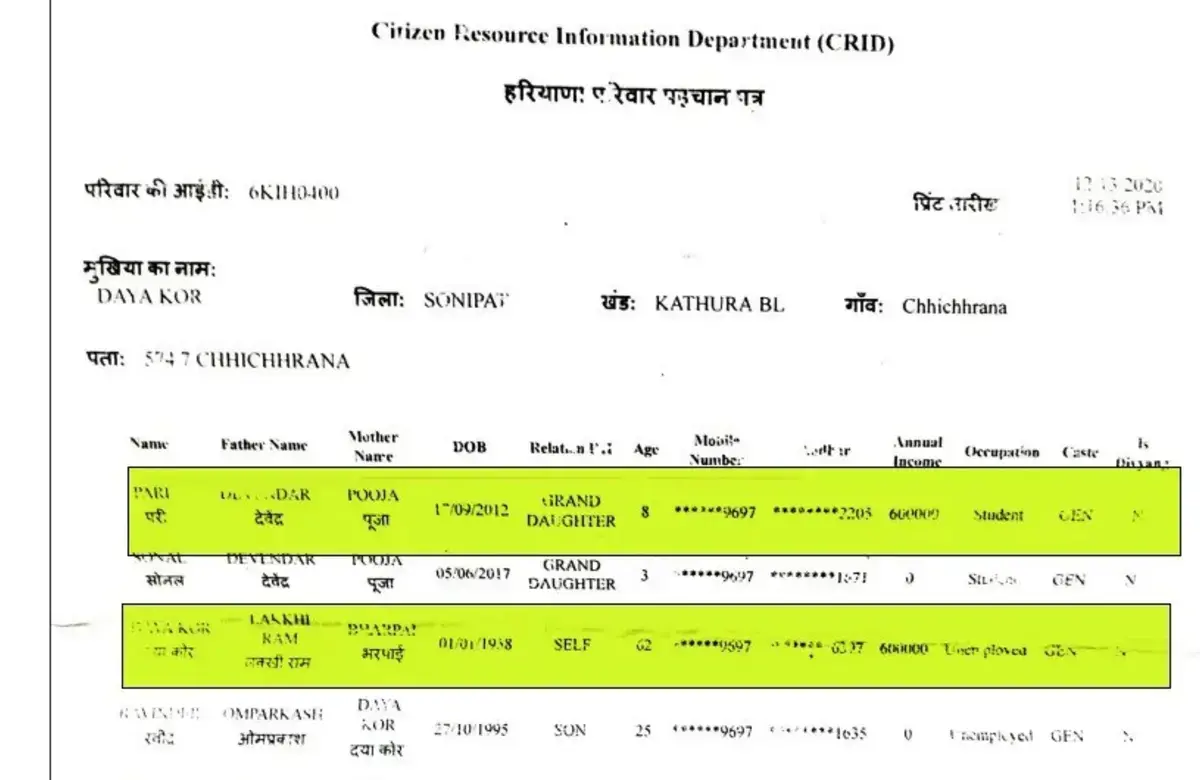
How We Investigated Welfare Algorithms in India (Part I)
AI Accountability Fellow Kumar Sambhav Shrivastava and journalist grantee Tapasya investigated opaque welfare algorithms in India that wrongfully cut off benefits to thousands of its poorest citizens. In this piece, Shrivastava shares how the story got started, the questions that drove the reporting, and the lessons they learned.
INFORMATION & ARTIFICIAL INTELLIGENCE METHODOLOGY
How We Investigated Welfare Algorithms in India (Part II)
AI Accountability Fellow Kumar Sambhav Shrivastava and journalist grantee Tapasya investigated opaque welfare algorithms in India that wrongfully cut off benefits to thousands of its poorest citizens. In this piece, Tapasya describes their approach to accessing public records through India’s Right to Information Act, as well as other reporting methods they used to overcome records’ denials and government bureaucracy.

INFORMATION & ARTIFICIAL INTELLIGENCE METHODOLOGY
How We Did It: Unlocking Europe's Welfare Fraud Algorithms
Lighthouse Reports and WIRED teamed up to examine the growing use and deployment of algorithmic risk assessments in European welfare systems across four axes: people, technology, politics, and business. This methodology explains how they developed a hypothesis and used public records laws to obtain the technical materials necessary to test it.
INFORMATION & ARTIFICIAL INTELLIGENCE METHODOLOGY
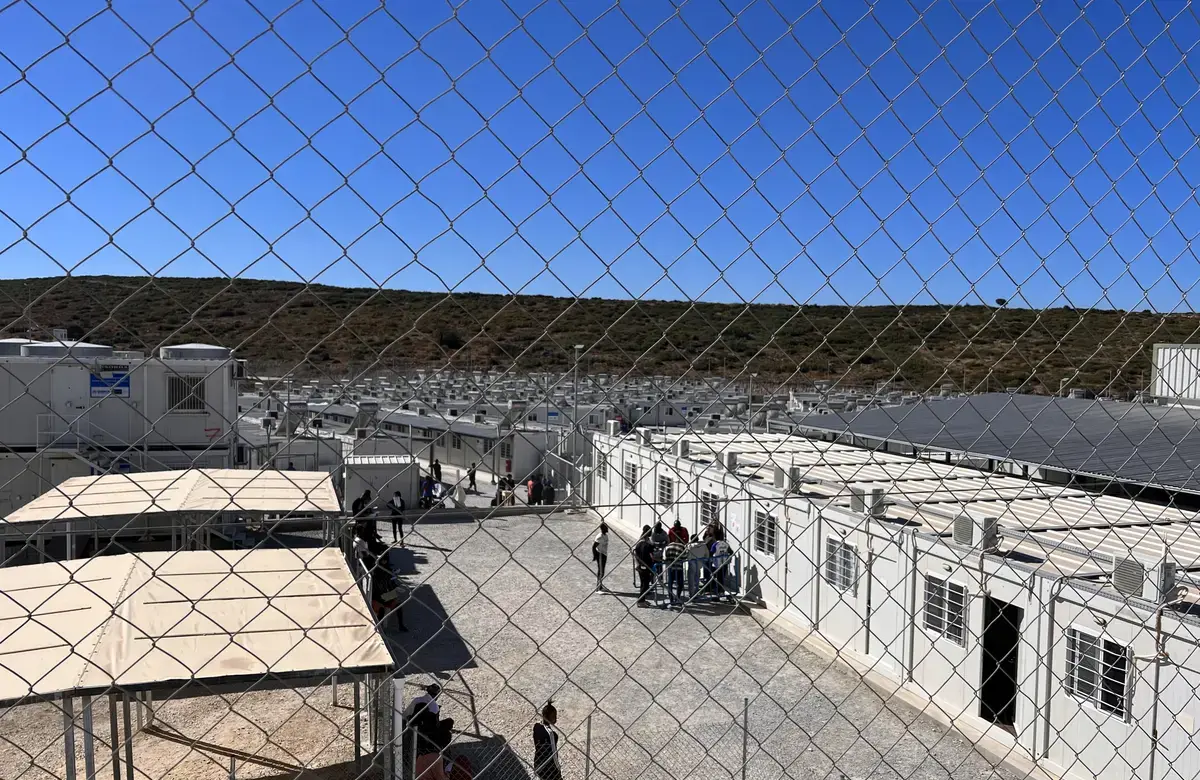
How We Investigated Automated and Predictive Technologies at Refugee Camps and Borders in Europe and the U.S.
Lydia Emmanouilidou worked with journalists and researchers to investigate EU-funded high-tech surveillance systems at Greek refugee camps and the Greek border, how they compare to technologies at the U.S.-Mexico border, and U.S.-Greek/European collaboration and lesson-learning on border technology initiatives.
INFORMATION & ARTIFICIAL INTELLIGENCE METHODOLOGY
How We Did It: Peering Into the Black Box
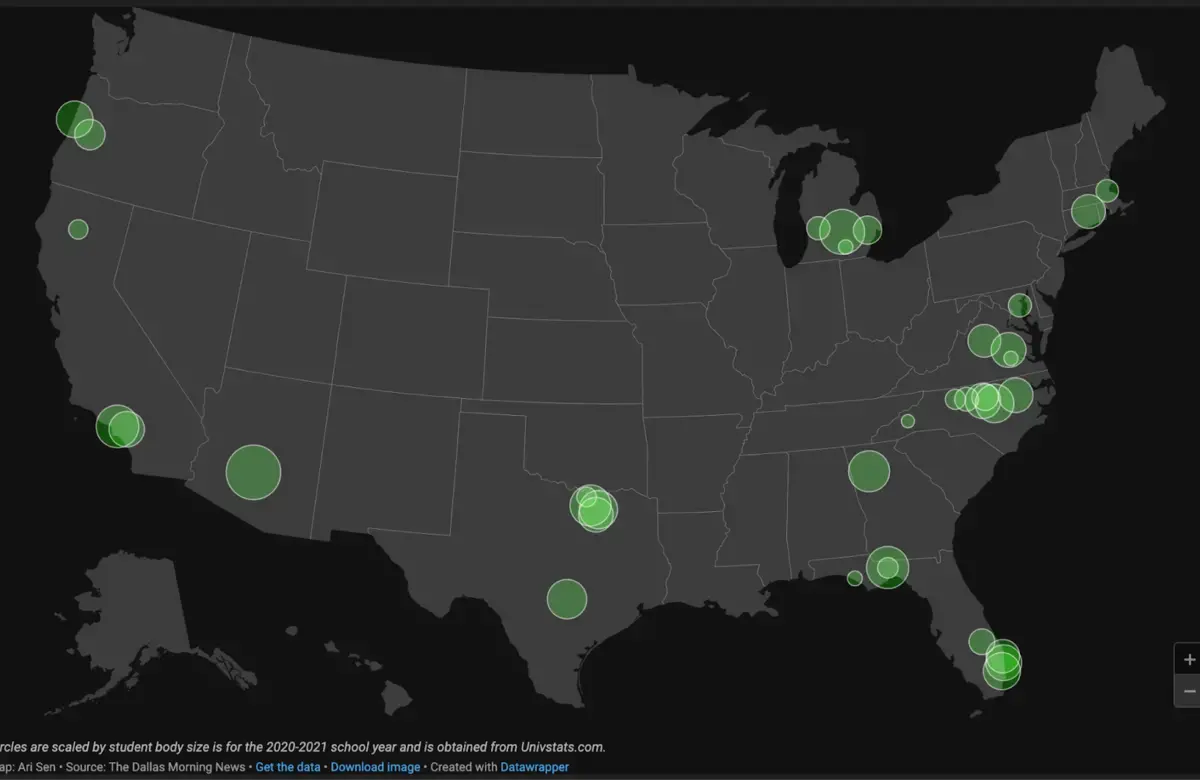
Social Sentinel said its AI technology could help schools prevent suicides and shootings. Our investigation found no evidence that any student lives were saved because of an alert from the service. Our project was a comprehensive examination of the use of social media surveillance software on college campuses. We hope more journalists—particularly student journalists—will continue to examine the impact of artificial intelligence.

INFORMATION & ARTIFICIAL INTELLIGENCE METHODOLOGY
10 Takeaways From Journalists at the Forefront of AI Reporting
On February 24, 2022, Pulitzer Center grantees Karen Hao and Joanne Cavanaugh Simpson joined Reuters Executive Editor Gina Chua for a conversation on AI accountability. The speakers shared how they got started reporting on algorithms, discussed their challenges and breakthroughs, and offered tips for colleagues interested in covering this urgent, underreported story.
INFORMATION & ARTIFICIAL INTELLIGENCE METHODOLOGY
How We Investigated Ring’s Crime Alert System for Police Departments
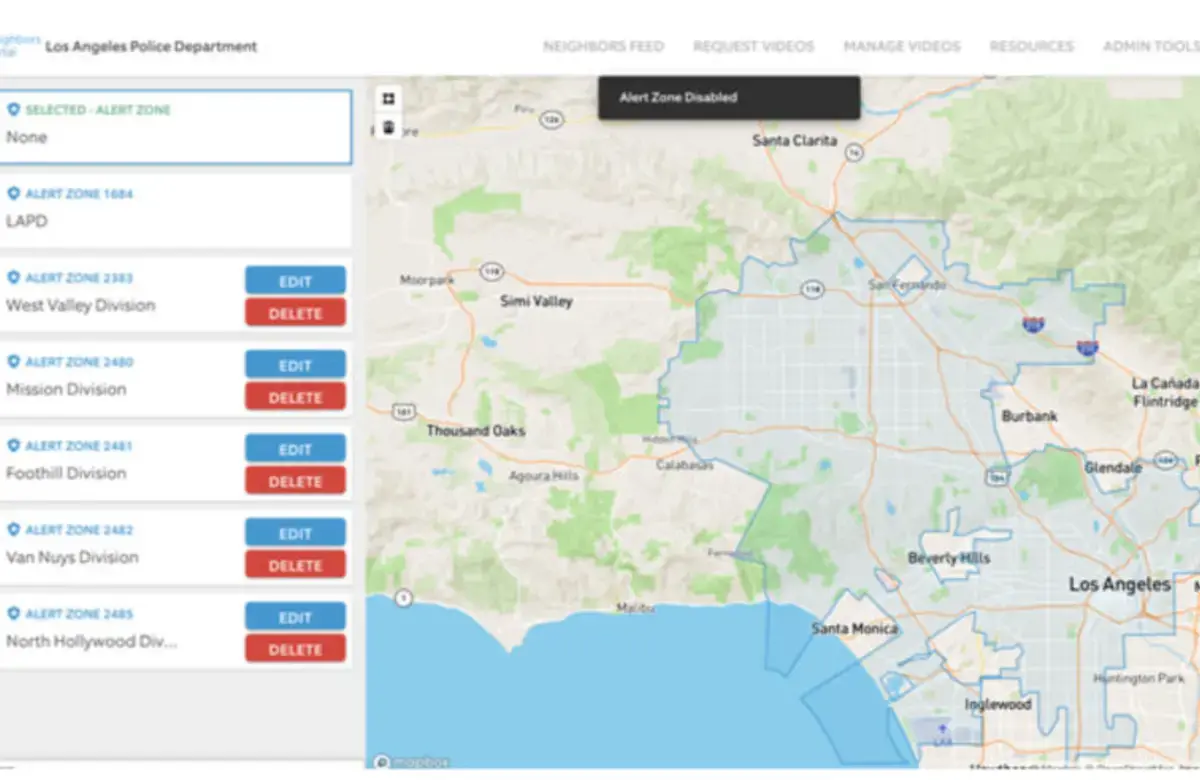
Across the country, more than 2,600 police and close to 600 fire departments have partnerships with Ring, the popular doorbell camera company that was acquired by Amazon in 2018. The Markup sought to get a better understanding of what kind of information is sent to police from Ring’s companion app and hyperlocal social platform Neighbors. This article describes our analyses’ data sources, methodologies, findings, and limitations.

INFORMATION & ARTIFICIAL INTELLIGENCE METHODOLOGY
How To Run a Public Records Audit With a Team of Students
A Markup investigation found that Amazon Ring’s social platform, Neighbors, funnels suspicions from residents in whiter and wealthier areas of Los Angeles directly to the police. We teamed up with five students at the Craig Newmark Graduate School of Journalism at CUNY. Together, the students sent public records requests to 25 different police departments. This methodology gives tips for working with students on a public records audit.

INFORMATION & ARTIFICIAL INTELLIGENCE METHODOLOGY
How We Investigated Mass Surveillance in Argentina
Seventy-five percent of the Argentine capital area is under video surveillance, which the government proudly advertises on billboards. But the facial recognition system, part of the city's sprawling surveillance infrastructure, is being criticized after at least 140 other database errors led to police checks or arrests after the system went live in 2019. From the beginning of the investigation, we considered the question of privacy versus security, as well as the regulation of AI and already known racist patterns in facial recognition with the help of AI.

INFORMATION & ARTIFICIAL INTELLIGENCE METHODOLOGY
Tracked: How AP Investigated the Global Impacts of AI
Temperature-detecting cameras. Drones. Technology that police say can predict human feelings. As government agencies quietly deployed new surveillance and predictive tools to monitor their citizens in a time of pandemic and protests, the team at AP compared these tools’ application across nations, and probe how people’s personal data can be sold and mined to expand the knowledge infrastructure of governments and corporations.

INFORMATION & ARTIFICIAL INTELLIGENCE METHODOLOGY
How We Investigated the Dating App Company Match Group
What did dating app companies know about the extent of harm on their platforms? When did they know it? What, if anything, were they doing to stop it? Over the course of 18 months, we reviewed hundreds of pages of documents from Match Group, the dating app conglomerate that owns popular apps like Tinder and Hinge, along with thousands of pages of court records, securities filings and analyst reports, coupled with dozens of interviews with current and former employees and survivors of sexual violence.

INFORMATION & ARTIFICIAL INTELLIGENCE METHODOLOGY
How I Investigated the Impact of Facial Recognition on Uber Drivers in India
As part of the investigation, Varsha Bansal conducted a survey of 150 Uber drivers across different parts of India to find out how many of them had been locked out of their accounts—either temporarily or permanently—due to issues related to facial recognition. This investigative effort prompted the gig workers' union to start collecting their own data to petition the platforms.

INFORMATION & ARTIFICIAL INTELLIGENCE METHODOLOGY
How I Investigated the Use of Facial Recognition in India’s Flagship Welfare Program
I first learned about the Indian government’s decision to introduce facial recognition for welfare delivery in late June 2025. I examined how the facial recognition system worked through static analysis of the app, on-the-ground reporting, and a structured survey of Anganwadi workers to capture the impact of facial recognition on their work.

INFORMATION & ARTIFICIAL INTELLIGENCE METHODOLOGY
How I Investigated AI-Assisted Ponzi Schemes
The idea for this investigation was born out of the collapse of the Crypto Bridge Exchange (CBEX) in April—a platform that vanished with over ₦1.3 trillion in investors’ funds after promising “AI-powered” trading and unbelievable returns. Unlike many Nigerians, I was not much struck by the scale of the loss, but by how easily people had been convinced that artificial intelligence could double their money.

INFORMATION & ARTIFICIAL INTELLIGENCE METHODOLOGY
How I Investigated Uganda’s Digital Number Plates as Surveillance Tools
When I pitched the idea of investigating Uganda’s new digital number plates as surveillance tools, I knew it was going to be one of the most difficult stories I would ever have to do. The plates are under an arcane system known as the Intelligent Transport Monitoring System (ITMS), which is owned by a shadowy Russian company called Joint Stock Global Security Company.
INFORMATION & ARTIFICIAL INTELLIGENCE METHODOLOGY
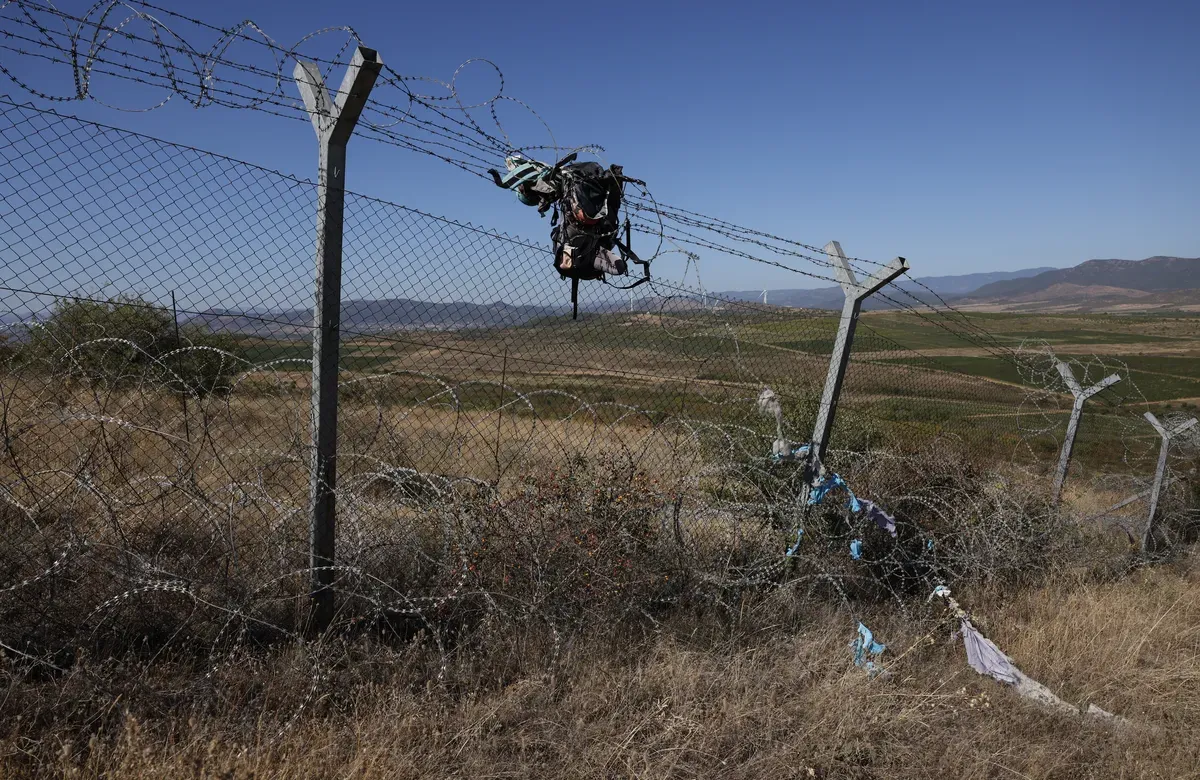
Following Systems, Not Statements: How We Investigated Automated Border Surveillance in Europe
This investigation began with a shared intuition: that the most consequential decisions shaping Europe’s borders were not being made where surveillance technologies were deployed, but elsewhere—across policy rooms, research programs, and funding mechanisms that remain largely out of public view.

INFORMATION & ARTIFICIAL INTELLIGENCE METHODOLOGY
How Community Collaboration Strengthened Reporting on a Crypto Farm in Paraguay
At the end of 2024, El Surtidor’s WhatsApp account received a message from a young resident of Villarrica, a city three hours from Paraguay’s capital, complaining about a constant noise coming from a cryptocurrency mining operation that had been set up in her neighborhood. Several months later, as a result of reporting work and civic action by neighbors affected by the crypto farm, a judge ruled that the case would go to public trial due to its environmental and social significance.

INFORMATION & ARTIFICIAL INTELLIGENCE METHODOLOGY
How We're Investigating Brazil’s Data Center Development Boom
Data centers are a critical part of artificial intelligence. These gigantic warehouses, oftentimes the size of football fields, house powerful computers equipped with chips that process, distribute, and train data. Our project The AI Herd looks at two levels: the macro and the local. Before diving into the local level, we needed to explain to our audiences how data centers popping up in random cities around Brazil are part of a bigger plan, one that goes even beyond Brazil.

INFORMATION & ARTIFICIAL INTELLIGENCE METHODOLOGY
How We Investigated Amsterdam’s Attempt To Build a ‘Fair’ Fraud Detection Model
For the past four years, Lighthouse has investigated welfare fraud detection algorithms deployed in five European countries. Our investigations have found evidence that these systems discriminated against vulnerable groups with oftentimes steep consequences for people’s lives. The city of Amsterdam had gone to significant lengths in order to develop a model that was transparent and treated vulnerable groups fairly. We wanted to investigate whether the city had succeeded in developing a fair model.
INFORMATION & ARTIFICIAL INTELLIGENCE METHODOLOGY
Workplace Surveillance: How I Investigated the Computer Vision Industry
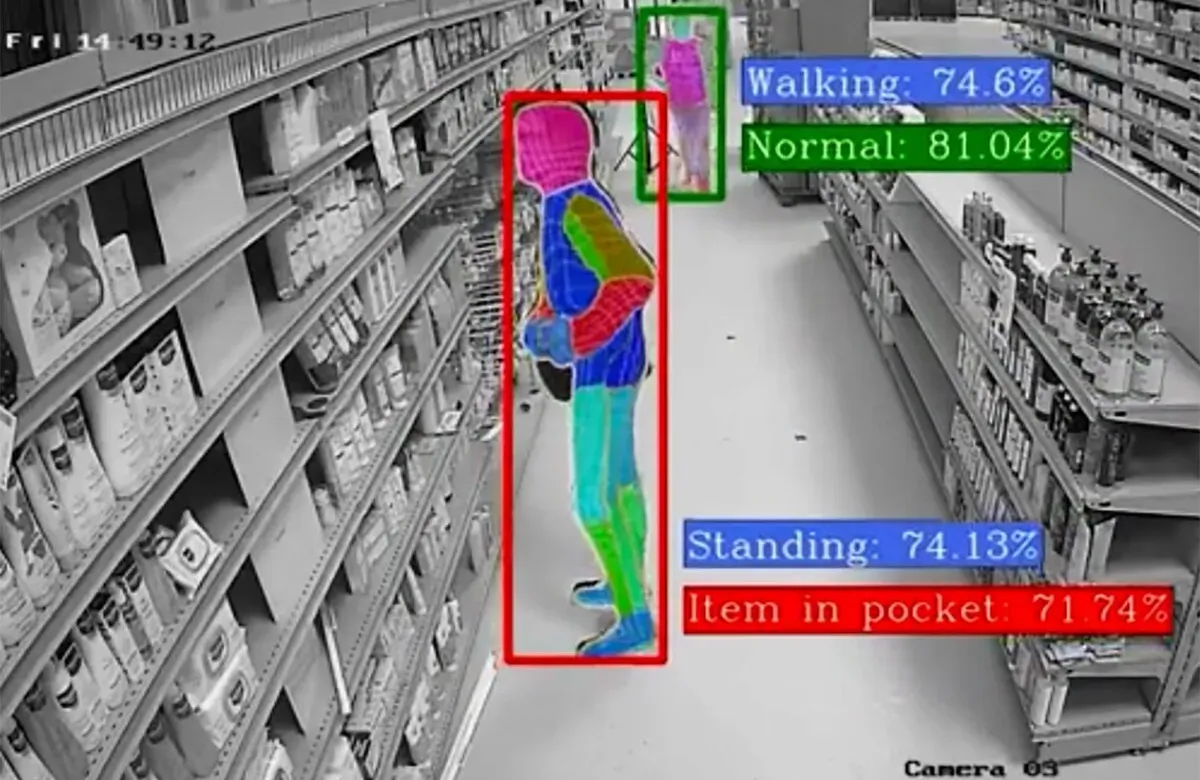
France's highest administrative court determined that a surveilllance technology designed to detect theft in supermarkets from Veesion, a French startup that generated over €8 million in revenue in 2024, was illegal. For years, I documented the development of these technologies, but I wanted to focus on their widespread adoption in the workplace. How prevalent are they? What risks do they pose to employees? Which French startups are marketing these surveillance tools, and under what conditions are these technologies manufactured?

INFORMATION & ARTIFICIAL INTELLIGENCE METHODOLOGY
Opening the AI 'Black Box': How We Investigated Grab’s Fare System
Users of Grab, the Philippines' most popular ride-hailing app, are at the mercy of an opaque algorithm that calculates service prices. When they book a ride, the amount to be paid for the distance traveled and the travel time is usually coupled with a surge fee. Our investigation revealed that this extra fee is always present, regardless of the time and location at which a ride is booked, and that paying for more expensive rides does not necessarily result in shorter waiting times.
INFORMATION & ARTIFICIAL INTELLIGENCE METHODOLOGY
Suspicion Machines Methodology
Every year, hundreds of people on welfare in a major European city find themselves under investigation because an automated system flagged them as fraud risks. What few of them realise is that they have been surveilled by an automated system that scores their lives, from their mental health history, to their relationships, to the languages they speak. They have been placed under investigation by a machine that finds vulnerability suspicious. Here's how we investigated the machine learning algorithm of a risk scoring system.
MACHINE LEARNING IN INVESTIGATIONS
Explore how Pulitzer Center grantees have used machine learning to augment the reporters’ capacity to tackle big data and systemic issues. Find out more about how journalists revealed for the first time the scope of corporate-owned rental homes in North Carolina; calculated the scope of oil-well abandonment in Texas; held land banks accountable in Ohio; and mapped the proliferation of gold mines in the Amazon rainforest.
INFORMATION & ARTIFICIAL INTELLIGENCE METHODOLOGY
Misinformation on TikTok: How Documented Examined Hundreds of Videos in Different Languages
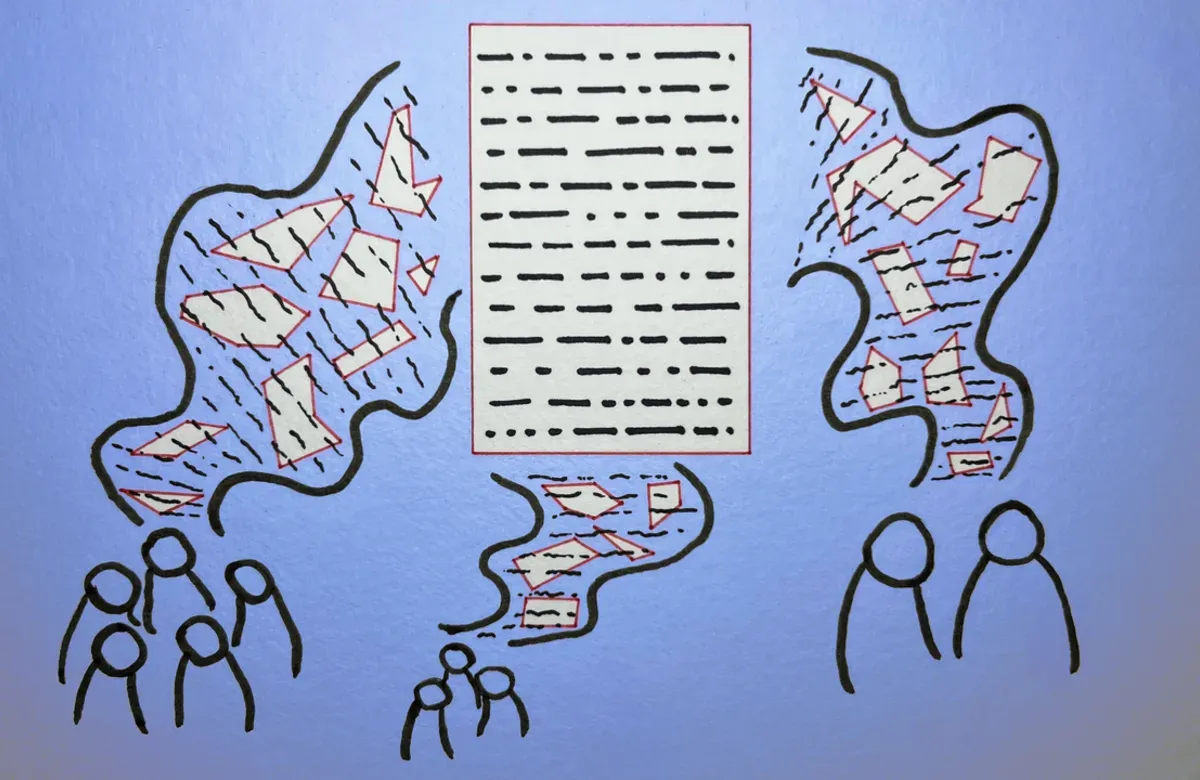
When trying to understand this content it's common to face a huge volume of it, making any manual approach to understanding this information particularly difficult.
AI Spotlight Series Coach and AI Fellow Lam Thuy Vo breaks down how machine learning helped her team comb through thousands of videos to isolate trends.
INFORMATION & ARTIFICIAL INTELLIGENCE METHODOLOGY
Investigating Rainforest Destruction: Finding Illegal Airstrips With the Help of Machine Learning
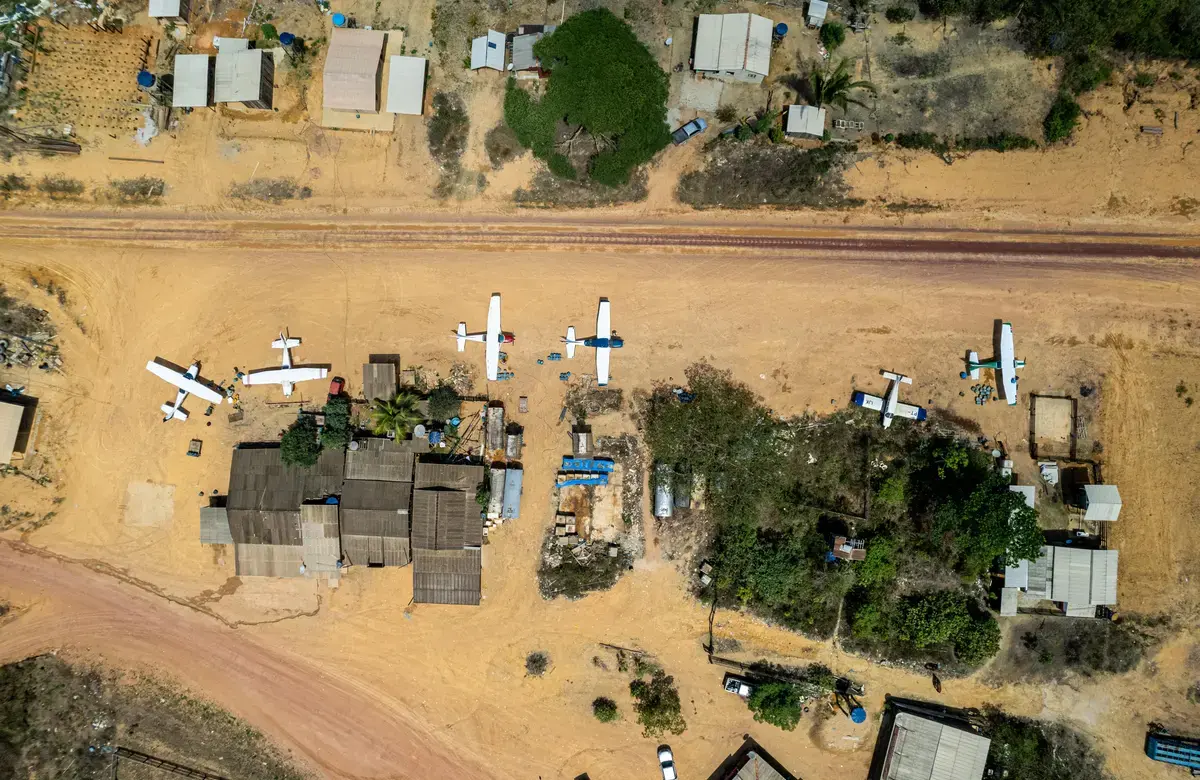
From Freedom of Information requests to using artificial intelligence to analyze satellite imagery, the reporters got their hands on previously unseen data that sheds light on the corruption and systems behind the destruction of the world’s biggest rainforests. Learn about their innovative methodologies.

INFORMATION & ARTIFICIAL INTELLIGENCE TOOLKIT
Single-Family Rental Industry Reporting Toolkit
Using machine learning, The Charlotte Observer and The News & Observer look into a new class of landlords in North Carolina's booming housing market that includes Wall Street hedge funds and other institutional investors. This toolkit is for local and national journalists at a variety of skill levels who are interested in probing the extent of corporate homeownership in their cities, regions, and states.
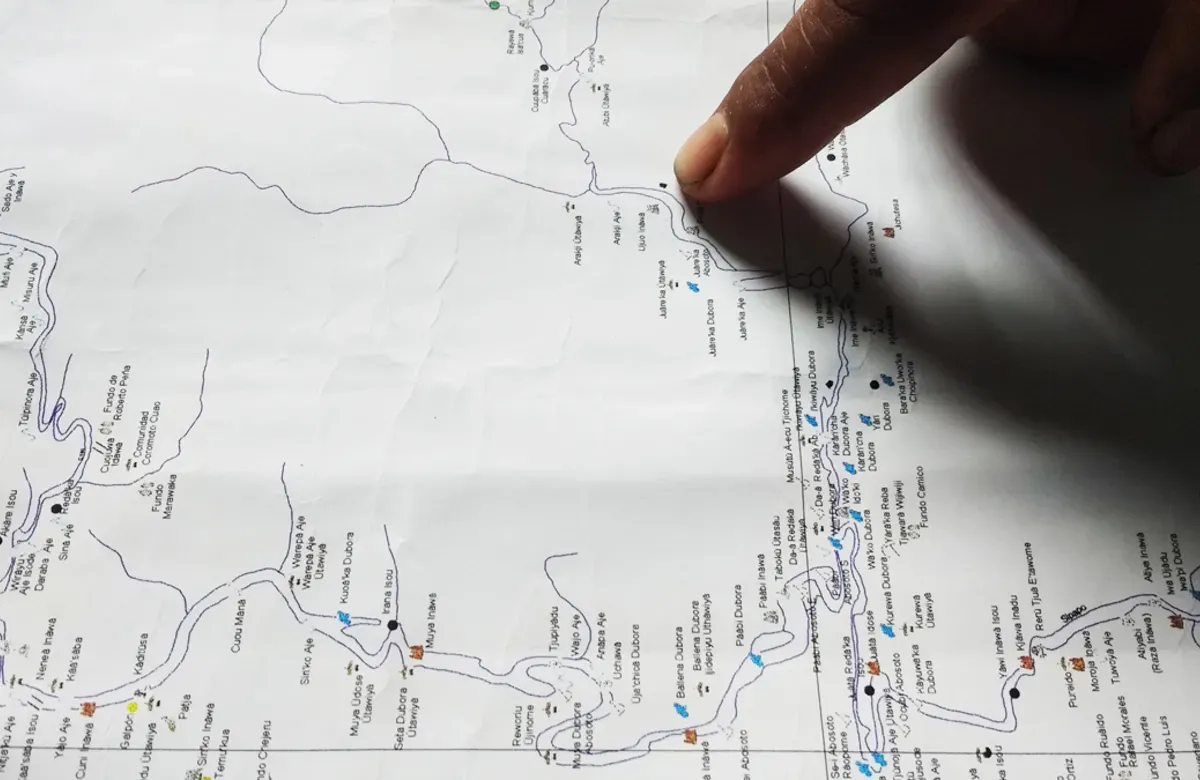
INFORMATION & ARTIFICIAL INTELLIGENCE METHODOLOGY
How They Did It: Uncovering a Vast Network of Illegal Mining in Venezuela
In the Venezuelan Amazon, traces of the devastation caused by illegal mining can be seen from the sky. This investigation arose from a survey of satellite monitoring information, later processed with artificial intelligence, to see and understand in a comprehensive way the evolution of the mining phenomenon in the Venezuelan Guayana, north of the Amazon.

INFORMATION & ARTIFICIAL INTELLIGENCE TOOLKIT
New AI Platform Monitors Mining in the Amazon Rainforest
Mining, one of the main causes of the degradation of rivers and forests in the Amazon, can now be monitored remotely by journalists, scientists, and other concerned citizens. The Pulitzer Center, in partnership with Earthrise Media, has launched the Amazon Mining Watch, a platform powered by an algorithm that analyzes satellite imagery to detect gold mines and other open-pit mining activities in the world's largest rainforest.

INFORMATION & ARTIFICIAL INTELLIGENCE METHODOLOGY
We Used Machine Learning and Computer Vision to Unravel COVID’s Financial Burden on Georgians
In Georgia, a series of Atlanta Journal-Constitution analyses have shown that COVID contributed to hundreds of millions of dollars in increased public debt costs, that Black residents and poorer residents are disproportionately harmed by the bankruptcy system, and that despite all the financial damage that has already occurred, there is a coming wave of bankruptcy filings.

INFORMATION & ARTIFICIAL INTELLIGENCE METHODOLOGY
How Do Public Officials Make Land Bank Decisions? Artificial Intelligence May Seek Patterns
Land banks are vital public agencies who play a key part in turning decrepit, abandoned properties back into viable homes before they attract pests and crime. Using machine learning methods, Eye on Ohio looked at property remediation in several counties to look deeper at a process that has transformed the rust belt over several years.

INFORMATION & ARTIFICIAL INTELLIGENCE METHODOLOGY
How We Calculated the Size of the Southwest's Abandoned Oil Well Problem
The true scale of oil well abandonment is likely far greater than the official numbers. In this visually stunning and immersive project, Grist and the Texas Observer modeled oil wells that are likely to be abandoned in the coming years and chronicled the experiences of two Texas ranchers struggling to hold oil companies accountable for polluting their properties.

INFORMATION & ARTIFICIAL INTELLIGENCE METHODOLOGY
Así se construyó el algoritmo del Proyecto Dipteryx que analiza el riesgo de tráfico de madera
El Proyecto Dipteryx es una iniciativa periodística basada en el uso de un algoritmo que alerta sobre la sospecha de riesgo de ilegalidad en el comercio de madera amazónica.

INFORMATION & ARTIFICIAL INTELLIGENCE METHODOLOGY
How We Did It: The Dark Side of Hydropower
Hydropower is a major pillar for sustainable electrical energy generation. The way it is managed, however, is everything but sustainable: Reservoirs and hydropower are a threat to millions, if no measures are taken. Earth observation satellite imagery and neural network-powered coastline detection help to unveil this dark side of hydropower.
WEBINARS
Catch up on our public events recordings on all things AI.

INFORMATION & ARTIFICIAL INTELLIGENCE RESOURCE
Holding AI Accountable: Who Gets To Tell the Story?
Algorithms also have the potential to disproportionately harm some of the most vulnerable members of society by deepening pre-existing social and economic gaps and amplifying racial bias. At the Pulitzer Center we believe this is not just a tech story but an accountability and equity one, too, that should be part of every reporter’s beat.

INFORMATION & ARTIFICIAL INTELLIGENCE RESOURCE
Champion Donors' Exclusive Event: Joanne Cavanaugh Simpson on AI Accountability
Pulitzer Center grantee Simpson offered her insights on the topic of artificial intelligence and machine learning (including police surveillance), the intersection of technology and society, and how to approach the tensions between the two in emerging AI technologies as a journalist.

INFORMATION & ARTIFICIAL INTELLIGENCE RESOURCE
FAQ: What You Need To Know To Join the AI Accountability Network
Featuring Pulitzer Center Executive Editor Marina Walker-Guevara and former AI Network Manager Boyoung Lim alongside our AI Fellows, this "ask me anything" webinar focused on tips for applying to the Pulitzer Center's AI Accountability Network.
FUNDING FOR JOURNALISTS
Are you inspired by the blueprints and toolkits from this page? Interested in reporting on or with AI yourself? Here are some opportunities for you to seek support.

INFORMATION & ARTIFICIAL INTELLIGENCE FELLOWSHIP
AI Accountability Fellowships
The Al Accountability Fellowships seek to support journalists working on in-depth AI accountability stories that examine governments' and corporations’ uses of predictive and surveillance technologies to guide decisions in policing, medicine, social welfare, the criminal justice system, hiring, and more.

INFORMATION & ARTIFICIAL INTELLIGENCE GRANT
Machine Learning Grants
The Pulitzer Center encourages proposals that use advanced data mining techniques, such as machine learning and natural language processing, to solve a data or reporting problem related to a journalistic investigation.

INFORMATION & ARTIFICIAL INTELLIGENCE GRANT
Data Journalism Grants
The Pulitzer Center is seeking compelling data-driven storytelling, based on original data collection and analysis and strong visuals, that has the potential to shape public discourse and hold the powerful accountable.