Pulitzer Center Update December 30, 2025
Youth in Burkina Faso Turn Pulitzer Center Journalism Into Digital Action for Climate, Responsible AI
Country:


Climate-driven clashes are exacerbating intra-communal violence.


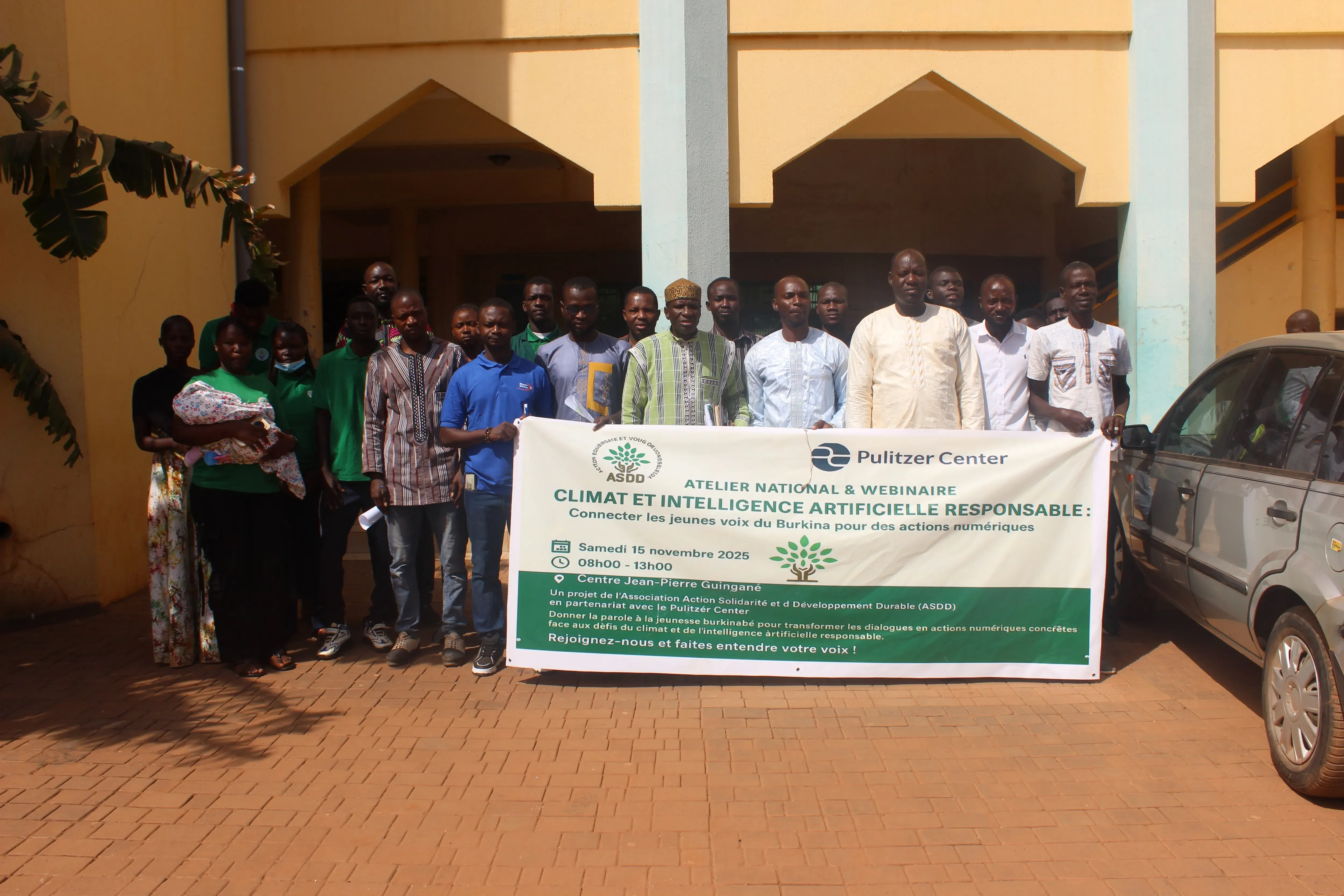
The Association Action Solidarité et Développement Durable (ASDD) used a combination of workshops and a digital competition, supported by the Pulitzer Center, to translate critical reporting on the Sahel into a youth-led laboratory for climate resilience and ethical technology.
In Burkina Faso, a country where young people are disproportionately affected by climate pressures and digital divides, one organization turned to the nation's most innovative minds to forge a new path. From October to November 2025, ASDD launched Jeunes Voix Burkina-Connexions Citoyennes (Young Voices Burkina-Citizen Connections), a landmark project that transformed human-centered journalism into a powerful engine for youth-led digital innovation.
Inspired by the Pulitzer Center-supported "Climate Shocks, Governance Gaps and the Refugee Crisis in the Sahel," the project sought to bridge the gap between global climate narratives and the lived realities of Burkinabè youth. Pulitzer Center reporting, which documents how climate change is reshaping lives across the Sahel, provided a crucial, evidence-based framework. ASDD used stories to ground complex discussions on climate adaptation and artificial intelligence in the relatable experiences of families, herders, and displaced communities across the region.
From Stories to Solutions: A National Launchpad for Young People's Ideas
The core of the initiative was a national workshop and webinar that served as an open forum for 312 participants, both in-person in Ouagadougou, Burkina Faso, and online. To ensure the dialogue was rooted in reality, discussions began with the Pulitzer Center’s reporting. This approach immediately framed climate and AI as human issues.
Thematic webinars, attracting an average of 185 online participants each, deepened the conversation on "Climate, Youth, and Sustainable Digital Technologies" and "Responsible AI and Citizen Innovation."
Feedback was driven by authentic engagement. Participants submitted questions directly inspired by the journalism: "In the [Pulitzer Center-supported] series, communities face water shortages. How can we adapt these solutions to rural Burkina?" and "The reports show a link between climate and conflict. How can AI help reduce these tensions rather than amplify them?"
Surveys revealed that 92% of participants said the Pulitzer Center reporting improved their understanding of the climate-security nexus.
Grounding Innovation in Human Experience
The Pulitzer Center stories served as the project's foundational inspiration, transforming abstract challenges into a call for concrete, local solutions. This was most evident in the project’s flagship activity: a National Digital Competition on Climate and Responsible AI. The contest directly challenged youth to build upon the narratives they had absorbed.
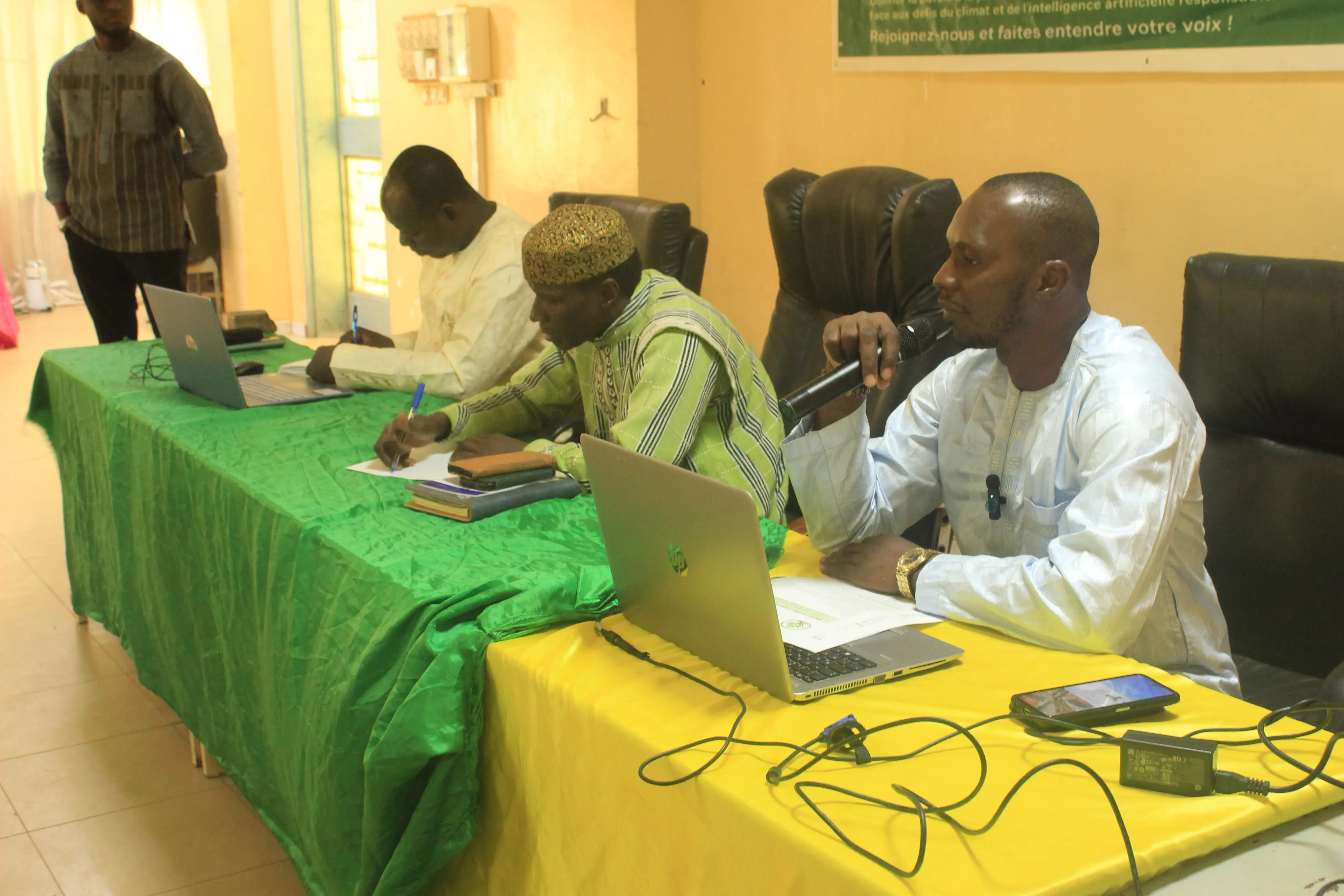
The result was a wave of innovation. From 24 submissions, 10 finalists were chosen to pitch ideas to an independent jury.
The proposals were deeply informed by the reporting, with projects focusing on early-warning platforms for climate shocks, tools for transparent water resource management, and educational apps in local languages, all directly responding to the gaps and struggles highlighted in the Pulitzer Center’s Sahel coverage.
One participant noted, "The Pulitzer story made me understand that climate change isn't abstract. It motivated me to develop a community alert application."
Amplifying Outcomes: From a Competition to a Sustainable Community
The project's impact solidified into lasting outcomes. It successfully mobilized a new network of over 200 trained young innovators and reached a cumulative audience of over 36,000 through its digital content. The demand from participants was clear: a call to institutionalize the competition and extend the project nationwide.
Key outcomes included:
- Strengthened digital citizenship: The series demystified responsible AI and combating climate disinformation, empowering youth to be informed creators, not just consumers, of technology.
- Elevated youth-led solutions: The competition provided a formal platform, with prizes and coaching, to translate awareness into viable project prototypes, with three teams awarded for impact innovation, civic engagement, and emerging digital solutions.
- Created a lasting network: The project catalyzed the Jeunes Voix Burkina community, a sustainable network that continues to collaborate via social media and messaging platforms, ensuring the dialogue endures beyond the project timeline.
Jeunes Voix Burkina showed that in an era of complex global challenges, equipping youth with credible journalism and a platform for innovation unlocks a powerful force for local problem-solving. By using Pulitzer Center-supported reporting as its catalyst, ASDD guided a generation of Burkinabè youth through a critical journey, from understanding the human dimensions of climate and AI, to actively building the digital tools for a more resilient future.