

Persuasive writing, civic action, and powerful stories combined in the 2025 letter-writing contest Our Voice at COP30 (Nuestra voz en la COP30), an initiative that placed Latin American young people at the center of the climate conversation, not as spectators, but as advocates of solutions and climate justice.
Inspired by Pulitzer Center reporting, more than 500 participants between the ages of 15 and 24 used letter writing as a form of civic engagement. Their letters were not abstract reflections on climate change. They were inspired by journalism and personal experiences.
They spoke of rivers altered by carbon businesses, of futures negotiated without youth consent, of the stories of lost glaciers and extractive economies that leave entire communities to inherit the consequences.
This year, the stories were focused on demanding change in the face of COP30 (the United Nations Climate Change Conference held in Belém, Brazil, on November 10-21).
The letters identified the most pressing regional issues related to the climate crisis and how it affects young participants' daily lives.
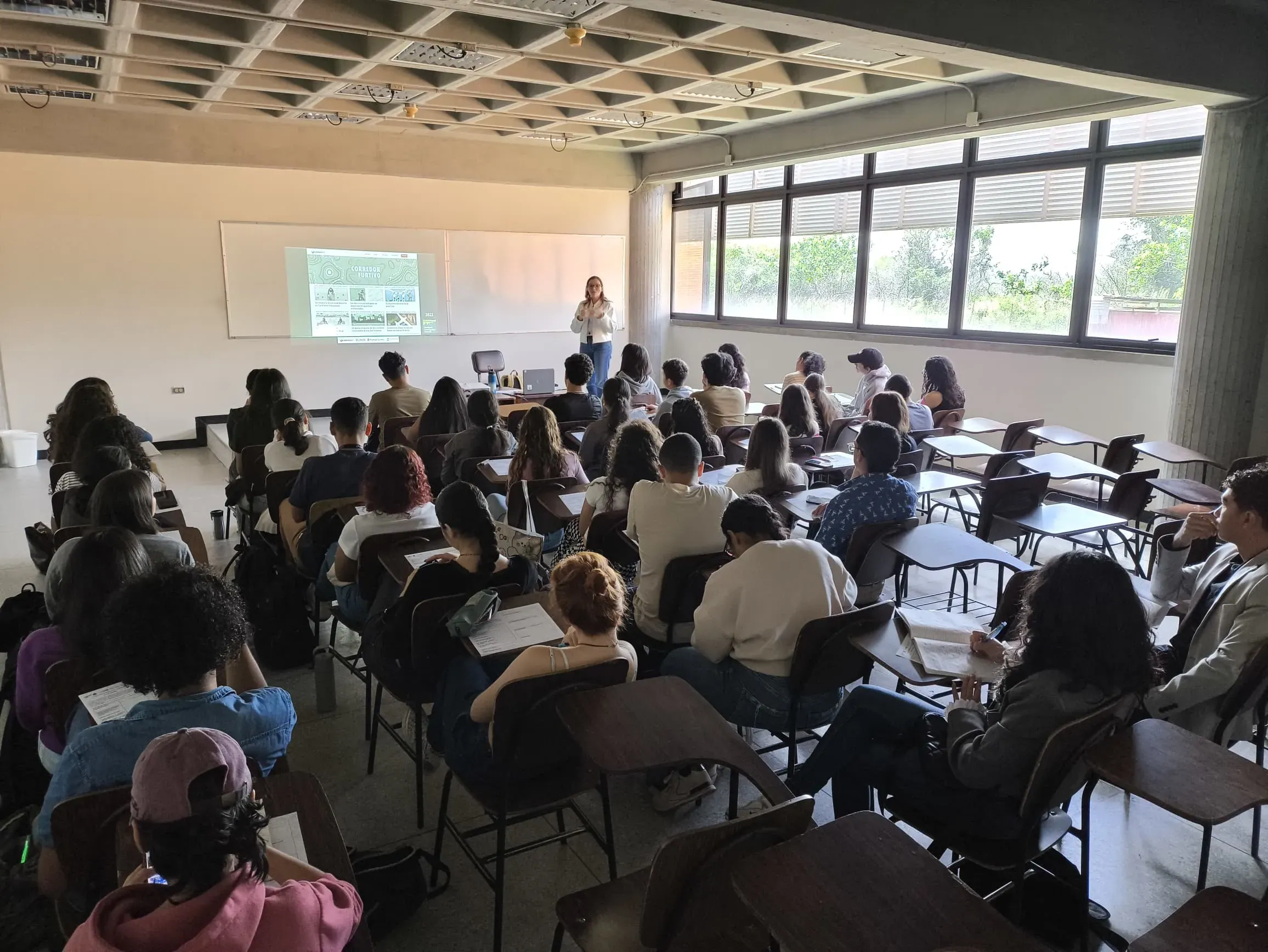
More than 20 workshops
In more than 20 workshops in over eight countries, students engaged with investigative journalism that revealed uncomfortable truths: diesel smuggling in the Bolivian Amazon, environmental degradation hidden behind economic narratives, and climate impacts framed as development. Many were surprised because, they say, no one had brought this information to them in this way before.
As journalist, Pulitzer Center grantee, and workshop facilitator Lisa Corti observed, reaching audiences who don’t normally encounter investigative reporting is essential. Stories that remain confined to newsrooms or small circles lose their power. But when young people engage with them, interpret them, and use their own voices, those stories expand. They move. They endure.
For Beatriz Salas, a letter-writing winner from Riohacha, Colombia, the connection was immediate. Living in a territory deeply affected by carbon-related industries, she recognized herself in the reporting. Her letter became a bridge between journalism and lived experience, a reminder that climate change is not a future scenario but a current condition shaping youths' lives.
In total, the letter initiative led to 1.8 million impressions on social media, 10,000 visits to the contest's website, and countless conversations sparked in classrooms, communities, and homes. But the true impact cannot be measured in numbers alone.
It lives in young people refusing to whisper their realities.
These letters carried proof that climate memory is being written not by those in power, but by those who will live with its consequences the longest.
If you want to read the full impact report about the letter contest Our Voice at COP30 (Nuestra voz en la COP30), download the PDF here.
Watch the award ceremony and get to know the winners here.
Read this year's winning letters here.