Pulitzer Center Update September 12, 2025
We’re Getting Ready for COP30; Here’s Why the Climate Summit Matters
Country:


Project
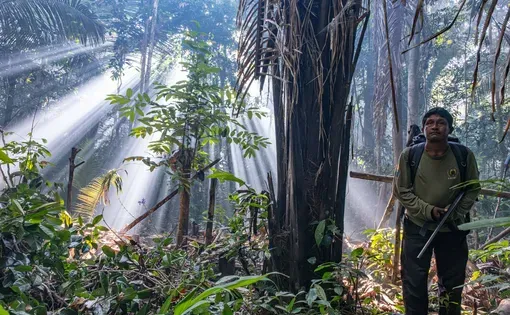
Uncontacted Peoples
The Amazon territories where they live, and people in the outside world who protect them


The Pulitzer Center’s Path to COP30 Is Made Up of Many Partnerships
Two months before the start of the 30th United Nations Climate Change Conference (COP30), we are launching a series of activities leading up to the event in Brazil. We are joining forces with dozens of journalism organizations and NGOs, occupying both virtual and physical spaces, to highlight the importance of this summit on the climate crisis.
This will be one of the key events to reaffirm joint action for climate change mitigation and adaptation, and it will also be an opportunity to put communication and education at the center of climate solutions.
Today, we are officially launching our special page On the Road to COP30. Guided by the Pulitzer Center model that combines journalism and engagement, we are building a comprehensive online program and preparatory in-person events, in addition to, of course, a presence at COP30 in Belém, in the state of Pará, Brazil. This will be the first COP to be held in a rainforest city, a unique opportunity to highlight how climate change impacts ecosystems.
Among the journalism being funded by our special call for COP30-related proposals is a series by grantees John Reid and Daniel Biasetto on the threats to isolated Indigenous peoples in Peru and Brazil. The project was published in partnership by The Guardian (UK) and O Globo (Brazil). Given the central role of Indigenous peoples in the climate debate, we are also highlighting the podcast The Revival by Rádio Novelo (Brazil), which brings us closer to some of the main Indigenous leaders involved in protecting native forests.
In West Papua, Indonesia, a team of journalists led by Dominggus Mampioper looks at how the contribution of local Indigenous communities through sasi (a traditional conservation model) is protecting the marine ecosystem and contributing to the country’s blue carbon targets.
Our journey to COP30 began last year, when we brought together 45 journalists, academics, and civil society organizations at the Interconnected Workshop in Belém, which aimed to foster collaboration with communities most affected by climate change.
COP30 is already a milestone for the global community fighting for a better future. Join us On the Road to COP30.
Best,

Impact
Karen Gil, a 2024 Rainforest Investigations Network Fellow, has won third place in the Bolivian Foundation for Journalism’s Nature Reporting Award for her story “Millions in Diesel Diverted to Gold Mining in the Bolivian Amazon.” In partnership with Bolivian outlet La Brava, Gil uncovered how the illegal diversion of subsidized diesel fuel in Bolivia is propelling unregulated gold mining operations in the Amazon region. This diversion has led to significant losses of public funds and is exacerbating environmental damage.
Read more about her reporting project here.
Photo of the Week
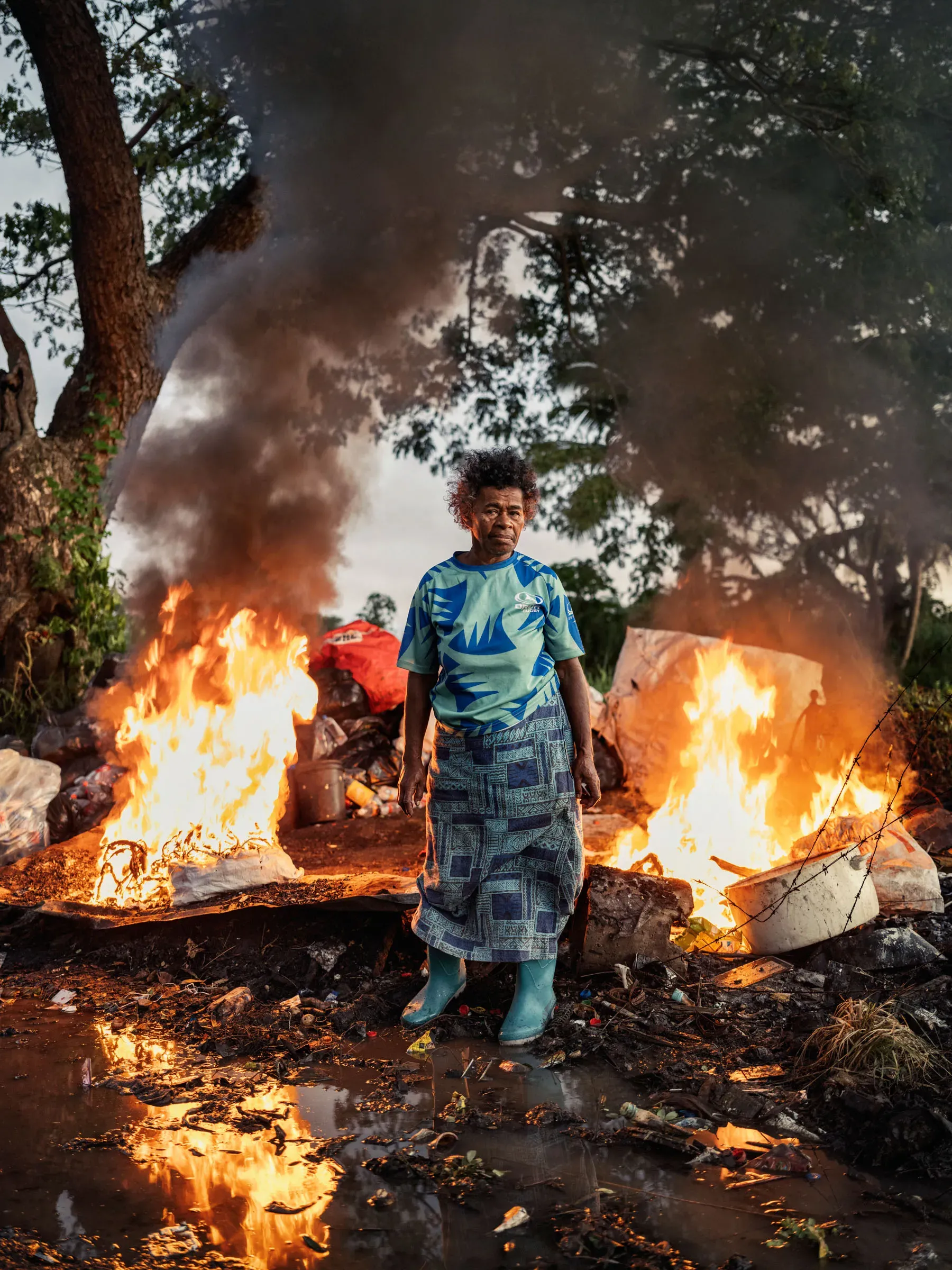
"In the developed world it's easy to overlook the impact of plastics on the environment, [as] it's mostly hidden from our daily life by functional waste management. Reporting of this story allowed us to expose toxic burning of plastic in Fiji, where waste management is affected by resources and remoteness. This story is both a call out and reminder that companies need to be held accountable for the plastics they sell products in."
— Adam Ferguson
This message first appeared in the September 12, 2025, edition of the Pulitzer Center's weekly newsletter. Subscribe today.
Click here to read the full newsletter.
Project
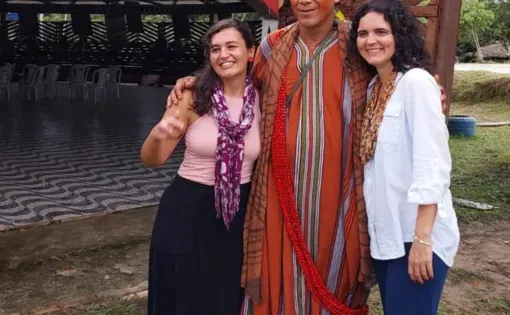
A Retomada (The Revival)
The struggle of Indigenous people in Brazil to secure their fundamental rights


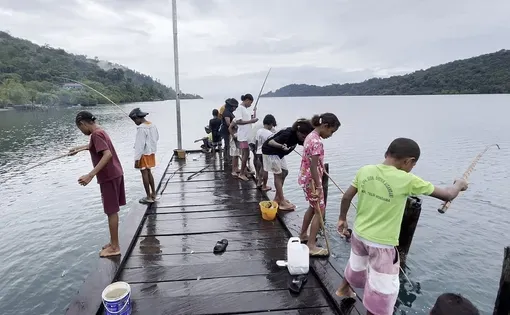
The contribution of Indigenous communities in relation to the marine ecosystem.


