

Arts and journalism joined hands for powerful storytelling in Testosterona, a theater performance that uncovers hidden conversion practices imposed upon children in Argentina, Colombia, and Ecuador.
Supported by the Pulitzer Center, the project goes beyond traditional narrative journalism and adopts a transdisciplinary strategy that brings together investigative journalism, theatrical performance, and audiovisual recording to showcase how conversion therapies affect people from the LGBTQ+ community.
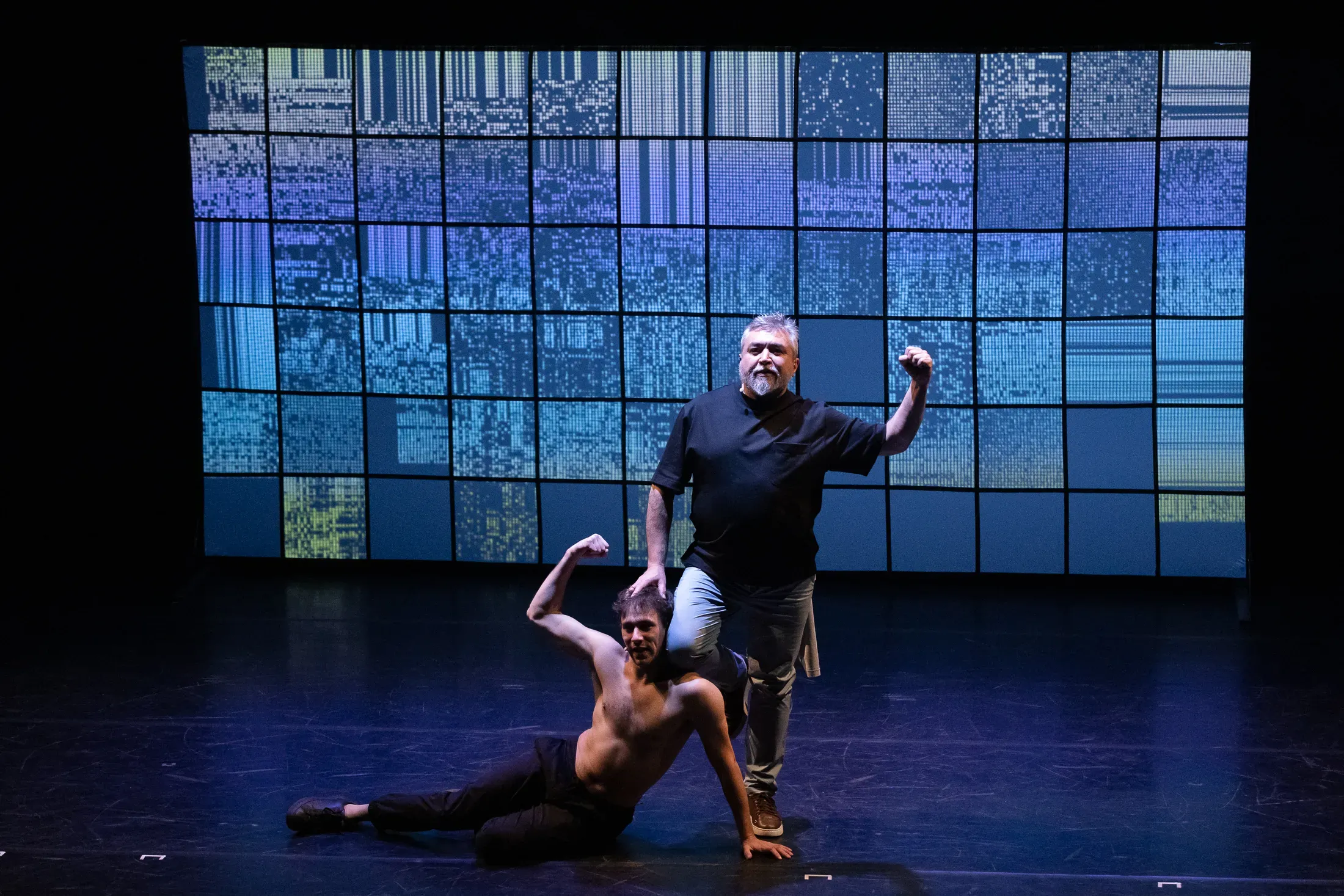
A 2020 report highlighted that one in five people surveyed from the LGBTQ+ community have received conversion therapies in Colombia. In Ecuador, illegal "treatments" in unlicensed rehabilitation clinics target LGBTQ+ individuals, based on the belief that homosexuality is an illness that needs to be "cured."
The project is based on an original screenplay by Cristian Alarcón, editor-in-chief of Revista Anfibia, an Argentinian digital magazine. Alarcón combines his personal experiences and artistic expression with investigative research supported by the Pulitzer Center. The research is transformed into performance to expose past and present harms among LGBTQ+ people who receive such treatments in South America. Alarcón has the lived experience of being injected with testosterone as a part of conversion therapy, and brings this nuance on stage in his performance.
"This is the realization of a dream that began in 2020—dreaming of the idea of a performance that did not yet exist, and that now materializes, to reach an audience that interests me greatly. With journalistic investigation endorsed by the Pulitzer Center, the performance touches upon what happened with homosexuality conversion treatments that dehumanize people from the gay, lesbian, and transsexual community," says Alarcón.
The result was a hybrid of investigation and art: documentary and autobiographical theater that turned findings into an emotionally shared experience. The theatrical performances were held in Bogotá and Cali in Colombia and Quito, Ecuador—with 1305 people witnessing the performances across these locations.
The birth of Testosterona
In Testosterona, journalistic findings are not presented as cold data but come to life through bodies, voices, music, poetry, metaphor—to become tangible, emotional, and urgent.
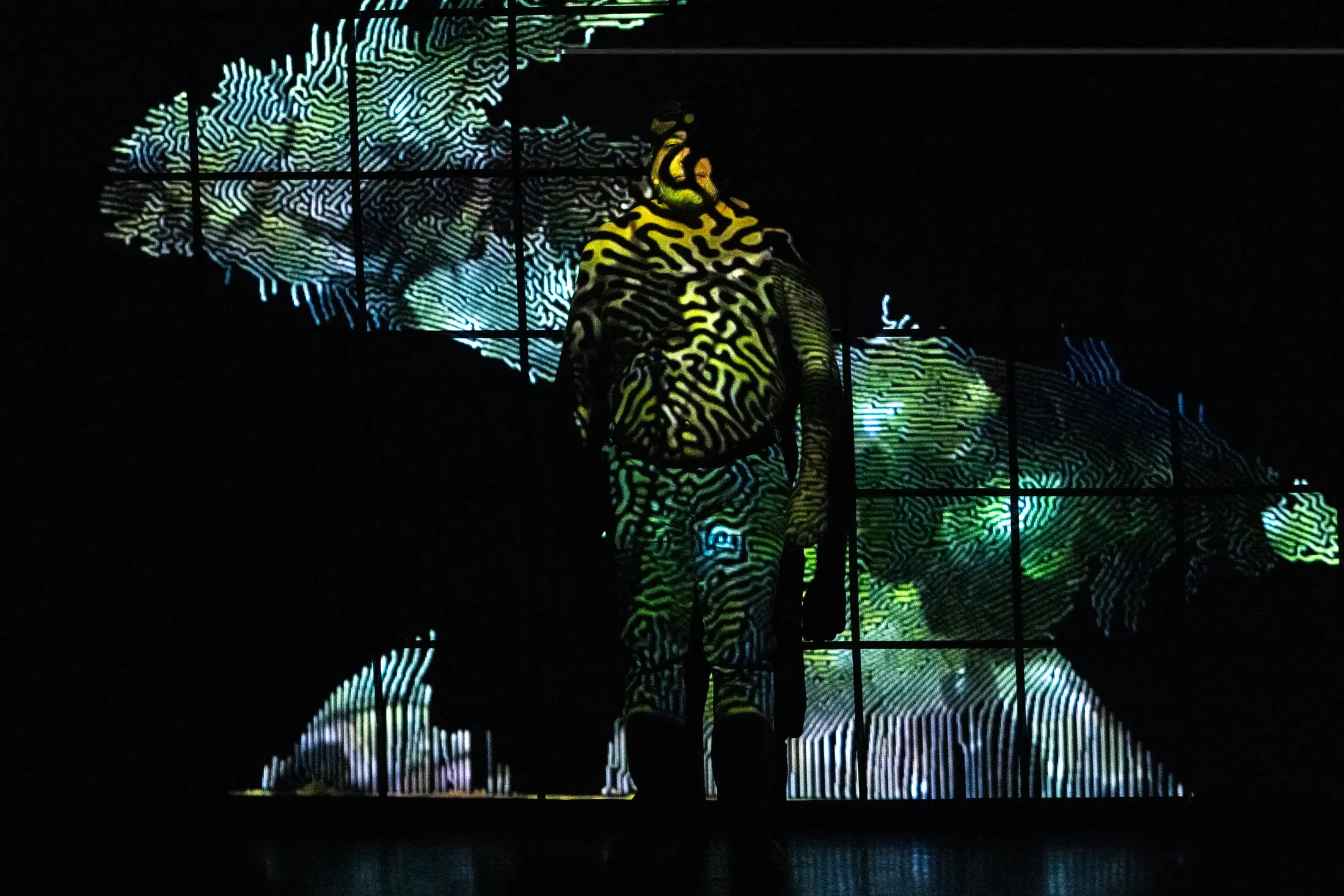
To date, Alarcón has conducted more than 30 interviews with people who were injected with testosterone, an unscientific treatment administered as a part of conversion therapies, including eight people from Colombia and Ecuador. In Colombia, access to sources for this research proved more open, while in Ecuador the work was more difficult, shaped by a social and economic backdrop that keeps the issue largely in the shadows.
As Sol Dinerstein, executive producer of Revista Anfibia, says, “The ability to incorporate personal and contextualized stories into dramaturgy transforms each performance into a living archive and a collective exercise of memory. Each presentation opened the door to new stories, new testimonies, and the possibility of reframing trauma as part of a collective history.”
Impact in Colombia and Ecuador
The findings in Colombia and Ecuador not only expand knowledge about these practices but also set a precedent for addressing historical traumas faced by the LGBTQ+ community through journalism and art.
Regional patterns were identified, distinguishing between hormonal treatments and compulsory confinement. After performances, survivors came forward to share previously untold stories—showing that the stage not only communicates findings but also generates new information.
“During these performances, Testosterona becomes an open research device, where each presentation, each article, and each conversation generates new testimonies. ‘Survivors seek us out, write to us, and wait for us at the end of the performances,’ notes Cristian Alarcón, creator and performer of the piece.”
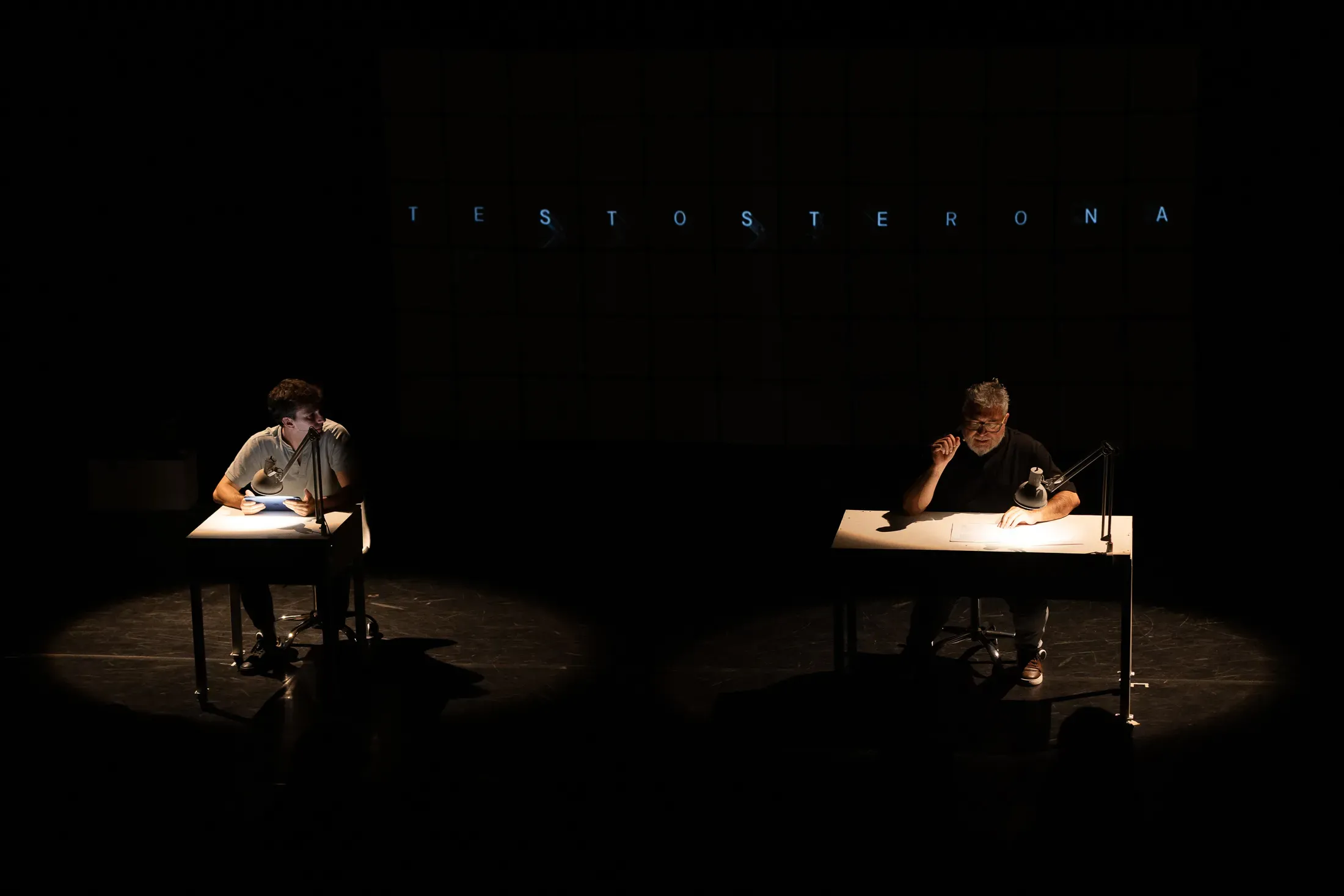
The impact goes beyond traditional metrics: It is not measured in clicks but in influence, symbolic reparation, and the creation of a space where victims can transform their pain into collective memory. Coverage of the play by El País Cali highlighted how Testosterona manages to transform urban public space into a stage for political visibility. Journalist Johana Fiallo calls it "a sensory and political journey that pushes the limits of fiction to question the violence of affective normalization," and highlights, "This is not a victim's story, but a vital exercise in transformation."