Pulitzer Center Update April 15, 2026
Students in Michigan Explore Global Stories About Vaccine Equity
Country:

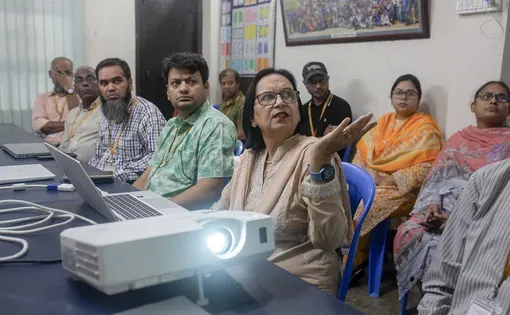
She leads the fight against cholera, a deadly infection that has surged globally.

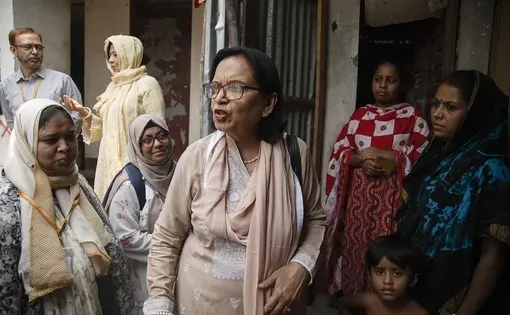
Students diagnose cholera patients, model the biological mechanisms of an infection, and learn about vaccine issues in Bangladesh and local vaccine challenges.
Rebecca Brewer is a biology teacher at Troy High School in Michigan. Brewer created the lesson plan “Gut Check: Cholera, Vaccines, and the Biology of Global Health” as part of the fall 2025 Pulitzer Center Teacher Fellowship “Examining Interconnected Health Inequities Through Global Reporting,” reaching 120 Advanced Placement students.
At the conclusion of the Fellowship, Brewer shared the following reflections on her experience developing and teaching the lesson.
What is the focus of your lesson plan, and why did you write this lesson for your community?
I teach at Troy High School, a suburban public school in Troy, Michigan, with ~2,000 students located near Michigan’s automotive and tech research and design corridor. Troy is one of the most diverse school communities in Michigan—students in my classes speak 38 different languages! The lesson set I authored for the Pulitzer Center, Gut Check: Cholera, Vaccines, and the Biology of Global Health, was written for an AP Biology course and taught to 120 students in November 2025.
How did you build this lesson with your community in mind?
Gut Check: Cholera, Vaccines, and the Biology of Global Health introduces students to a global health challenge, and then engages them in local, evidence-based science communication with a vaccine advocacy campaign. This two-day lesson integrates Pulitzer Center journalism with AP Biology concepts using cholera as a real-world case study to explore cell communication, immune responses, and vaccination. It is centered on the project Meet the Bangladeshi Scientist Who’s Helping the World Fight Cholera and the article “In the Cradle of Cholera” by Martin Enserink.
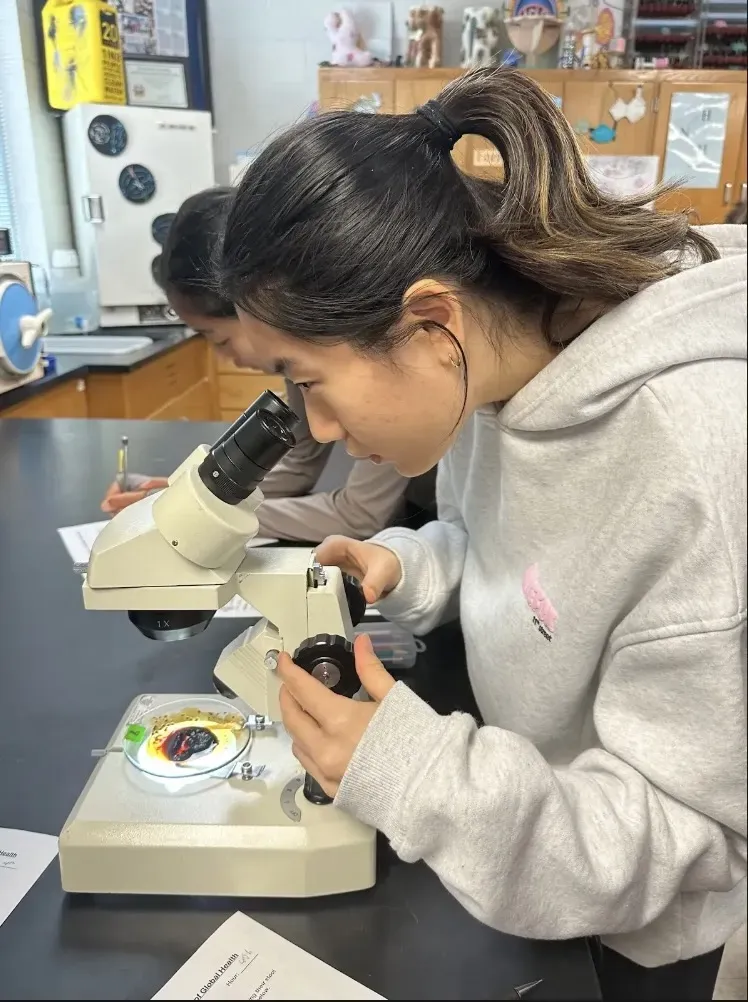
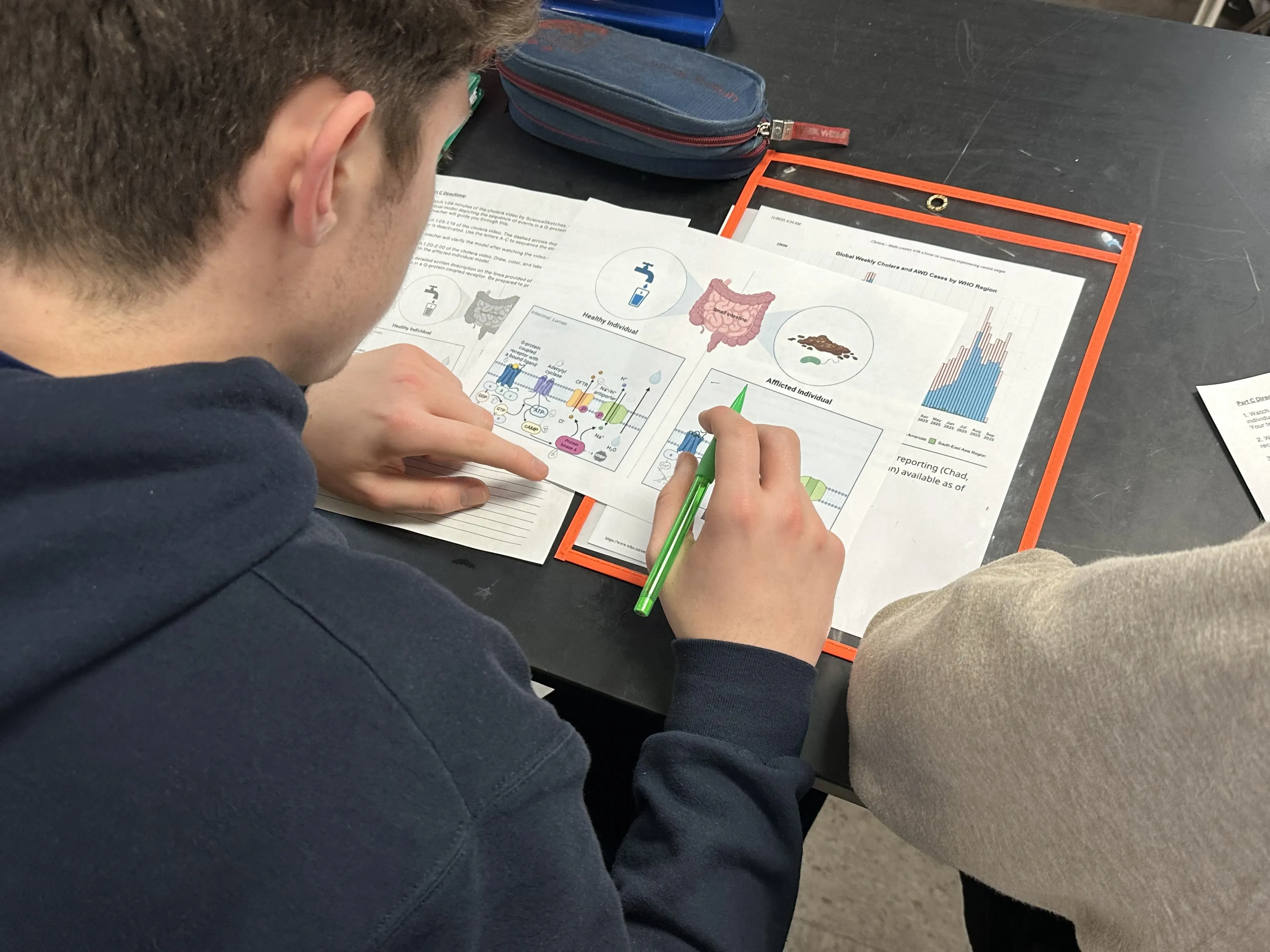
On Day 1, students assume the role of health practitioners in Bangladesh by examining healthy and cholera-affected pseudostool samples from patients under the microscope. They then analyze WHO data and watch a short video to understand the transmission and global distribution of cholera. Next, students learn the mechanism of a G-protein-coupled receptor (GPCR) and model how cholera’s toxin disrupts the pathway leading to excessive ion transport, osmotic water loss, and severe dehydration if left untreated.
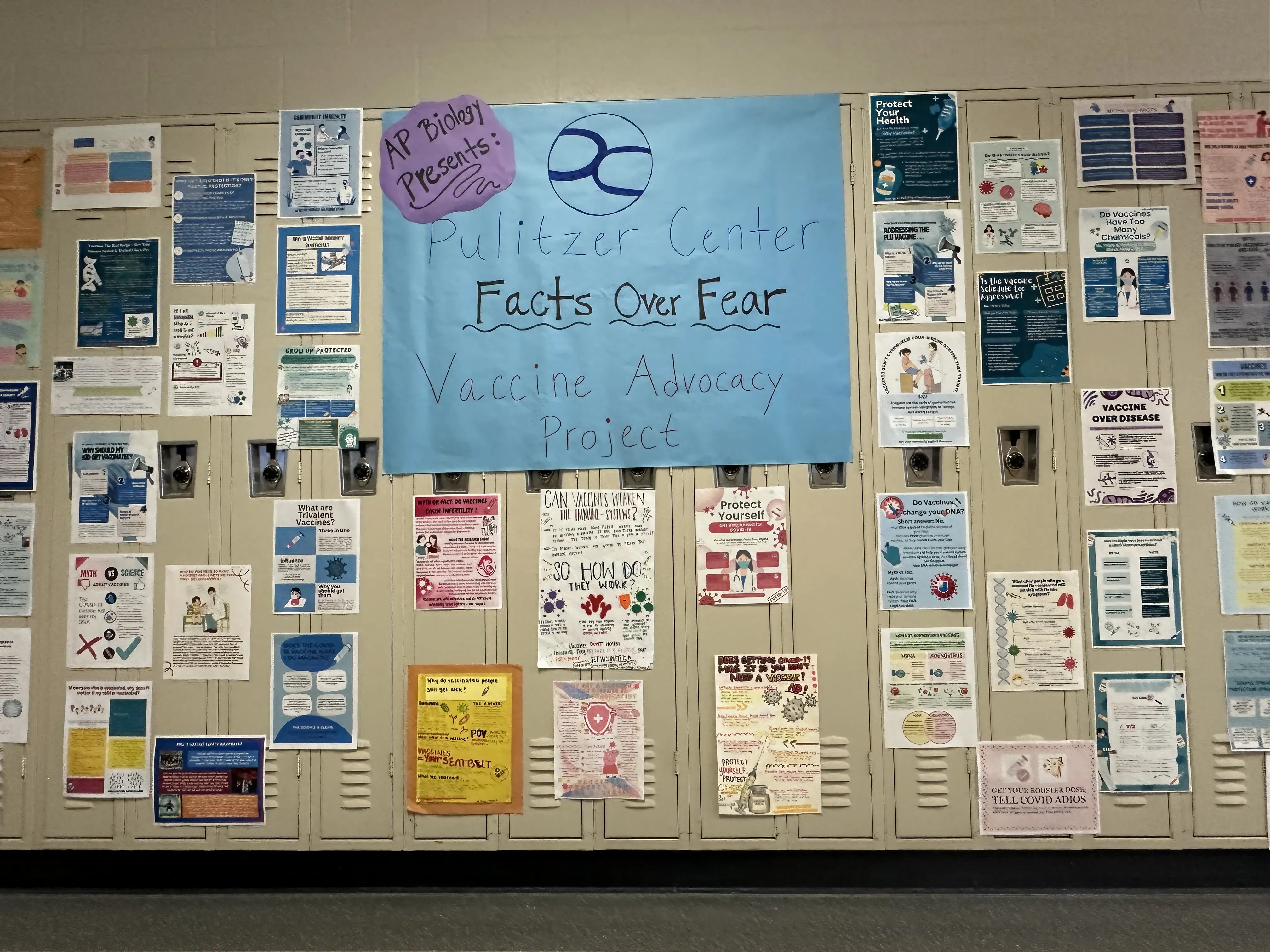
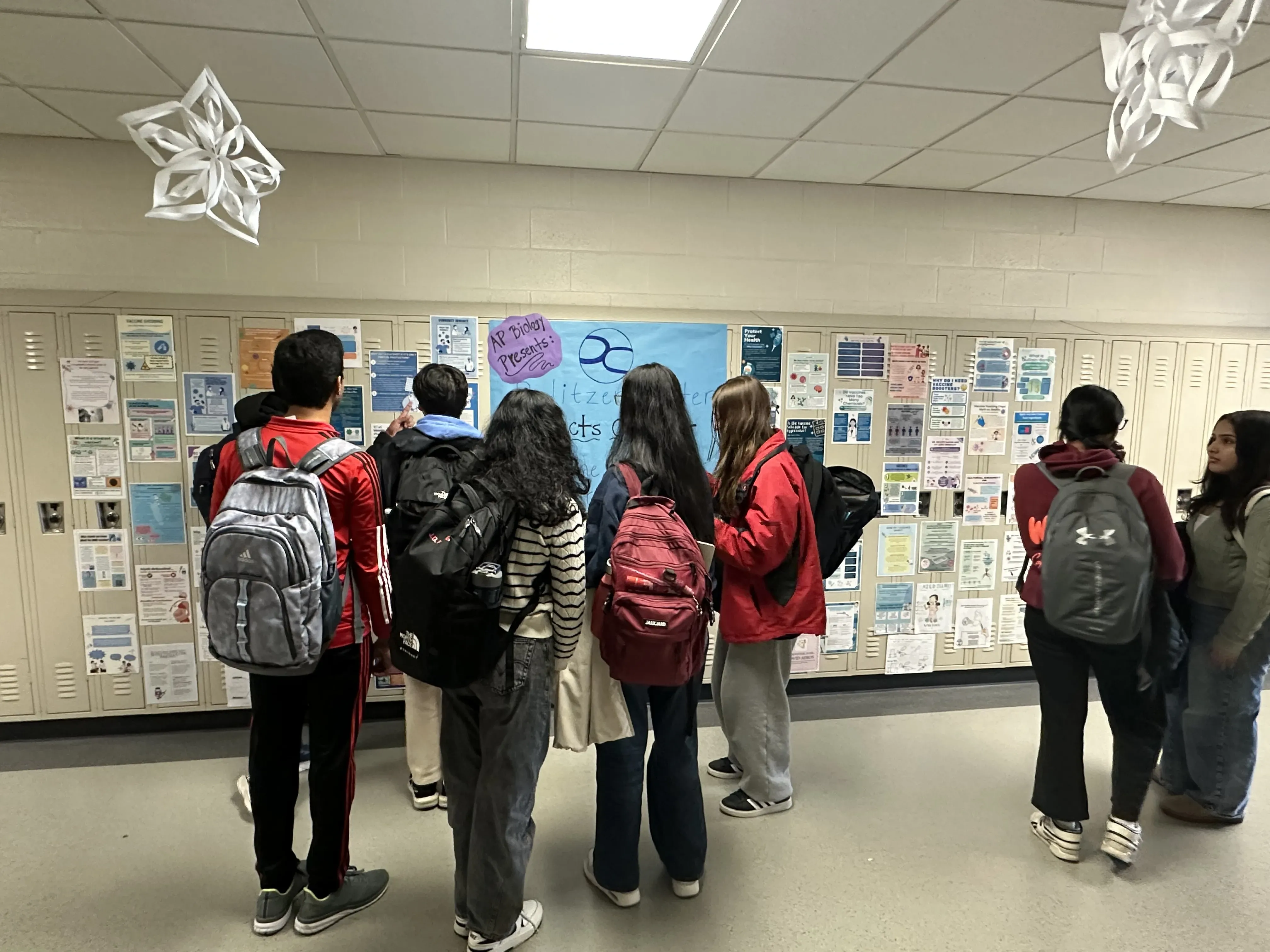
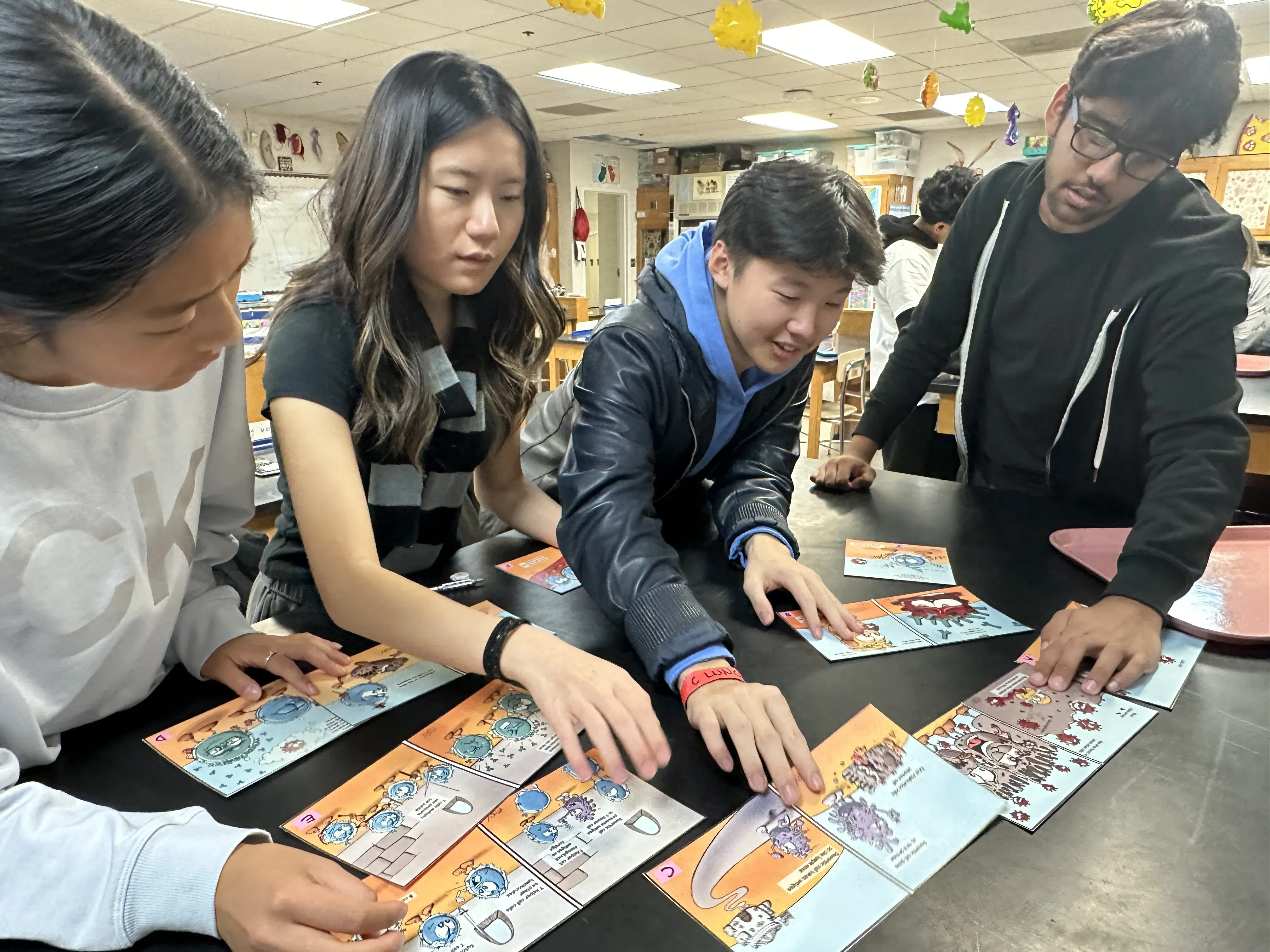
On Day 2, students investigate how the immune system responds to pathogens, with and without vaccination, through a card-sorting activity, and connect these concepts to an oral cholera vaccine promoted by Dr. Firdausi Qadri in Bangladesh featured in the Pulitzer Center articles. The lesson concludes with diving into the origins of vaccine mistrust with a chapter from The Story of Life by Sean B. Carroll, followed by research into contemporary vaccine misconceptions. As a summative assessment, students create science-backed vaccine safety awareness flyers that are displayed to the school and community.
What did your students learn while engaging with this lesson?
By examining Pulitzer Center journalism and learning about the challenges faced by communities in cholera-affected regions—limited access to vaccines, public health infrastructure, and climate-related vulnerabilities—this lesson fostered global awareness and empathy for underserved communities. Many of my students intend to pursue careers in healthcare, and reading about Dr. Firdausi Qadri’s work personalized the struggles of affected populations and showed how AP Biology concepts intersect with social and real-world health issues.
By combining data analysis, modeling, and reading primary journalism, my students reinforced AP Biology skills with science literacy in a global context, then in a local one. The lessons encouraged students to think critically about how science informs public health decisions, how mistrust can take root, and how science can effectively communicate and combat misinformation.
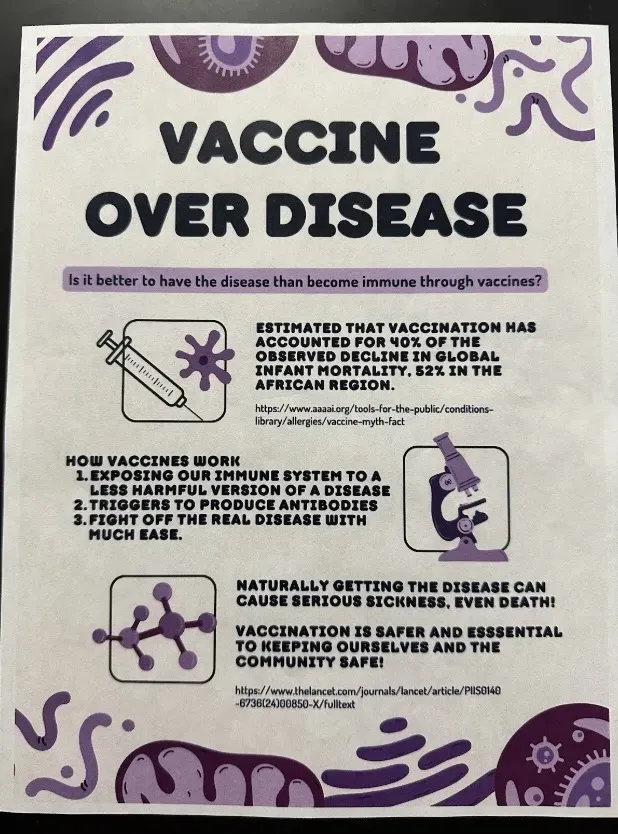
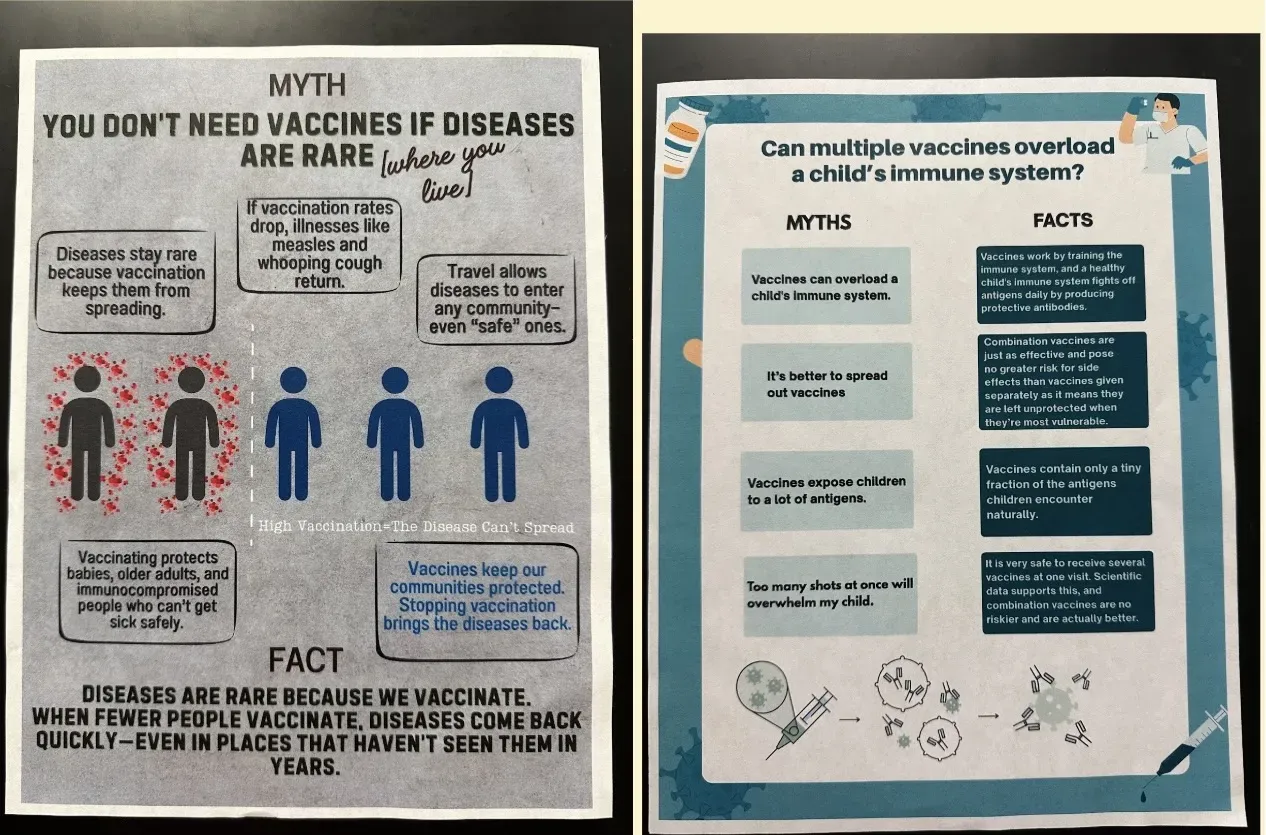
One student was especially excited by this project because he has been involved in vaccine advocacy for a couple of years, and he posted the vaccine awareness flyer he created for this case study on a social media health platform (MiRcore Science Advocacy). Another student whose family migrated from Bangladesh also shared stories of her parents needing to seek treatment for cholera infections.
"My biggest takeaways from creating and teaching this lesson and from serving as a Pulitzer Center Teacher Fellow are the importance of nurturing empathy and of grounding biology instruction in current, real-world issues.“
— Rebecca Brewer
What did you learn by creating and teaching this lesson?
My biggest takeaways from creating and teaching this lesson and from serving as a Pulitzer Center Teacher Fellow are the importance of nurturing empathy and of grounding biology instruction in current, real-world issues. This experience was transformational, inspiring me to intentionally integrate underreported news stories into multiple lessons to empower students to connect classroom learning to global challenges and engage thoughtfully with controversial topics, extending their learning beyond the classroom.
When I began writing this lesson, I did not anticipate how timely it would become. Vaccine mistrust has once again entered the national spotlight as of November 19, 2025, with recent policy shifts and changes in public health messaging reigniting long-debunked claims. While many biology educators may feel hesitant to approach these topics, my advice is to lean into them with scientific rigor. Encourage students to examine primary studies, trace the origins of misinformation, and evaluate sources critically.
Pulitzer Center journalism provides a powerful entry point for this work, allowing teachers to build scientific literacy while centering underrepresented voices. By anchoring discussions in evidence and empathy, educators can help students navigate misinformation, advocate for science-based decision-making, and recognize the role biology plays in shaping a healthier, more informed world.