Pulitzer Center Update May 4, 2026
Storytelling in 2 Pulitzer Center Films Brings Global Health Stories To Life
Country:


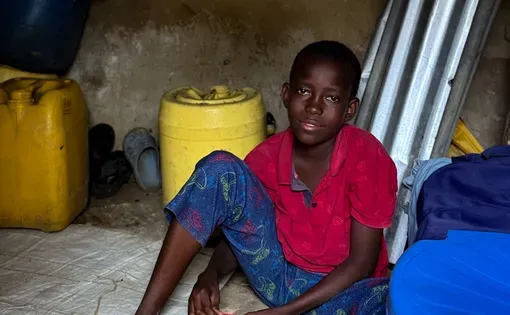
The impact of the Trump administration’s decision to shut down USAID


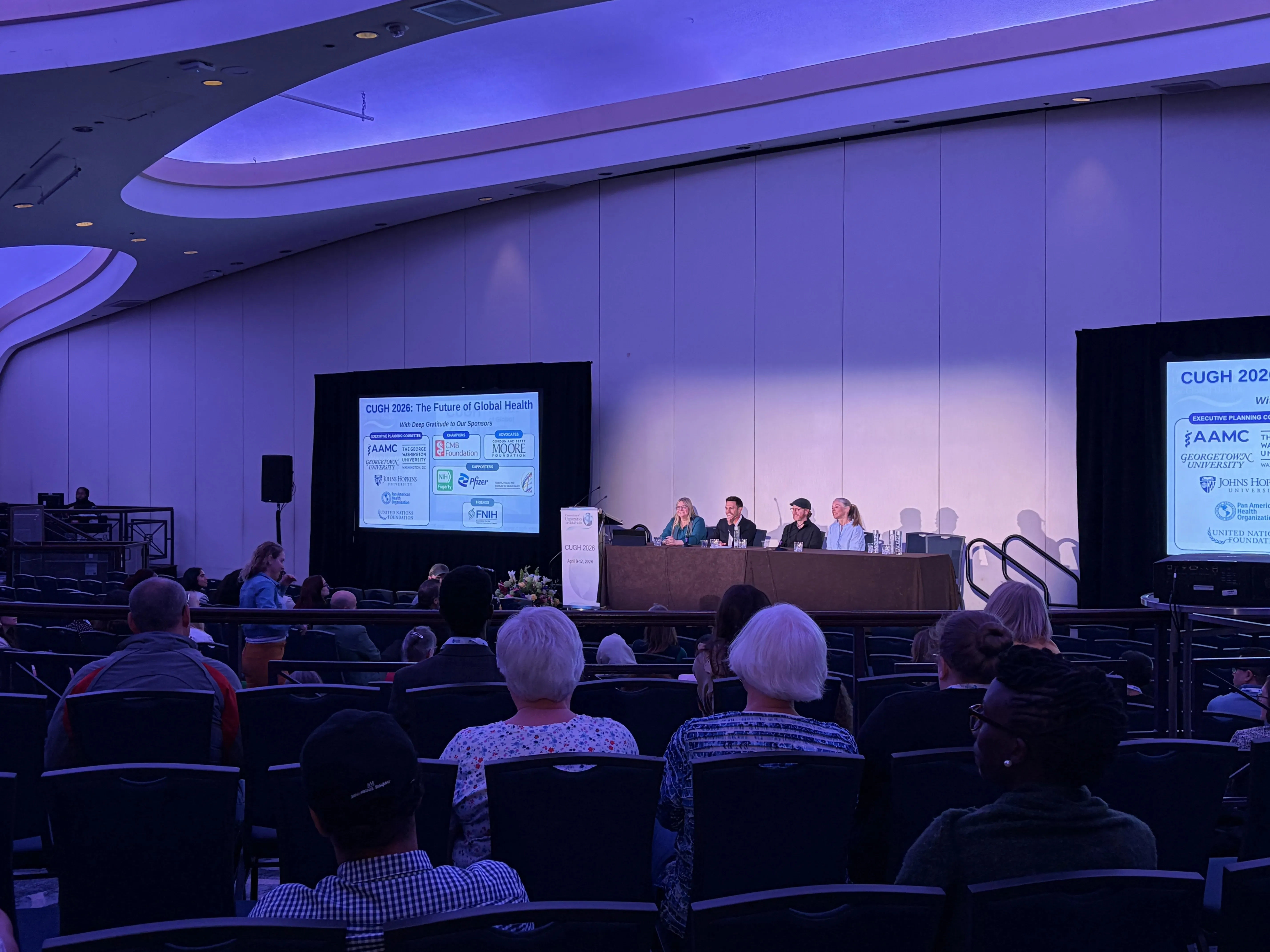
On April 11, 2026, the Pulitzer Center held its annual film festival in partnership with the Consortium of Universities for Global Health (CUGH), screening two short Center-supported films as part of the CUGH 2026 Conference. The theme of the conference, held April 9-12, was "The Future of Global Health."
The film festival gathered 150 attendees—including journalists, public health experts, and academics—to gain a deeper understanding of today’s global health challenges and the human stories behind them.
During the festival and talkback with Center grantees, the conversation returned to the growing importance of storytelling in shaping public understanding of global health issues amid today’s era of misinformation, where facts alone may fail to persuade audiences.
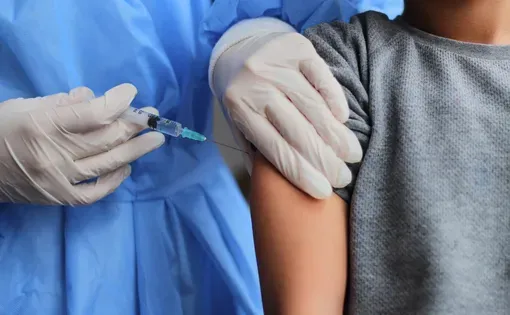
This year's festival screened Cuts and Consequences: The End of USAID, a film originally developed for PBS NewsHour. It documents the immediate impacts that the overnight disappearance of USAID had on vulnerable communities in countries including Kenya, Ghana, and Bangladesh. Another film screened was Tragedy in Paradise, originally broadcast on Atlanta News First. It explores the resurgence of measles and examines how vaccine misinformation is fueling preventable outbreaks in Samoa and the U.S.
After the screenings, Atlanta News First journalists Andy Pierrotti and Luke Carter, both of Tragedy in Paradise, and journalist Molly Knight Raskin, of Cuts and Consequences: The End of USAID, engaged in a Q&A with the attendees, moderated by Pulitzer Center Senior Editor Susan Ferriss.
The discussion focused on the role of journalism in public understanding of global health issues through stories from the people living through them.
Storytelling with Emotion, Not Just Data
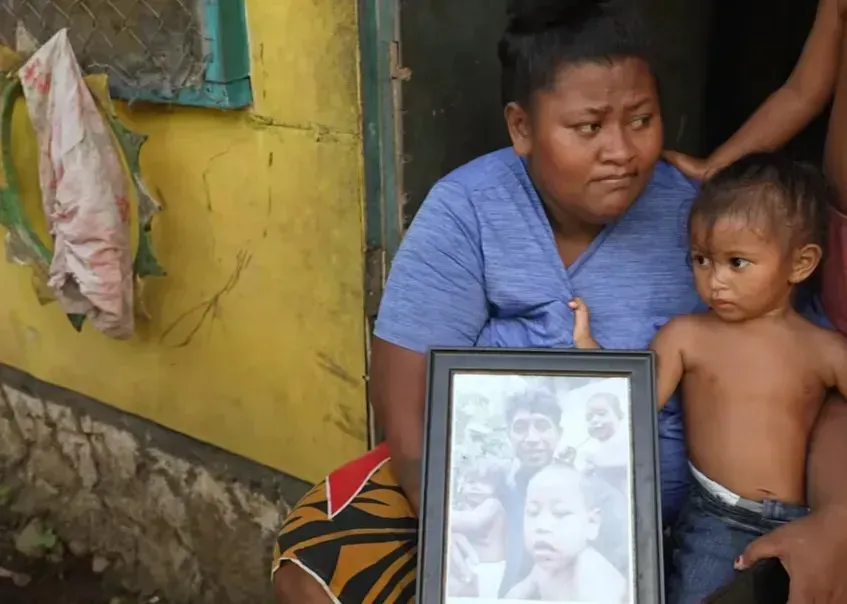
A central takeaway from the discussion was the importance of the evolving role of storytelling in an era where facts alone fail to persuade.
“Data and facts are not enough anymore. My job is not to change people’s minds, it’s to open up their hearts,” Pierrotti said when reflecting on the challenges of reporting on vaccine misinformation.
The sentiment was shared by the audience, with one educator emphasizing the impact of the film in classroom settings: “Nothing reaches people the way that your stories do. When I think about how we make people understand, it is this fact-based but visually engaging stories that you tell that we can rely on that really change. When you read these stories in a textbook or in a written article, it doesn’t affect you.”
The conversation highlighted the importance of storytelling that connects emotionally to shape people’s perception and engagement with public health crises.
Ethical Storytelling Is Built on Trust, Humility, Lived Experience
The films' journalists also emphasized the importance of centering lived experiences across different cultures. A key insight was that ethical reporting begins with trust and respect when engaging with communities.
“I believe that the best reporting is done when you first approach people not as a journalist but as a human. ... It is a privilege for people to share their difficult stories … I really think it’s about respect, trust, and humanity,” said Raskin, reflecting on her experience reporting in diverse communities impacted by global health issues.
Carter further reinforced the importance of engaging ethically and authentically with people while reporting.
“We knew we had to go to the mothers’ homes and meet them where they live. It was a no-brainer,” Carter said. “That’s paramount to good storytelling—showing up where people’s lives are and meeting them there.”
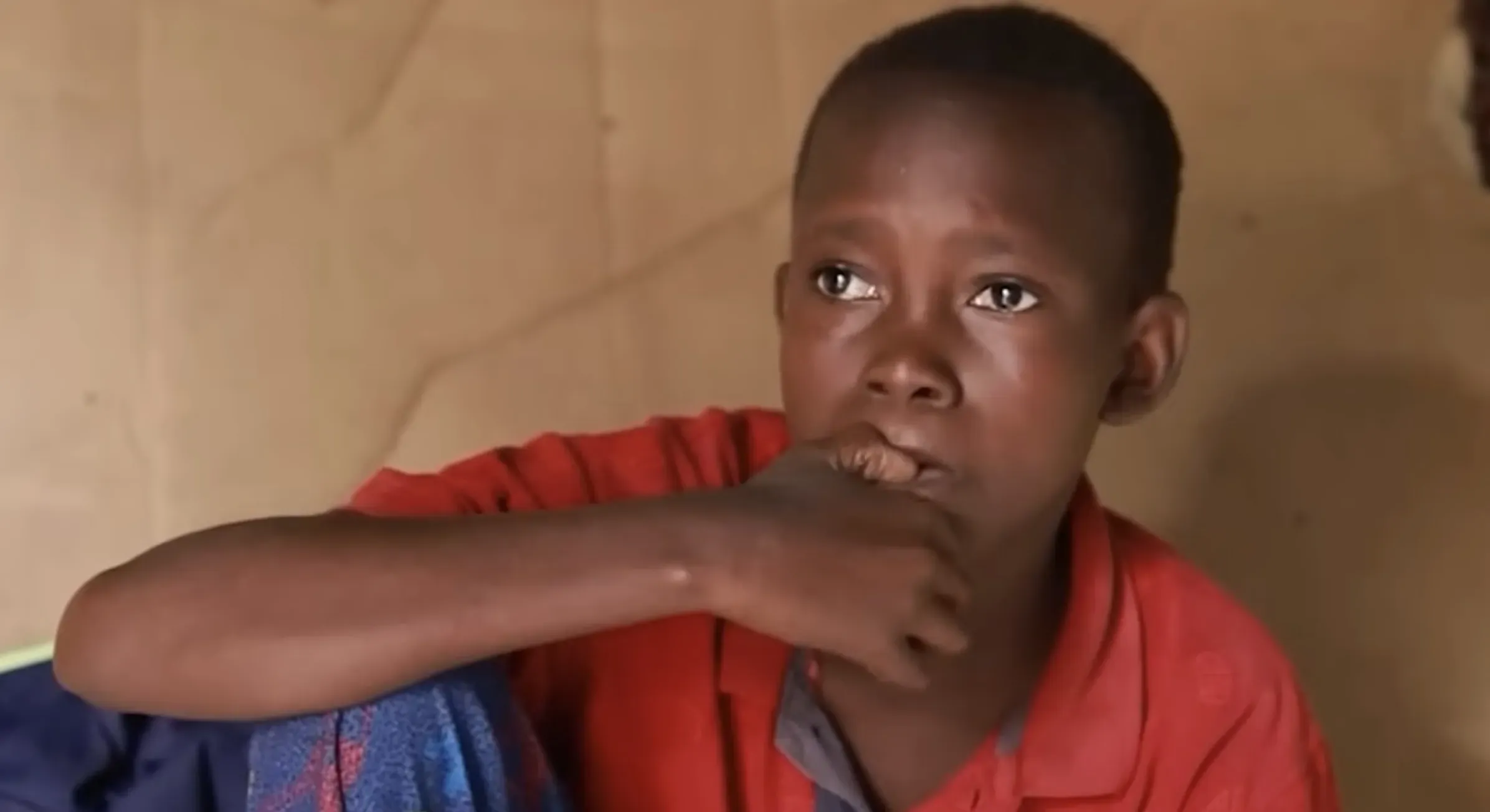
These insights from the journalists are lessons for reporters, researchers, and practitioners that meaningful storytelling is not only about gaining access to stories but also about approaching reporting with humility, curiosity, and a commitment to amplifying the voices of those affected.
By centering human experiences and practicing ethical journalism built on trust and humility, journalists have a crucial role in shaping audience engagement with global health issues.
The event concluded with a discussion about how attendees can engage to further the reach of the stories presented in the film festival.
One person asked, “How can journalists build the bridge between research and practice? How as students can we help disseminate these findings?”
“An editor’s first question is always, so what? They’re thinking about the audience and what people are going to get from it,” Raskin said. “I would encourage all of you to develop relationships with journalists. Have a dialogue going.”
“You’ve got to get uncomfortable and start talking about your work,” Pierrotti said. “Why should people care? That’s what I ask. I’m thinking about the voices I can include and explain why people should care.”
Project
Tragedy in Paradise
Experts show what happens when vaccination misinformation spreads.