Pulitzer Center Update October 19, 2026
From Sea to the City: Festival Raises Awareness of Thailand’s Endangered Dugongs
Country:

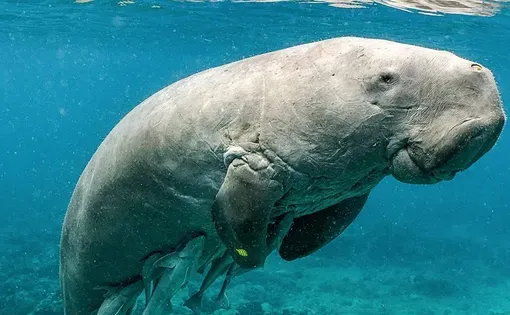
A self-taught conservationist joins scientists in a race to save Thailand’s dugongs.


An increasing number of species are fighting for survival. Take the dugongs—a marine mammal found in the Indo-Pacific Ocean—which are now a critically endangered species, especially along Thailand’s Andaman Coasts. Many of them have been washing up on the shores either dead or severely ill, threatened by habitat loss, water and plastic pollution, noise, and boat strikes.
To bring this urgent marine conservation story to life, the Pulitzer Center organized the From Sea to the City: Dugong Festival 2026. Across Koh Samui (August 1, 2026), Phuket (August 12 , 2026), and Bangkok (August 16, 2026), the festival brought together and engaged over 200 participants through art exhibitions, expert panels, community workshops, and the screening of documentaries, such as the Pulitzer Center-supported film Payuun: Thailand’s Last Dugongs.
“Honestly, what really hits home for me is that this isn’t just about a film or a festival we backed anymore—it’s about the audience picking up the baton and running with it,” says Vijitra Duangdee, the Pulitzer Center’s outreach program manager in Southeast Asia. “The impact doesn’t stop with us; it’s in their hands now, and they’re the ones steering where this goes next. It really makes me happy!”.
In fact, the dugong installation, made entirely from upcycled materials and trash, has been travelling all the way through the festival from Samui to Phuket to Bangkok. Now, the art installation is at a gallery on Samui island as part of a pop-up art exhibition. The Samui municipality and the Tourism Authority of Thailand (TAT) have shown interest in taking it to a bigger city after this run.
Science, media, and civil society organizations collaborated with the festival, including Growth Society, House of Lucie, Environman, Sirindhorn Marine Life Rescue Center, Phuket Marine Biological Center, and Green Island Foundation. The festival also had school partners, such as Sawang Arom Temple School, IPC GREEN International Kindergarten and Nursery, and PBISS the British International School of Samui.
From the coasts to beyond
The festival was designed to meet audiences where they are—beginning with the coastal communities in Koh Samui and Phuket, where dugong habitats are most directly threatened.
Then, it traveled to Bangkok to reach new urban audiences, many of whom had little prior awareness of the issue. The result was a multicity conversation that bridged the gap between the sea and the city, and between established conservationists and people who were engaging with the issue for the first time.
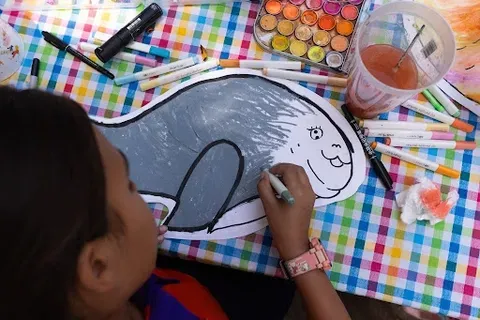
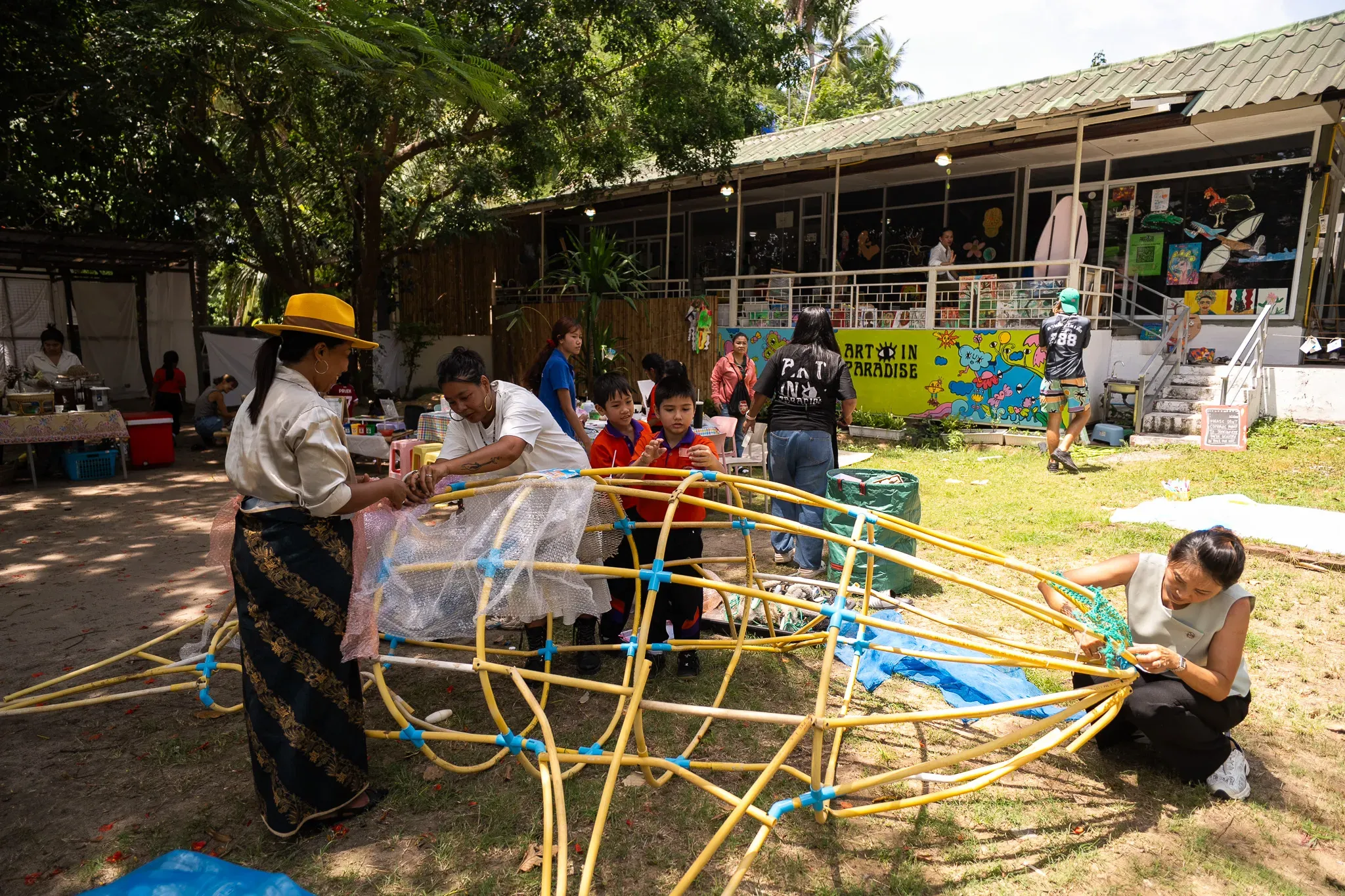
The festival opened on August 1, 2026, at the Art in Paradise Studio in Koh Samui with a community art event that welcomed local families, schoolchildren, and volunteer artists into the conservation conversation.
Koh Samui served a local, community-grounded audience of families, schoolchildren, and young artists. Thirty original artworks were created during the event, with 35 participants engaging directly in hands-on workshops.
The festival moved to Phuket on August 12, 2026, bringing together senior conservation practitioners and NGO representatives as well as schoolchildren and community members.
The event created a platform for dialogue between Phuket’s established environmental network and community members engaging with the dugong issue for the first time. Institutional partners included the Phuket Marine Biological Center and Green Island Foundation.
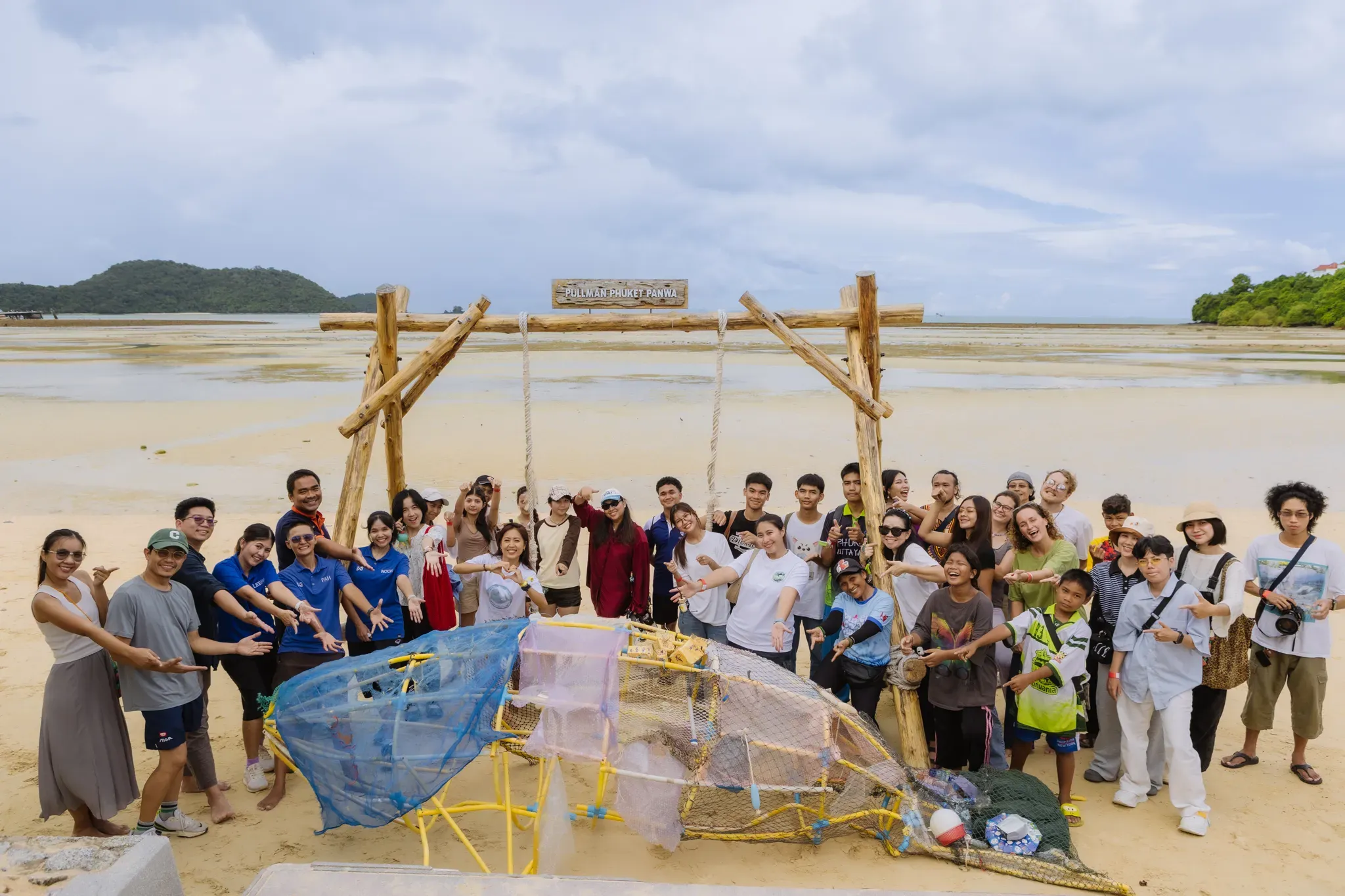
Dr. Patcharaporn Kaewmong, a leading marine veterinarian at the Marine Endangered Species Rescue Center in Thailand and whose work is featured in the documentary, Payuun: Thailand’s Last Dugongs, said that an event of this kind helps highlight voices of the scientific community working on conservation issues.
“The event creates an opportunity for people to see and understand the bigger picture in a way they couldn’t before. Later, there may be opportunities to use different channels to expand that reach even further,” said Kaewmong, who is also known as Dr. Mor Fah.
“For me, the fact that people are starting the conversation is already a good thing," Kaewmong said. "It helps reflect the work that is being done, giving the people behind it an opportunity to expand their work and allow more people to learn about it.”
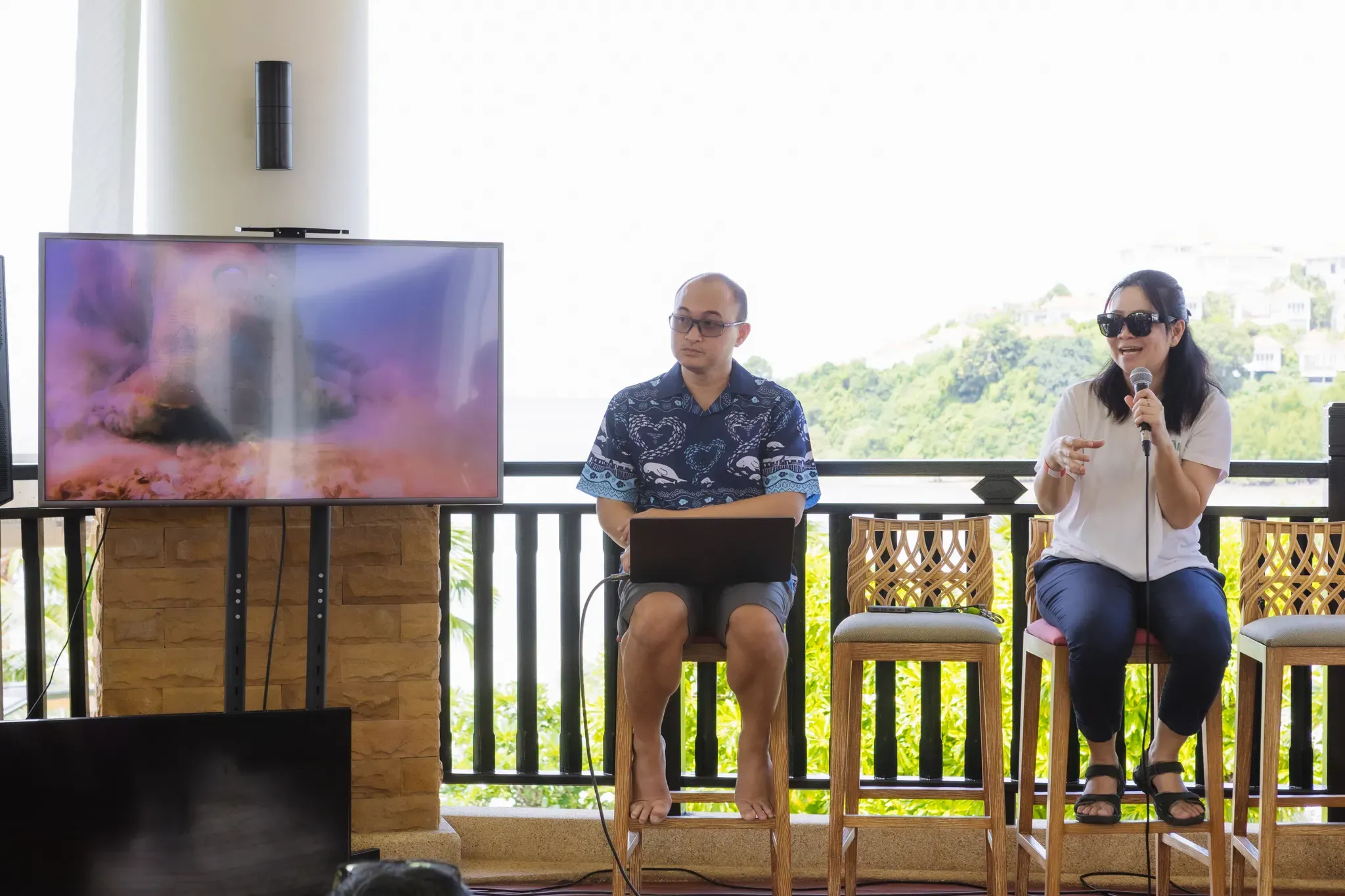
The last leg of the festival was in Bangkok on August 16, 2026, where the city’s creative and professional community saw the festival’s artwork. Beyond the art exhibition, the festival also created space for a documentary screening, an expert panel discussion, and a hands-on workshop curated for 20 children.
The Bangkok event attracted about 34 audience members, mainly company employees, freelancers, artists, media professionals, researchers, and students, many of whom self-reported as “not familiar at all” or “slightly familiar” with dugong conservation upon registration. Most attendees discovered the event through digital channels or personal referral.
Through digital platforms, the campaign reached even wider audiences with over 338 new followers added to the campaign’s online pages. Festival posts received 784,309 total impressions and 9,846 engagements.
“I’ve already been following the issue regarding dugongs—you know, the crisis they’re facing—but I didn't know all the details. I was curious to see what the event would actually be like,” said Pornpimon Khumngern, a dugong lover and aspiring writer who’s looking for information on dugongs and other animals to incorporate into the novels she wants to write.
“It’s rare to get a chance to really learn about these things firsthand as these events are held in places like Trang—where the dugongs actually are,” she said. “But when I saw that they were bringing the event to the city, I really wanted to come.”
Connecting art with impact
Responses from the post-event survey suggested that the event didn’t just raise awareness—it also helped participants identify a specific, personally relevant way they could contribute to dugong conservation.
An artist said they will create work that carries the conservation message. Media professionals identified their platforms as vehicles for amplification. Students and young professionals said they would share information within their personal networks. A financial officer saw a role in supporting youth-scientist seagrass projects. A conservation manager wanted to support the scientists directly involved in the work. Respondents who came with limited prior knowledge of the issue named concrete first steps such as donating, reducing plastic, and making more sustainable daily choices that can have an overall impact on dugong conservation.
Mailee Osten-Tan, Pulitzer Center grantee and director-producer of the documentary Payuun: Thailand’s Last Dugongs, highlighted audience response and engagement with her film.
“We had some interesting questions from the audience. One thing that surprised me was how much focus there was on plastic pollution affecting dugong death—which is not necessarily what my own reporting had found,” Osten-Tan said. “But I also understand that this was a tangible way of getting audiences to consider how their own actions could be affecting dugong populations.”
Team credits
Samui team
Art in Paradise staff
Photographer: Phoyen Digital (Thailand)
Phuket team (led by Apiwat Thongyoun)
Photographer and videographer:
Nobpasit Thanthadaphan
Panelists:
Theerasak “Pop” Saksritawee
Patcharaporn Kaewmong
Saisanit Pongsuwan
Lalitphat Phannithi
Installation baby dugong:
Apiwat Thongyoun
Exhibition staff:
Pullman Phuket Panwa Beach Resort
The Love Art Studio
Yodamichail Hut
Bangkok
Exhibition planning & curation:
Suchakree Sungsalee
Photographer:
Nutpraveen Saneewong Na Ayudthaya
Videographer:
Sasijuta Thongket
Exhibition crew:
Ratchadit Chinchaimongkol
Puttarapapa Meetongpun
Phuchit Naksuwan
Production:
Atchiya Chantharaphumi
Musician:
Jesse Mekwattana

