Pulitzer Center Update August 29, 2025
Pulitzer Center-Supported Series Explores Why RFK Jr. Is Blamed in Samoa Measles Crisis

Project
Tragedy in Paradise
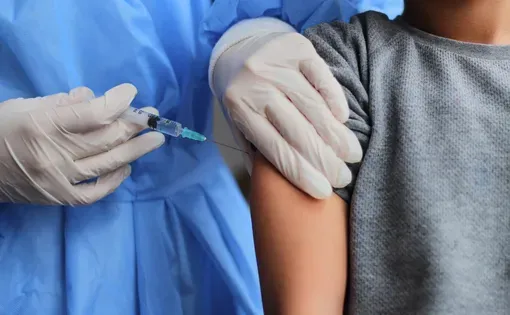
Experts show what happens when vaccination misinformation spreads.


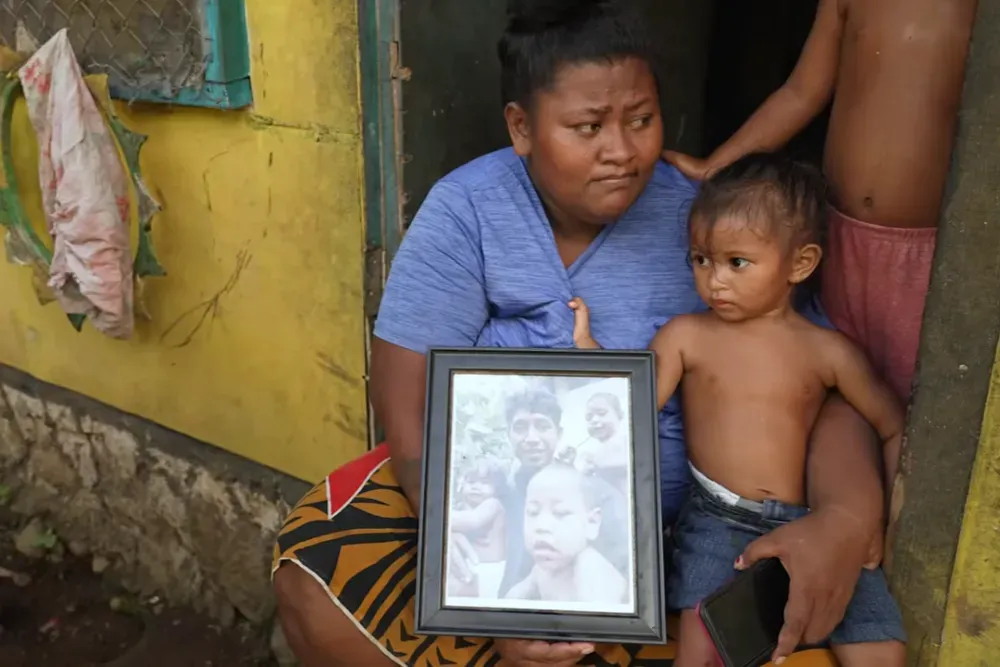
Samoa’s Measles Tragedy: “It Could Happen” in the U.S.
There’s no better time than now to watch Atlanta-based reporter Andy Pierrotti’s Tragedy in Paradise, a new Pulitzer Center-supported investigation.
Pierrotti and Atlanta News First videographer Luke Carter take viewers to Samoa, a Pacific island nation grieving a 2019 measles outbreak that killed 83 people, most of them children. Revisiting the tragedy makes sense. The United States is experiencing the greatest number of measles cases in 30 years. The outbreak is driven by vaccine distrust, which has spread in his state of Georgia, Pierrotti explains in his documentary and nightly news pieces.
In 2018, Samoans began grappling with a surge in vaccine distrust after two infants died due to negligence: Nurses mixed MMR doses with an expired muscle relaxant, rather than sterile water. As Pierrotti found, doctors and parents in Samoa blame influential vaccine skeptic Robert F. Kennedy Jr. and his associates for bolstering anti-vax sentiment. Pierrotti’s reporting zeroes in on why, presenting revealing social media ads and other activities. In June 2019, a Samoan anti-vax activist invited Kennedy to the island, where he was received with fanfare. In September, signs of a measles outbreak emerged.
Kennedy, who says no one chose not to vaccinate because of him, is now secretary of the U.S. Department of Health and Human Services. He is currently drawing intense scrutiny over his stance on vaccines and the ouster of Centers for Disease Control and Prevention Director Susan Monarez.
On camera, Pierrotti asks a U.S. doctor: “Why should people in the United States, in Georgia, care about what happened in Samoa?” She tells him: “Because it could happen here.”
Samoan mother Elsie Fa’atauu’u speaks with Pierrotti as she sits at the grave of her baby daughter, Noel. “Please,” she says, “I’m begging every parent in America. Please, get your child vaccinated.”
Pulitzer Center support helped Pierrotti enlist Samoan journalist Adel Fruean to connect him with sources. The project is part of the Pulitzer Center’s Global Health Inequities initiative, which supports enterprise and underreported stories about health system failures and solutions around the world. Apply for a grant here.
Tragedy in Paradise is on YouTube as a half-hour documentary. It’s also available as a four-part series, with a timeline, a vaccines Q&A with Emory University scientists, and a talk with Pierrotti about pursuing the story.
Best,

Impact
In late July, a Pulitzer Center-supported Mongabay investigation by Ocean Reporting Network Fellow Philip Jacobson, Rainforest Investigations Fellow Karla Mendes, and Pulitzer Center Data Editor Kuek Ser Kuang Keng revealed that government agencies in Brazil planned to purchase thousands of metric tons of shark meat to serve at public institutions, including schools, hospitals, and prisons. Experts warn that the shark meat not only comes from a threatened species, but also often poses health risks to humans.
Now, a Brazilian legislator is pressing for a parliamentary inquiry. Nilto Tatto, leader of the environmental caucus in Brazil’s lower house of Congress, said he was “shocked” by the scale of the purchases detailed in the report. The investigation documented more than 1,000 government tenders for shark meat since 2004, issued by municipal and state authorities across 10 Brazilian states.
Read the full investigation here.
Photo of the Week
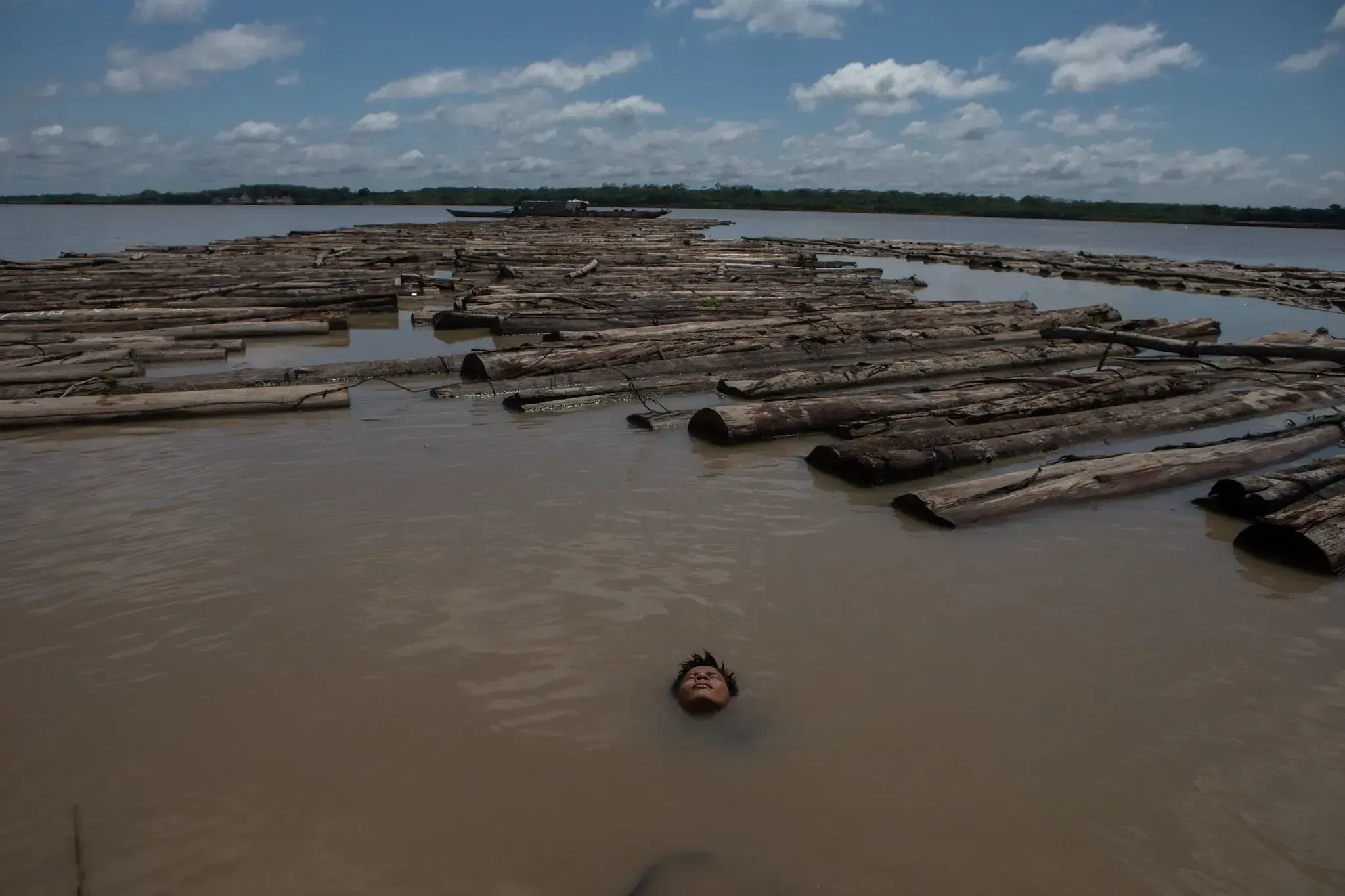
“This image invites me not only to reflect on the situation of the Amazon if we continue to indiscriminately exploit its resources, but also to think about the welfare of the communities and children who represent the future of the Amazon.”
— Marco Garro
This message first appeared in the August 29, 2025, edition of the Pulitzer Center's weekly newsletter. Subscribe today.
Click here to read the full newsletter.
Caption for homepage photo: In Milan, Italy, in 2021, Robert F. Kennedy Jr. held a press conference against the vaccine passport introduced in Italy to fight COVID-19. Image by Renato Murolo 68/Shutterstock.