Pulitzer Center Update January 30, 2026
Pulitzer Center-Supported: Radio Fosters National Dialogue on Ethiopia’s Hydropower Future
Country:

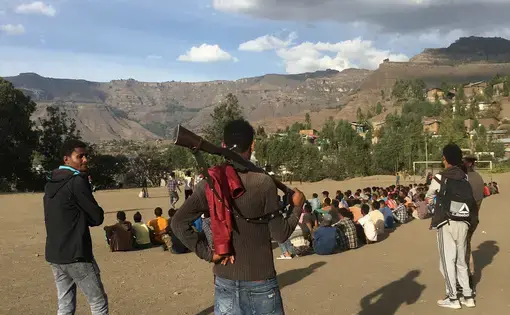
Key to understanding Ethiopia’s rising nationalism is the Grand Ethiopian Renaissance Dam, the...

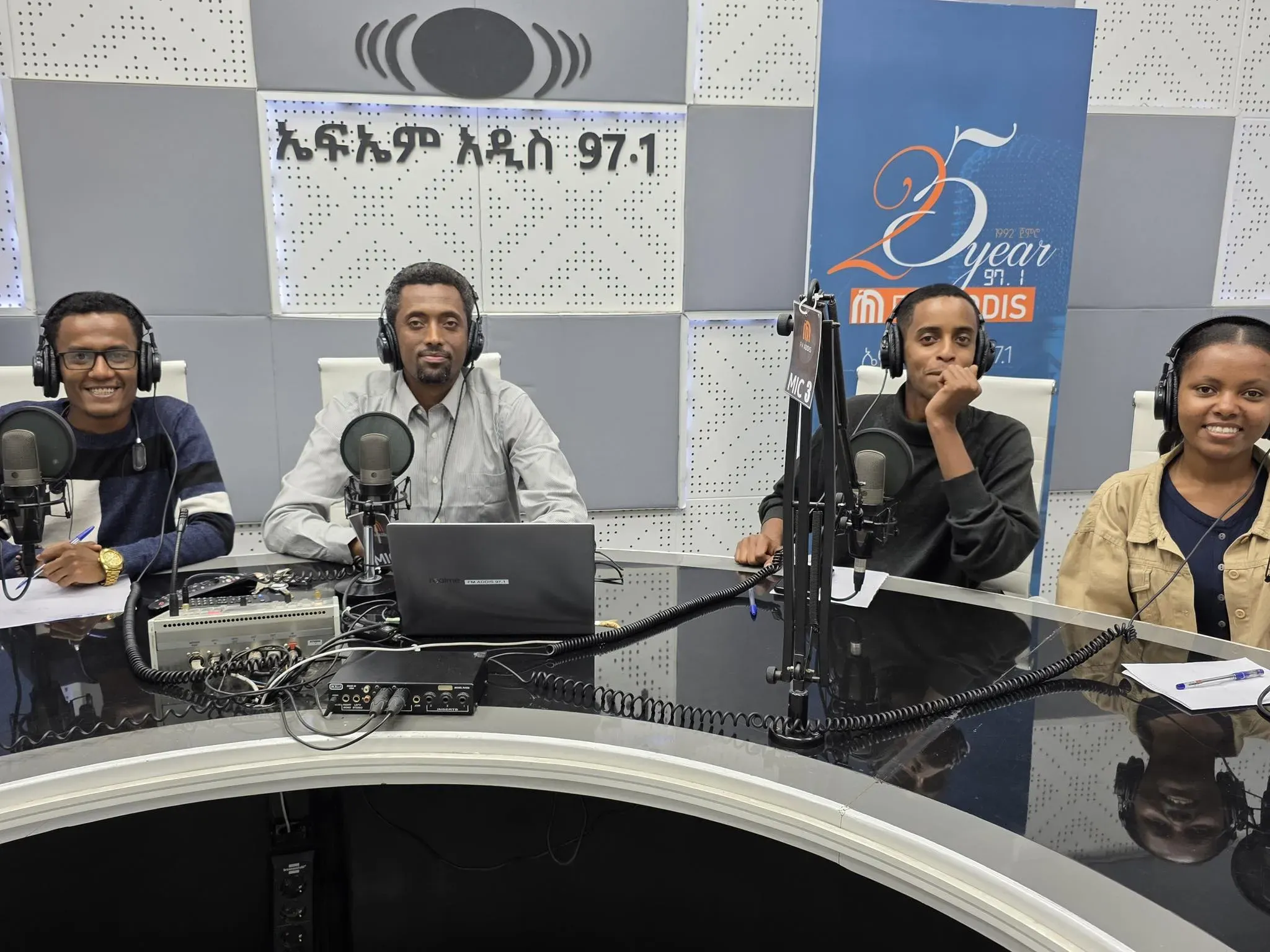
In Ethiopia, EMMA Radio & TV Media used the power of community broadcasting, supported by the Helmsley Charitable Trust through the Pulitzer Center, to translate a complex geopolitical story into a vital national conversation on water, energy, and regional cooperation.
In a country where public debate on major national projects is often polarized, one media organization turned to the nation's most accessible medium to foster informed dialogue. From October to November 2025, EMMA Radio & TV Media produced "Power and People: The Nile, Climate, and Hydropower Energy Future," a landmark participatory radio series that brought the human and geopolitical dimensions of Ethiopia's energy ambitions directly to the people.
Inspired by Ann Neumann’s Pulitzer Center investigation, Who Owns the Nile? Ethiopia's War Against Itself, the project sought to bridge the gap between high-level academic and diplomatic discussions and the everyday citizens whose lives are shaped by decisions about the Nile River, and particularly by projects such as the Grand Ethiopian Renaissance Dam (GERD). The GERD is more than an infrastructure project—it is a symbol of national pride, a source of regional tension, and a critical factor in climate adaptation. EMMA Radio used Neumann’s human-centered reporting to ground these monumental issues in relatable stories of community impact, displacement, and hope.
Airing the Dialogue: From Studio to Nation
The core of the initiative was a series of four live, 90-minute radio programs, each designed as an open forum. The shows were broadcast across a network of 12 partner stations, ensuring nationwide reach, and were supplemented by four community listening sessions for deeper local engagement. To make the dialogue as inclusive as possible, feedback was gathered through over 350 real-time call-ins, SMS messages, and voice notes from listeners.
The programs covered critical themes:
- Show 1: "Climate Variability and Hydropower Reliability" (October 13, 2025)
- Show 2: "Public Diplomacy and Non-State Actors" (October 16, 2025)
- Show 3: "Youth Leadership for the Next Generation" (October 18, 2025)
- Show 4: "Hydropower, GERD, and the Politics of the Nile" (October 20, 2025)
Each episode was rebroadcast and supported by articles published in both English and Amharic on the African News Channel, extending the conversation's lifespan and accessibility.
Grounding Geopolitics in Human Experience
The Pulitzer Center story served as the project's foundational text, transforming abstract policy debates into discussions about real people. By opening episodes with readings about Ethiopian refugees in Cairo facing discrimination over water, or families displaced by dam construction, the shows framed hydropower as a human issue.
This approach had a profound effect. Listener quotes captured the shift in understanding: "The Pulitzer story helped me understand why cooperation matters more than ever," shared one caller. Another noted, "This is the first time I understood how climate affects our electricity bills," linking global challenges to local daily life. The reporting provided a trusted, evidence-based framework that reduced misinformation and encouraged empathetic, cross-border perspectives.
Amplifying Outcomes: From Dialogue to Demand
The project's impact extended far beyond airtime. It successfully translated six hours of dense scholarly discussion into accessible public content, reaching a cumulative audience of over 300,000 listeners. The demand for this type of programming was clear, with media houses in Sudan, Uganda, and Kenya requesting rebroadcast rights for the series.
Key outcomes demonstrated a shift in public discourse:
- Strengthened civic literacy: The series demystified Nile governance and introduced concepts like "public diplomacy," empowering citizens to see their role in transboundary discussions.
- Elevated youth and women's voices: Dedicated programming and targeted invitations led to strong participation from these youth and women, who called for their permanent inclusion in energy dialogues.
- Created sustainable resources: The project produced practical tools for continued engagement, including three comprehensive scholar resource packets for journalists and a series of digital feature articles.
"Power and People" proved that in an era of digital fragmentation, participatory radio remains an unparalleled tool for inclusive civic education. By using Pulitzer-supported journalism as its compass, EMMA Radio guided a national audience through one of Ethiopia's most complex and consequential conversations, turning passive listeners into informed participants in shaping their nation's future.
Explore one of the project's featured articles: "Power and People: The Nile, Climate, and Hydropower Energy Future."