Pulitzer Center Update November 17, 2025
Pulitzer Center Brings the Ocean to the Forefront at COP30
Country:

In Mexico’s “Aquarium of the World” science and tradition converge to turn struggling fishing...

Protecting Our Ocean, Locally and Internationally
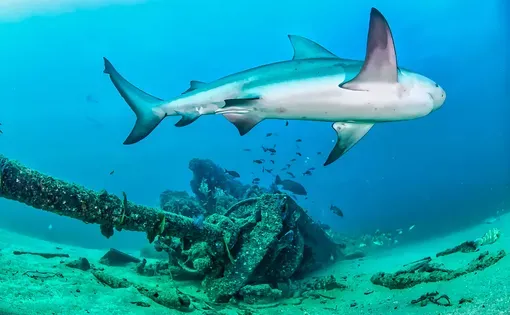
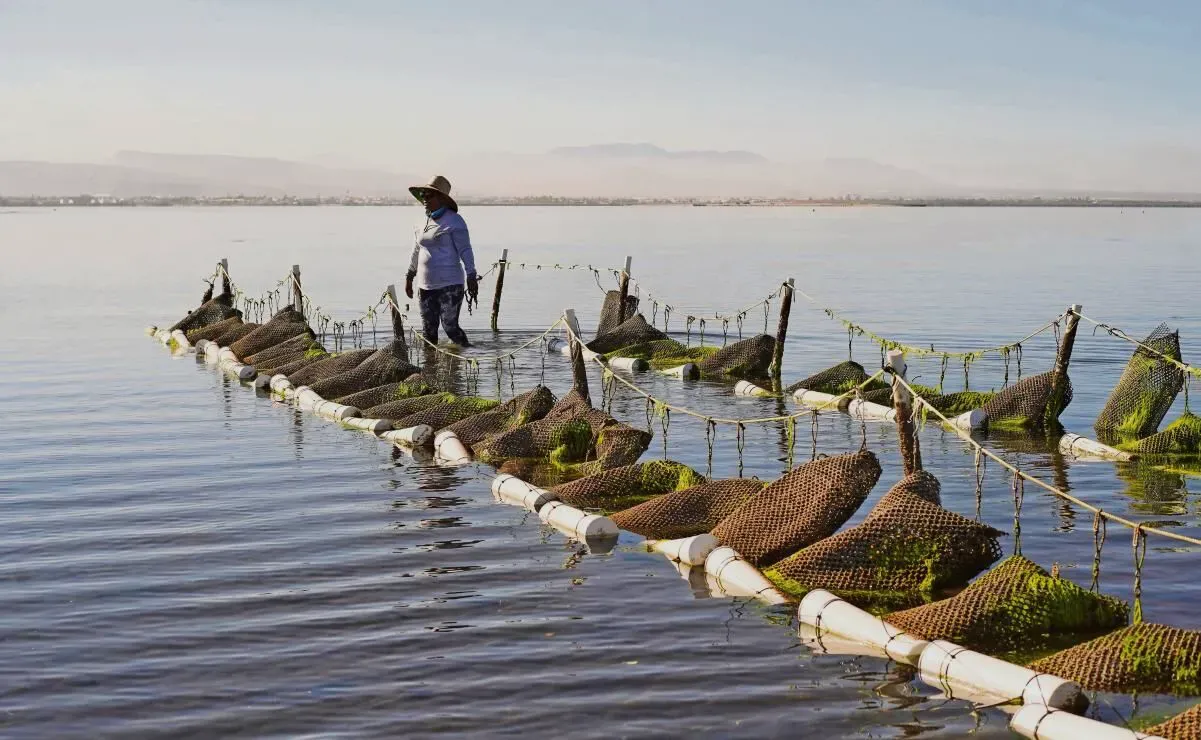
In Santa María Bay, Mexico, a group of female fishers is breaking barriers and leading a sustainable oyster farming project. In Punta Chueca, the Comca'ac people and scientists are working together to combine ancestral knowledge of the land and sea with scientific and civic efforts to protect the territory. In Agua Amarga, a young fisherman from a traditional shark-hunting background is proposing a new model to generate income from tourism. In San Blas, a local community is standing guard over vital wetlands against the threats of real estate.
Up and down the Gulf of California in Mexico, these solutions stories highlighted by Iván Carrillo for El Universal take readers to 10 different coastal communities to discover how locals are trialing “Marine Prosperity Areas,” adapting to climate change, and finding new ways to live in harmony with the sea. The Pulitzer Center-supported project, published last week, reminds us that ocean conservation is a collective practice made of a thousand tiny steps.
Today, we are at the Ocean Pavilion at COP30, the United Nations Climate Conference in Belém, Brazil. We’re excited to present our panel on the connection between the Amazon basin and the ocean. “Brazilian Stories From the Land to the Sea” will feature Tayguara Ribeiro’s reporting on Amazonian mangroves, a story that inspired a student to write a letter that received a response from Brazil’s minister of the environment. Audiences will have the chance to go behind-the-scenes with his reporting partner, Ana Bottallo, during next week’s Underreported Earth: “Tree Tales” series with EARTHDAY.ORG and The Guardian.
We are bringing these conversations on ocean reporting to conferences around the world, hosting panels at the Global Investigative Journalism Conference in Kuala Lumpur, Malaysia, on November 23 and at the World Conference of Science Journalists in Pretoria, South Africa, on December 2.
Journalists interested in reporting on marine environments can also find a wealth of information on our Resources page. Pulitzer Center staff publish their best toolkits and tips, such as “How To Track Ships Like a Pro Using OSINT” by Fernanda Buffa, and grantees and Fellows explain the methodologies behind their investigations, such as “Investigating When Data Isn't Available: Lessons From the Arabian Gulf” by Eman Mounir.
Carrillo’s project description concludes, “This is a story about possibility, dignity, and the belief that conservation can—and must—benefit the people who call the ocean home.” From the small fishing towns of Mexico to the world stage at COP30, we’ll keep telling the stories of ocean ecosystems and the people who rely on them.

Impact
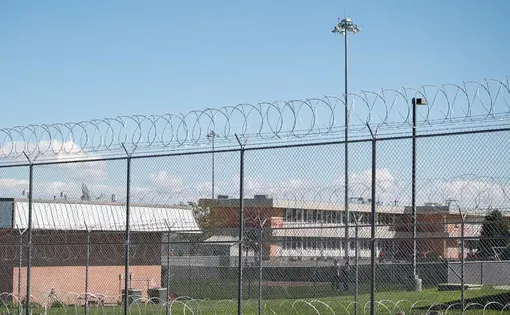
A Pulitzer Center-supported investigation by grantees Whitney Bryen and Wilson Criscione for InvestigateWest has prompted calls for reform after uncovering rampant sexual abuse by guards at Idaho women’s prison.
In a letter to Governor Brad Little, the Southwest Idaho Chapter of the National Organization for Women condemned the state’s “shameful” failure to protect incarcerated women and urged an independent investigation. According to the governor’s office, Little has since asked the Board of Correction to review both the cases uncovered by reporters and the Department of Correction’s handling of public records requests.
Leaders in prison reform and women’s rights have denounced the findings, with Just Detention International calling them “horrifying” and urging a “reckoning” of Idaho’s prison system.
Photo of the Week
This message first appeared in the November 14, 2025, edition of the Pulitzer Center's weekly newsletter. Subscribe today.
Click here to read the full newsletter.
Project
Behind Bars, Beyond Justice
For this multi-part investigative series, InvestigateWest reporters held countless interviews with...


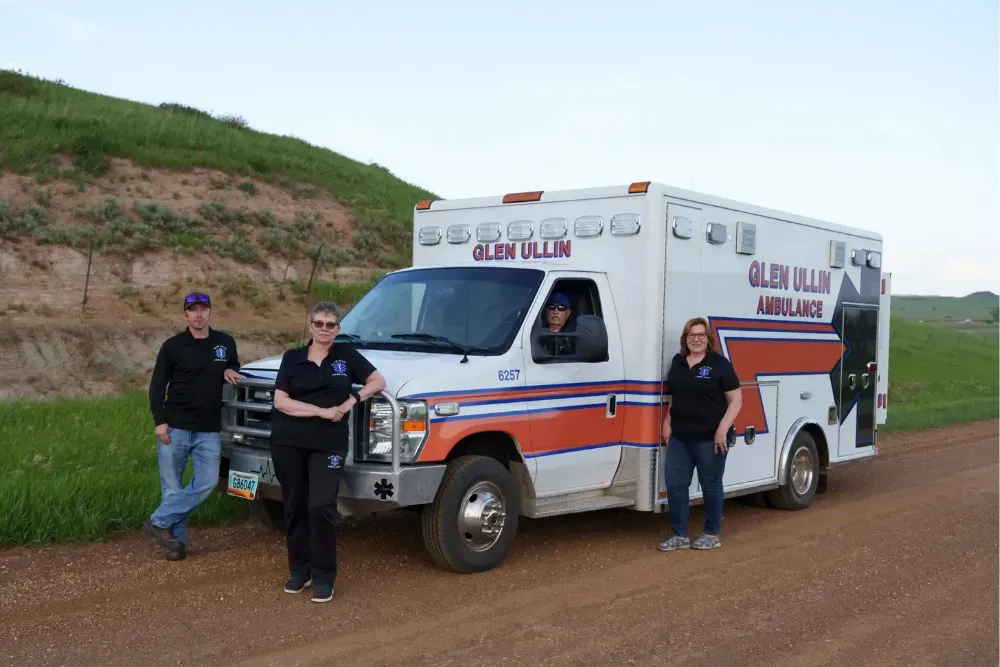
Millions of residents find themselves stuck in medical deserts.