Pulitzer Center Update April 17, 2026
With Poetry, West Virginia Students Amplify Impact of Nuclear War in Japan and U.S.
Country:

Project
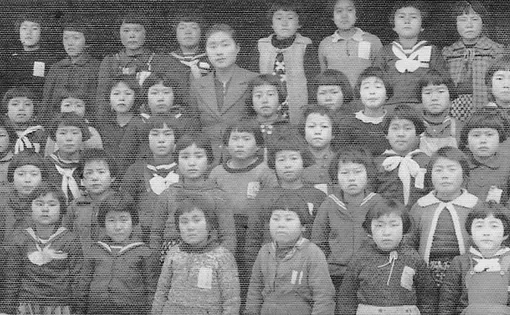
Children of the Atomic Bomb
In August 1945, the United States dropped atomic bombs on Hiroshima and Nagasaki—the only use of...

Lesson Plan
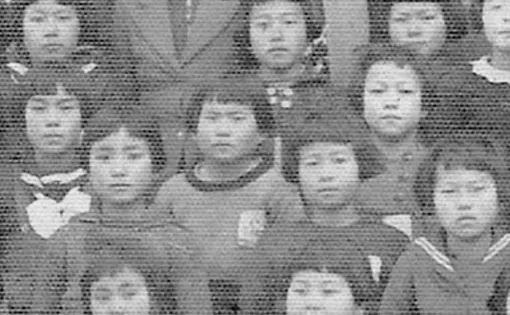
The Impact of the Atomic Bomb
Students examine two stories about the atomic bomb and create a documentary poem synthesizing the stories and demonstrating understanding of the event.
Jeffrey Webb is a social studies educator at DuPont Middle School in West Virginia. Webb created the lesson plan “The Impact of the Atomic Bomb,” as part of the fall 2025 Pulitzer Center Teacher Fellowship “Examining Interconnected Health Inequities Through Global Reporting,” reaching 200 students.
At the conclusion of the Fellowship, Webb shared the following reflections on his experience developing and teaching the lesson.
“We are approaching the day where the survivors of the atomic bomb will no longer be with us. It will be up to individuals like our students to carry on their message, to share the lessons they have learned with the world.”
— Jeffrey Webb, West Virgina educator and Teacher Fellow
What is the focus of your lesson plan, and why did you write this lesson for your community?
I teach eighth-grade social studies at a Title I middle school about 10 miles outside of Charleston, West Virginia. In our district, eighth-grade social studies focuses on our state’s history, ranging from the prehistoric mound builders to the Civil War to the crises of today. For a lot of my students, the subject is boring. They ask, “Why do we have to learn this?”
Most of them have spent their entire lives living in West Virginia, and they think they know everything there is to know about the topic. For some students, their apathy is an extension of their pessimism.
West Virginia is a poor state, afflicted by a host of health concerns, and is home to a population that is both aging and dwindling. For some of these students, the question isn’t “Why do we have to learn this?” Instead, the question is really “Do we even matter?”
How did you build this lesson with your community in mind?
Throughout the academic year, I try to show my students that we do matter, even in our small state of one-and-a-half million people. I center stories about West Virginia and then try to show how that story has importance both for our state as well as for people beyond our borders.
That is the approach I took here with this lesson for the Pulitzer Center. Students learned about the history of the atomic bomb and, via an article from a local news station, they learned how a plant in Morgantown, West Virginia, produced material used to construct the atomic bomb during World War II. That was the local connection.
Students then moved beyond the local focus and watched the short video from the Pulitzer Center, “What Japan’s Atom Bomb Survivors Have Taught Us About the Dangers of Nuclear War.” In that video, my students heard testimony from Hiroshima survivors, helping them better understand how the chemicals produced here at home had devastating effects on the other side of the world.
“If this experience has taught me anything, it is that we can and must give our students the tools to tell these stories. By doing so, our students gain their own voice. They learn that they matter. They learn that history matters.”
— Jeffrey Webb
What did your students learn while engaging with this lesson?
“Crazy,” one student said after the video.
Students were surprised at the number killed by the atomic bomb and by details like the bomb melting skin and burning shadows into the ground. A somber mood settled over the classroom, which doesn’t happen often in a classroom packed full with 35 middle schoolers. Several students seemed particularly shaken by the troubling details that come at the end of the video, that there are 12,000 nuclear weapons in the world today, the most powerful of which are 80 times more powerful than the bombs dropped on Japan. “That’s like enough to blow up not just a city but a whole country,” another student said.
I wanted my students to synthesize what they learned from the two sources, to help cement for them that what West Virginians did at the plant in Morgantown had global ramifications that could still be felt today.
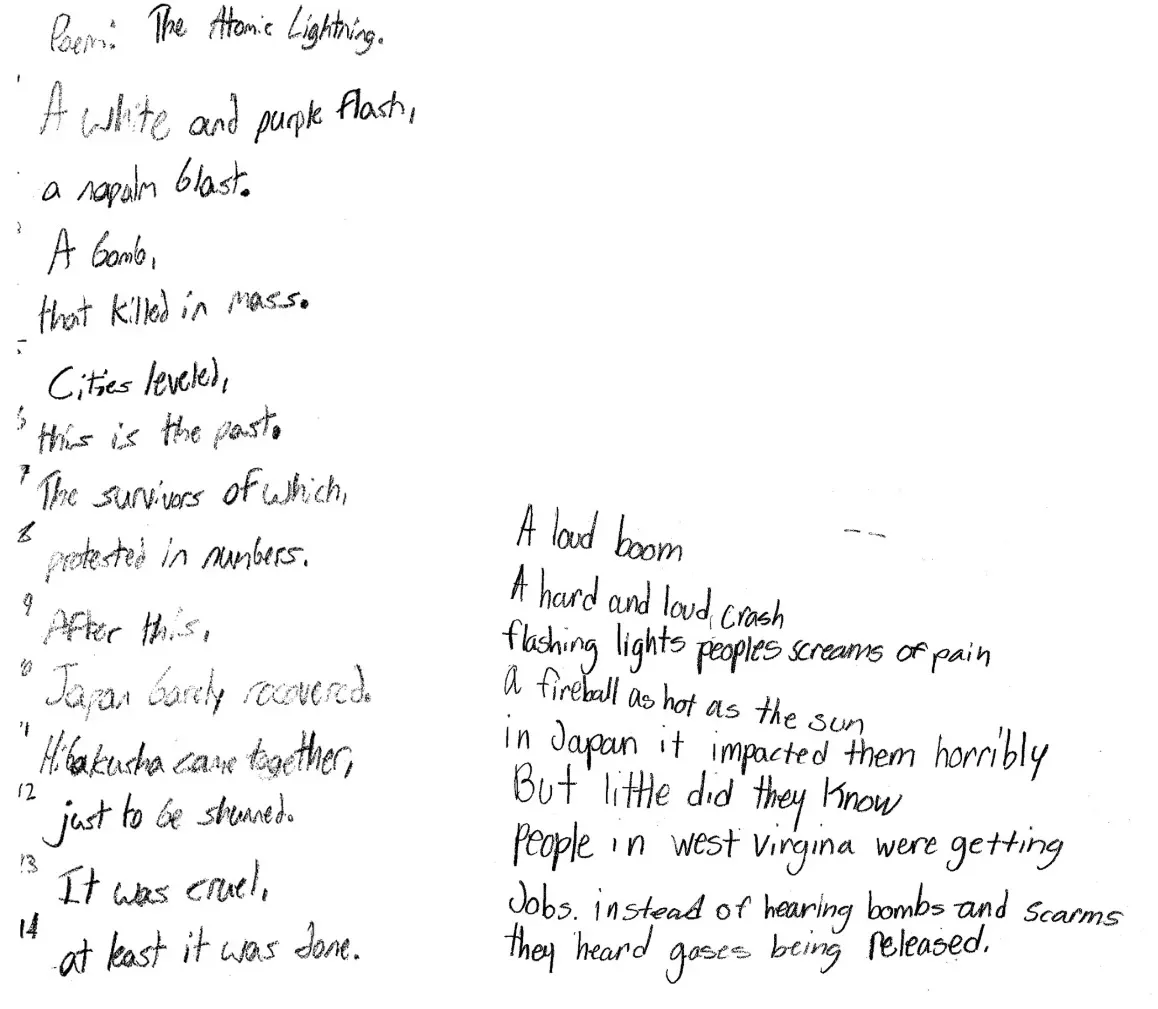
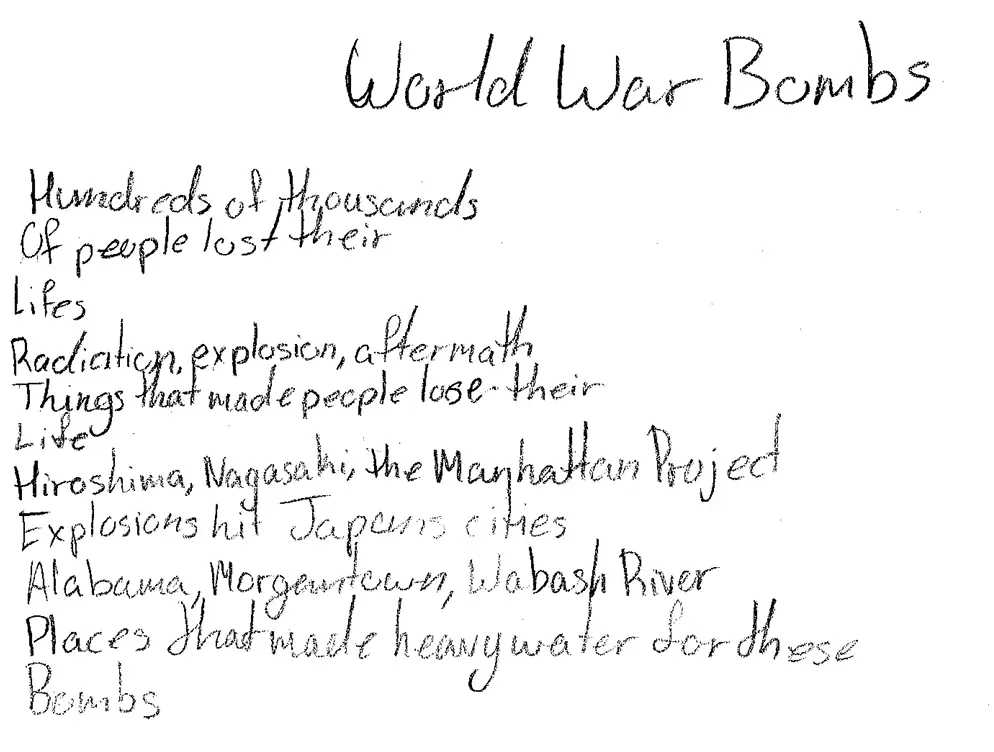
For their performance task, I decided to have them create a documentary poem incorporating information from the two sources. I thought it was an appropriate way to get them to connect information from both sources in an effort to create a fuller description of what happened. I found myself very impressed by what many students wrote.
“They didn’t know it would be their last goodbye / because on that day / purple lightning would flash across the sky,” began one student’s poem, drawing inspiration from the words of the Japanese survivors.
"Alabama, Morgantown, Wabash River / places that made heavy water for these / bombs,” another student wrote, referring to what students learned about West Virginians' involvement in helping make the bombs.
Yet another student offered an even more chilling comparison: “in Japan it impacted them horribly / But little did they know / people in West Virginia were getting / jobs. instead of hearing bombs and screams / they heard gases being released.”
What did you learn by creating and teaching this lesson?
One thing that really struck me about this assignment is how much more willing students were in writing a documentary poem as opposed to a traditional essay.
For educators replicating this lesson, I would offer one additional suggestion: Don’t stop with the writing. Poetry is meant to be read and shared, and students should be encouraged to share their writing, whether that’s through a reading at the school, submission to a literary magazine, or some other forum.
As the video within this lesson points out, we are approaching the day where the survivors of the atomic bomb will no longer be with us. It will be up to individuals like our students to carry on their message, to share the lessons they have learned with the world. If this experience has taught me anything, it is that we can and must give our students the tools to tell these stories. By doing so, our students gain their own voice.
They learn that they matter. They learn that history matters.