Pulitzer Center Update October 21, 2025
Meet the Pulitzer Center Coaching Grantees Who Will Train Fellow Journalists on Covering AI

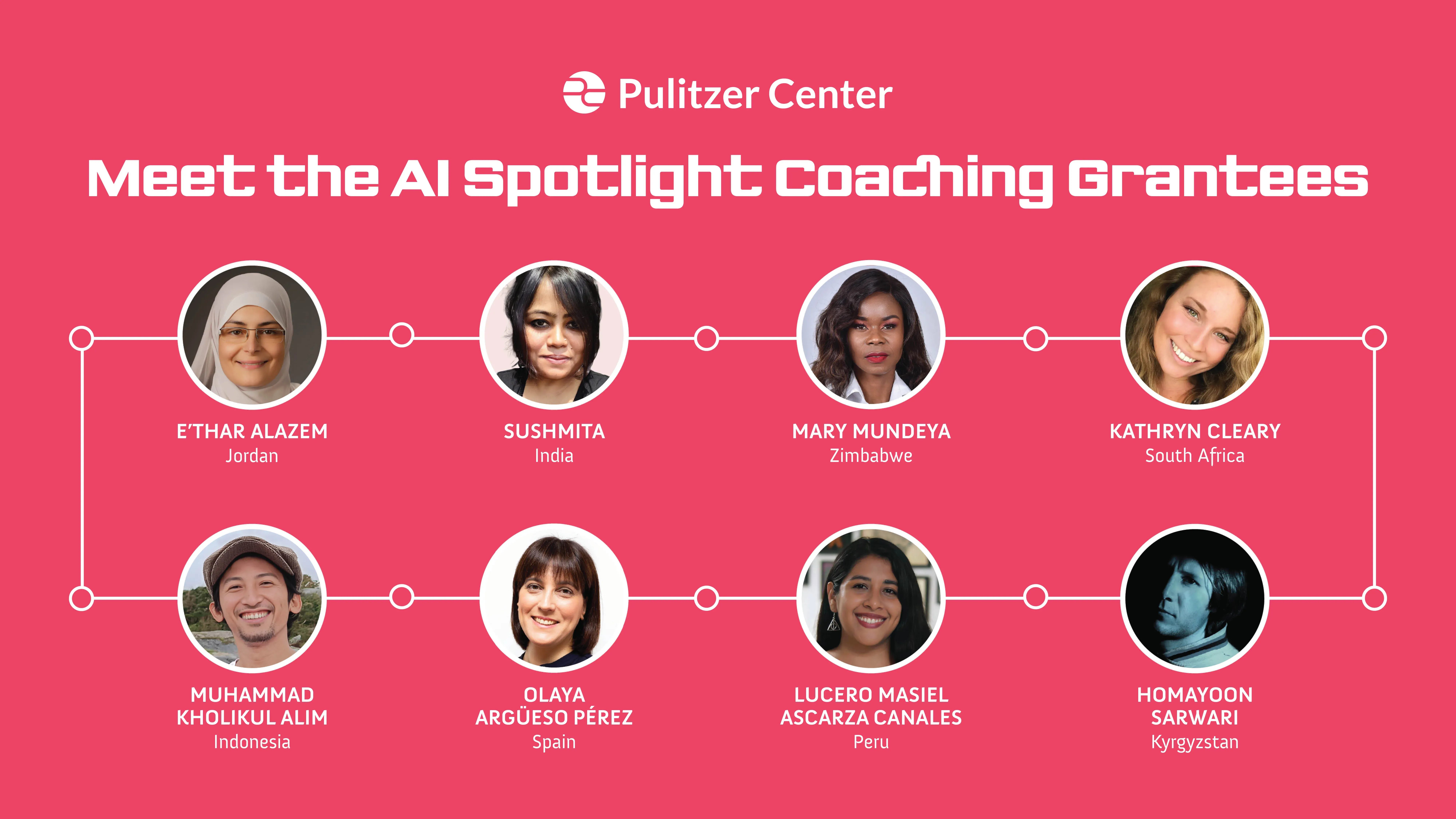
The Pulitzer Center has selected eight journalists to be AI Spotlight coaching grantees, who will train fellow reporters in their communities on how to cover artificial intelligence using an accountability lens.
Coming from various countries, these trainers will design sessions—ranging from online and in-person workshops to journalism conferences—that will target journalists, civil society, academia, and students.
The eight journalists will use the Pulitzer Center's AI Spotlight Series curriculum as the basis for their training. They will combine their own expertise, reporting, and cultural contexts with a framework for investigating the AI supply chain and its effects on communities.
The series curriculum was designed by Pulitzer Center grantee Karen Hao, an award-winning journalist who covers AI.
Since the launch of the AI Spotlight Series in 2024, the Pulitzer Center has conducted more than 40 online and in-person sessions and has trained more than 2,000 journalists worldwide. Through the AI Spotlight Coaching Grants, the Center seeks to expand its network of trainers and further build local expertise in reporting on AI systems—without the hype and alarmism.
The coaching grantees have met with Hao, lead designer of the AI Spotlight Series and author of the best-selling book Empire of AI. Hao gave the coaches tips on how to teach AI accountability reporting and advice on how to conduct the training in their particular contexts.
Each coach is receiving financial support to conduct one-two training sessions. Learn more about the trainers and their training plans below:
Muhammad Kholikul Alim
Indonesia
Bio:
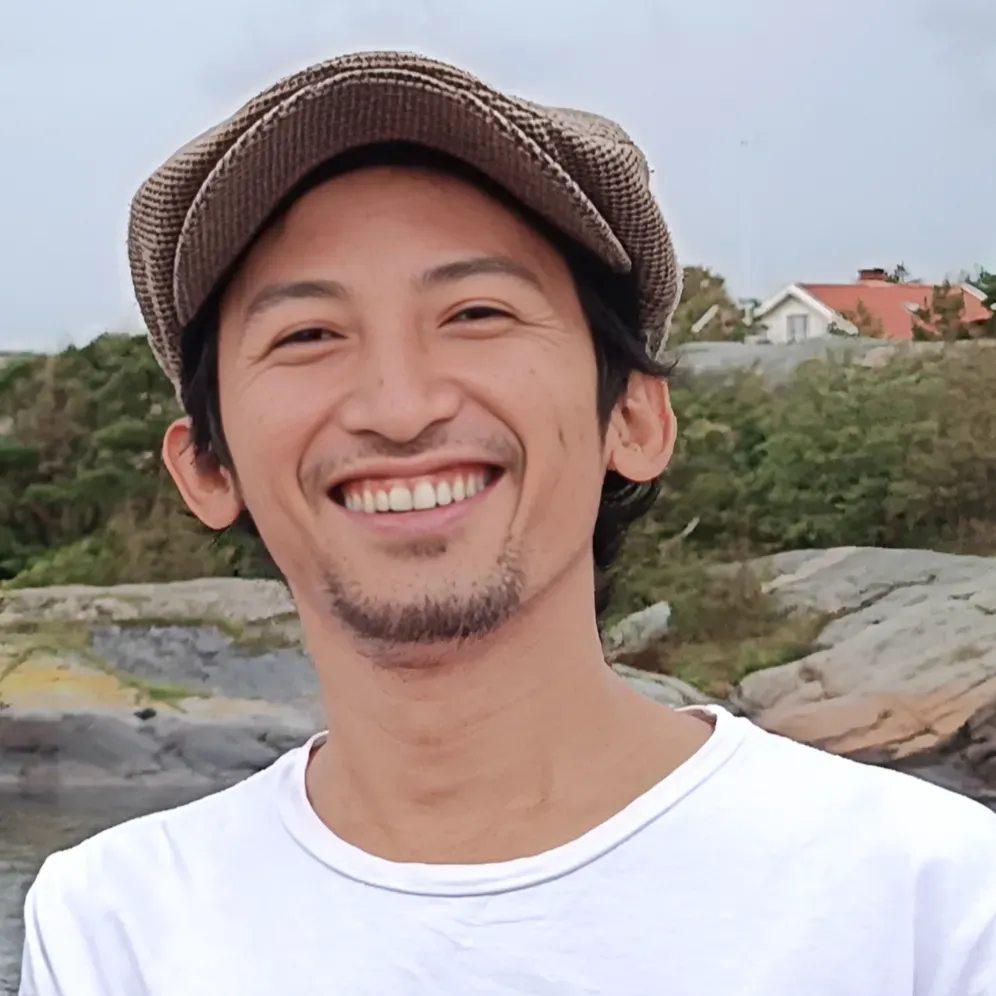
Muhammad Kholikul Alim began his career as a capital market journalist in 2011. He joined Jaring.id, a nonprofit media outlet focused on investigative journalism, in 2015 as a researcher. In addition to serving as managing editor of Jaring.id, he is active in providing training on data journalism, investigative journalism, and the basics of digital security.
Training plan:
Alim will hold training sessions for Indonesian journalists, providing them with a critical perspective on the use of AI, particularly in relation to the Indonesian government's road map for its use. This training will enable journalists to provide alternative perspectives on this issue, rather than simply quoting official statements. Additionally, Alim will bring together journalists and civil society organizations to pave the way for collaboration and ensure that the use of artificial intelligence does not harm the public interest.
E'thar AlAzem
Jordan
Bio:
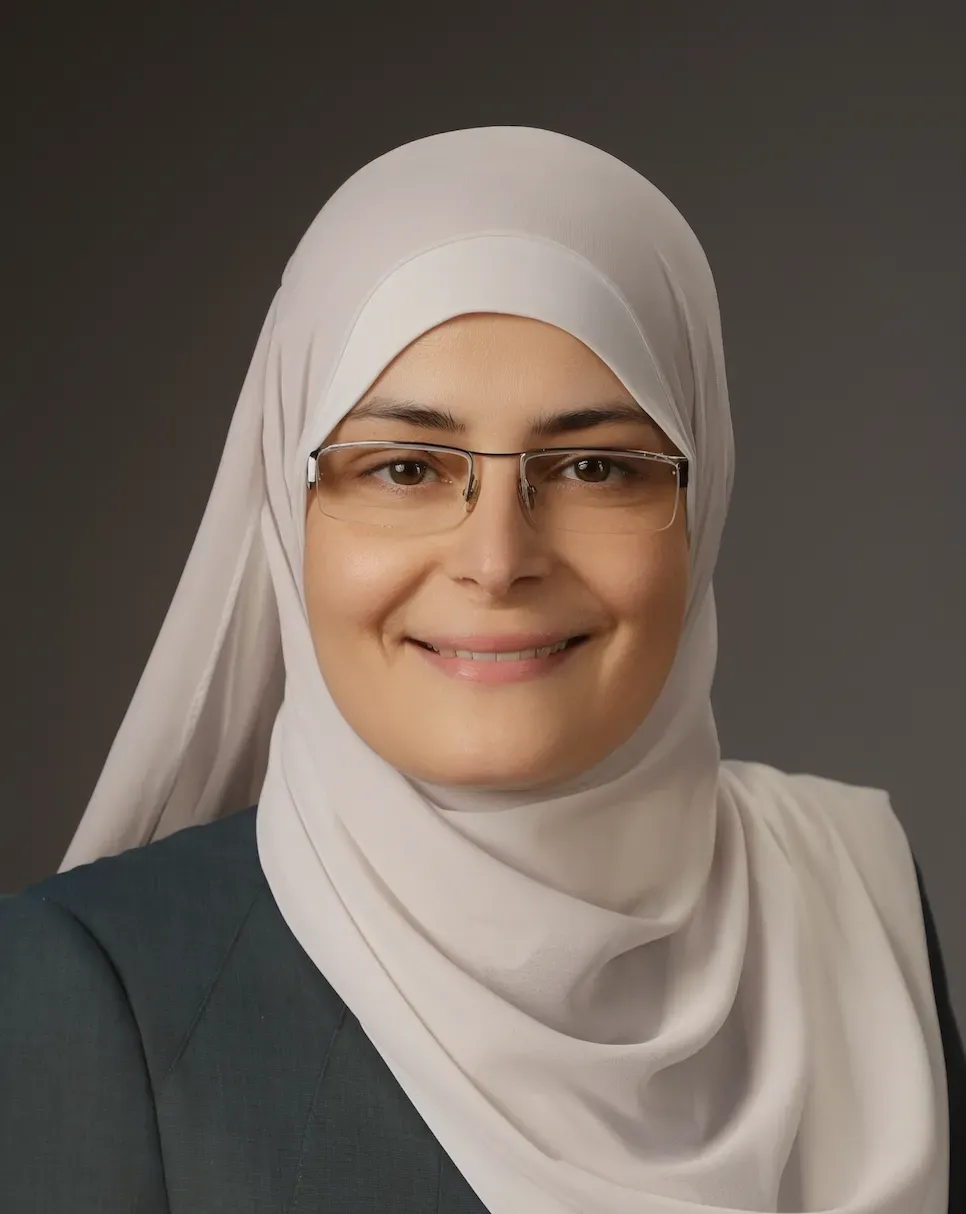
E'thar AlAzem is a Jordanian investigative journalist. She started working at the Arab Reporters for Investigative Journalism (ARIJ) in 2022 as a coach and a data trainer. AlAzem holds a master’s degree in journalism and new media from Jordan Media Institute in Amman, as well as a data diploma certificate from ARIJ (with the support of the International Center for Journalists). AlAzem also holds an additional data certificate from DW Academy. She has trained hundreds of journalists and fact-checkers in sourcing and analyzing data.
Beyond teaching technical skills, she guides reporters through complex investigations, transforming raw information into clear, compelling stories that expose wrongdoing, promote accountability, and contribute to impactful, award-winning investigations.
Training plan:
AlAzem will lead an online workshop aimed at journalists from different Arab media outlets and an in-person workshop for journalists attending the ARIJ Forum 2025 in Amman in December. The ARIJ Forum is the largest gathering of independent media supporters and producers in the region. It will include journalists and fact-checkers.
The content will be closely aligned with the AI Spotlight Series curriculum, featuring case studies on international AI reporting as presented by the AI Spotlight coaches, with possible additional examples highlighting stories from the Global South. The proposed workshops will further integrate regional contexts and considerations, informed by insights emerging from the AI Spotlight Pulitzer Center training. All materials will be carefully tailored to the participants’ profiles and professional needs, encompassing journalists, editors, and, where appropriate, students.
Olaya Argüeso Pérez
Spain
Bio:
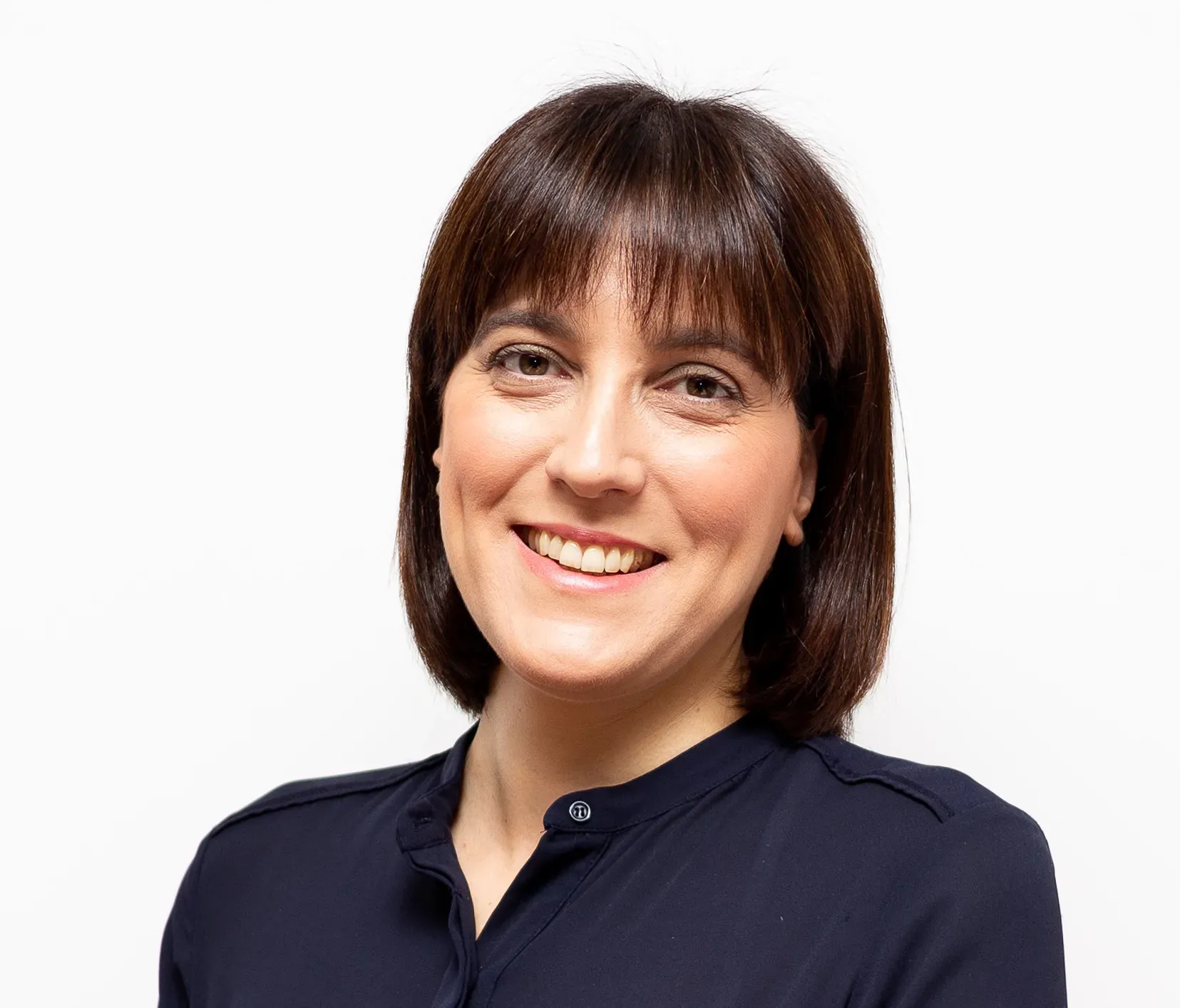
Olaya Argüeso Pérez is an investigative journalist specializing in cross-border reporting. She was editor-in-chief at CORRECTIV, heading international investigations since 2019. With over a decade reporting on economic, business, and financial matters for Spain’s top radio network, Cadena SER, she transitioned into data journalism and was accepted into Columbia University’s Lede Program. At CORRECTIV, she contributed to groundbreaking projects, including The CumEx Files and Grand Theft Europe, revealing multi-billion-euro tax fraud schemes across Europe. From 2022 to 2024, she led CORRECTIV.Europe, a network uniting local European journalists in joint cross-border investigations. She has a keen interest in the effects of AI on the workforce.
Training plan:
This virtual training will focus on reporters in central and southeastern Europe, where independent media often face significant challenges. Authoritarian regimes in this region have increasingly used AI to enhance their surveillance and censorship capabilities at a fraction of the cost it would have had a few years ago. AI-based tools are also being used in this geographical area to produce and disseminate politically targeted disinformation by both external actors and repressive regimes.
To combat these threats, the training will aim to raise awareness and improve AI literacy among journalists in independent media organizations. The training will target staff or freelance journalists in central and southeastern Europe working for independent media organizations, and who have an interest in exposing how AI is impacting their communities.
Lucero Masiel Ascarza Canales
Peru
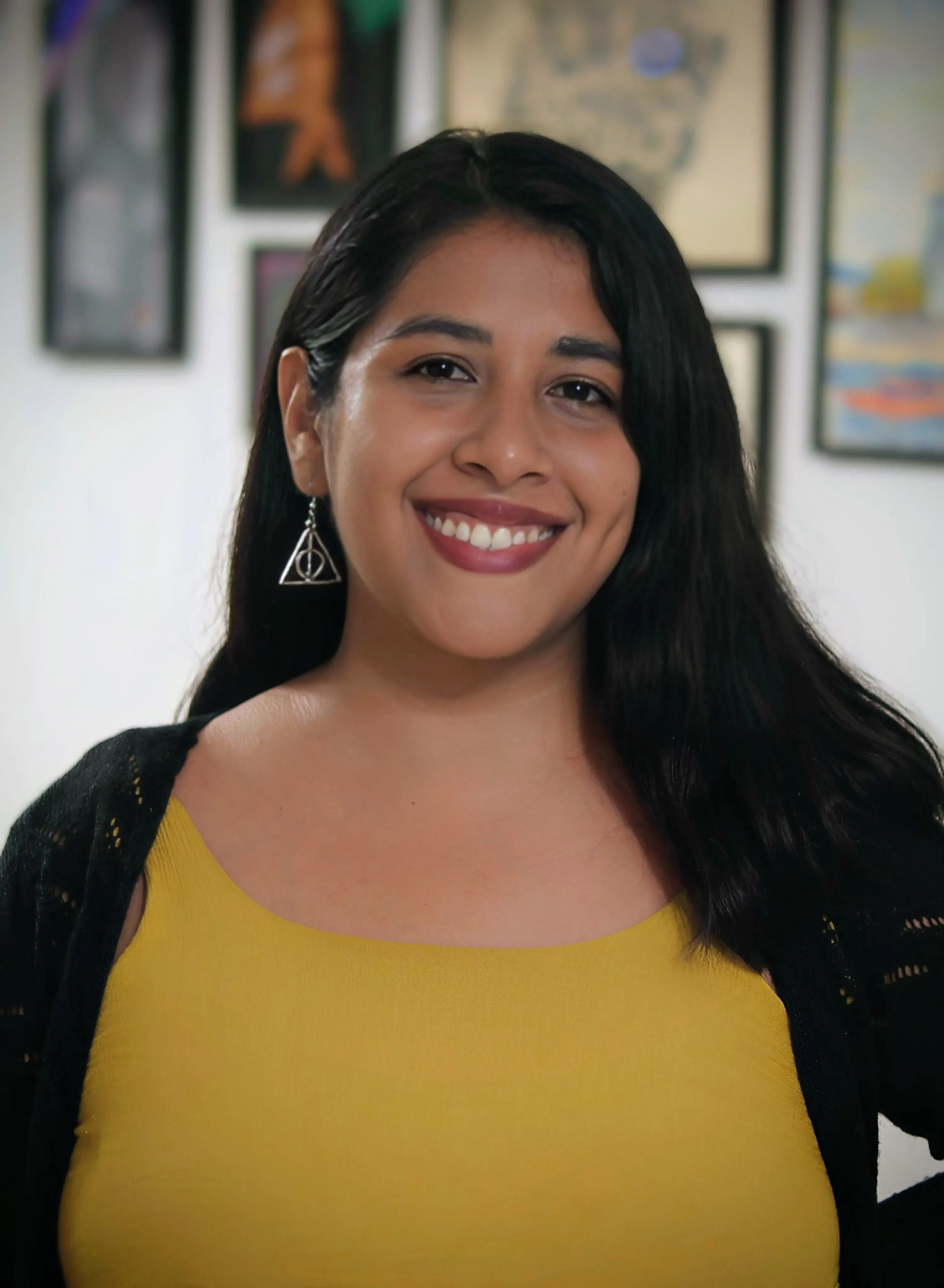
Bio:
Lucero Masiel Ascarza Canales is a Peruvian journalist interested in topics regarding gender, health, human rights, disinformation, and technology. She is co-founder of Contranoticia, an independent, community-based digital media outlet. She has also worked as a reporter at Salud con lupa, Wayka, and Convoca. In 2021, she won a National Journalism Prize for a series on orphan children's experiences during the COVID-19 pandemic. For six years, she worked as a teaching assistant in journalism courses at the Pontifical Catholic University of Peru.
Training plan:
Using the AI Spotlight materials, Ascarza Canales will lead a virtual training in partnership with the National Association of Journalists of Peru, an organization that represents journalists in 121 provinces in the country. She will also conduct an in-person training in partnership with Huanca York Times, the top digital media in Huancayo, Peru.
Kathryn Cleary
South Africa

Bio:
Kathryn Cleary is an award-winning investigative journalist and communications professional with a passion for health, human rights, social justice, and algorithmic accountability. Originally from the United States, she holds a bachelor's degree in journalism from Rhodes University in South Africa. Cleary was the recipient of a Regional Vodacom Journalist of the Year Award for data journalism in 2019, the overall winner of the 2020 Isu Elihle Awards for child-centered reporting in Africa, and the recipient of a Distinguished Alumni Award from Rhodes in 2022. Cleary was part of the Pulitzer Center's AI Accountability Fellowship cohort in 2024-25. She and her reporting partner produced a data-driven, human-centered investigation into the ways data-labeling companies leverage human labor as a way to fuel Big Tech's drive toward superintelligent AI. Their investigation was published by Africa Uncensored.
Additionally, Cleary has worked in community and nonprofit media, global development, and strategic communications.
Training plan:
Cleary has partnered with two leading South African universities, the University of the Witwatersrand and Rhodes University, to deliver training sessions that equip and inspire the next generation of media professionals to understand and report on AI technologies. Drawing on her collaborative Pulitzer Center–supported investigation Fuelling the AGI Hype: The Recruitment Playbook to Land Big Tech Contracts, Cleary's sessions will unpack the human labor, data systems, and power structures behind AI development.
Working in collaboration with university staff, the training will be responsive to the needs of students and educators as they navigate teaching, learning, and reporting in an ever-evolving age of AI. Cleary aims to help strengthen a more inclusive global conversation about the future of technology and society.
Mary Mundeya
Zimbabwe
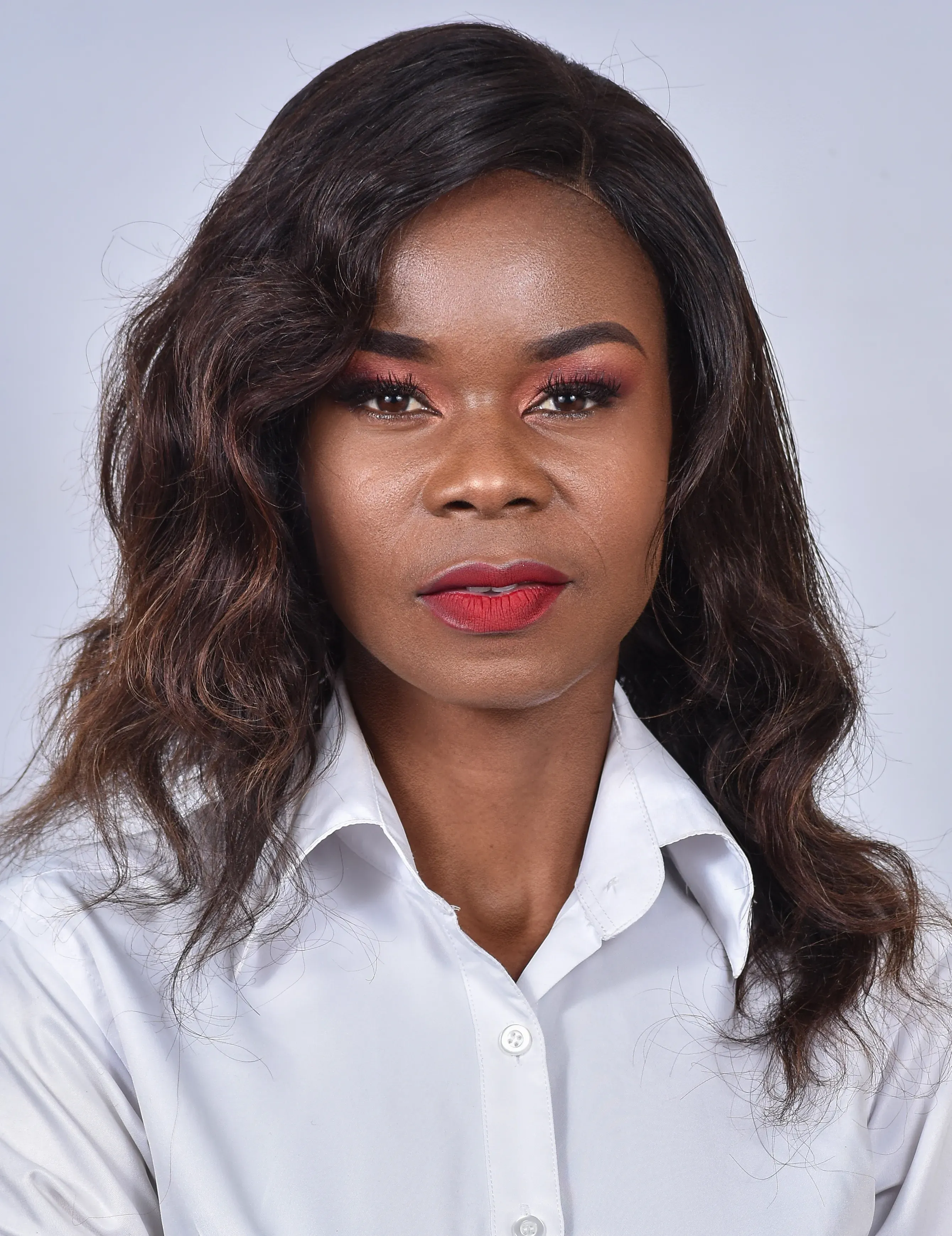
Bio:
Mary Mundeya is an investigative journalist based in Harare, Zimbabwe, and a 10-time award-winning reporter with extensive experience covering governance, public service failures, and extractive industries. She is the founder of She Corresponds Africa, an all-female media outlet that highlights underreported human interest stories with an investigative focus. Her work combines traditional investigative techniques with digital and data-driven methods, and she is exploring AI-assisted reporting tools to enhance transparency and impact in journalism.
Training plan:
Mundeya will work on a specialized training program for community radio journalists and programmers across Zimbabwe aimed at enhancing their ability to report accurately and critically on artificial intelligence. It will focus on helping journalists understand AI technologies, explore their applications in governance, health, agriculture, and public services, and develop the skills to produce ethical, locally relevant, and investigative stories for grassroots audiences.
Through this training, journalists will gain practical tools to translate complex AI topics into clear, actionable reporting, empowering communities with knowledge about how AI impacts their daily lives and promoting greater accountability and informed public engagement across Zimbabwe.
Homayoon Sarwari
Kyrgyzstan

Bio:
Homayoon Sarwari is an Afghan journalist, photographer, and graduate student in anthropology and international development at the American University of Central Asia in Bishkek, Kyrgyzstan. His work explores cultural preservation, migration, and the social impact of technology. He leads Preserving Afghan Traditions in Exile, a photography project that documents Afghan ethnic diversity through traditional outfits and customs. Sarwari has also trained Afghan students in photography, visual storytelling, and digital media. At the American University of Central Asia, he contributed to AI-focused teaching modules and to the book Finding Hope in Kyrgyzstan. In 2024, he joined the Pulitzer Center’s AI Spotlight training, which inspired him to expand his reporting on AI accountability.
Training plan:
Sarwari's training will bring together Afghan journalists and journalism students in Bishkek to learn about artificial intelligence and its impact on society. Through two interactive sessions at the American University of Central Asia, participants will explore how AI is shaping journalism, migration, and surveillance in Afghanistan and the wider region. The program will cover both the opportunities and risks of AI, focusing on accountability, ethics, and story development. By combining case studies, open discussions, and practical exercises, the training aims to give early-career and exiled Afghan journalists the tools and confidence to report on AI in ways that connect with their communities and reach wider audiences.
Sushmita
India
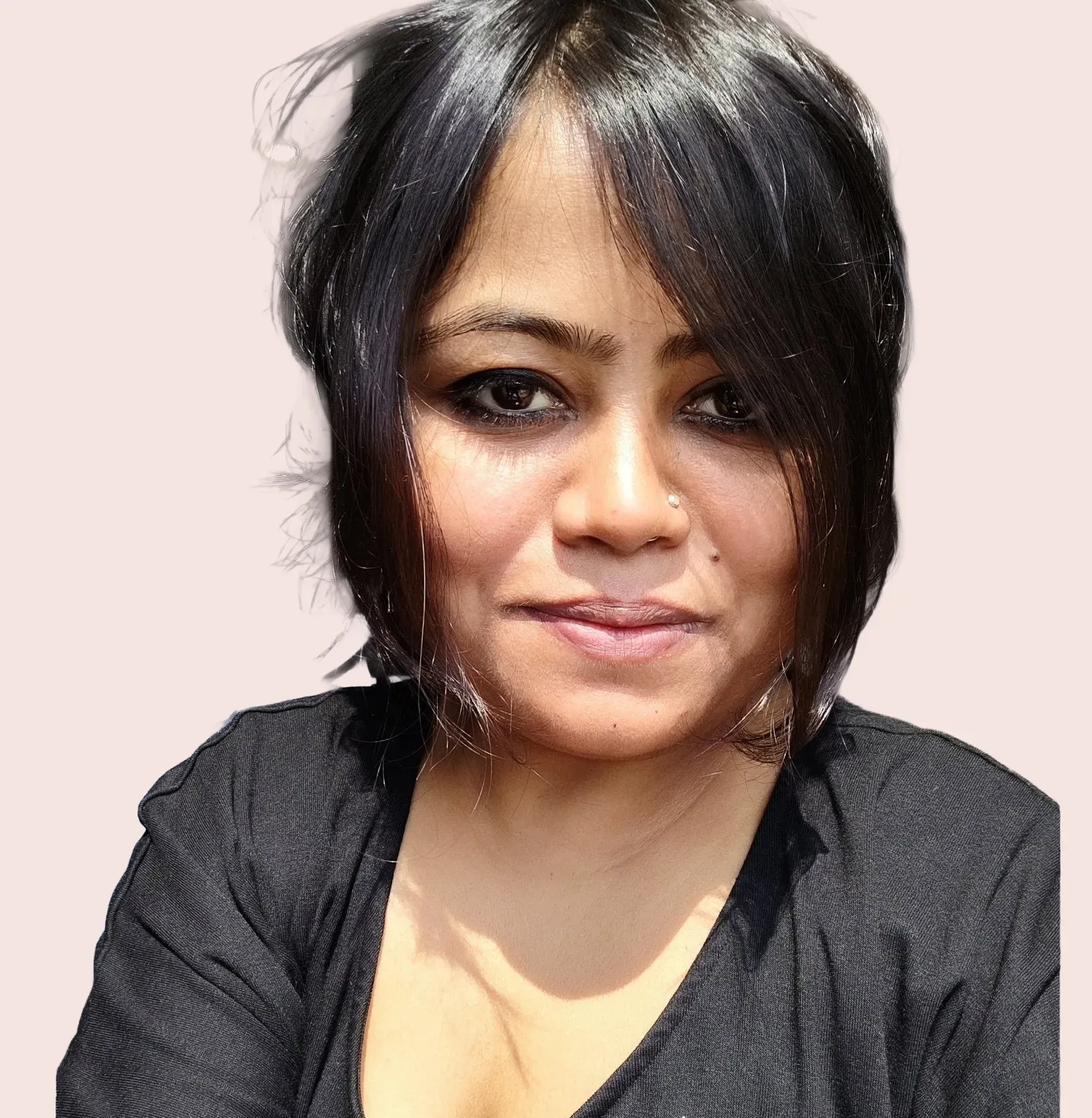
Bio:
Sushmita is a freelance journalist, artist, and a former engineer from India. She was a Pulitzer Center AI Accountability Network Fellow in 2024-25 and a grantee in 2023. She has written for various national and international publications, including Dialogue Earth, Mongabay, The Caravan, and IndiaSpend. She served as a judge for the Covering Climate now awards 2025. Her reporting has won international awards, including a 2024 Covering Climate Now honor. She has engaged with students in the United States and coaches recent graduates on writing.
Training plan:
Sushmita will train journalists in the basics of reporting on artificial intelligence and machine learning. She will focus on breaking the myths and barriers around reporting on technology. Her training plan will focus on the discussions and development of AI-based technologies and programs, especially in the Global South context. She will also conduct virtual and in-person trainings with journalists and students.