Pulitzer Center Update December 26, 2025
Journalism Initiative Fosters Dialogue on Key Issues in 4 African Nations
Country:

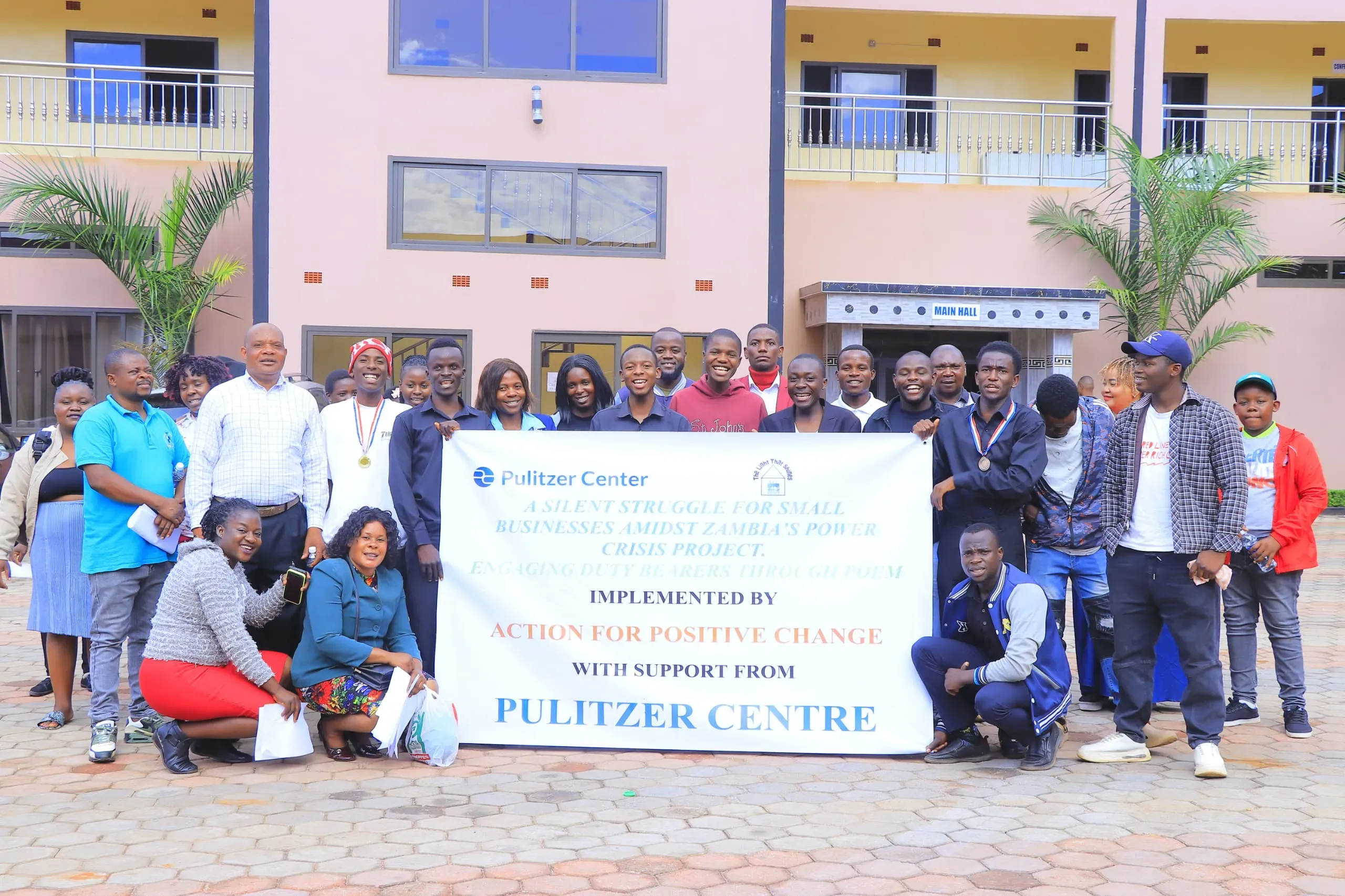
The Pulitzer Center initiative Helping Rural Communities Build Resilience launched with the support of the Leona M. and Harry B. Helmsley Charitable Trust, and is dedicated to spotlighting critical issues affecting communities in Ghana, Zambia, Ethiopia, and Burkina Faso.
The initiative’s core objective is to drive systemic change by raising awareness and inspiring action on interconnected challenges. These include water and sanitation, maternal health, food security, land degradation, and climate resilience. Its vision is to forge deep collaborations with local and regional journalists while implementing a powerful outreach strategy that amplifies impactful reporting, fosters dialogue, and catalyzes informed responses from both communities and policymakers.
Targeting the New Generation: Youth as Agents of Change
A central pillar of the initiative is to engage youth in urban and semi-urban areas as its primary audience. Recognizing young people as both today’s digital media consumers and tomorrow’s leaders, the program aims to harness their curiosity and energy.
The rationale is clear: Youth are increasingly concerned with issues of personal and national well-being and are adept at navigating online information ecosystems. The initiative seeks to transform this engagement into a positive force, using journalism as a foundation to build knowledge and inspire young people to become bridges of awareness between urban centers and rural communities.
A Multi-Platform Engagement Program: From Knowledge to Action
To translate this vision into reality, the initiative deploys the flagship Knowledge and Action Talks (KAT) program, which aims to encourage learning, create open discussion spaces, and inspire concrete action for change among young audiences through a series of interconnected activities designed to inform, engage, and mobilize:
- Webinar and workshop series: A series of webinars will bring together journalists, activists, young professionals, and association members to delve into urgent issues highlighted in Pulitzer Center-supported reporting. These sessions are designed as interactive forums for exchanging ideas and sharing lived experiences.
- Digital youth competitions: Launched alongside the webinars, these competitions will challenge youth groups and associations to creatively use journalistic work to design and propose innovative awareness campaigns within their own communities.
- Participatory radio programs: Leveraging the power and reach of local radio, live debate shows will be produced in partner countries. These programs invite listeners to interact directly with policymakers and experts, ensuring journalism reaches beyond urban centers into the heart of rural areas.
Local Partnerships: The Foundation of Success
The success of the initiative hinges on strong local collaboration. The Pulitzer Center has established partnerships with local organizations in Ghana, Zambia, Ethiopia, and Burkina Faso: the four target countries whose values align with the program's mission.
Partner profiles include independent radio stations developing participatory formats to engage young audiences, civil society organizations or media outlets with proven capacity to organize compelling webinars and digital competitions, and groups capable of overseeing high-quality, interactive radio programming.
These partnerships will be anchored in a shared commitment to the Pulitzer Center’s core values and ethics, ensuring the work is conducted with integrity, independence, and a focus on community impact.
Expected Outcomes: A Ripple Effect for Journalism
Through this comprehensive approach, the Pulitzer Center expects to achieve significant, measurable results:
- Amplified awareness: Raising awareness among international, regional, and local stakeholders about underreported systemic issues, reaching a broad youth audience via radio and digital platforms.
- Informed and inspired youths: Engaging a new generation to understand crucial regional issues, appreciate the role of investigative journalism, and see themselves as active participants in their information ecosystem.
- Catalyzed dialogue and action: Facilitating transparent, informed public dialogues that bring communities and decision-makers closer together, moving from awareness to inspired community and policy responses that improve living conditions.
By merging in-depth journalism with strategic, youth-centred engagement, the Helping Rural Communities Build Resilience initiative aims to create a powerful multiplier effect, ensuring that journalism not only informs but also transforms, building a more resilient and informed future for communities across sub-Saharan Africa.
