Pulitzer Center Update October 7, 2025
Health Reporting Inspires Students in Spanish Classes To Enter Pulitzer Center Letter Contest
Country:

Lesson Plan
La Salud: Un Derecho Humano
Students consider health as a human right by analyzing an article about access to health care in a Spanish-Speaking country, review how to write a formal letter, and then write a formal letter to a...
Maria Eugenia Zelaya is an IB Spanish Teacher and CAS coordinator for high school students in Gainesville, Florida. Zelaya created the lesson plan “La Salud: Un derecho humano” as part of the fall 2024 Pulitzer Center Teacher Fellowship Program “Making Local Connections to Global Health Stories.” Click here to view the full lesson.
Her two-day lesson plan reached 69 fourth-year students at Eastside High School in Gainesville, Florida, and led 42 students to submit to the Pulitzer Center’s Local Letters for Global Change Contest. At the conclusion of the Fellowship, Zelaya shared the following reflections on her experience developing and teaching the lesson.
What is the focus of your lesson plan, and why did you write this lesson for your community?
I wrote this lesson as part of a larger unit on human rights. The idea was to first introduce students to the concept of global health as one of the basic human rights. The students brainstormed words that came to mind when we mention global health. They also answered the question, “Who is responsible for the health of the community?” This lesson allowed the students to think not just about global health, but also about local health. I believe this lesson was extremely valuable to the students for two main reasons: reading and writing in the target language about global/local issues and connecting global issues (such as global health) with their local community.
How did you build this lesson with your community in mind?
My students are part of the IB program, and they are taking either Spanish B SL or Spanish B HL. Our school serves the east of Gainesville and has several programs: International Baccalaureate, Institute of Culinary Arts, Medical Skills program, 3DE program, and the regular high school program. I developed this lesson as part of a larger unit on human rights that I teach under the IB Language B theme: Sharing the Planet. This lesson is for students that are in their fourth year of Spanish class, as it requires them to read newspaper articles in Spanish, as well as write a formal letter.
What did your students learn while engaging with the lesson?
The comments of my students during the brainstorming of global health topics was very interesting. A lot of them mentioned access to food, drinking water, and exercise as important global health topics. This was interesting because they connected global health immediately to their local community and the food deserts. As part of the lesson, the students wrote letters to an elected official who could potentially help with the issue they read about.
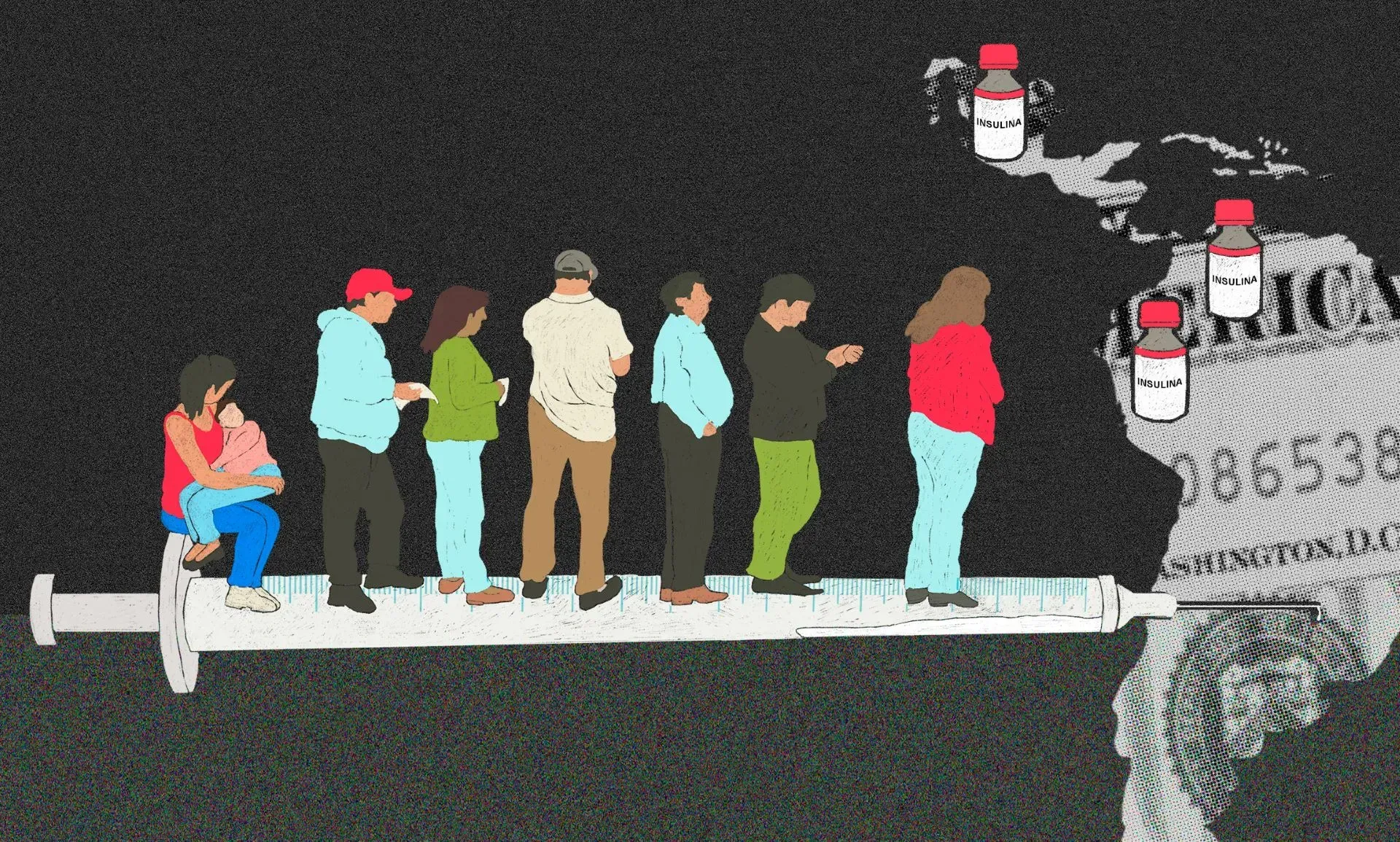
One of the students wrote to our major and used one of the articles about diabetes and the cost of insulin. He connected the issue with food deserts and the lack of healthy food options in the east part of the city, where our school is located. He mentioned the case of one of the students at our school who passed away in his sleep for unknown reasons but that unfortunately did not have the best options when it came to healthy food choices in his community.
"I learned a lot about the issues that plague the drug production field. I particularly enjoyed reading about the differing opinions on whether or not Puerto Rico should be involved in drug manufacture because it was very interesting to see how an issue that pertains to everyone globally is viewed."
—Student from Eastside HS
What were your takeaways from this experience, and what advice do you have for other educators who may want to engage with your lesson?
This experience has been more than I expected. I enjoyed every virtual meeting we had and all the speakers. I truly value the time we had with the journalists and how well they explained their research and writing processes. It was great to see how they made connections with the communities they were writing about and followed up to keep helping them address the issues.
For other educators, my advice is to give the students the opportunity to express their ideas on issues they care deeply about and give them the tools to contribute to the solution. Use the Local Letters for Global Change contest in your classes; this is a very rewarding experience for your students.
As part of the fall 2024 Fellowship, “Making Local Connections to Global Health Stories,” 14 educators from nine states created and taught lessons to engage their over 1,500 students in projects inspired by global health reporting.
Click here to learn more about the Fellows and their collective impact.


