Pulitzer Center Update February 13, 2025
Exhibit Explores One of World’s Largest Wetlands—and the Costs of Failure To Restore It
Country:
Project
'Bright Lit Place'
If the 20th century bent nature to human will, the 21st is about undoing the damage. This podcast...


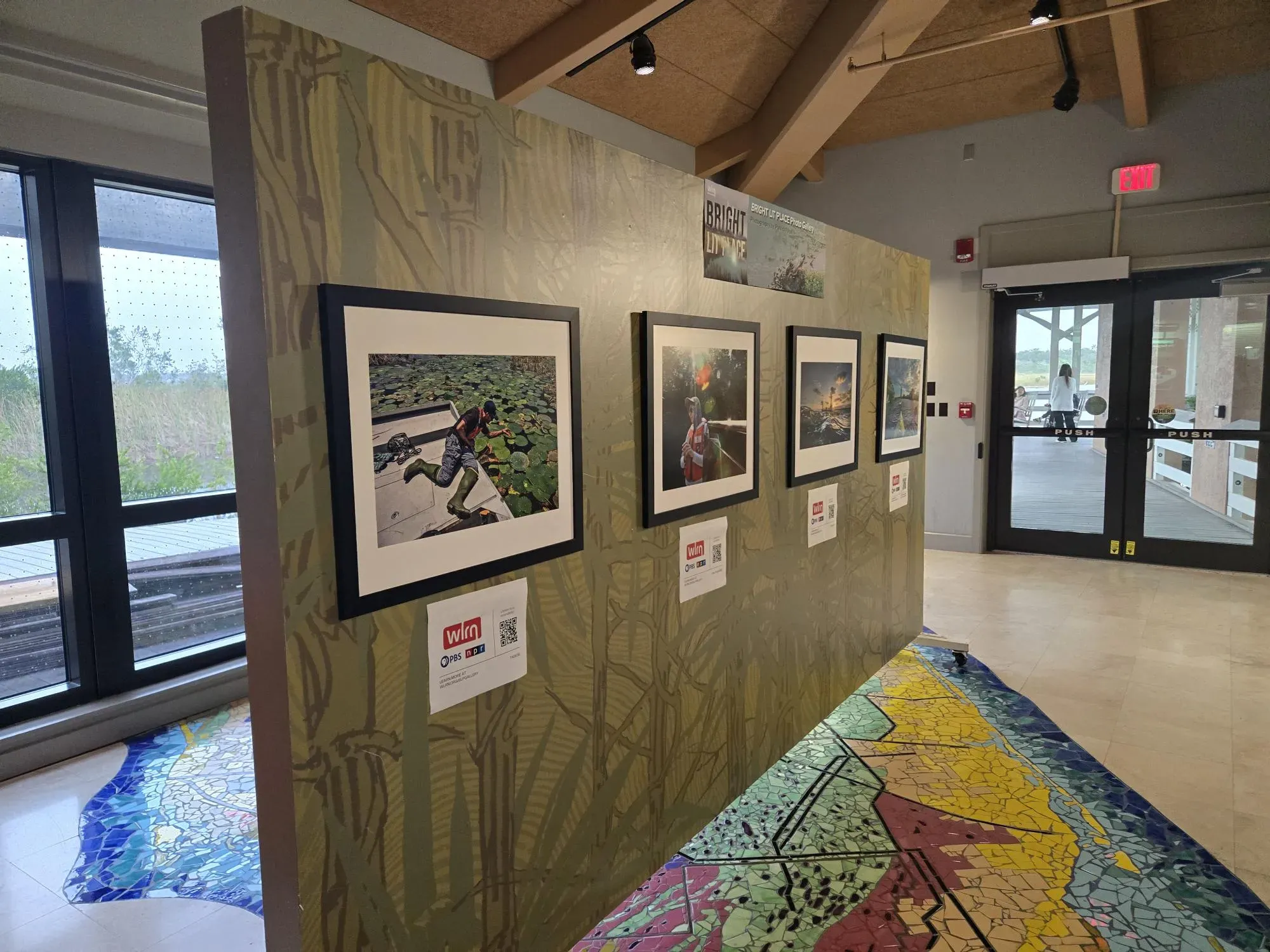
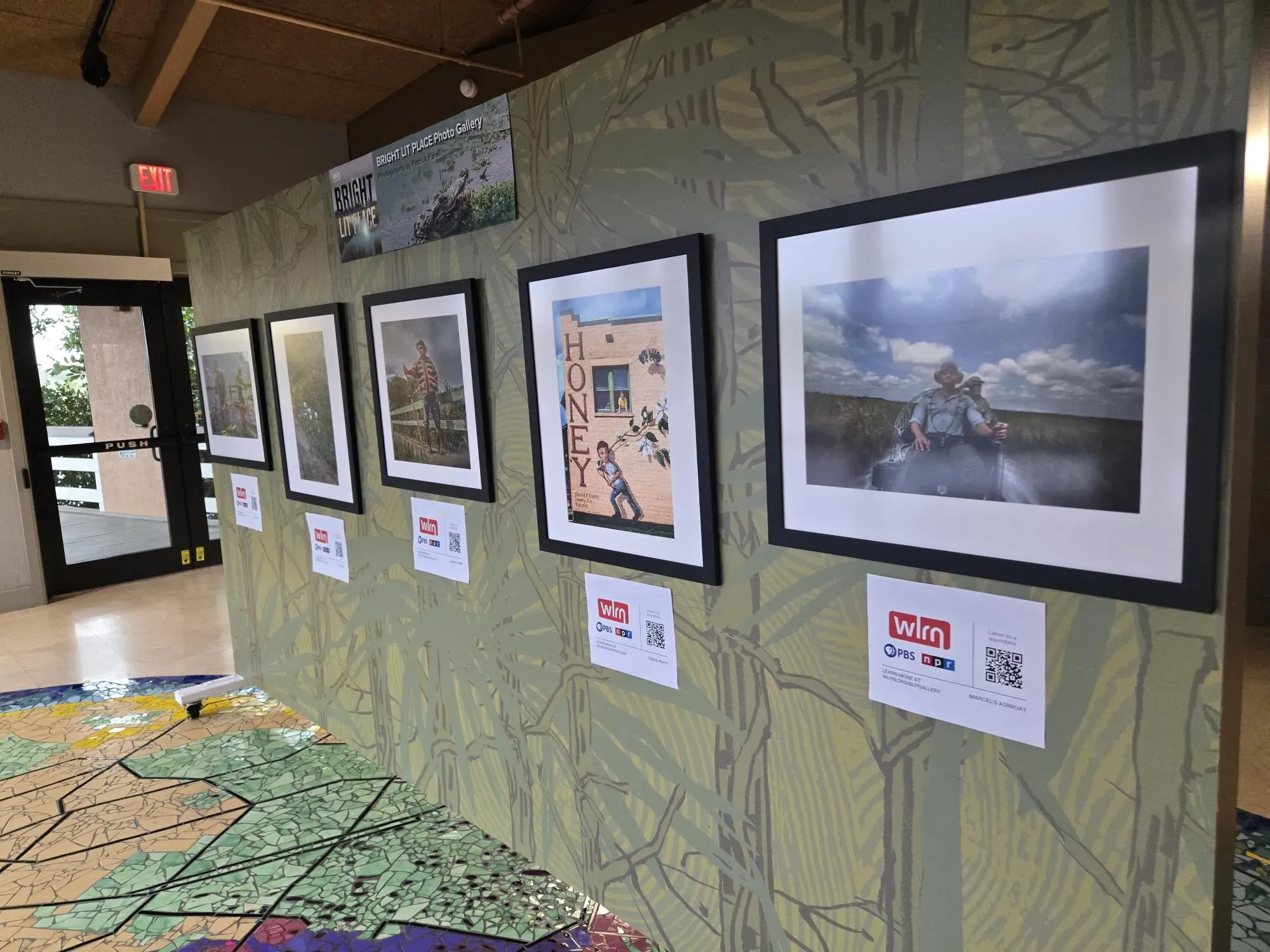
A Miccosukee tribal elder whose homeland is disappearing under water. A beekeeper who laments that the Florida honey industry isn’t flourishing like it was decades ago when her grandfather opened a retail store. A wetlands ecologist who has spent years researching how much phosphorus is too much for a healthy Everglades.
These are some of the characters whose stories are on display for visitors to the Everglades National Park, thanks to a multimedia exhibit based on the WLRN News podcast Bright Lit Place. The reporting project explores the lagging efforts to restore one of the world’s largest wetlands, and the costs of failure. It was produced with support from the Pulitzer Center as part of its Connected Coastlines reporting initiative.
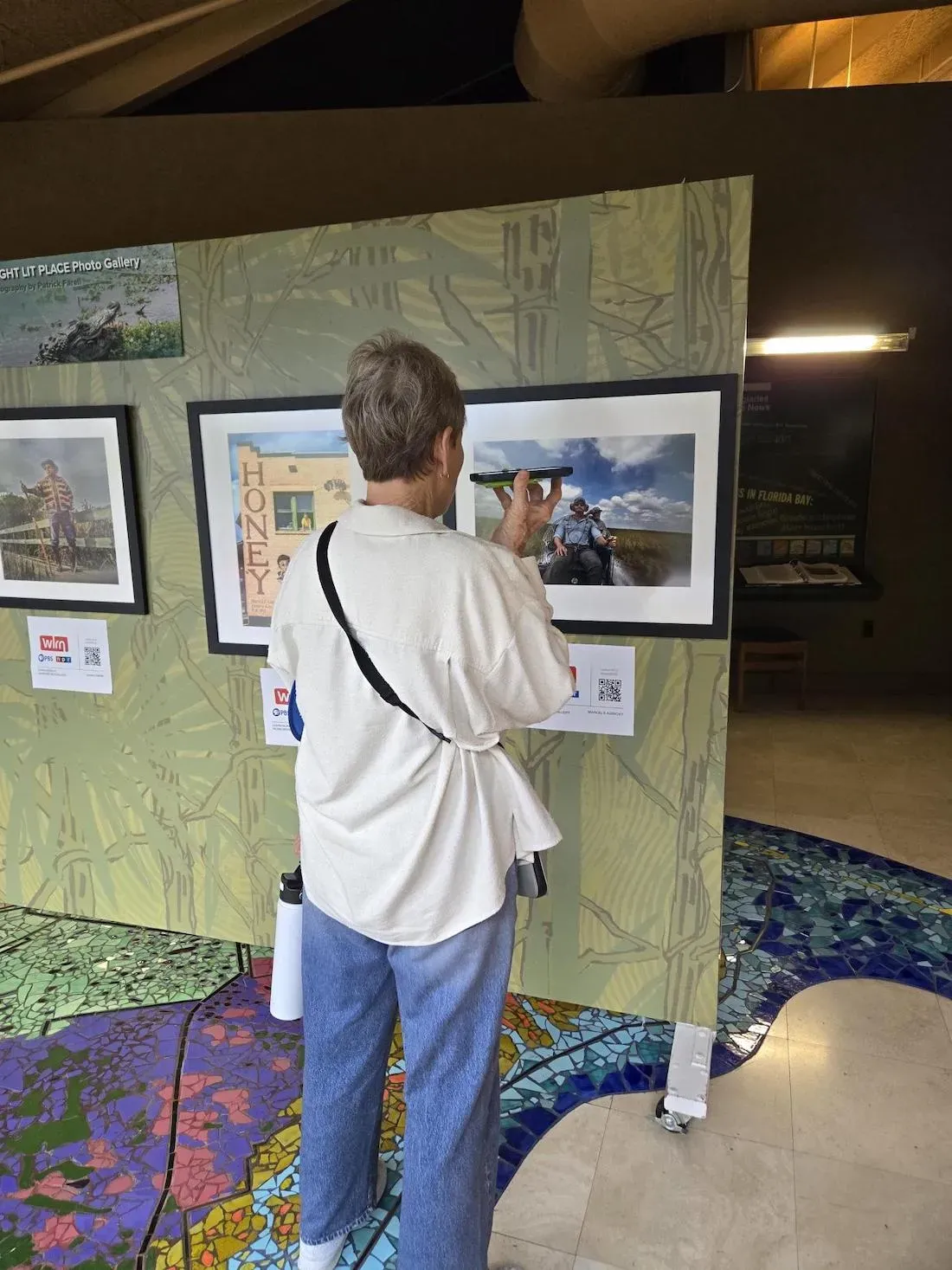
During the exhibit’s opening weekend, January 11-12, more than 3,000 people visited the Ernest F. Coe Visitor Center, where a temporary gallery showcased Pulitzer Prize-winning visual journalist Patrick Farell’s photography. Alongside the photos are QR codes, giving visitors the opportunity to hear the stories of the people pictured in their own words.
On Saturday, January 11, more than 70 people attended a packed discussion led by Jenny Staletovich, WLRN environment editor and Bright Lit Place host and reporter. Staletovich spoke with Dr. Erik Stabenau, restoration sciences branch chief for the National Park Service’s South Florida Natural Resources Center in Homestead.
Stabenau has worked for the federal government for more than two decades. His Everglades restoration work has focused on applied science, using combinations of modeling and observational data to guide water management decisions.
During the hour-long live conversation, Staletovich and Stabenau discussed past and ongoing efforts to restore the Everglades, highlighting progress while also acknowledging the obstacles that continue to stall momentum.
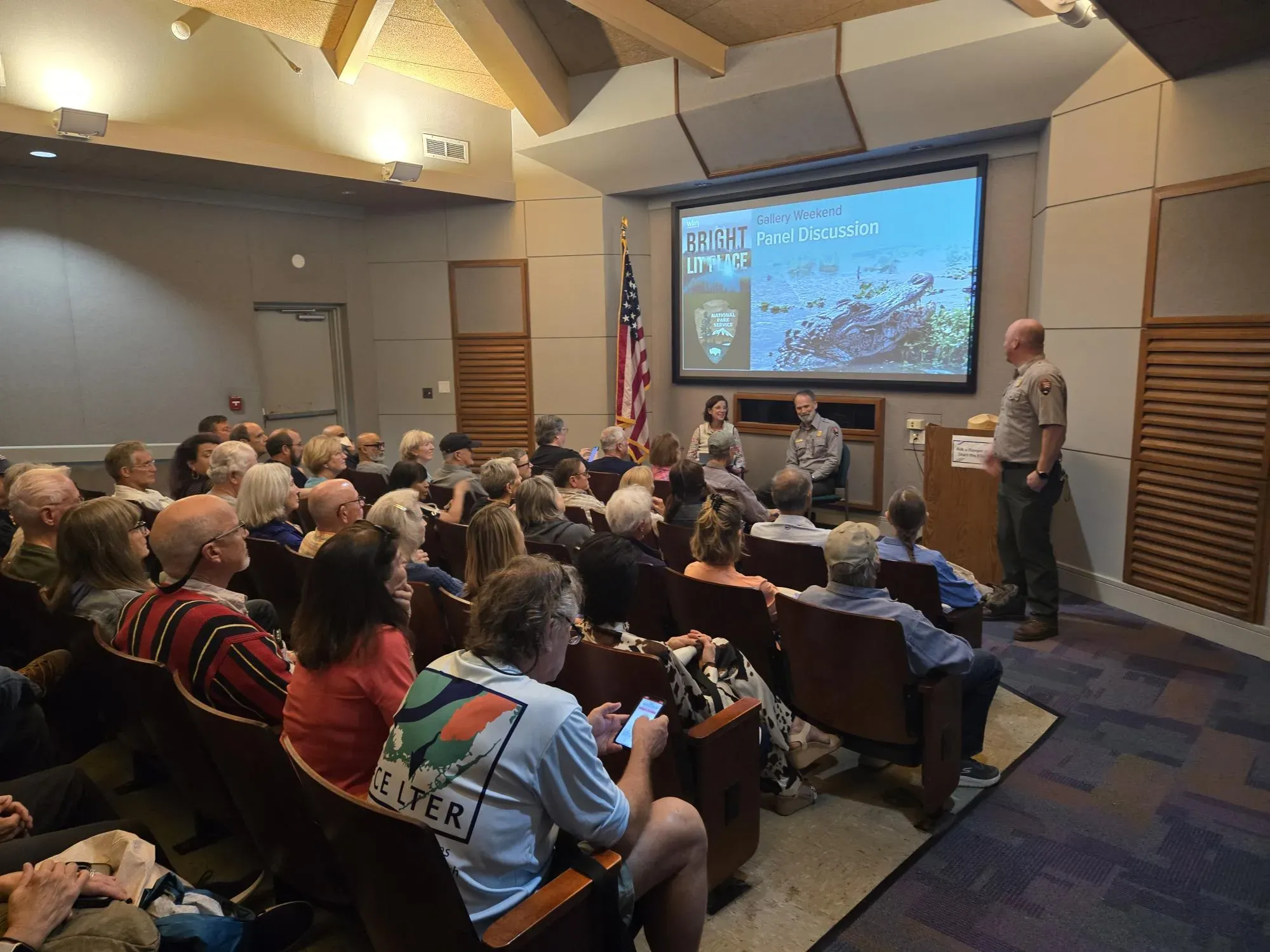
During a question-and-answer session, community members’ hands shot up, with attendees curious to learn how they could make their voices heard in policy decisions that affect the Everglades.
Attendees traveled from across South Florida for the discussion, some driving about 100 miles. Following the conversation was an open-air reception overlooking the swamp, as an alligator could be seen floating in the distance.
Visitor center staff were so thrilled with the response to the exhibit, they decided to extend it by several weeks, when it was originally planned for only a two-day showing. Another National Park Service center and a local public library are hoping to showcase the exhibit next.