Pulitzer Center Update April 9, 2026
Chicago Teachers Use The 1619 Project To Analyze Global News Stories
Country:

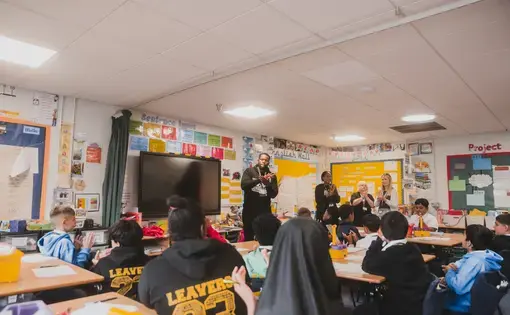
This project examines claims about the absence of Black British culture in classrooms.

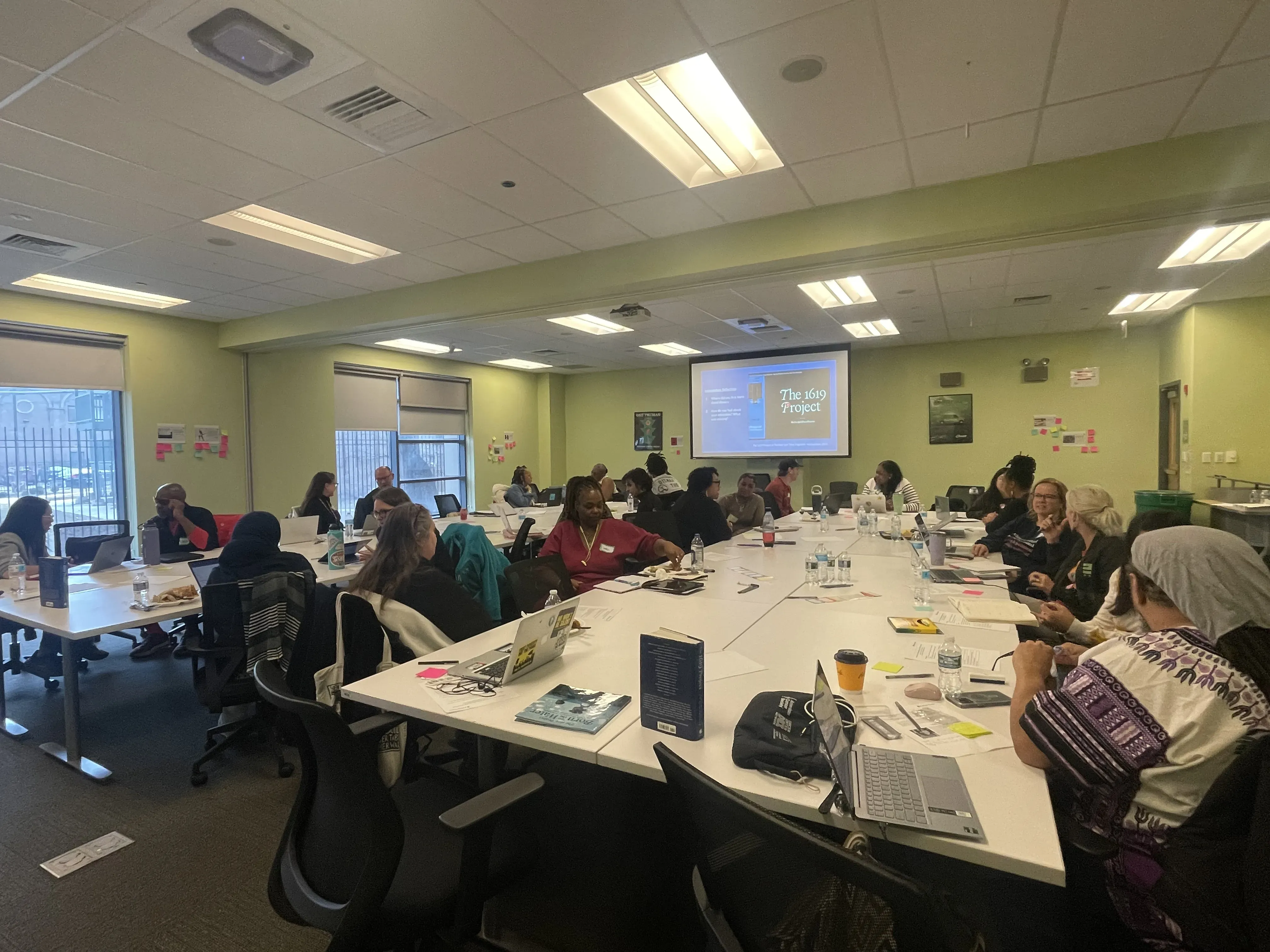
Twenty-four Chicago educators met on February 17, 2026, to attend a workshop exploring racial justice themes in global news stories supported by the Pulitzer Center.
This workshop employed The 1619 Project as a lens to explore global underreported news stories and was designed to advance local engagement with both The 1619 Project and global current events. The event was held at Chicago's Harry S. Truman College, a Pulitzer Center campus partner, and supported by the Julian Grace Foundation.
"This workshop changed my perspective on how slavery is connected to modern life and how marginalized voices must be uplifted," said workshop participant Elizabeth Lampkin.
The workshop attracted interest from Chicagoland educators representing various content areas, grade levels, and neighborhoods. Although most teachers who attended this workshop were familiar with The 1619 Project, a few were engaging with the project for the first time.
About 50% of attendees were new to the Pulitzer Center for programming, while other participants had attended in-person workshops, hosted journalists in their classrooms, or used Pulitzer Center educational resources.
“Thank you for creating a space that treated historical analysis as connected to present-day systems," said Sigourney Boyd-Starks, of Gardeneers Chicago Public Schools. "The integration of journalism and curriculum design was especially valuable and immediately applicable to classroom practice.”
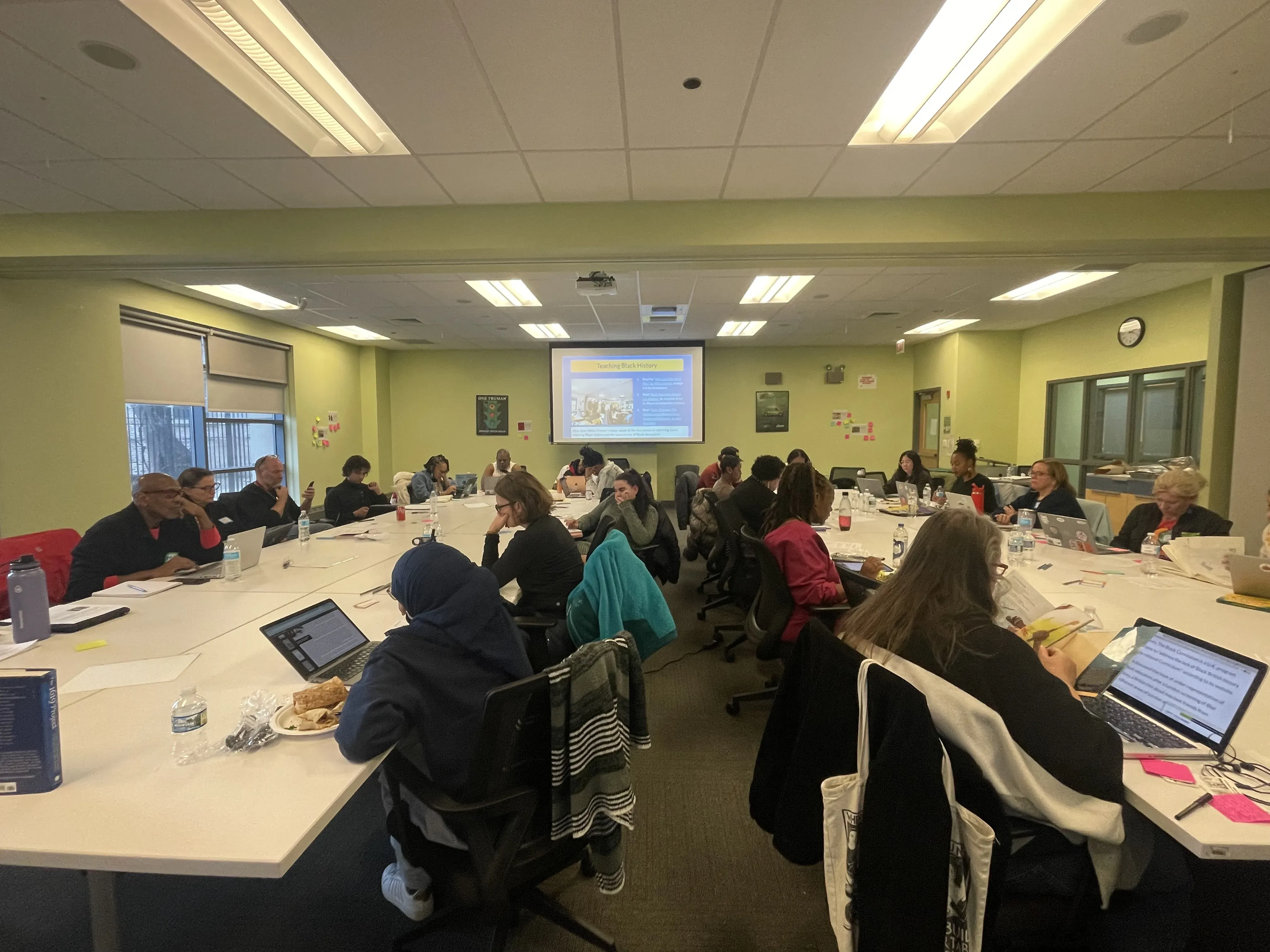
Participants began this workshop by exploring how the themes in the project resonate with contemporary issues in their own classrooms and communities. Then, educators used Nikita Stewart’s essay, “Why Can’t We Teach This?,” in a text analysis activity to explore the responsibility of teaching Black history and how systemic racial prejudice disproportionately affects Black educators in rural America.
Participants then applied their learning to analyze issue-focused reporting alongside a text from the project. Focus issue areas included AI accountability, human rights, and global health.
“I am encouraged so far by the job that the Pulitzer Center is doing as the educator for the seminal 1619 Project," said workshop attendee Daryl Miles. "Keep up the good fight, for our democracy will perish in the darkness.”
About 70% of attendees reported in a post-workshop survey that they increased their understanding of human rights issues, and 66% increased their understanding of racial justice issues as a result of the workshop.
LaNaye Lawson, a special education teacher at Stagg Elementary, said that she learned “how the legacy of slavery is alive now, embedded in many systems that play a key role in people's lives.”
Other attendees shared their thoughts on what they took away from the workshop:
“The need to learn more and the value of gathering resources to investigate underreported histories alongside current events.” – Dorothy Fromal, Chicago Public School substitute teacher
“The ways historical narratives shape present-day systems and policy, particularly how racial injustice is embedded in health, economics, infrastructure, and education. I also deepened my understanding of how journalism can be used as a framework for analyzing power, perspective, and structural inequity across global contexts.” – Sigourney Boyd-Starks, Gardeneers Chicago Public Schools
When asked what attendees liked most about this workshop, participants shared:
“I liked taking time to actively engage with the material. The discussions and discoveries were rich and enlightening.” – Elizabeth Lampkin, CICS Ralph Ellison Academy
“The ability for participants to come together and share their insights and experiences was very powerful.” – Lucas Ortiz-Young, District 97
“There were a ton of resources that were offered, and the invitation to work through some of the resources in bite-sized ways made the plethora of resources manageable.” – Rachael Gruen, Ancona School
“I enjoyed the pair and share. I was able to connect with new peers and discuss the materials and hear about them from different perspectives. I, hopefully, have a new community to resource share.” – Juanita Marquez, National Louis University
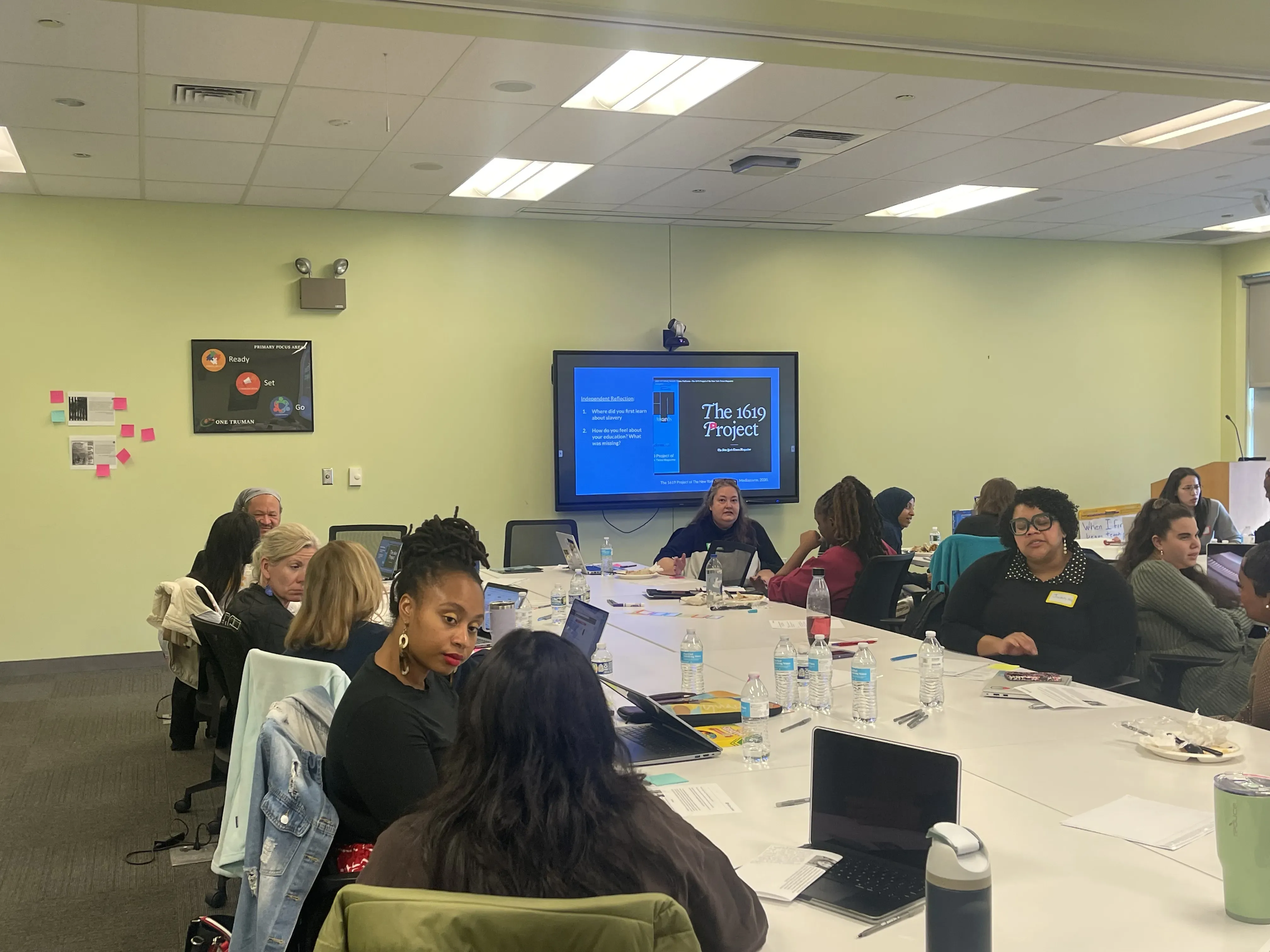
Attendees left the workshop with ideas and activities to introduce to their students and colleagues:
“I plan to share the resources and my key takeaways to my peers in hopes to create conversation and a culture around how to expose this information to our students. [I hope to] begin building a culture around sharing underreported news with our students.” – LaNaye Lawson
“As a curriculum leader, I will integrate more comparative text analysis that centers narrative framing and systems thinking. I plan to incorporate journalism alongside historical texts to help students analyze whose voices are centered, what systems are operating, and how policy decisions shape lived experiences.” – Sigourney Boyd-Starks
“As a project manager of a K-12 grant at Roosevelt University, we are considering and looking for ways to complement projects like that of 1619 to advance civic education and the principles of the American Founding.” – Lucas Ortiz-Young
Read more about past Chicago workshops that explored racial justice and labor rights, artificial intelligence, and civic engagement.