Pulitzer Center Update April 16, 2026
Arizona Students Examine How Policy Influences Women’s Health Around the World
Country:

Argentina has blazed a trail for women’s rights in Latin America, with massive movements against...


Jeron Velasco is a social studies teacher at Dishchii’bikoh Community School in Cibecue, Arizona. Velasco created the lesson plan “Gynephobic Politics: Standing Up To Advance Global Health For Women” as part of the fall 2025 Pulitzer Center Teacher Fellowship “Examining Interconnected Health Inequities Through Global Reporting,” reaching 45 students.
At the conclusion of the Fellowship, Velasco shared the following reflections on her experience developing and teaching the lesson.
What is the focus of your lesson plan, and why did you write this lesson for your community?
I am a cultural exchange teacher from the Philippines with 13 years of teaching experience. I've been teaching in middle school and high school. I also was able to teach some undergraduate courses in a university. I am currently teaching Economics, US History and Government in Dishchii’bikoh High School. My students are mostly from the Sophomores, Juniors and Seniors. They are members of the White Mountain Apache tribe in the community of Cibecue, Arizona. The primary focus of our community school is to preserve the culture, language and heritage of our Apache students through a curriculum that focuses on their community and the skills that they can acquire as they proceed to become leaders of the tribe, labor employees in the greater White Mountain area or proceed to tertiary education.
How did you build this lesson with your community in mind?
My lesson is about the article on the women's movement and social causes amongst Rural and Indigenous communities in Argentina. I also reflected on my lesson the connection of health issues amongst women especially on National expenditure on health life expectancy maternal mortality rate and infant mortality rate. The data, statistics and facts that are sourced from the article about the political change in Argentina together with the of different reliable surveys in the health of Native American peoples directed this lesson to show comparison and differentiate the communities.
This lesson provides the students the understanding on how political policies affect the health of the population especially of women and children in marginalized communities like the indigenous groups and people in the rural areas. This also gives them the idea of how freedom of speech, freedom of the press and freedom of the assembly can cultivate action towards the movement of demanding more attention funding and support to the causes of women's rights and people's welfare.
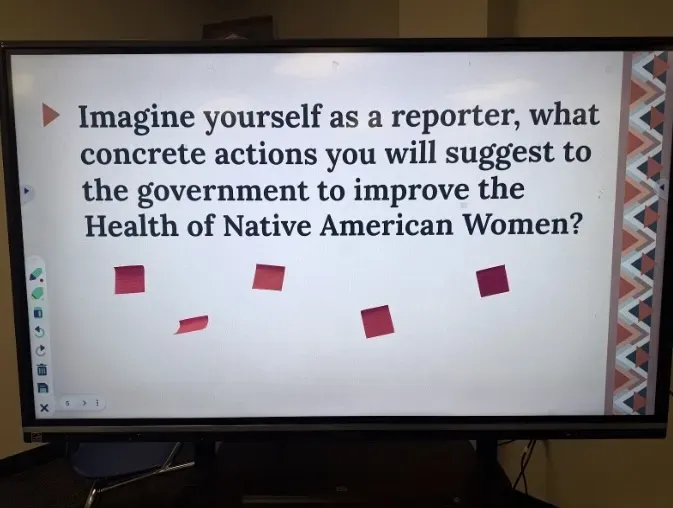
The lesson challenges the students to act on their knowledge from the information they gathered based on the reporting in the research about health issues here in the United States and in Argentina. They have to come up with Concrete Solutions and actions on how to mobilize as a coordinated social group towards demanding Fair health and Medical support from the government and at the same time holding people in power accountable to their policies and especially the government on its programs toward women's health.
What did your students learn while engaging with this lesson?
The students were encouraged to analyze the reporting by first reading the questions so they are aware for the answers they are looking for. Argentina's political landscape shift is the focus of the article and how it affected the health aspect of women especially those in rural areas.
Another skill that the students need to acquire and use in this lesson is their technological and critical thinking skills. They are provided with a worksheet that focuses on the data from the World Health Organization website to compare the expenses, programs and health statistics of the United States and Argentina.
For the cases of Native American communities especially on health statistics, it was more challenging as there is no single website to gather the information from. The students will fill up the columns to compare the health statistics across places from Argentina to the United States and the Native American communities.
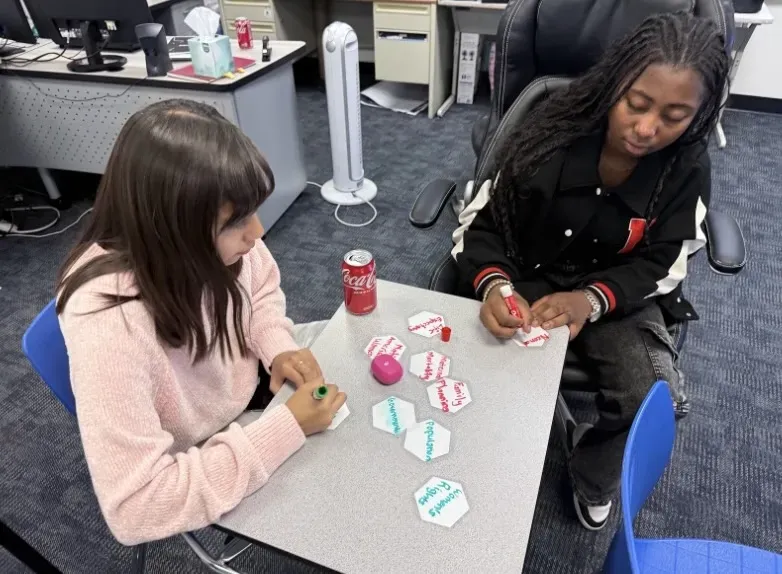
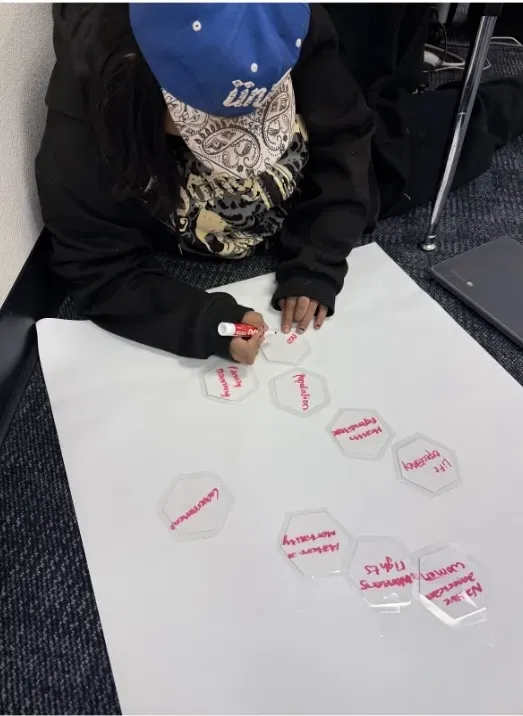
Afterward they will answer higher order thinking critical questions by comparing the data from their accomplished deep-dive table. Another task for the students to connect the information they gathered and make meaning out of it is the hexagonal thinking approach.
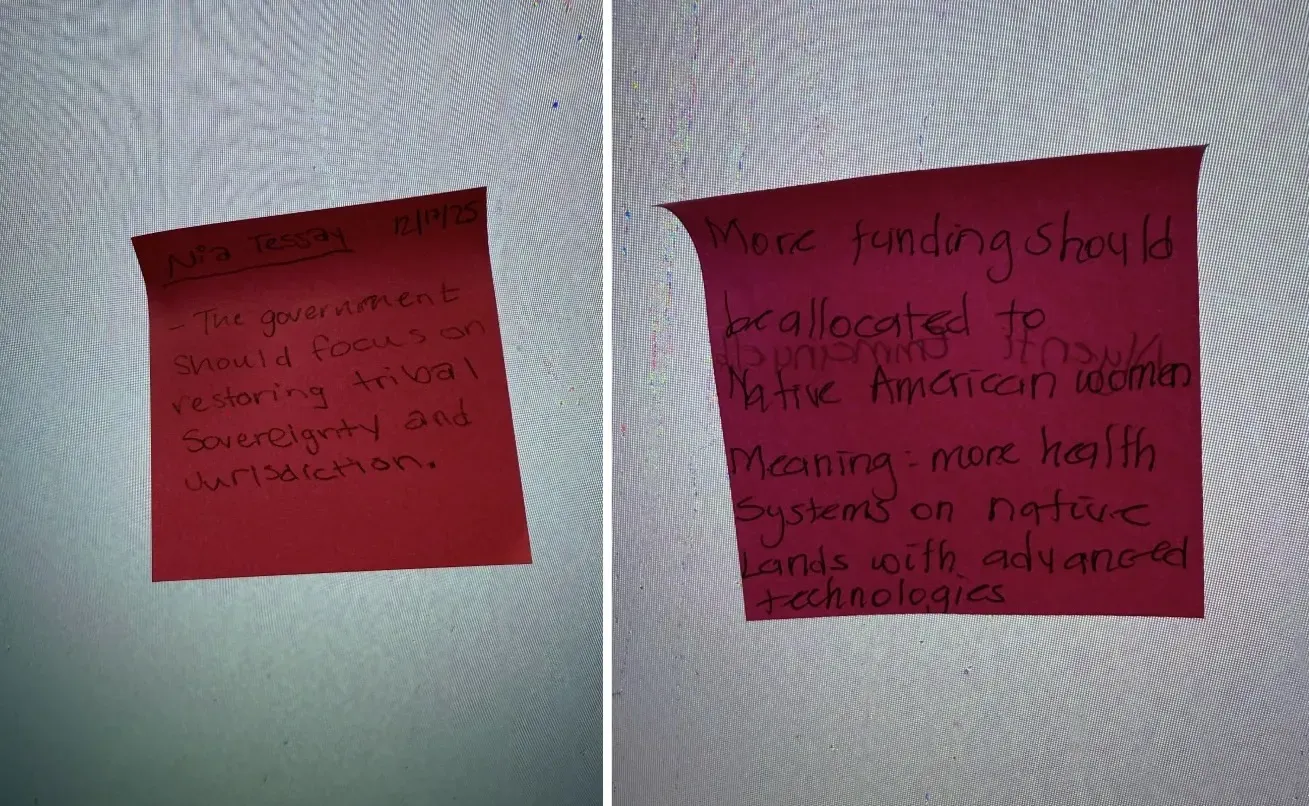
Students has to be in pairs and from the deep dive data Gathering tool they will write down the keywords and place it next to each other by explaining why these keywords are connected and why it is important for government to secure the health aspect of its people from Argentina to the United States then in Native American communities. Teresa said she wants increased funding for the health sector. Nia focuses on the call for increased tribal sovereignty and jurisdiction to address its needs and problems. Another student calls for increased funding for Native American hospitals to avail Advanced Technologies.
What did you learn by creating and teaching this lesson?
As a teacher who is now trained on global reporting especially about health issues by Pulitzer journalists and organizers, I feel there is more to do on researching and reporting and connecting the information we gather online from reliable sources to the lesson we teach on contemporary issues to our students.
It is important to check the angle of the story together with the goal of the lesson and how to bring the interest of the students in their communities to the level of global awareness which will culminate in the formulation of a concrete solution from scaffolding activities to a fruitful project.
Integrating the lessons from the perspective of journalists on the ground it may be from geography, science, politics, economics or social life, is important in projecting a lesson that will give an avenue for the learners to explore and learn the lived experiences of communities and peoples who might be in plain sight are normal realities but on a deeper look and more critical scrutiny has hidden problems and deep-rooted dilemmas which can be discussed by creative lesson plans and meaningful materials to encourage the students in taking a more holistic and integrated approach to their own community's needs and challenges.