Pulitzer Center Update December 19, 2025
2025: A Year in Photos

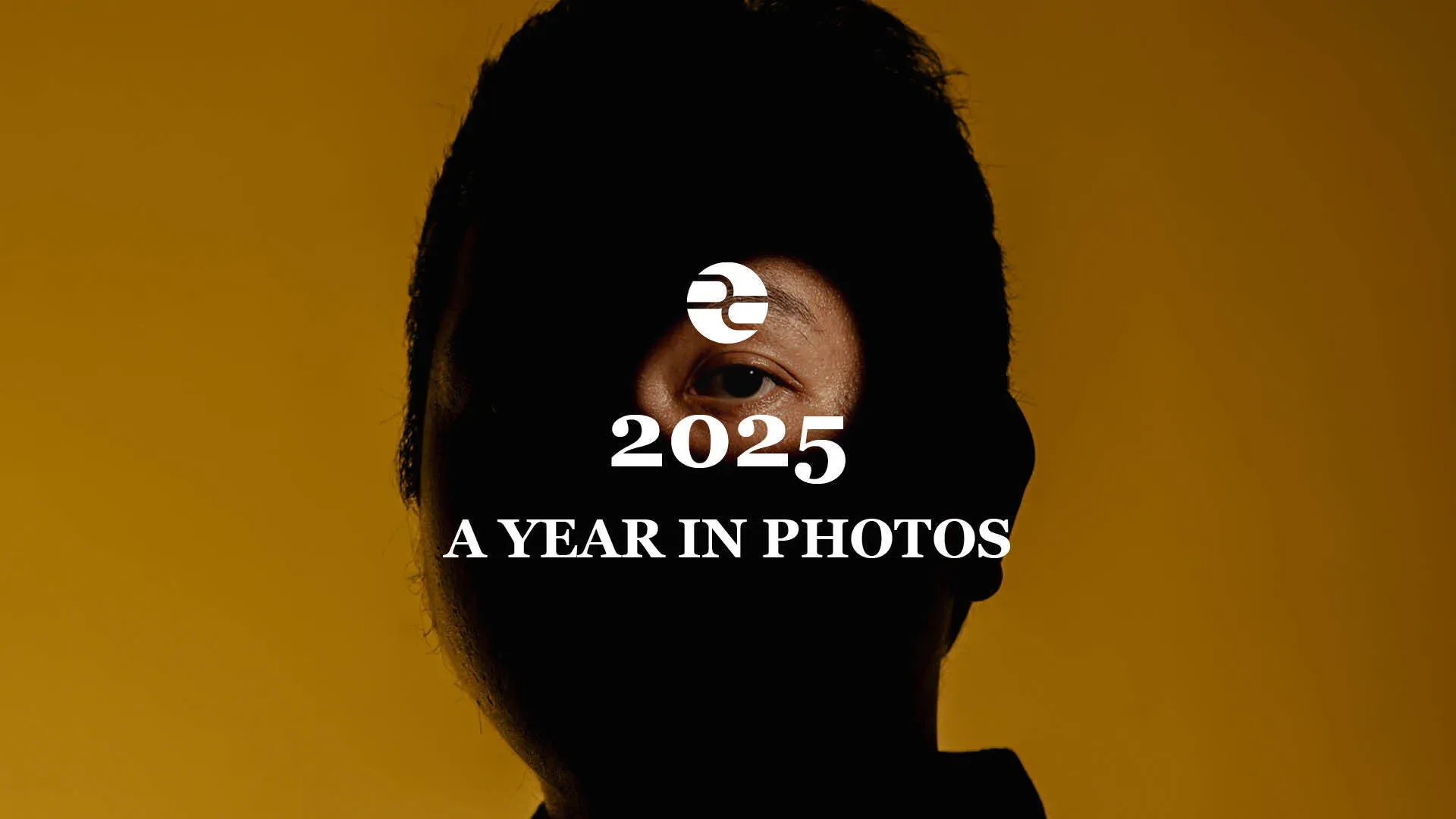
Our annual “Year in Photos” is my favorite way to look back on the year, though some of these photos may not be what you would expect to see on the list. Instead of focusing on top headlines of the year, we curated photos that surprised us, inspired us, and made us think more deeply about a wide range of stories from around the world. We focused less on breaking news and more on photos that give intimate glimpses of daily life. Together, this collection of photographs makes me pause and reflect on this moment in time, and how history will remember 2025.
Photography has a unique ability to foster empathy for people on the other side of the world, whom we have never met and never will, by allowing a peek into their perspective. It is a practice in putting ourselves in someone else’s shoes and viewing the world the way they see it.
“The American writer Susan Sontag once said: ‘To collect photographs is to collect the world.’ That's exactly how I felt joining my formidable colleagues in deciding on Pulitzer Center's 2025 Year in Photos,” said Rozina Breen, Director of Editorial Programs. “I've been a long-time admirer of the photography that the Center supports. The depth and breadth is simply stunning.”
The photographers we support often look for the road less taken: underreported angles, less covered regions, solutions stories, and in-depth investigations. They take their time with a subject and often continue to follow up for years, such as Tatsiana Chypsanava, who spent a decade reporting on the Ngāi Tūhoe tribe in New Zealand. They collaborate with the communities they are reporting on, as Natalie Keyssar did when reporting on the effects of war on teenagers in Ukraine by featuring photos from teen photojournalist Anna Donets (also featured in this report). They look for the behind-the-scenes that the public doesn’t usually see, such as Louie Palu’s series of photo essays on political theater in the U.S. Capitol.
The stories behind the photos are also unexpected: A photo of frogs is actually a global health story about the links between wildlife and human health. A photo of an elderly woman is a story about artificial intelligence, after she was denied a pension due to a faulty algorithm that determines social welfare in Peru. An image of a little girl in a classroom is a climate story, as her school in the Himalayas was destroyed by flooding from melting glaciers. These images show us the very real effects of big issues, like climate change and AI, that can feel vague and distant until we see how people’s lives are directly affected.
Curating this report was difficult, but rewarding, because of the number and quality of photos to consider. However, it was a wonderful exercise in collaboration. It is remarkable how even when looking at the same image at the same time, each of us noticed something different. We paused to carefully contemplate each image, and I encourage you to do the same: In an increasingly chaotic media environment where every click competes for our attention, there is something restorative about slowing down and examining the photos the way you would at an art museum.
We hope these photos also inspire you to read more about the stories that call your interest. To me, they are a reminder that we have more in common than what sets us apart. Thank you for reflecting on the year with us.
This message appeared in the December 19, 2025, edition of the Pulitzer Center's weekly newsletter. Every week, we feature a photograph from a Pulitzer Center-supported story. Subscribe today.

