

This thematic guide was created as a resource for the 1619 Global Connections Series. It highlights 1619 Project materials, Pulitzer Center journalism, and curricular resources connected to the theme of Elevating Critical Voices in Conflict. The 1619 Global Connections Series was a professional development series designed to equip educators with resources and strategies for connecting themes from The 1619 Project to underreported stories on pressing global issues
STRUCTURE
During the Elevating Critical Voices in Conflict Global Connections Workshop, educators explored ways to use The 1619 Project, other journalism projects, and creative tools to engage students in critical thinking about the human impacts of peace and conflict. Educators engaged with the question of how journalism can introduce underrepresented perspectives to help students explore multiple pathways to peace. It also utilizes materials from The 1619 Project to explore the history of enslavement through a lens of peace and conflict. This digital version of the Global Connections Series audience guide showcases the resources curated for the workshop and supports educators' continued exploration of the same question.
- The Questions for Consideration tab includes questions developed for audience reflection and discussion during the workshop.
- The 1619 Materials tab highlights individual essays, creative works, and digital media from The 1619 Project related to the theme of Elevating Critical Voices in Conflict.
- The Pulitzer Center Journalism tab includes the stories used to anchor the workshop conversation and other tools to support peace and conflict reporting.
- The Curricular Resources tab spotlights lesson plans and other instructional material related to the theme of peace and conflict.
The questions below can support educator reflections about why peace and conflict can be critical issues to explore with students and the important role journalism can play in that exploration. Educators new to The 1619 Project can also explore our Tips for Teaching 1619 to support utilization of these resources in a way that connects and empowers all students in the learning environment.
BEFORE RESOURCE EXPLORATION
AFTER RESOURCE EXPLORATION
These materials from The 1619 Project can be used to help students think critically about the history of enslavement in the United States through the lens of peace and conflict. The highlighted materials are not an exhaustive list and should be used as supplementary to other learning tools. Educators can find detailed resource guides for these and most 1619 Project materials in our 1619 Project Resource Guide Collection.
FROM THE ORIGINAL PUBLICATIONS IN THE NEW YORK TIMES MAGAZINE
The focus story below is the one highlighted as a part of the Elevating Critical Voices in Conflict Global Connections workshop. The journalist conversation about this reporting is available as a Webinar On Demand. You can find additional reporting related to this issue at pulitzercenter.org.
FOCUS REPORTING
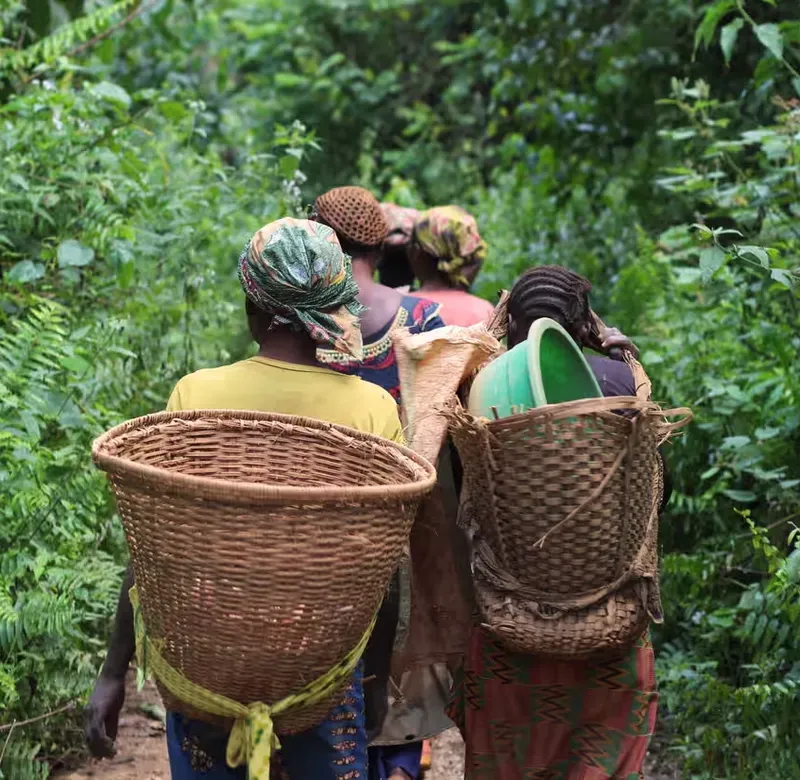
Our Minerals, Your Rules
Supply chain traceability schemes are failing to improve the lives of artisanal miners in the Democratic Republic of Congo.
ADDITIONAL RESOURCES

HUMAN RIGHTS TOPIC
Racial Justice Reporting
The Pulitzer Center is committed to supporting journalism that addresses systemic racism in the U.S. and around the world, while telling stories of resilience and creative solutions.
FOCUS AREA
Peace and Conflict
The Pulitzer Center's Peace and Conflict initiatives support journalism and audience engagement on the roots of conflict and its connections with many underreported global issues, from mass migration to authoritarianism, to gender violence, and the struggle over natural resources. Pulitzer Center journalists sustain attention on global conflicts and investigate pathways to peace.
RESOURCES
Reporting Toolkits & Methodologies
Explore methods and tools used by Pulitzer Center fellows and grantees that can serve as blueprints for your Peace and Conflict reporting projects.
These curricular resources are curated from the lesson libraries on the 1619 Education and Pulitzer Center websites. The resources can support classroom engagement with either 1619 Project material or Pulitzer Center supported journalism connected to the key focus area. The curricular resources can help strengthen skills such as critical thinking, media literacy, communication and empathy.
FROM THE 1619 EDUCATION MATERIALS COLLECTION
HUMAN RIGHTS RESOURCE
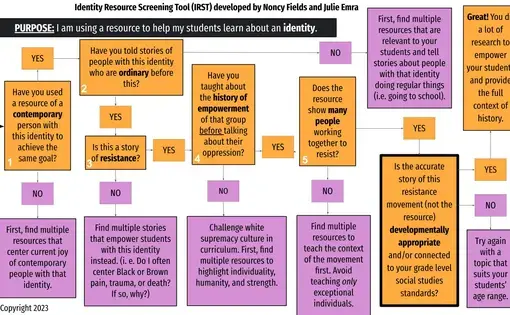
Identity Resource Screening Tool
Educators from the 2021 Network Cohort share a screening tool they developed to support other educators teaching about marginalized identities and group resistance to oppression.
HUMAN RIGHTS UNIT PLAN
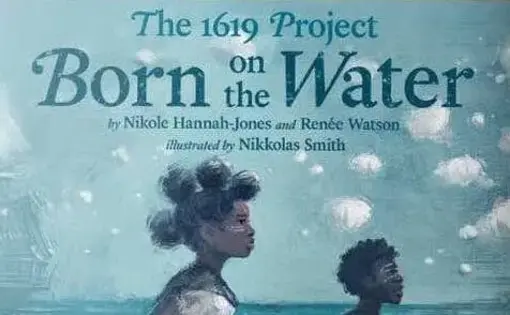
Uncovering and Reclaiming Historical Identities
Starting in West Africa in the 1500s, students challenge their preconceptions about Africa as they uncover the diverse cultures, communities, and histories about the continent.
HUMAN RIGHTS UNIT PLAN
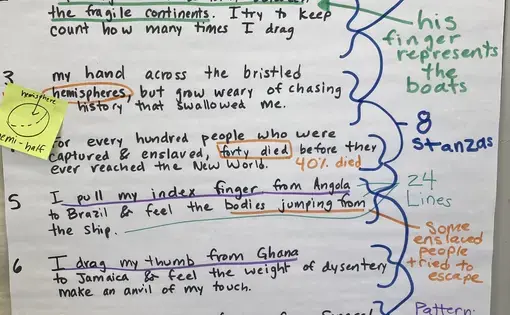
Before and After: Transatlantic Exchanges and Outcomes
Students apply literacy and writing skills to investigate the impact of the Columbian Exchange, colonization, and Transatlantic slave trade on the world’s economy and culture.
HUMAN RIGHTS UNIT PLAN
Learning and Teaching About Enslavement
Students reflect on histories of enslavement, analyze enslavement systems, and use a Structured-Academic Controversy protocol to argue for how the history of enslavement should be taught.
HUMAN RIGHTS UNIT PLAN
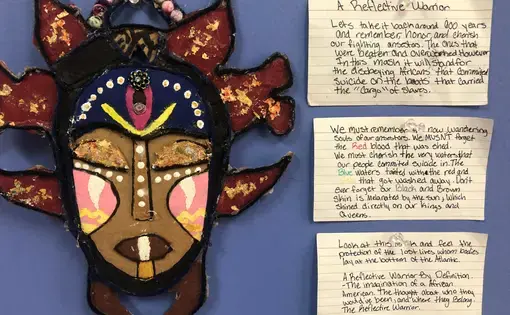
Atlantic Slave War: Investigating the Origins and History
Students create artistic memorials honoring enslaved Africans after exploring the origins and development of the Atlantic Slave War, forms of control used by enslavers, and forms of Black resistance.
HUMAN RIGHTS UNIT PLAN
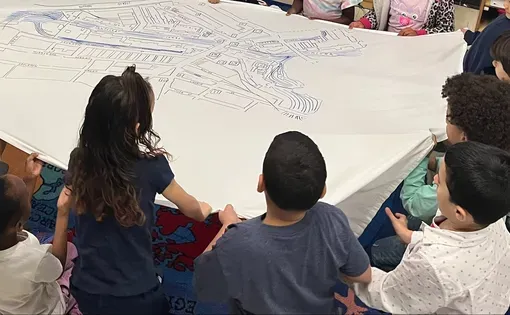
Resistance and Resilience in Lowell, MA
Kindergarten and first grade students explore concepts of enslavement, resistance, and racial justice through an analysis of primary source documents reflecting resistance to slavery in Lowell, MA.
HUMAN RIGHTS UNIT PLAN
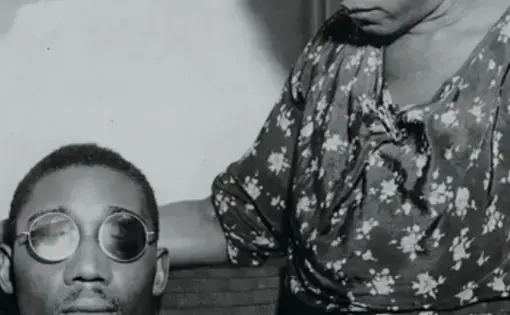
The Skin I'm In Is Not a Weapon
Students examine the historical context of racism by tracking the evolving relationship between Black Americans and governing structures in the United States.
HUMAN RIGHTS UNIT PLAN
Antebellum, Civil War & Reconstruction: How did slavery shape American society?
Students in North Carolina study significant periods in the state's history and consider the long lasting legacy of slavery in all the United States today.
HUMAN RIGHTS UNIT PLAN
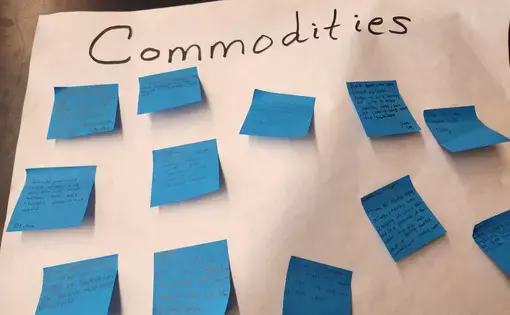
Commodities, Contributions, and Compensation
Students examine the commodification of the labor of enslaved Black Americans, explore their contributions to the formation of American democracy, and examine arguments for and against reparations.
FROM THE PULITZER CENTER LESSON LIBRARY
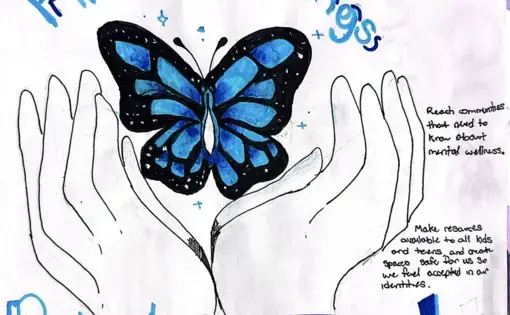
HUMAN RIGHTS LESSON PLAN
Harmfully Relevant History
Students explore how events from the past influence the present, how rhetoric can be used to inspire empathy, and how journalism/media can be used as a tool for justice and reform.
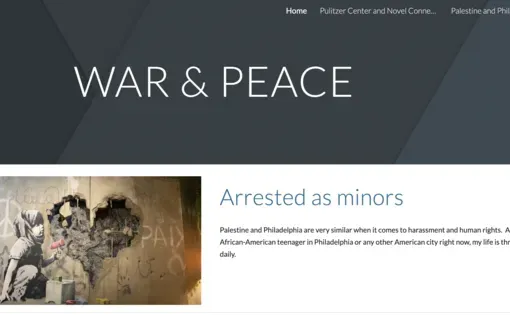
PEACE & CONFLICT LESSON PLAN
What Is the Cycle of War and Peace?
Students engage with underreported news stories, excerpts from books that explore the theme of conflict and peace, and local stories to create a project exploring cycles of conflict and peace.
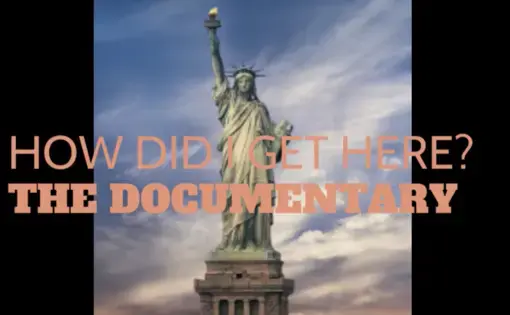
HUMAN RIGHTS LESSON PLAN
The Journey: My Family and How They Got Here
Students analyze a series of first person narratives of immigrants and migrants and then capture stories of migration from their own family in short documentary films.
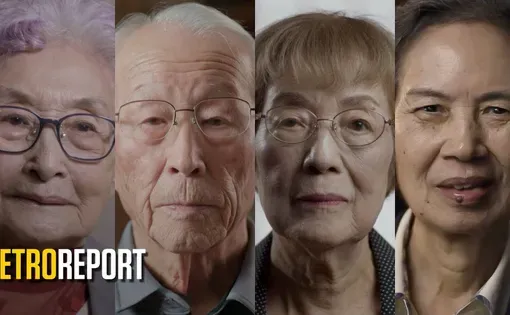
PEACE & CONFLICT RESOURCE
What Japan’s Atom Bomb Survivors Have Taught Us About the Dangers of Nuclear War
This resource guide includes lessons, videos, and additional texts to support student engagement with the Retro Report short film, “What Japan’s Atom Bomb Survivors Have Taught Us About the Dangers of Nuclear War.”
PEACE & CONFLICT LESSON PLAN
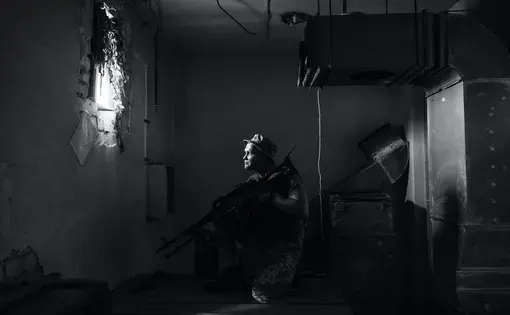
Contextualizing the Crisis in Ukraine
Students analyze reporting on conflict and Russian intervention in Ukraine over the past several years to gain context for the current crisis.
PEACE & CONFLICT LESSON PLAN
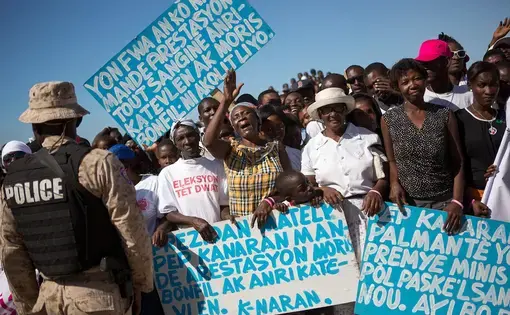
Beyond the Headlines: Humanitarian Crisis in Haiti
Students learn about the current humanitarian crisis in Haiti and explore its connection to foreign exploitation through the legacy of French colonial rule, debts, and military interventions.
PEACE & CONFLICT LESSON PLAN
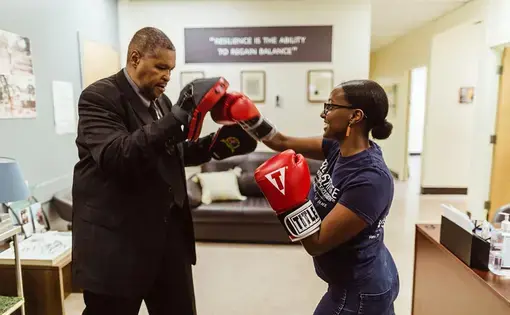
Examining Peacebuilding as a Framework
Students will examine peacebuilding efforts in Chicago and Colombia, looking at how peacebuilding can be used as a framework to address the underlying causes of conflict, heal trauma, and prevent the recurrence of conflict.
PEACE & CONFLICT LESSON PLAN
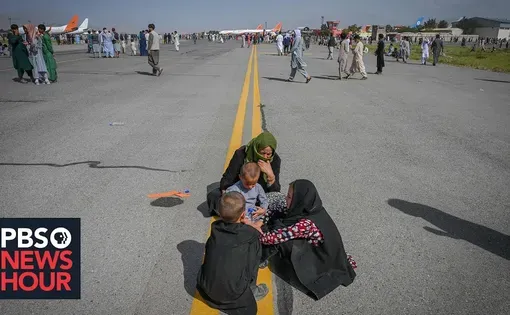
Understanding the Humanitarian Crisis in Afghanistan
Students will examine short videos from PBS NewsHour to understand factors that led to the humanitarian crisis in Afghanistan.