
This thematic guide was created as a resource for the 1619 Global Connections Series. It highlights 1619 Project materials, Pulitzer Center journalism, and curricular resources connected to the theme of Envisioning Healthy Black Futures. The 1619 Global Connections Series was a professional development series designed to equip educators with resources and strategies for connecting themes from The 1619 Project to underreported stories on pressing global issues.
STRUCTURE
During the Envisioning Healthy Black Futures Global Connections Workshop, educators explored ways to use The 1619 Project, other journalism projects, and creative tools to engage students in critical thinking about the human impacts of climate and environment. Educators engaged with the question of how journalism can help students recognize historical and present-day racial inequities in health, and envision a better future. This digital version of the Global Connections Series audience guide showcases the resources curated for the workshop and supports educators' continued exploration of the same question.
- The Questions for Consideration section includes questions developed for audience reflection and discussion during the workshop.
- The 1619 Materials section highlights individual essays, creative works, and digital media from The 1619 Project related to the themes of Medical Racism and Healthy Black Futures.
- The Pulitzer Center Journalism section includes the stories used to anchor the workshop conversation and other tools to support global health reporting.
- The Curricular Resources section spotlights lesson plans and other instructional material related to the theme of global health.
The questions below can support educator reflections about why global health can be a critical issue to explore with students and the important role journalism can play in that exploration. Educators new to The 1619 Project can also explore our Tips for Teaching 1619 to support utilization of these resources in a way that connects and empowers all students in the learning environment.
BEFORE RESOURCE EXPLORATION
AFTER RESOURCE EXPLORATION
These materials from The 1619 Project can be used to help students think critically about the history of medical racism and its impact on global health equity. The highlighted materials are not an exhaustive list and should be used as supplementary to other learning tools. Educators can find detailed resource guides for these and most 1619 Project materials in our 1619 Project Resource Guide Collection.
FROM THE ORIGINAL PUBLICATIONS IN THE NEW YORK TIMES MAGAZINE
The focus stories below are the ones highlighted as a part of the Envisioning Healthy Black Futures Global Connections workshop. The journalist conversation about this reporting is available as a Webinar On Demand. You can find additional reporting related to this issue at pulitzercenter.org.
FOCUS REPORTING
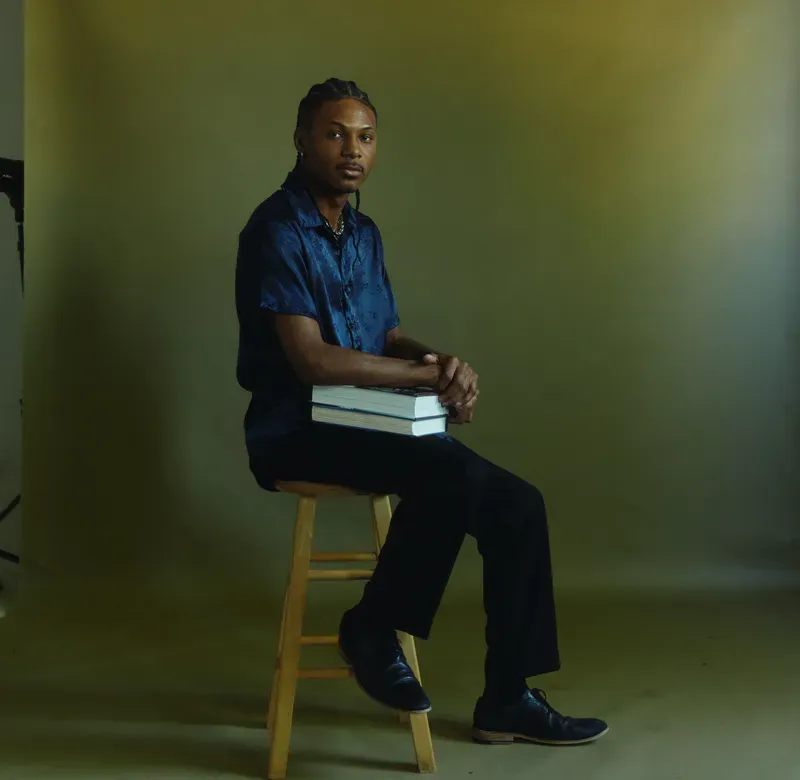
Under Pressure: The Hidden Cost of Being a Black Teacher in Mississippi
Black teachers are on the front lines of an increasingly hostile landscape.
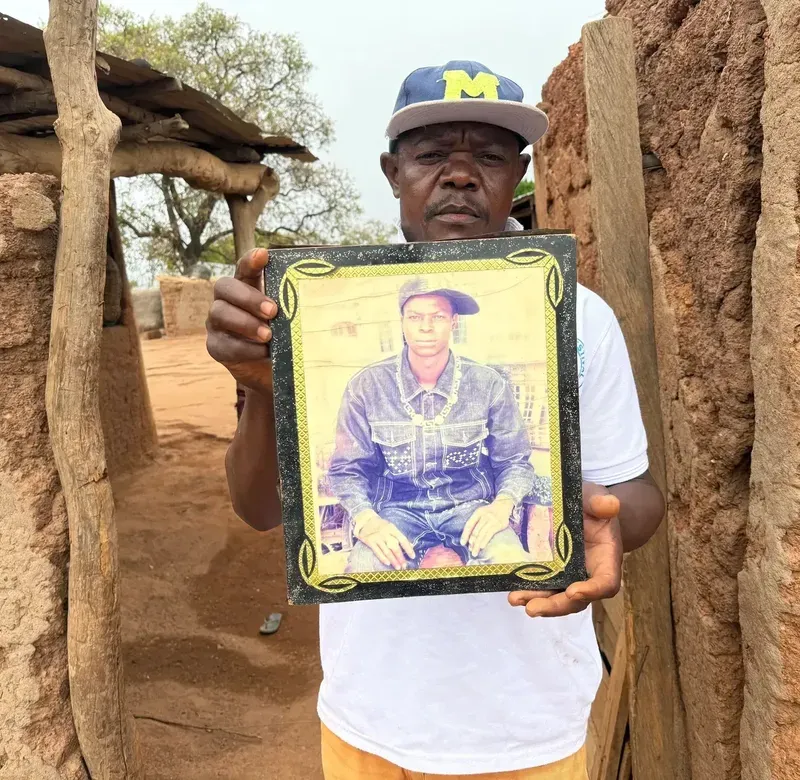
Ghana Battles Deadly Meningitis Outbreak Amid Shrinking Foreign Aid and Health System Struggles
A deadly meningitis outbreak is sweeping through Ghana’s Upper West Region.
ADDITIONAL RESOURCES

TOPIC
Racial Justice Reporting
The Pulitzer Center is committed to supporting journalism that addresses systemic racism in the U.S. and around the world, while telling stories of resilience and creative solutions.
FOCUS AREA
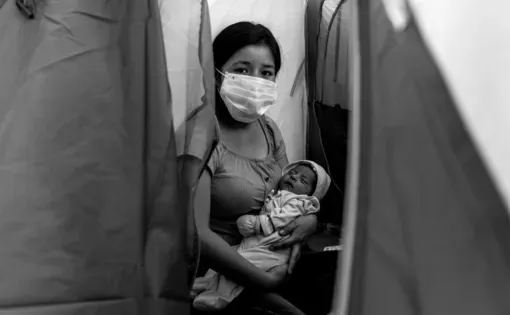
Global Health
The Pulitzer Center's Global Health initiatives support vital reporting and audience engagement on systemic, interconnected health issues around the world. We value cross-border and collaborative journalism and encourage reporters to look into powerful interests that are threatening health globally.
RESOURCES
Reporting Toolkits & Methodologies
Explore methods and tools used by Pulitzer Center fellows and grantees that can serve as blueprints for your Global Health reporting projects.
These curricular resources are curated from the lesson libraries on the 1619 Education and Pulitzer Center websites. The resources can support classroom engagement with either 1619 Project material or Pulitzer Center supported journalism connected to the key focus area. The curricular resources can help strengthen skills such as critical thinking, media literacy, communication, and empathy.
FROM THE 1619 EDUCATION MATERIALS COLLECTION
HUMAN RIGHTS UNIT PLAN
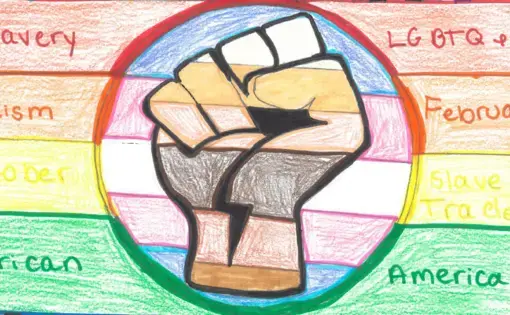
Mapping and Researching Race in the Early Colonies
Students will learn about the history of race in the early American colonies, discussing the start of slavery in Virginia and the treatment of Native Americans in New England.

HUMAN RIGHTS UNIT PLAN
Black Women and Their Bodies: How Slavery Laid the Groundwork for Healthcare Inequities for Women of Color
Students examine how contemporary racial inequities in health care services and outcomes, especially for Black women, are rooted in slavery.
HUMAN RIGHTS UNIT PLAN
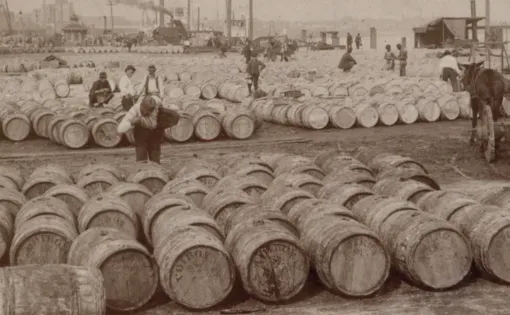
Decolonizing Your Diet
Students explore world cultures through studying ingredients and food cultures brought to the United States due to slavery, colonization, and internal migration.
HUMAN RIGHTS UNIT PLAN
Race, Medicine, and Health Inequity: Medical Apartheid
Students explore the legacy of slavery in the U.S. healthcare system and how it impacts current healthcare institutions and practices.
HUMAN RIGHTS UNIT PLAN
Race, Power, and Health: Past and Present
Students examine the relationship between power and race, and how it has shaped science and medicine in the United States.
HUMAN RIGHTS UNIT PLAN
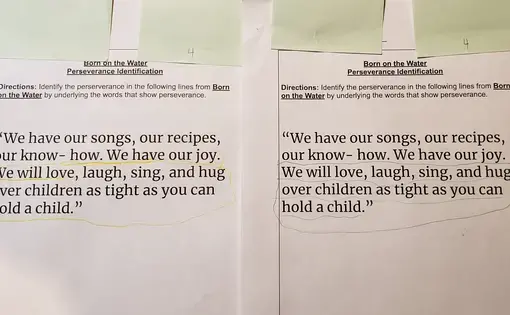
Analyzing our Past to Elevate our Future Through Perseverance
Students explore themes of challenge and perseverance by analyzing four books, including Born on the Water, and ultimately create original narratives from the perspective of a character in a text.
HUMAN RIGHTS UNIT PLAN
Empowering Equity Through Education: Illuminating Affirmative Action's Legacy
Students gain social and historical context for affirmative action and analyze colorblind vs. race conscious approaches to policy through persuasive writing.
HUMAN RIGHTS UNIT PLAN
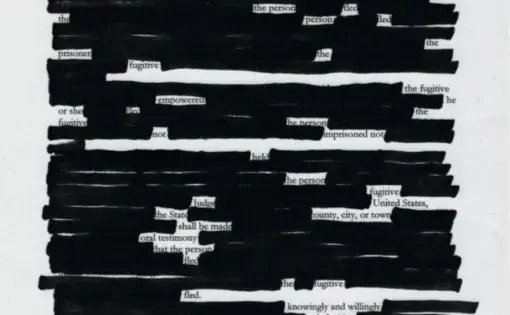
Public History and The 1619 Project
Through the study of primary source documents as well as the experiential learning in the community garden, students will be asked to reimagine how stories about slavery are told.
FROM THE PULITZER CENTER LESSON LIBRARY
GLOBAL HEALTH CLASSROOM RESOURCE
Ode To Healthy Futures
Make connections to the science that shapes our lives and share your vision for a healthy future through poetry.
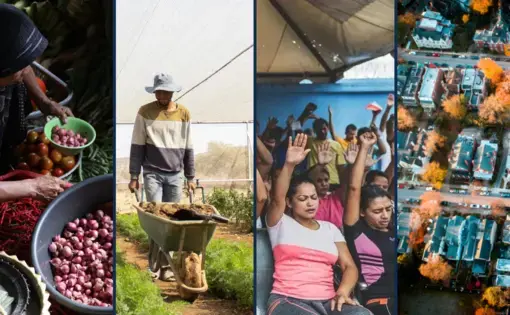
GLOBAL HEALTH LESSON PLAN
Reading the News Through a Public Health Lens
Students identify social determinants of health in news stories, examine how health connects to other systemic issues, and apply a public health approach to brainstorming solutions.
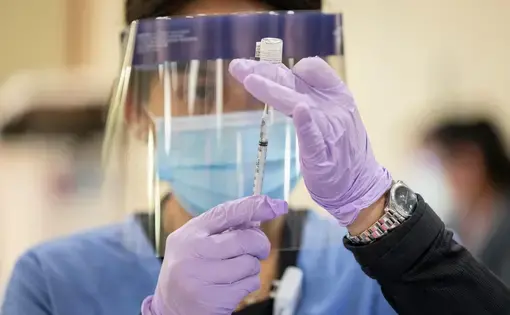
GLOBAL HEALTH LESSON PLAN
Vaccine Hesitancy and Historical Trauma
Students will examine and discuss reporting about vaccination efforts in Ghana and Chicago to better understand the relationship between medical racism and vaccine hesitancy among people of color.
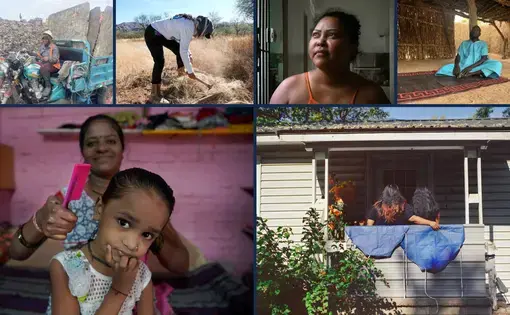
GLOBAL HEALTH LESSON PLAN
Examining Global Health Stories
This resource is designed to support students in exploring global public health stories, understanding the interconnected nature of health worldwide, and championing global health equity.
GLOBAL HEALTH LESSON PLAN
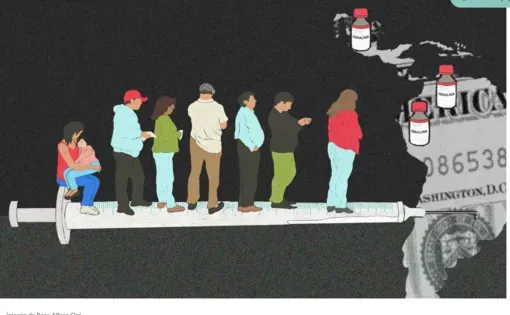
La Salud: Un Derecho Humano
Students consider health as a human right by analyzing an article about access to health care in a Spanish-Speaking country, review how to write a formal letter, and then write a formal letter to a government official outlining their connections to the article.
GLOBAL HEALTH LESSON PLAN
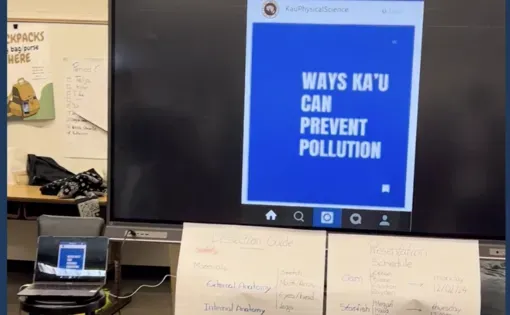
Plastics, Bioplastics, and Health
Students explore plastics' health impacts, discuss gaps in research, and assess the limitations of alternatives. They brainstorm and present community solutions to reduce plastic pollution locally.
GLOBAL HEALTH LESSON PLAN
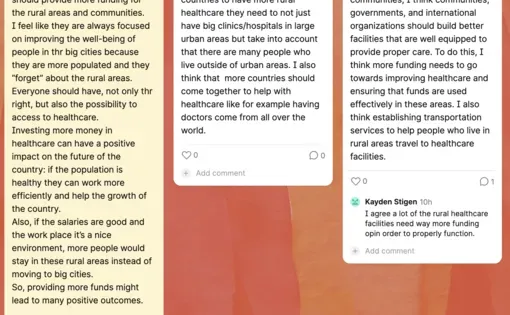
The Complexities of Global Health Care Access
Students explore examples of limited healthcare access in rural America and Nigeria and then consider how a lack of access impacts individuals, families, communities, and countries.
GLOBAL HEALTH LESSON PLAN
Youth Mental Health and Suicide Prevention: Listening Guide for Educators
This podcast listening guide provides tips and reflection opportunities to support education professionals in opening up dialogues on youth mental health in your home, school, and community.
GLOBAL HEALTH LESSON PLAN
Hidden Voices: Injustice and Women's Empowerment in the Era of COVID
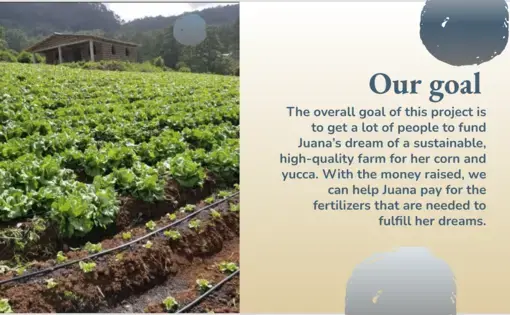
After examining how women across the globe are overcoming gender inequality amplified by the pandemic through advocacy and financial empowerment, students promote opportunities to invest in micro loans that support women-led businesses.
HUMAN RIGHTS LESSON PLAN
Investigating, Informing, Influencing: Exploring Current Issues on a National and Global Scale
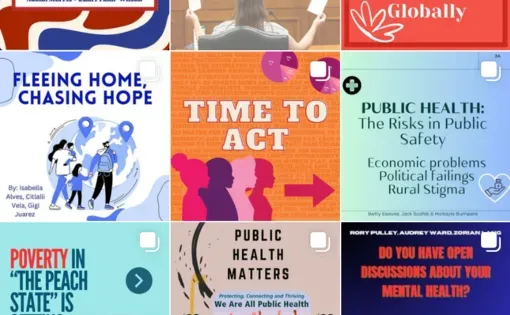
Students use a thinking routine to analyze a curated list of seven news stories on a global issue they select. Working in groups, they evaluate connections in the reporting, formulate claims about the issue, support the claims with strong evidence from the texts, and then use digital media tools to create an Instagram carousel that informs their school audience about the issue they selected and shares a call to action.